
In the landscape of American education, the State of Texas Assessments of Academic Readiness (STAAR) is often viewed through the lens of pedagogy and student proficiency. However, beneath the surface of Scantron sheets and digital portals lies a complex economic engine. When a student, a school, or a district fails to meet the benchmarks set by the STAAR test, the repercussions extend far beyond the classroom. From the macro-level shifts in state funding to the micro-level impact on individual earning potential and local real estate markets, failing a STAAR test is, at its core, a significant financial event.

To understand the stakes of standardized testing in Texas, one must look past the letter grades and examine the flow of capital. This article explores the economic consequences of failing the STAAR test, categorized under the intersection of personal finance, institutional budgeting, and the broader business of education.
The Macroeconomic Impact: State Funding and District Budgets
The most immediate financial consequence of failing a STAAR test occurs at the institutional level. In Texas, the relationship between academic performance and fiscal health is symbiotic. When a school district reports low passing rates, it triggers a series of financial mechanisms that can alter the district’s economic trajectory for years.
Accountability Ratings and the Flow of Capital
The Texas Education Agency (TEA) uses STAAR scores as a primary metric for its A-F accountability ratings. These ratings are not merely badges of honor; they are financial signals. Schools with high ratings often attract private grants, philanthropic donations, and localized tax support. Conversely, a failure to meet “Met Standard” benchmarks can lead to a “D” or “F” rating, which puts the district at risk of state intervention.
State intervention is an expensive process. When the TEA takes over a school board or appoints a conservator—as seen in several high-profile Texas districts—the administrative costs are staggering. Legal fees, consultant salaries, and the restructuring of district-level financial management divert millions of dollars away from student resources and toward bureaucratic correction.
The Staggering Cost of Remediation Programs
Failing the STAAR test necessitates immediate “Accelerated Instruction,” a legal requirement under Texas House Bill 4545 and subsequent updates. For every subject a student fails, the district must provide 15 to 30 hours of supplemental instruction. From a business finance perspective, this is a massive unbudgeted expense.
Districts must find the capital to pay for:
- Teacher Overtime: Paying educators to staff after-school and summer programs.
- Transportation: The cost of running buses for non-standard school hours.
- Instructional Materials: Purchasing specialized “intervention” curricula designed specifically to move a student from “did not meet” to “approaches” grade level.
For a large district with thousands of failing scores, the remediation bill can run into the tens of millions, often requiring the reallocation of funds from extracurricular activities, elective programs, or infrastructure maintenance.
The Microeconomic Perspective: Personal Finance and Future Earning Potential
On an individual level, failing the STAAR test is not just an academic setback; it is a threat to a student’s long-term Return on Investment (ROI). Education is the most significant asset an individual can develop, and the STAAR test acts as a gatekeeper to the liquidity of that asset.
Graduation Requirements and the Wage Gap
For high school students, passing the STAAR End-of-Course (EOC) assessments is a requirement for graduation. Failing these tests can result in the denial of a high school diploma. The financial implications of this are stark. According to data from the Bureau of Labor Statistics, the median weekly earnings for a person without a high school diploma are significantly lower than those with one.
Over a 40-year career, the “failure tax”—the difference in lifetime earnings between a high school graduate and a non-graduate—can exceed $250,000. When a student fails to pass the STAAR and subsequently fails to graduate, they are effectively locked out of higher-paying labor markets, reducing their personal net worth and their ability to contribute to the tax base.
The “Hidden Tax” of Private Tutoring and Retakes
For families in the middle and upper-income brackets, a failing STAAR score often triggers an immediate shift in the household budget. To ensure their child does not fall behind or fail to graduate, parents turn to the private tutoring market.
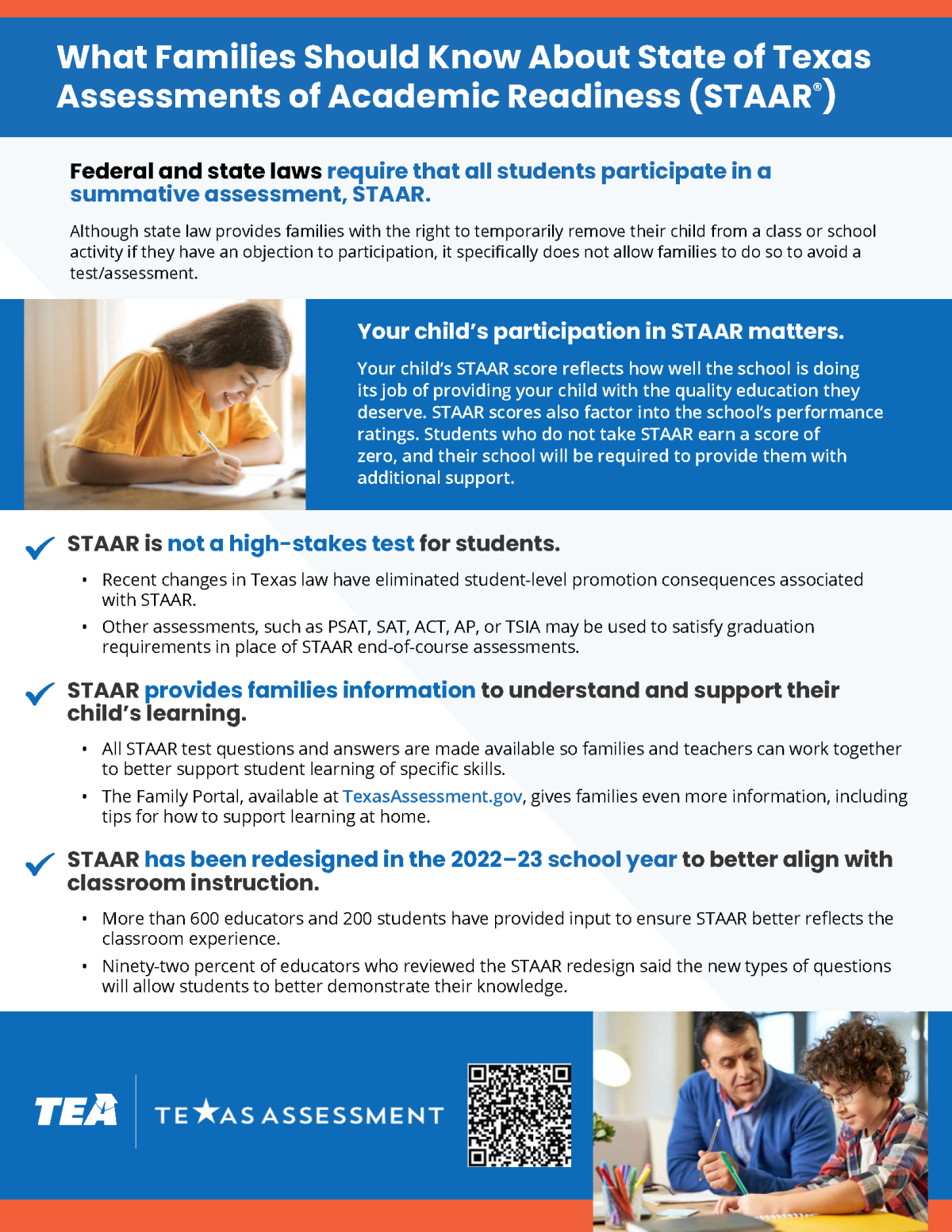
Professional tutoring centers in Texas charge anywhere from $50 to $150 per hour. A comprehensive remediation plan for a student who failed multiple sections of the STAAR can easily cost a family $2,000 to $5,000 in a single semester. This “hidden tax” on failure represents a significant diversion of personal savings that could otherwise be directed toward a college fund or other investments.
The Real Estate Connection: How Test Scores Dictate Property Values
One of the most profound ways a STAAR test failure impacts money is through the lens of real estate. In Texas, there is an inextricable link between school district performance and home equity.
School District Ratings as a Driver for Home Equity
For the vast majority of Texas homeowners, their primary residence is their largest financial asset. The value of that asset is heavily influenced by the local school district’s STAAR performance. Real estate platforms like Zillow and Redfin prominently display school ratings, which are largely derived from STAAR data.
When a school’s scores drop or it receives a failing grade from the TEA, the demand for housing in that zone often decreases. High-income buyers, who have the mobility to choose where they live, prioritize high-performing districts to protect their investment. A “failed” school district can lead to stagnant or declining property values. Conversely, homes in “A-rated” districts command a premium, often selling for 10% to 20% more than comparable homes in lower-rated areas.
The Economic Geography of Standardized Testing
This creates a cycle of “economic geography.” Failing scores lead to lower property values, which results in lower property tax revenue for the district. Since Texas schools are funded significantly through local property taxes, this reduction in revenue makes it harder for the district to afford the very resources (better teachers, updated technology) needed to improve test scores. For the homeowner, failing STAAR scores in the neighborhood isn’t just a social issue—it’s a direct hit to their balance sheet and home equity.
The Business of Testing: A Billion-Dollar Industry
Finally, we must consider the business of the test itself. The STAAR test is the centerpiece of a massive corporate ecosystem. When we ask what happens when a test is failed, we must also look at who profits from the failure and the subsequent need for recovery.
Contractual Obligations and Vendor Revenue
The Texas Education Agency signs multi-year contracts worth hundreds of millions of dollars with testing vendors like Pearson and Cambium Assessment. These contracts cover the development, administration, and scoring of the tests. However, the revenue doesn’t stop at the test itself.
The “failure” of students creates a secondary market for these same corporations. Many of the companies that provide the assessments also sell the remediation software and “data analytics” tools that districts buy to fix their low scores. It is a unique business model where the measurement of a “product failure” (a failing student) creates a demand for “product repair” (intervention services), both of which are funded by taxpayer dollars.
The Secondary Market for Test-Prep Materials
Beyond the primary contractors, a massive secondary market exists for test-prep materials. This is a multi-billion dollar niche within the EdTech and publishing industries. Companies like Houghton Mifflin Harcourt and various digital startups thrive on the anxiety produced by the STAAR.
When failure rates are high, the market for “STAAR-aligned” workbooks, digital platforms, and practice exams surges. School districts, desperate to avoid the financial and administrative penalties of state failure, pour millions into these supplemental tools. This represents a significant transfer of public wealth into the private sector, driven entirely by the metrics of the STAAR test.

Conclusion: The Bottom Line of Failure
In conclusion, the question “What happens if you fail a STAAR test?” cannot be answered solely by looking at report cards. The true answer is found in the ledgers of school districts, the appraisals of Texas homes, and the lifetime earning projections of students.
Failing a STAAR test triggers a cascade of financial events:
- For the District: It means expensive remediation and the risk of state-mandated financial restructuring.
- For the Student: It threatens graduation and long-term earning potential, while imposing immediate costs on the family budget.
- For the Community: It impacts property values and the local tax base.
- For the Economy: It fuels a massive, private-sector testing industry that thrives on the cycle of assessment and intervention.
While the STAAR test remains a controversial tool for measuring academic achievement, its role as a financial instrument is undeniable. In the state of Texas, a failing grade is not just a mark of academic struggle—it is a high-stakes financial outcome with repercussions that last a lifetime.
aViewFromTheCave is a participant in the Amazon Services LLC Associates Program, an affiliate advertising program designed to provide a means for sites to earn advertising fees by advertising and linking to Amazon.com. Amazon, the Amazon logo, AmazonSupply, and the AmazonSupply logo are trademarks of Amazon.com, Inc. or its affiliates. As an Amazon Associate we earn affiliate commissions from qualifying purchases.