
The image is iconic: a bottle of carbonated cola erupting in a spectacular geyser after a handful of minty candies are dropped inside. The “Coke and Mentos” experiment has become a global phenomenon, a staple of science fairs, internet videos, and backyard antics. It’s a captivating display of chemistry in action, demonstrating a dramatic physical reaction that has fueled countless myths, particularly concerning what might happen if one were to ingest this infamous combination. While the outdoor spectacle is undeniably explosive, the reality of drinking Coke and Mentos is far less dramatic, though no less interesting when viewed through the lenses of technology, brand strategy, and economics.
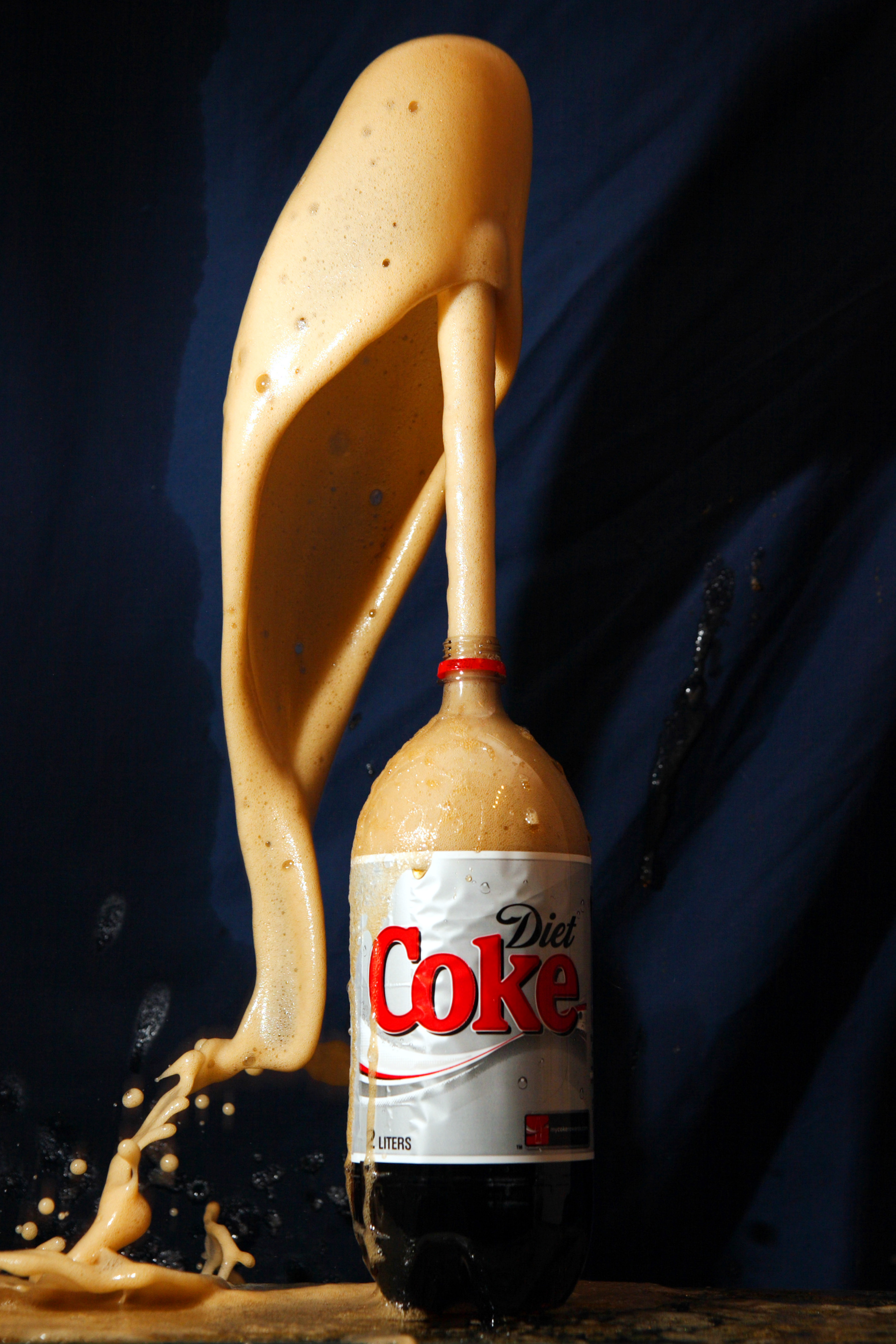
This article delves beyond the fizzy show to explore the multifaceted impact of the Coke and Mentos phenomenon. We’ll unravel the science behind the reaction, examine how technology transformed a simple experiment into a viral sensation, analyze the profound, often unintended, effects on brand perception and marketing, and even touch upon the economic ripples generated by this curious pairing. Finally, we’ll address the fundamental question: what actually happens inside the human body when Coke and Mentos meet, debunking popular myths and offering a dose of scientific reality.
The Science Behind the Spectacle: A Tech Perspective
At its core, the Coke and Mentos reaction is a marvel of simple physics and chemistry, amplified and disseminated globally by modern technology. Understanding this phenomenon not only satisfies scientific curiosity but also highlights how technological advancements aid in both its understanding and its virality.
Understanding the Fizz: Nucleation Points and Carbonation
The explosive geyser produced by dropping Mentos into diet cola (though other carbonated drinks and Mentos varieties work too, with varying intensity) is not a chemical reaction in the traditional sense, but rather a physical one driven by nucleation. Carbonated beverages, like Coca-Cola, contain dissolved carbon dioxide gas under pressure. This gas remains suspended until it finds “nucleation points” – tiny imperfections or rough surfaces that provide sites for gas bubbles to form rapidly.
Mentos candies are famous for their unique, rough, pitted surface, which is microscopic but acts as a perfect catalyst for bubble formation. Each tiny pit acts as a nucleation point, causing the dissolved carbon dioxide to quickly come out of solution as gas. When numerous Mentos are dropped into a bottle, an enormous amount of carbon dioxide is released almost simultaneously, creating a rapid build-up of pressure that forces the liquid out of the bottle at high velocity, resulting in the characteristic geyser. The density of the Mentos (they sink quickly) and certain ingredients (like gum arabic and gelatin in Mentos, and aspartame in diet sodas) are also thought to play a role in reducing surface tension and amplifying the effect, allowing more gas to escape faster.
From a technological standpoint, this understanding is crucial. Materials scientists can study surface textures and their interactions with liquids and gases, which has implications for everything from industrial carbonation processes to the development of new materials. Analytical tools, often digitally enhanced, allow researchers to measure gas release rates, pressure build-up, and fluid dynamics, pushing the boundaries of our understanding of such everyday phenomena. The precision instruments and software used in beverage manufacturing to ensure consistent carbonation levels are themselves a testament to advanced technology born from understanding gas-liquid interactions.
From Kitchen Experiment to Digital Virality: The Role of Technology in Amplifying the Myth
While the basic science of Coke and Mentos has been known for some time, it was the advent of digital technology, particularly online video platforms, that catapulted the experiment into an undeniable cultural touchstone. Before YouTube, these experiments were confined to local science fairs or anecdotal tales. With the rise of affordable digital cameras and high-speed internet, anyone could film their own experiment and share it with the world.
YouTube became the primary engine for this virality. Channels like “EepyBird” pioneered elaborate Coke and Mentos fountains, showcasing the sheer scale and beauty of the reaction. Their meticulously edited videos, often featuring synchronized eruptions and artistic flair, amassed millions of views, inspiring countless others to replicate and innovate. Social media platforms like Facebook, Twitter (now X), and later TikTok further amplified the trend, with short-form videos and GIFs spreading the visual spectacle globally.
This technological amplification had several key impacts. Firstly, it democratized scientific experimentation, allowing ordinary people to engage with and share scientific principles in an accessible way. Secondly, it created a massive repository of user-generated content, showcasing variations of the experiment under different conditions, inadvertently contributing to a collective scientific exploration. However, this same technological prowess also fostered the spread of misinformation. The dramatic visual effect of the outdoor geyser led many to falsely assume an equally dramatic, even dangerous, internal reaction if ingested. Memes, exaggerated stories, and clickbait headlines perpetuated the myth that drinking Coke and Mentos could cause internal organ rupture or explosion, illustrating the dual nature of technology in both educating and misinforming the public. This highlights the ongoing challenge for tech platforms to balance freedom of expression with the responsibility to curb harmful misinformation, particularly when it touches on health and safety.
Brand Resonance and Reputation: The Marketing Implications
Beyond the fizz and the technology that spreads it, the Coke and Mentos phenomenon offers a fascinating case study in brand dynamics. Neither Coca-Cola nor Mentos actively sought to create this viral experiment, yet it became inextricably linked with their identities, generating immense, often uncontrollable, public attention.
The Unintended Brand Ambassadors: Coke and Mentos in the Public Eye
The Coke and Mentos experiment represents the pinnacle of organic, user-generated content marketing. Without spending a single dollar on advertising for this specific interaction, both brands received billions of media impressions, mentions, and visual associations. Every viral video, every news report, every backyard experiment featuring the geyser subtly reinforced the brand names “Coke” and “Mentos” in the global consciousness.
For Mentos, a brand traditionally associated with fresh breath, the experiment introduced a new, dynamic, and somewhat rebellious association. It transformed a simple candy into a “science experiment ingredient,” adding a layer of cool and intrigue. For Coca-Cola, a behemoth brand already deeply embedded in popular culture, the phenomenon added another dimension to its already diverse brand narrative. It showcased the power and energy inherent in its product, even if in an unconventional way.
This unexpected publicity came with both benefits and challenges. On the one hand, it generated massive brand awareness and a degree of cultural relevance that money couldn’t necessarily buy. It created talking points, making the brands part of everyday conversations and jokes. On the other hand, it meant a loss of control over the brand narrative. The “explosion” imagery, while exciting, could also be perceived as negative or even dangerous by some, forcing both companies to delicately navigate how to acknowledge or distance themselves from the phenomenon without stifling the positive buzz. It’s a prime example of the power of consumer-driven narratives in the digital age, where brands are increasingly co-created by their users.
Navigating the Narrative: Brand Strategy in the Face of Viral Content
How do established brands react when their products become the stars of an unforeseen global phenomenon? The strategies employed by Coca-Cola and Mentos illustrate the complexities of brand management in the internet age. Initially, there might have been apprehension, particularly concerning the widespread health myths associated with internal ingestion. However, both companies largely adopted a cautious yet ultimately embracing approach.
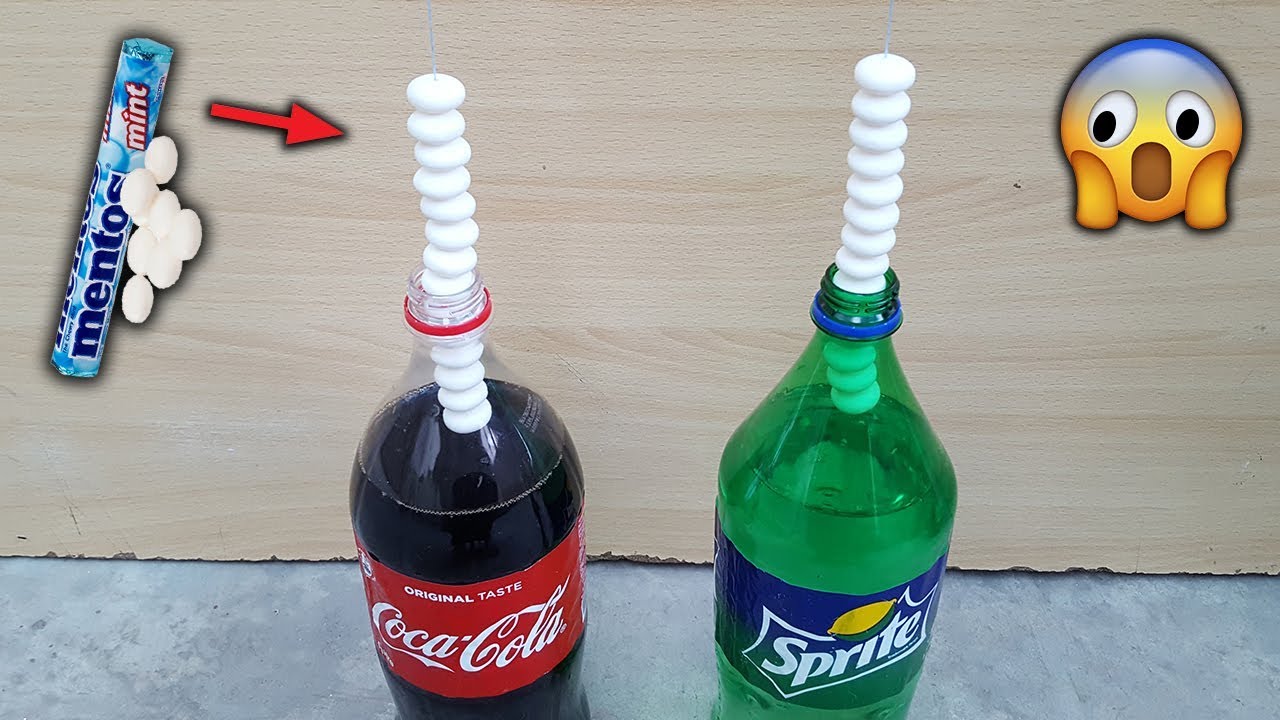
Mentos, owned by Perfetti Van Melle, eventually leaned into the phenomenon, subtly acknowledging its existence without explicitly endorsing the experiment (to avoid potential liability for messes or injuries). They recognized the positive association with fun, creativity, and spectacle. Coca-Cola, with its deeply ingrained brand identity, took a more measured stance. While acknowledging the viral appeal, they emphasized their product’s intended use as a refreshing beverage, indirectly debunking the dangerous myths without directly challenging the enthusiasm of the experimenters. This delicate balance reflects sophisticated brand strategy: leveraging the positive aspects of virality (awareness, cultural relevance) while mitigating potential negatives (misinformation, perceived danger).
The Coke and Mentos story serves as a valuable case study for other brands. It demonstrates the importance of monitoring online conversations, understanding how products are used and perceived outside of controlled marketing campaigns, and developing agile strategies to respond to viral content. In an era where user-generated content can make or break a brand, the ability to adapt, engage, and occasionally, strategically ignore, is paramount. It also highlights the intellectual property challenges – while the individual products are protected, the “experiment” itself is a public domain activity, showcasing the limits of traditional brand control in the digital commons.
The Economics of an Experiment: Money Matters
Beyond the scientific fascination and brand recognition, the Coke and Mentos phenomenon has generated surprising economic activity and raised important questions about the financial implications of viral content, misinformation, and scientific literacy.
Monetizing Viral Content: From Creators to Corporations
The most direct economic beneficiaries of the Coke and Mentos trend have been content creators. YouTubers, TikTokers, and other social media influencers have built entire channels and careers around performing variations of the experiment, often with increasingly elaborate setups. Through advertising revenue generated from video views, brand sponsorships (sometimes unrelated to Coke or Mentos, leveraging the creator’s audience), and even merchandise sales, these individuals have monetized the viral appeal of the fizzy geyser. The “Coke and Mentos” tag has become a search engine optimization goldmine, driving traffic and creating income streams for a new generation of digital entrepreneurs.
For the companies themselves, while not directly selling “Coke and Mentos experiment kits,” the phenomenon still translates to significant indirect economic value. The sheer volume of media coverage and social media buzz represents free advertising worth millions, if not billions, of dollars in equivalent media spend. While it’s difficult to quantify direct sales increases attributable solely to the experiment, the elevated brand awareness and cultural relevance undoubtedly contribute to overall market share and sales volume. Every time someone buys a Coke and a pack of Mentos specifically for the experiment, it’s a direct sale driven by the viral trend. This showcases how organic virality can become a powerful, cost-effective marketing tool, even when unintentional. Furthermore, the phenomenon has spurred ancillary markets, from novelty products replicating the effect to educational kits explaining the science, all contributing to the broader economy.
Beyond the Buzz: The Cost of Misinformation and the Value of Scientific Literacy
While the viral success of Coke and Mentos has generated positive economic outcomes for some, it also highlights the hidden costs associated with misinformation. The widespread belief that drinking Coke and Mentos is dangerous or causes an internal explosion has led to unnecessary public concern, potentially consuming resources from health organizations or educational bodies tasked with debunking such myths. While the direct financial cost for this specific myth might be minor, it underscores a larger issue: the economic burden of widespread scientific illiteracy.
When significant portions of the population struggle to differentiate between a physical reaction outside the body and a physiological one inside, it can have far-reaching consequences. Think of the economic impact of vaccine hesitancy, climate change denial, or the proliferation of unproven health remedies – all rooted in a lack of scientific understanding and critical thinking. The “Coke and Mentos” myth, while relatively benign, is a microcosm of this larger challenge. Investing in scientific education and promoting critical thinking skills, which can discern truth from sensationalism, offers a significant long-term economic return. A scientifically literate populace is better equipped to make informed decisions about health, finance, and technology, leading to a more productive and resilient society. Conversely, unchecked misinformation, amplified by technology, can erode public trust, lead to poor decision-making, and carry tangible economic costs.
The Realities of Ingestion: What Actually Happens
After exploring the technological, branding, and monetary implications, it’s time to directly address the burning question: what actually happens if you drink Coke and Mentos? The short answer is: nothing explosive. The dramatic geyser seen outside the bottle simply does not occur within the human digestive system.
The Body’s Defenses: Digestion and Dissolution
The human stomach is a remarkably robust and dynamic environment, perfectly adapted to process a wide variety of foods and liquids. When you drink carbonated soda, the dissolved carbon dioxide is released gradually. Much of it escapes as burps, while some is absorbed into the bloodstream or continues through the digestive tract. The stomach’s highly acidic environment (with a pH typically between 1.5 and 3.5, far more acidic than soda) also plays a crucial role.
If you were to swallow Mentos immediately after or with Coke, several factors would prevent an explosive reaction:
- Stomach Acid: The powerful hydrochloric acid in your stomach would begin dissolving the Mentos almost immediately, breaking down its rough surface texture before it could act as a significant nucleation point.
- Lack of Confinement: Unlike the narrow neck of a soda bottle, your stomach is a large, flexible organ. Even if some rapid gas release were to occur, there’s ample space for the gas to expand, and multiple pathways for it to escape (primarily through burping). There’s no pressure build-up to cause an “explosion.”
- Saliva and Chewing: Ingesting solid Mentos means they would first interact with saliva and potentially be chewed, further breaking down their surface and accelerating dissolution, reducing their effectiveness as nucleation sites.
- Gradual Release: The gas in carbonated drinks, even without Mentos, is already being released and dealt with by your body. Adding Mentos would merely accelerate a process your body is equipped to handle, albeit perhaps leading to more burping.
In essence, your digestive system is a sophisticated chemical processing plant designed to break down and absorb, not to contain an explosive geyser. The conditions necessary for the outdoor experiment – a highly pressurized, confined space, and an intact, rough surface – are simply not present inside your body.
Minor Discomforts and Common Sense Health Advice
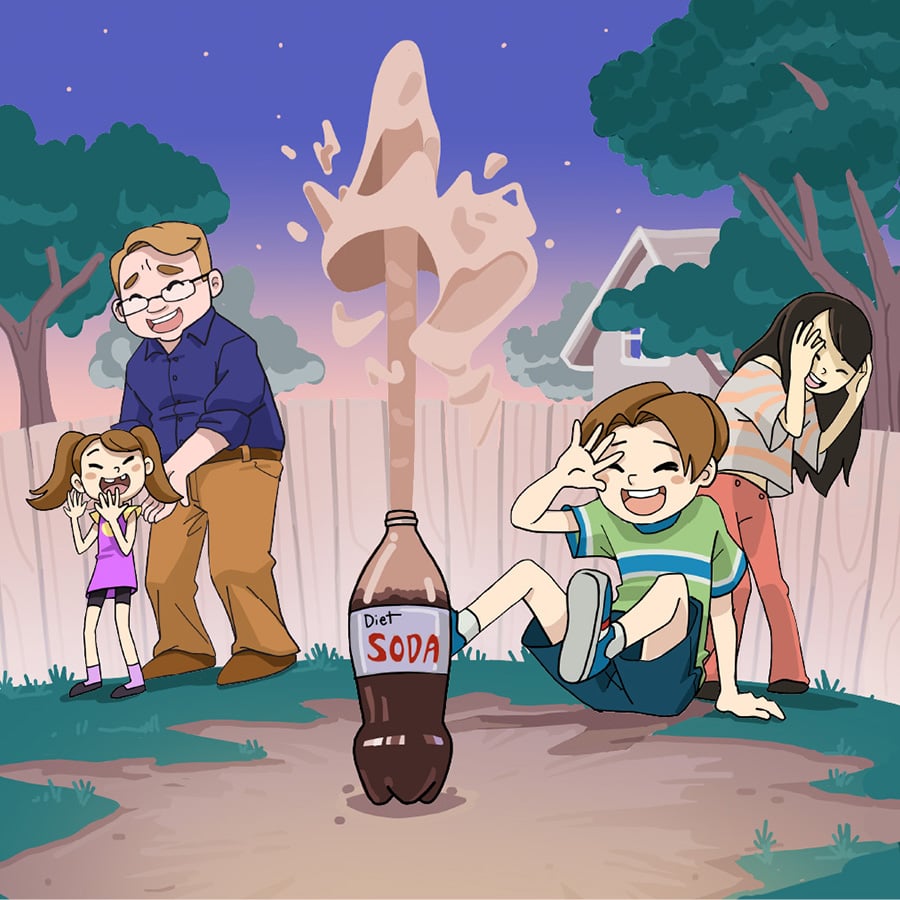
So, while you won’t explode, are there any effects? Yes, but they are generally minor and far from life-threatening. The most likely outcome is increased burping or flatulence due to the rapid release of carbon dioxide gas. Some individuals might experience slight stomach discomfort, bloating, or indigestion from the sudden influx of gas. This is akin to the discomfort some people feel after drinking large quantities of any carbonated beverage quickly.
From a health perspective, drinking soda and eating sugary candies together is generally not recommended as part of a balanced diet. Both are high in sugar, which can contribute to dental cavities, weight gain, and an increased risk of type 2 diabetes if consumed regularly. The acidity of soda can also erode tooth enamel over time. Therefore, while the Coke and Mentos combination won’t cause an internal explosion, it’s certainly not a healthy choice. Common sense dictates moderation in consuming sugary drinks and candies, regardless of their interaction potential.
In conclusion, the “what happens if you drink Coke and Mentos” question, while seemingly simple, opens a fascinating dialogue across science, technology, branding, and economics. It underscores how a simple kitchen experiment, amplified by digital platforms, can capture global attention, shape brand perceptions, and even influence economic activity. Most importantly, it serves as a powerful reminder of the importance of scientific literacy and critical thinking in an age where information, and misinformation, spreads at the speed of light. The reality is far less dramatic than the myth, but the story behind the myth is far richer and more complex than a mere fizzy fountain.
aViewFromTheCave is a participant in the Amazon Services LLC Associates Program, an affiliate advertising program designed to provide a means for sites to earn advertising fees by advertising and linking to Amazon.com. Amazon, the Amazon logo, AmazonSupply, and the AmazonSupply logo are trademarks of Amazon.com, Inc. or its affiliates. As an Amazon Associate we earn affiliate commissions from qualifying purchases.