
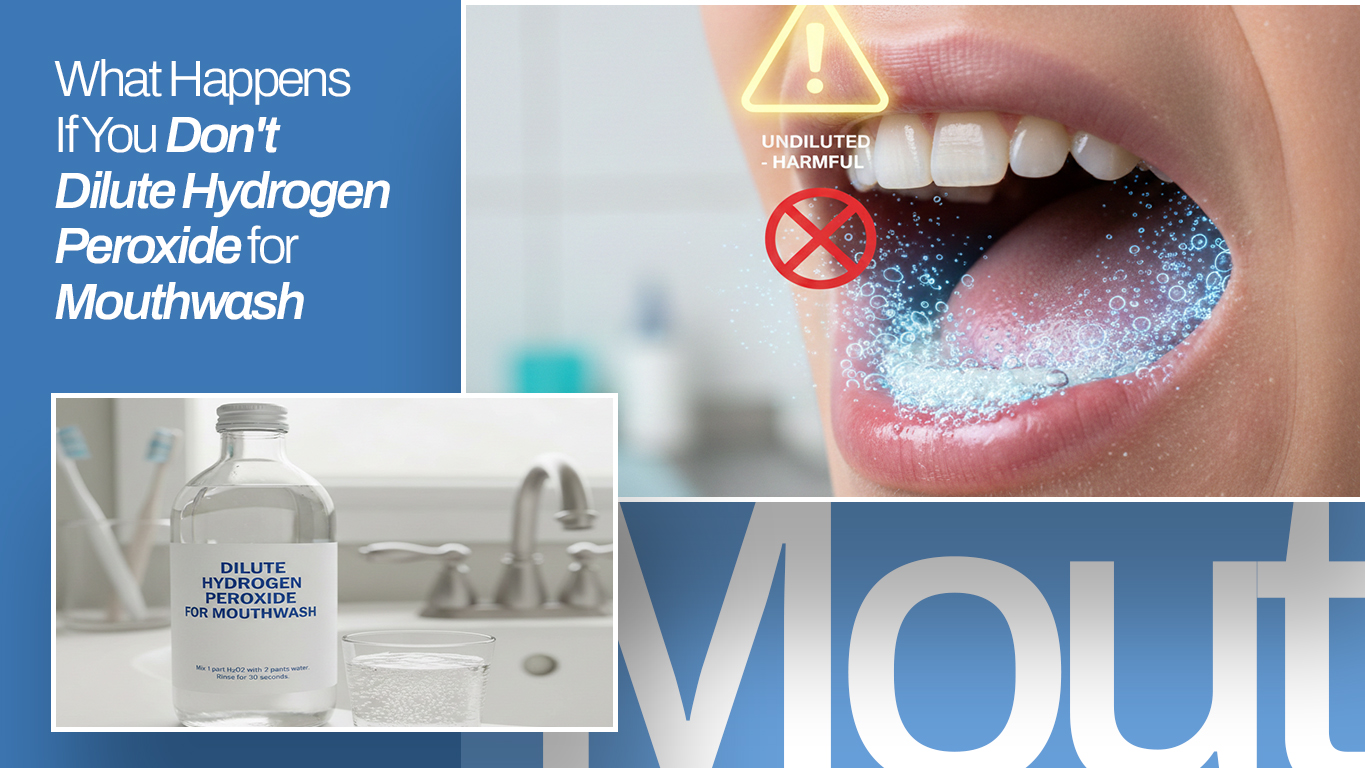
The allure of a potent, germ-killing mouthwash is understandable. Many individuals, in their pursuit of optimal oral hygiene, might consider using hydrogen peroxide directly from the bottle as a powerful antimicrobial agent. However, the question of what happens if you don’t dilute hydrogen peroxide for mouthwash is not merely a matter of efficacy but crucially, of safety and potential harm. This article delves into the ramifications of using undiluted hydrogen peroxide as a mouth rinse, examining the scientific principles at play and offering a clear, evidence-based perspective on why proper dilution is non-negotiable.
The Chemical Properties of Hydrogen Peroxide and Its Oral Applications
Hydrogen peroxide (H₂O₂) is a chemical compound with a simple structure but potent oxidizing properties. It’s a naturally occurring substance, also produced in small amounts by our bodies, playing a role in immune responses. In commercial applications, it’s often found in various concentrations, most commonly 3% for household use and much higher concentrations for industrial or laboratory purposes. Its effectiveness as an antiseptic stems from its ability to break down cellular components and disrupt the biological processes of microorganisms.
Understanding Antiseptic Mechanisms
When hydrogen peroxide comes into contact with organic matter, it undergoes a decomposition reaction, releasing oxygen radicals. These highly reactive species can indiscriminately damage vital cellular structures of bacteria, viruses, and fungi, including DNA, proteins, and cell membranes. This oxidative stress ultimately leads to cell death. This is the primary mechanism by which hydrogen peroxide acts as an antiseptic and disinfectant.
Concentration Matters: The Significance of Dilution
The concentration of hydrogen peroxide is paramount to its safe and effective use. Commercially available 3% hydrogen peroxide solutions are already diluted from their more concentrated industrial forms. Even at this concentration, it’s generally recommended for topical wound cleaning, and for oral use, further dilution is almost universally advised. The reason for this lies in the escalating intensity of its oxidizing power with increasing concentration. Higher concentrations mean a more aggressive release of oxygen radicals, which can lead to more significant cellular damage.
The Perils of Undiluted Hydrogen Peroxide in the Mouth
Using hydrogen peroxide for mouthwash without proper dilution introduces a cascade of immediate and potentially long-term negative consequences. The potent oxidizing nature of concentrated hydrogen peroxide, when applied directly to the delicate tissues of the oral cavity, bypasses the protective measures that dilution provides.
Immediate Tissue Damage and Irritation
The most prevalent and immediate effect of using undiluted hydrogen peroxide is severe irritation to the oral mucosa. The lining of the mouth, including the gums, cheeks, tongue, and palate, is composed of sensitive epithelial cells. Concentrated hydrogen peroxide will aggressively attack these cells, causing a burning sensation, redness, inflammation, and in more severe cases, ulcerations and chemical burns. This damage can be painful and can impede the ability to eat, drink, and speak comfortably. The sensation can range from a tingling that escalates quickly to a searing pain.
Potential for “H2O2 Burn” and Beyond
A “hydrogen peroxide burn” is a real phenomenon. When the concentration is too high, the oxidative process overwhelms the natural defense mechanisms of the oral tissues. This can lead to a whitening or grayish appearance of the affected areas due to protein denaturation and cell death. In severe instances, this can result in the sloughing off of tissue, creating open sores that are susceptible to infection and take time to heal. The depth and severity of the burn depend on the concentration used and the duration of contact.
Systemic Absorption and Other Risks
While the immediate effects are localized to the mouth, there’s also a concern about systemic absorption if large quantities are ingested or if the oral tissues are compromised. Although hydrogen peroxide is broken down into water and oxygen in the body, the rapid and uncontrolled introduction of a highly concentrated form can potentially overwhelm metabolic pathways. More critically, ingesting undiluted hydrogen peroxide can lead to severe gastrointestinal distress, including nausea, vomiting, abdominal pain, and potentially more serious internal damage.
The Consequences for Oral Health and Hygiene
Beyond the immediate discomfort and damage, using undiluted hydrogen peroxide can paradoxically undermine the very oral hygiene goals one is trying to achieve. The destruction of oral tissues can create an environment that is less conducive to maintaining a healthy mouth.
Disruption of the Oral Microbiome
The mouth is home to a complex ecosystem of bacteria, known as the oral microbiome. This microbiome includes both beneficial and potentially harmful bacteria. While hydrogen peroxide can kill harmful pathogens, using it in an undiluted form is indiscriminate. It can decimate beneficial bacteria that play crucial roles in maintaining oral health, such as preventing the overgrowth of harmful species and aiding in digestion. This disruption can lead to an imbalance in the microbiome, potentially paving the way for other oral health issues, including fungal infections like thrush.
Impact on Tooth Enamel and Dental Work
While hydrogen peroxide in diluted form is sometimes used in professional teeth whitening treatments, undiluted concentrations can be detrimental to tooth enamel. The aggressive oxidizing action can weaken the enamel, making teeth more susceptible to sensitivity and decay over time. Furthermore, undiluted hydrogen peroxide can damage dental restorations such as fillings, crowns, and veneers. The chemicals can degrade the bonding agents or the materials themselves, leading to discoloration, weakening, or even detachment of these dental prosthetics.
Delayed Healing and Increased Infection Risk
The burns and lesions caused by undiluted hydrogen peroxide create openings in the protective barrier of the oral mucosa. These damaged areas are more vulnerable to secondary infections from other oral bacteria or fungi. The healing process for chemical burns can be prolonged, especially if the tissue damage is significant. This means that instead of improving oral hygiene, the use of undiluted hydrogen peroxide can create a situation that requires more extensive dental intervention and care.
Safe and Effective Oral Hygiene Practices with Hydrogen Peroxide
Given the significant risks associated with using undiluted hydrogen peroxide, it is crucial to emphasize that proper dilution is the only safe and effective way to incorporate it into an oral hygiene routine. Dental professionals are the best resource for guidance on oral health practices.
Recommended Dilution Ratios and Usage
The universally recommended approach for using hydrogen peroxide as a mouthwash involves significant dilution. A common and generally safe dilution is to mix one part 3% hydrogen peroxide with one part water. This creates a final concentration of approximately 1.5%, which is much gentler on oral tissues while still retaining some antimicrobial properties. This diluted solution should be swished in the mouth for no more than 30 seconds to a minute and then spit out entirely. It should never be swallowed.
When to Seek Professional Dental Advice
It is essential to consult with a dentist or dental hygienist before incorporating hydrogen peroxide mouthwash into your regular oral hygiene routine, even when properly diluted. They can assess your individual oral health needs and determine if a hydrogen peroxide rinse is appropriate for you. For instance, while diluted hydrogen peroxide can be beneficial for certain conditions like gingivitis or as an adjunct in managing post-surgical healing, it is not a substitute for regular brushing and flossing. Dentists can also provide specific instructions on frequency and duration of use.

Alternatives for Enhanced Oral Hygiene
For individuals seeking enhanced oral hygiene, there are numerous scientifically proven and safe alternatives. These include:
- Antimicrobial Mouthwashes: Many commercially available mouthwashes contain ingredients like chlorhexidine (prescription-only), cetylpyridinium chloride, or essential oils that are formulated for safe and effective use in killing harmful bacteria.
- Fluoride Rinses: These are excellent for strengthening tooth enamel and preventing cavities.
- Saline Rinses: A warm salt water rinse (1/4 to 1/2 teaspoon of salt in a cup of warm water) is a gentle and effective way to soothe oral tissues, reduce inflammation, and promote healing.
- Oil Pulling: While research is ongoing, oil pulling with coconut or sesame oil is a traditional practice that some find beneficial for reducing oral bacteria.
- Regular Professional Cleanings: The most effective way to maintain optimal oral health is through consistent brushing, flossing, and regular dental check-ups and professional cleanings.
In conclusion, while the idea of a potent, homemade antiseptic mouthwash using undiluted hydrogen peroxide might seem appealing, the reality is far more concerning. The potential for severe tissue damage, disruption of the oral microbiome, and detrimental effects on dental work far outweigh any perceived benefits. Always adhere to recommended dilution protocols and, most importantly, consult with dental professionals to ensure you are employing the safest and most effective strategies for maintaining a healthy mouth.
aViewFromTheCave is a participant in the Amazon Services LLC Associates Program, an affiliate advertising program designed to provide a means for sites to earn advertising fees by advertising and linking to Amazon.com. Amazon, the Amazon logo, AmazonSupply, and the AmazonSupply logo are trademarks of Amazon.com, Inc. or its affiliates. As an Amazon Associate we earn affiliate commissions from qualifying purchases.