
A chipped tooth, while often seemingly minor, can be a source of discomfort, aesthetic concern, and in some cases, a harbinger of more significant dental issues. The immediate aftermath of such an incident can range from a sharp, noticeable edge to a more deeply fractured piece of enamel. Beyond the immediate physical sensation, the implications for your oral health are multifaceted, and in the 21st century, the solutions available are increasingly sophisticated, leveraging cutting-edge technology to restore and protect your smile. This article delves into what happens when your tooth incurs a chip, with a particular focus on the technological advancements that are revolutionizing diagnosis, treatment, and long-term prevention in modern dentistry.

The Immediate Aftermath and Diagnostic Technologies
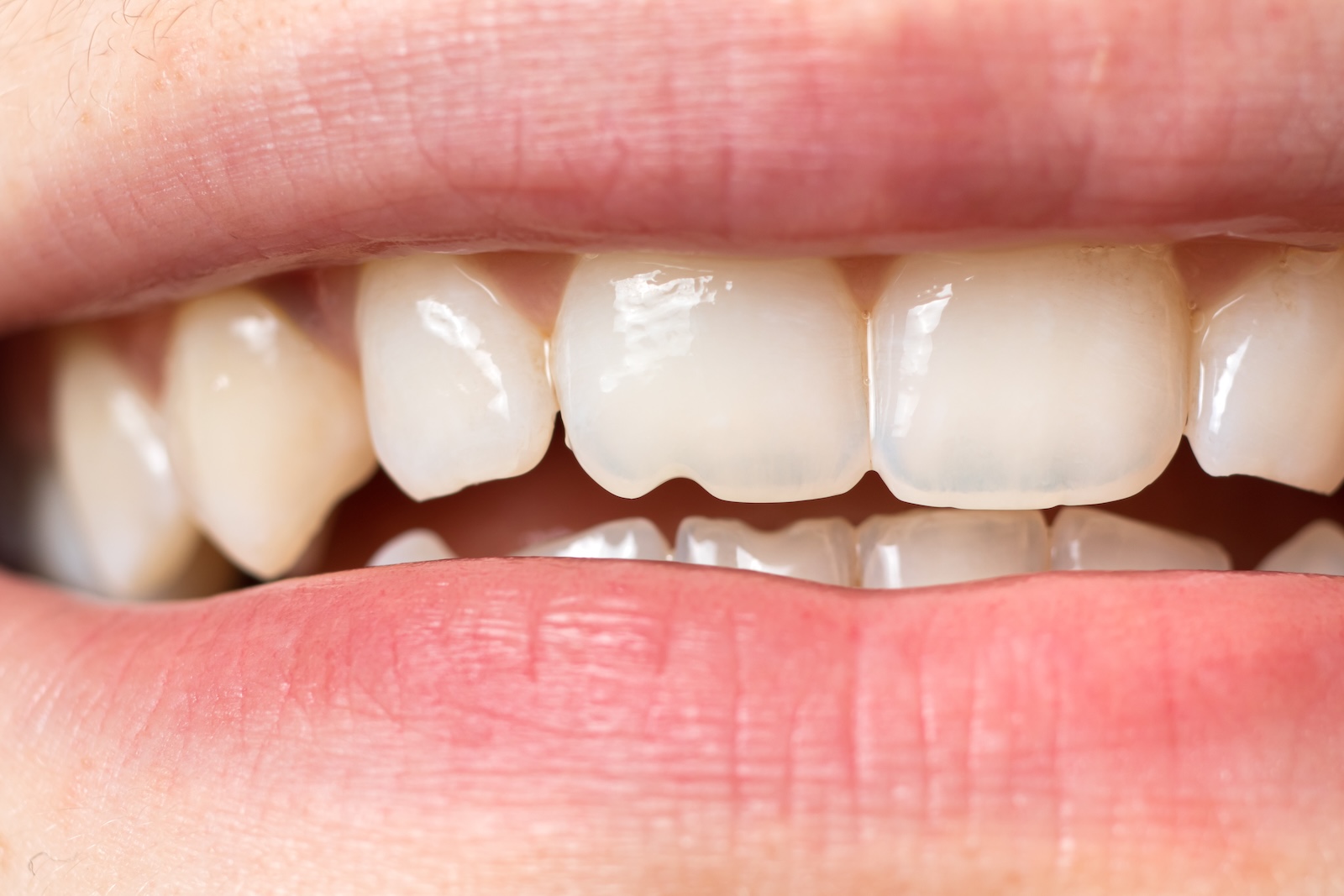
The moment a tooth chips, a cascade of events begins. The exposed dentin, the layer beneath the enamel, can be sensitive to temperature and pressure. If the chip is significant, the pulp, containing nerves and blood vessels, could be compromised, leading to pain and potential infection. Historically, diagnosis relied heavily on visual inspection and the patient’s subjective report of symptoms. However, contemporary dental practices are increasingly augmented by advanced diagnostic technologies that provide a more comprehensive and precise understanding of the extent of the damage.
Advanced Imaging: Beyond the X-ray
While traditional dental X-rays remain a cornerstone of diagnosis, they primarily reveal issues within the tooth’s internal structure and bone. To assess the surface and subsurface integrity of a chipped tooth, dentists now utilize a range of advanced imaging techniques.
Cone-Beam Computed Tomography (CBCT)
CBCT scanners generate detailed 3D images of the teeth, bone, and soft tissues. For a chipped tooth, CBCT can reveal hairline fractures that might not be visible on a 2D radiograph, assess the depth of the chip, and determine if the fracture extends into the root. This volumetric data allows dentists to plan treatments with unprecedented accuracy, understanding the exact nature and extent of the damage before any intervention. This technology is particularly valuable when a chip is suspected but not visually obvious, or when there’s concern about underlying structural compromise.
Intraoral Cameras and Digital Photography
High-resolution intraoral cameras provide magnified, real-time images of the tooth’s surface, allowing both the dentist and the patient to clearly see the chipped area. These images can be stored, shared, and used for comparative analysis over time. Digital photography, often combined with specialized lighting, captures detailed images that aid in treatment planning, particularly for cosmetic restorations, ensuring a seamless blend with the surrounding natural tooth structure.
Digital Impressions and 3D Scanning
In the past, creating molds for dental restorations involved messy impression materials. Today, digital intraoral scanners are transforming this process. These handheld devices capture precise 3D digital impressions of the teeth, including the chipped area. These digital models are highly accurate and can be manipulated on screen, allowing for virtual design of crowns, veneers, or fillings. This technology not only improves patient comfort by eliminating the need for physical impressions but also streamlines the workflow from diagnosis to fabrication.
Technological Approaches to Tooth Repair and Restoration
Once a chipped tooth is diagnosed, the treatment strategy hinges on the severity of the damage. Fortunately, modern dentistry offers a spectrum of technologically advanced solutions, ranging from simple, minimally invasive repairs to complex restorative procedures. The goal is always to restore the tooth’s form, function, and aesthetic integrity, while also protecting it from further damage and infection.
Minimally Invasive Techniques with Advanced Materials
For minor chips where only a small piece of enamel is lost, conservative treatments are often sufficient. The development of advanced composite resins has revolutionized these repairs.
Smart Composites and Bonding Agents
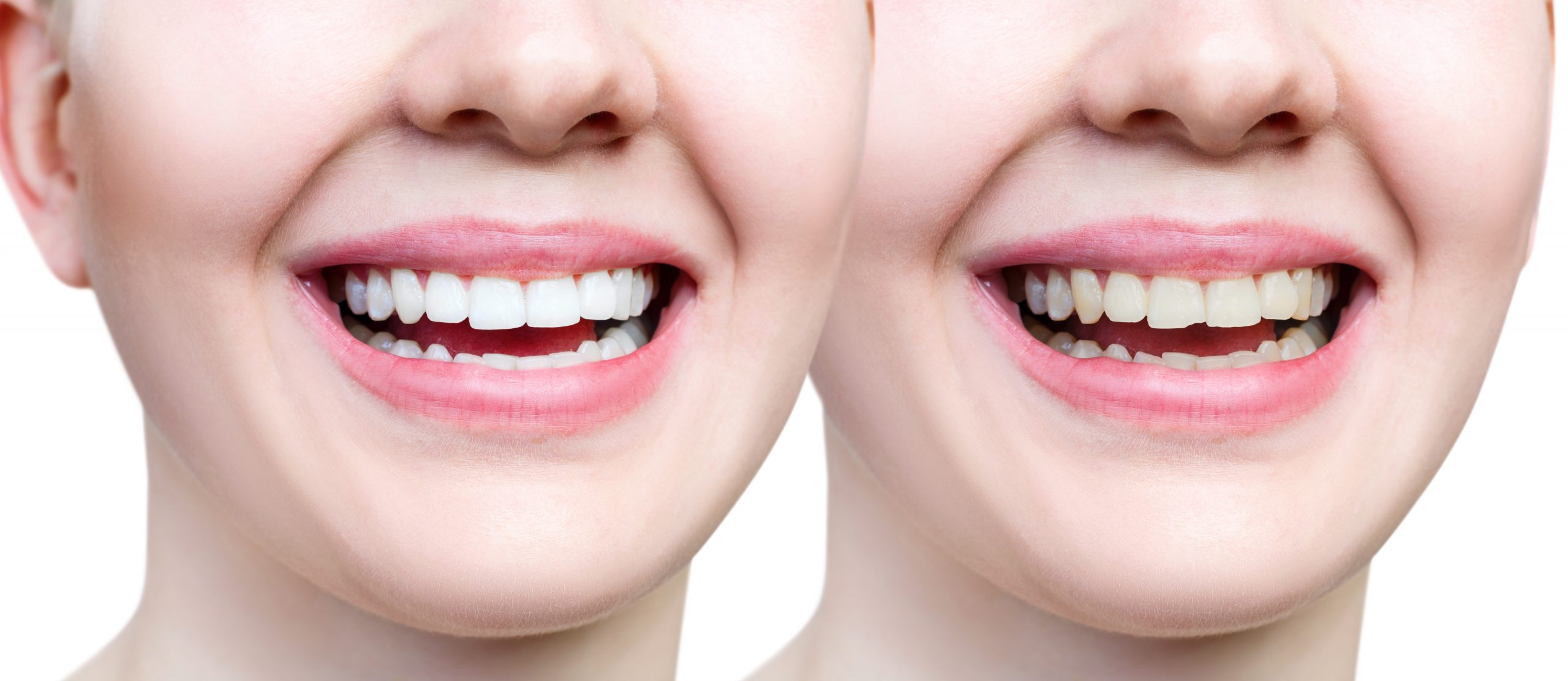
Modern dental composites are sophisticated materials that mimic the natural shade, translucency, and strength of enamel. They are bonded to the tooth structure using advanced adhesive systems that create a strong, durable bond. The application process is precise, with dentists using specialized curing lights (often LED or high-intensity halogen lights) that initiate a chemical reaction, hardening the composite material. Some newer composites incorporate features like self-etching primers, simplifying the bonding process and reducing the risk of post-operative sensitivity. The ability to layer these materials with precision allows for the replication of natural tooth contours and surface texture.
Digital Smile Design and CAD/CAM Technology
For more significant chips, or when the aesthetic impact is considerable, digital technologies play a crucial role in planning and executing restorations like veneers and crowns.
Computer-Aided Design (CAD) and Computer-Aided Manufacturing (CAM)
The CAD/CAM process begins with the digital impression mentioned earlier. This 3D model is then used in design software where dentists or dental technicians can virtually sculpt the ideal restoration – be it a veneer or a crown. This software allows for precise measurements, shape adjustments, and shade matching, often in collaboration with the patient via digital visualization. Once the design is finalized, it’s sent to a CAM unit, typically a milling machine, which precisely carves the restoration from a block of ceramic or composite material. This digital workflow ensures a highly accurate and aesthetically pleasing outcome, often completed in a single appointment with same-day crowns.
Advanced Materials for Restorations
The materials used in dental restorations have also seen significant technological advancements, offering greater durability, biocompatibility, and aesthetic appeal.
Zirconia and High-Strength Ceramics
Zirconia, a ceramic material known for its exceptional strength and biocompatibility, has become a popular choice for crowns and bridges. Its robust nature makes it ideal for posterior teeth that experience significant chewing forces. Modern advancements in zirconia milling allow for the creation of highly aesthetic, tooth-colored restorations that are virtually indistinguishable from natural teeth, yet incredibly strong. Other advanced ceramics, like lithium disilicate, offer a beautiful translucency and are often used for veneers and anterior crowns where aesthetics are paramount. The development of these materials, coupled with precise digital fabrication, means that even extensive tooth damage can be restored with long-lasting, natural-looking results.
Preventing Future Dental Chips with Technology
While technology offers remarkable solutions for repairing chipped teeth, the ultimate goal of dental care is prevention. Innovative technologies are also emerging in the realm of preventative dentistry, aiming to identify and mitigate risks before a chip even occurs.
Predictive Analytics and Risk Assessment
The vast amounts of data collected from digital dental records, including imaging and patient history, are beginning to be analyzed using AI and machine learning algorithms. These technologies can help identify individuals at higher risk of dental fractures due to factors like bruxism (teeth grinding), a history of previous damage, or specific enamel weaknesses. By flagging these risks early, dentists can implement targeted preventative strategies.
Smart Mouthguards and Wearable Devices
For individuals who suffer from bruxism, technologically advanced mouthguards are available. These devices can be custom-fitted using 3D scanning and can incorporate sensors to monitor the intensity and duration of teeth grinding. Some smart mouthguards can even provide biofeedback to the wearer, helping them to consciously reduce the habit. While still an emerging field, the integration of wearable technology into dental care holds promise for proactive management of oral health issues that can lead to tooth chipping.
Advanced Dental Materials for Enhanced Durability
Ongoing research and development in dental biomaterials are focused on creating substances that not only mimic natural teeth but also offer enhanced resilience. Nanotechnology is being explored to create stronger, more wear-resistant restorative materials and even dental sealants that can better protect vulnerable enamel surfaces. The future may see us applying preventative coatings or materials that significantly reduce the likelihood of enamel fracture.
In conclusion, a chipped tooth, while a common occurrence, is addressed with an ever-increasing arsenal of technological solutions in modern dentistry. From sophisticated imaging that precisely diagnoses the damage to CAD/CAM systems that fabricate flawless restorations and emerging technologies that focus on prevention, the dental field is continuously evolving. Understanding these advancements empowers individuals to seek the most effective and efficient treatments, ensuring that a chipped tooth is a temporary setback, not a permanent detriment to their oral health and confidence. The integration of technology is not just about repairing damage; it’s about revolutionizing the entire patient experience, making dental care more precise, less invasive, and ultimately, more successful.
aViewFromTheCave is a participant in the Amazon Services LLC Associates Program, an affiliate advertising program designed to provide a means for sites to earn advertising fees by advertising and linking to Amazon.com. Amazon, the Amazon logo, AmazonSupply, and the AmazonSupply logo are trademarks of Amazon.com, Inc. or its affiliates. As an Amazon Associate we earn affiliate commissions from qualifying purchases.