
The sudden loss of a vehicle through repossession can be one of the most jarring and financially devastating experiences for any individual. It’s a stark reminder of the often-harsh realities of debt and the power of creditors. Far more than just losing a mode of transport, repossession sets off a cascade of financial consequences that can impact your credit, future borrowing ability, and overall financial well-being for years to come. Understanding precisely what happens, your rights, and the steps you can take is crucial, whether you’re facing this predicament or striving to prevent it. This article delves into the intricate financial and legal aftermath of car repossession, offering insights into navigating the challenging road ahead.
The Immediate Aftermath: What to Expect Post-Repossession
When your car is repossessed, the immediate shock can be overwhelming. However, understanding the process that unfolds right after the vehicle is taken can help you navigate the initial steps more effectively and protect any remaining interests you might have.
Notification and Vehicle Retrieval
Repossession can happen without prior warning in many states, often executed by a repossession agent contracted by your lender. They can typically take your car from public property or, in some cases, your driveway, without needing to enter a secured garage or other private structures. Once the vehicle is gone, the lender is legally obligated to send you a notice. This “Notice of Intent to Sell” or “Notice of Our Plan to Sell Property” will inform you that your car has been repossessed and will detail the lender’s plans for selling it. It will also typically provide information about any rights you may have to retrieve the vehicle before it’s sold, often referred to as your right of redemption or reinstatement.
A critical aspect of repossession is the handling of personal belongings. While the lender has the right to repossess the car, they do not have the right to keep your personal property found inside it. Most lenders or repossession companies will attempt to notify you to arrange for the pickup of your personal items. It’s essential to act quickly to retrieve these items, as some lenders may charge storage fees, and unclaimed property might eventually be disposed of. Documenting the contents of your car before it’s repossessed (if you have warning) or immediately afterward can be helpful in ensuring all your belongings are returned.
Understanding Your Rights and Lender Obligations
Despite the lender’s right to repossess, you still have rights under consumer protection laws. The Uniform Commercial Code (UCC), adopted in most states, governs secured transactions, including car loans. It dictates that the repossession must be conducted without a “breach of the peace,” meaning the repossessor cannot use threats, violence, or enter your home without permission. If a breach of peace occurs during repossession, you might have a legal defense.
Furthermore, the lender has specific obligations once they take possession of your car. They must send you the aforementioned notice of intent to sell, which includes details about the proposed sale (public or private), the date after which a private sale will occur, and your right to redeem the vehicle. The sale itself must be conducted in a “commercially reasonable manner.” This means the lender must make a genuine effort to sell the car for a fair market value, not just liquidate it at a rock-bottom price. If the sale is not commercially reasonable, you might be able to dispute the amount of any deficiency balance the lender claims. It’s advisable to seek legal counsel specializing in consumer law to understand the full scope of your rights and the lender’s obligations in your specific state.
The Financial Ripple Effects: Impact on Your Wallet and Future
The aftermath of a car repossession extends far beyond the immediate inconvenience of losing your vehicle. It creates significant and lasting financial repercussions that can derail your financial stability and future borrowing capacity.
Deficiency Balances and Their Ramifications
One of the most insidious consequences of repossession is the “deficiency balance.” This occurs when the amount the lender receives from selling your repossessed car is less than the outstanding balance on your loan, plus the costs associated with the repossession and sale (e.g., towing, storage, auction fees, attorney fees). For example, if you owed $15,000, and the car sold for $10,000, but repossession and sale costs amounted to $2,000, you would still owe the lender $7,000.
Lenders are legally entitled to pursue this deficiency balance from you. They can do this through collection agencies, which will relentlessly contact you, or by filing a lawsuit. If they win a judgment against you, they can potentially garnish your wages, levy your bank accounts, or place liens on other property, depending on state laws. It’s crucial to understand that even after losing the car, your financial obligation to the lender may not be over. Negotiating a settlement for a lower amount or entering a payment plan with the lender or collection agency is often possible, but it requires proactive engagement.
Credit Score Devastation
A repossession is one of the most damaging entries that can appear on your credit report. It signals to future creditors that you failed to uphold a significant financial obligation. A repossession typically remains on your credit report for seven years from the date of the first missed payment that led to the repossession. During this period, your credit score will likely plummet, often by 100 points or more.
This drastically impaired credit score will have far-reaching consequences. Obtaining new credit—whether for a mortgage, another car loan, personal loan, or even credit cards—will become exceedingly difficult. If approved, you will likely be offered loans with significantly higher interest rates, more stringent terms, and potentially require a large down payment or a co-signer. Some landlords also check credit reports, meaning a repossession could even impact your ability to rent a home or apartment. The long-term impact on your financial options cannot be overstated.
Avoiding Future Financial Pitfalls
The experience of repossession can make lenders view you as a high-risk borrower for years. This perception can lead to a cycle of expensive borrowing. Beyond higher interest rates, you might also face increased insurance premiums, as some auto insurance companies correlate poor credit with a higher likelihood of filing claims. Securing affordable transportation becomes a major hurdle, potentially trapping individuals in a cycle of relying on public transport or expensive short-term rentals. Rebuilding your financial reputation after repossession requires meticulous attention to your credit report, consistent on-time payments for all other obligations, and a strategic approach to managing any outstanding deficiency balances.
Navigating the Recovery: Steps to Take and Options to Consider
While repossession is a severe setback, it’s not the end of your financial journey. There are specific avenues and strategies you can explore to mitigate the damage and begin rebuilding your financial future.
Exploring Redemption and Reinstatement
After your car is repossessed, you typically have two primary options, though their availability and terms depend on state law and your loan agreement:
-
Redemption: This is your right to pay the full outstanding balance of your loan, plus all repossession-related fees and costs, before the car is sold. If you can gather the necessary funds, redemption allows you to get your car back. It’s often an expensive option, but it prevents the car from being sold and a deficiency balance from being created.
-
Reinstatement: Some states and loan agreements allow you to “reinstate” the loan. This means you pay only the past-due payments, along with repossession fees and costs, and then resume your regular monthly payments. If successful, you get your car back and continue with your original loan terms. Reinstatement is usually less expensive than redemption but might not be available if your loan contract included specific clauses allowing the lender to accelerate the entire loan upon default.
Always check the repossession notice you receive for specific details about your rights to redeem or reinstate. Time is usually of the essence, as these rights expire once the car is sold.
Negotiating with Your Lender
Even if redemption or reinstatement isn’t feasible, you still have an opportunity to negotiate with your lender or the collection agency pursuing the deficiency balance. Ignoring the problem will only worsen it.
-
Settlement: You can try to negotiate a settlement for a lower amount than the full deficiency balance. Lenders sometimes agree to accept a lump sum payment that is less than the full amount owed, especially if they believe it’s unlikely they’ll recover the full amount through litigation.
-
Payment Plan: If a lump sum isn’t possible, propose a manageable payment plan for the deficiency balance. Making consistent payments, even small ones, is better than defaulting completely and facing a lawsuit.
-
Seeking Legal Counsel: An attorney specializing in consumer debt can be an invaluable asset. They can review your case for any legal violations during repossession or sale, negotiate with the lender on your behalf, and advise you on the best course of action to protect your interests.
Understanding Bankruptcy as a Last Resort
For some individuals facing overwhelming debt, including a substantial deficiency balance from repossession, bankruptcy might be a viable last resort.
-
Chapter 7 Bankruptcy: This type of bankruptcy can discharge (eliminate) unsecured debts, which often include the deficiency balance from a repossessed car. While it provides a fresh start, it also involves liquidating certain assets and has a significant negative impact on your credit for up to 10 years.
-
Chapter 13 Bankruptcy: This involves creating a repayment plan over 3 to 5 years. While it doesn’t discharge the debt immediately, it can allow you to pay back the deficiency balance (and other debts) under court protection, often at a reduced rate or with a more manageable payment schedule. If the car was taken before you filed for Chapter 13, you generally cannot get it back through the bankruptcy process.
Bankruptcy is a complex legal process with serious consequences and should only be considered after consulting with a qualified bankruptcy attorney who can assess your specific financial situation and advise on the best path forward.
Preventing Repossession: Proactive Financial Management
The best way to deal with repossession is to avoid it altogether. Proactive financial management and early intervention can save you from the severe consequences discussed above.
Recognizing Early Warning Signs
The first step in prevention is recognizing when you’re headed for trouble. If you find yourself consistently:
-
Struggling to make car payments: This is the most obvious sign. If you’re regularly dipping into savings or using credit cards to cover your car payment, your budget is strained.
-
Receiving late notices: Your lender will begin sending notices and making calls if payments are missed. Do not ignore these communications.
-
Experiencing a significant change in income: Job loss, reduced hours, or an unexpected major expense can quickly put you in a precarious position.
-
Prioritizing other debts over your car payment: While it’s tempting to pay for essentials, remember that a car is often tied to your ability to work and maintain income.
Strategies to Avert Repossession
If you recognize these warning signs, take immediate action:
-
Communicate with Your Lender: As soon as you anticipate missing a payment, contact your lender. They may be willing to work with you by offering a temporary deferment, a modified payment plan, or allowing you to skip a payment and add it to the end of the loan. Open communication is key; lenders are often more willing to help if you reach out before defaulting.
-
Refinance Your Loan: If you have good credit and interest rates have dropped, refinancing for a lower interest rate or a longer loan term could reduce your monthly payments, making them more manageable. Be cautious about extending the loan term too much, as you might pay more in interest over the life of the loan.
-
Loan Modification: Similar to refinancing, a loan modification changes the original terms of your loan to make payments more affordable. This might involve reducing the interest rate, extending the term, or a combination of both.
-
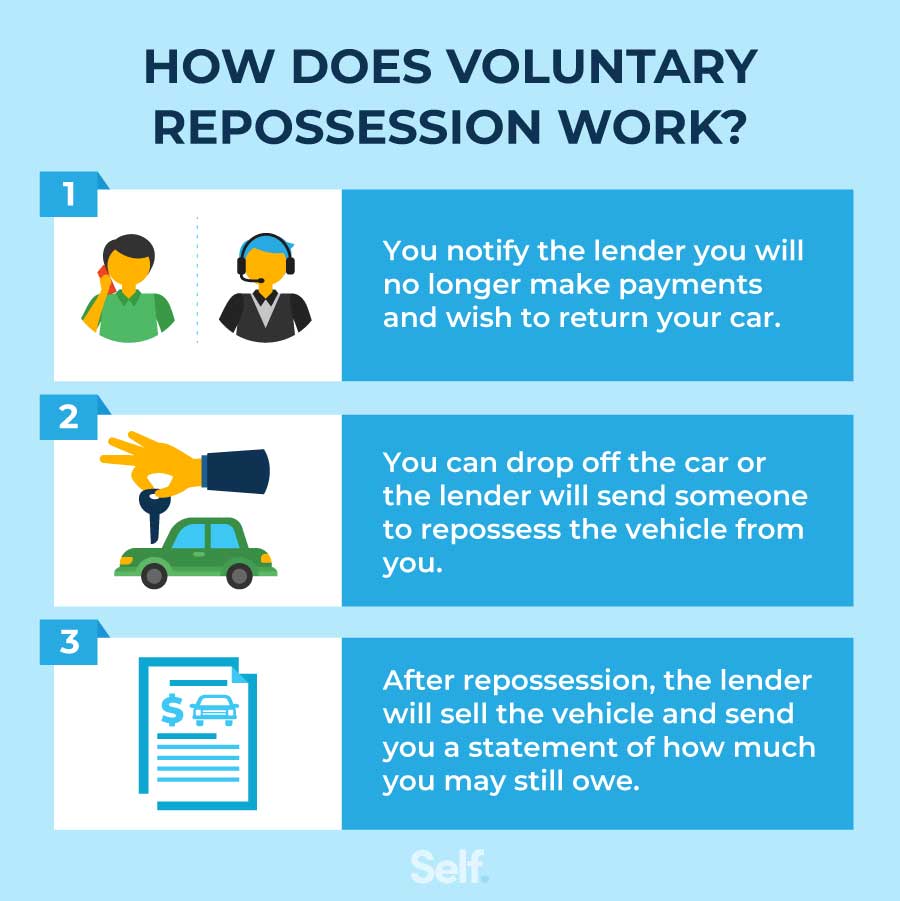
Voluntary Repossession: If you know you cannot afford the car and have no other options, you can consider a “voluntary repossession.” This means you return the car to the lender yourself. While it still impacts your credit and you will likely still owe a deficiency balance, it might reduce some repossession fees and demonstrate to the lender that you are acting responsibly.
-
Sell the Car: If your car’s value is close to or greater than your loan balance, selling it yourself (either privately or trading it in) can be a better option than repossession. You can use the proceeds to pay off the loan, avoiding the negative credit impact. If you owe more than the car is worth, you might have to pay the difference, but it’s still often better than a forced sale by the lender.
-
Debt Consolidation: If you have multiple high-interest debts, consolidating them into a single, lower-interest loan or a debt management plan could free up funds to cover your car payment.

Building a Strong Financial Safety Net
The most effective long-term prevention strategy is robust financial planning:
-
Emergency Fund: Build an emergency fund covering 3-6 months of essential living expenses. This fund can be a lifesaver during unexpected job loss or medical emergencies, allowing you to continue making crucial payments like your car loan.
-
Understand Loan Terms: Before signing any loan agreement, thoroughly understand the terms, including the interest rate, payment schedule, fees, and what constitutes a default.
-
Budgeting and Tracking Expenses: Maintain a detailed budget to ensure your car payment and other essential expenses fit comfortably within your income. Regularly review your spending to identify areas where you can save.
Car repossession is a severe financial event with lasting consequences. However, by understanding the process, knowing your rights, and proactively engaging in financial management, you can either mitigate its impact or prevent it from happening in the first place. Prioritizing financial health and responsible debt management is paramount to avoiding this challenging experience.
aViewFromTheCave is a participant in the Amazon Services LLC Associates Program, an affiliate advertising program designed to provide a means for sites to earn advertising fees by advertising and linking to Amazon.com. Amazon, the Amazon logo, AmazonSupply, and the AmazonSupply logo are trademarks of Amazon.com, Inc. or its affiliates. As an Amazon Associate we earn affiliate commissions from qualifying purchases.