
The human brain is often described as the most complex computer in existence, a biological processor capable of trillions of operations per second with unparalleled energy efficiency. Within this architecture, the temporal lobe acts as the primary hub for sensory integration, language comprehension, and long-term memory storage. In technical terms, it is the brain’s high-capacity hard drive and its most sophisticated audio-visual signal processor.
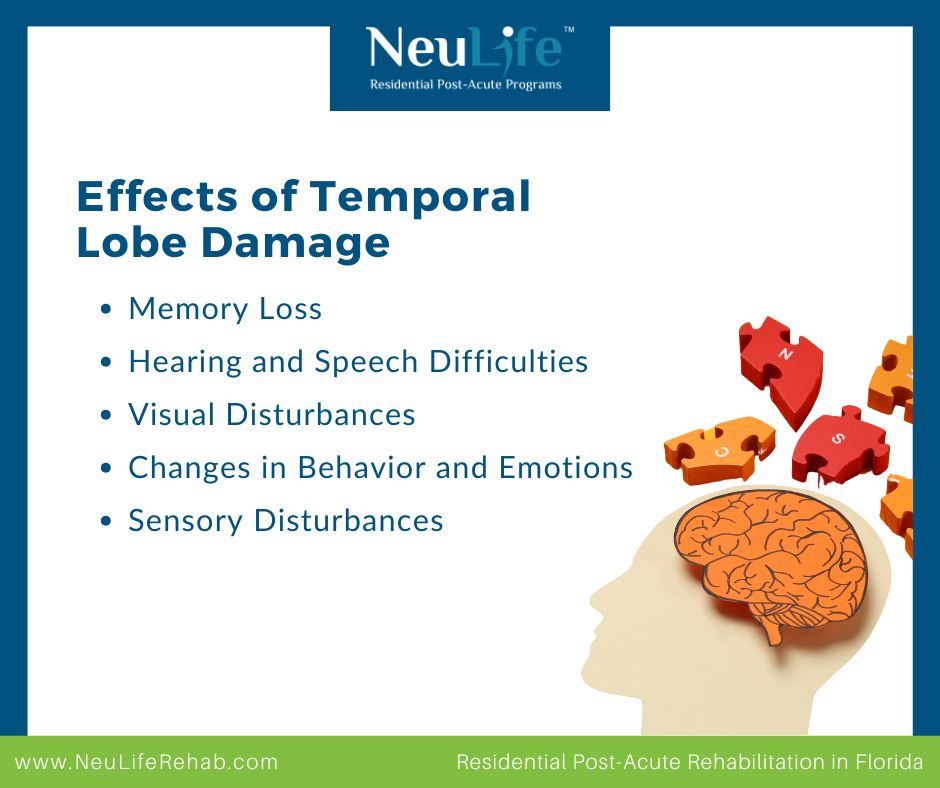
When the temporal lobe is damaged—whether through trauma, stroke, or neurodegenerative decay—the “system” experiences catastrophic failures in data retrieval and signal interpretation. However, we are entering an era where the boundary between neurology and technology is blurring. Today, the question of “what happens if the temporal lobe is damaged” is no longer just a medical inquiry; it is a challenge for the next generation of neurotech innovators, software engineers, and AI researchers.
1. Decoding the Biological Hardware: The Temporal Lobe’s Processing Architecture
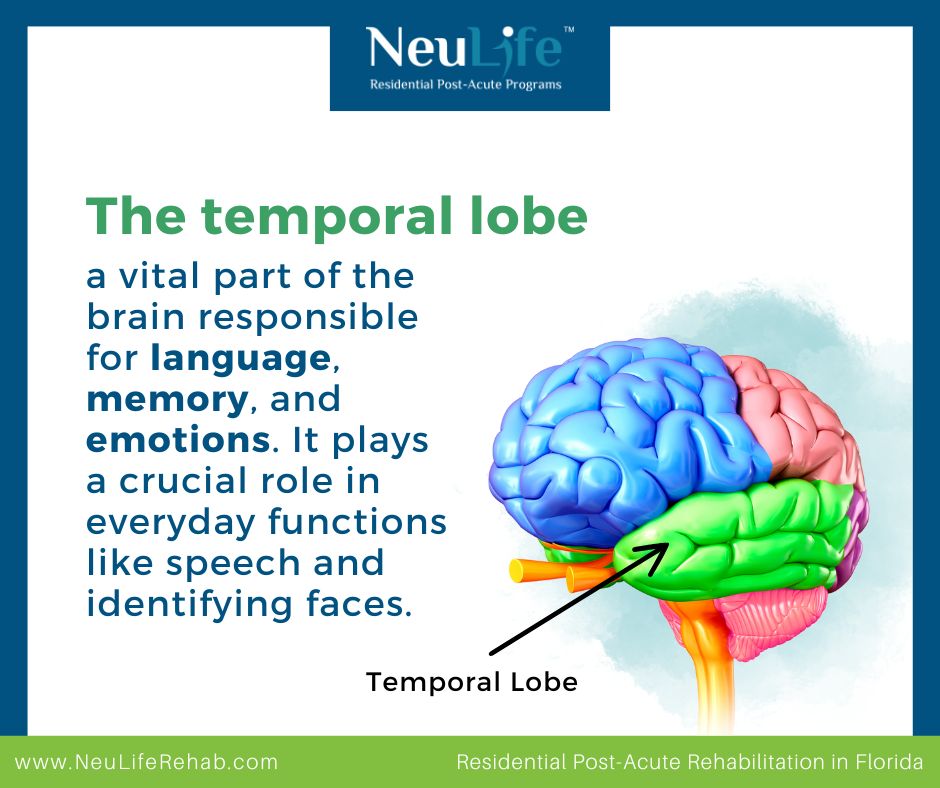
To understand the technological interventions required to treat temporal lobe damage, we must first map its biological functions using the language of systems engineering. The temporal lobe is located beneath the lateral fissure on both cerebral hemispheres and functions as the primary “input/output” controller for several critical human applications.
Auditory Processing and Signal Transduction
The superior temporal gyrus contains the primary auditory cortex. In a tech context, this is the brain’s sound card. It receives raw electrical signals from the cochlea and processes them into recognizable patterns. When this area is compromised, the “hardware” remains intact (the ears still hear), but the “software” fails to decode the data. This leads to central auditory processing disorders where the subject can hear sounds but cannot distinguish speech from background noise—a massive failure in signal-to-noise ratio (SNR) management.
The Storage Architecture: Memory and Information Retrieval
Located within the medial temporal lobe is the hippocampus, the biological equivalent of a Write-Once-Read-Many (WORM) storage system that eventually transitions data into long-term architecture. Damage here results in anterograde amnesia—the inability to create new “save files.” From a data management perspective, the system loses its ability to commit cache to the permanent disk, leaving the user stuck in a loop of volatile, short-term memory that clears every few minutes.
High-Level Visual Recognition Algorithms
The ventral stream, or the “what pathway,” runs through the temporal lobe. This is the brain’s object-recognition algorithm. It allows humans to identify faces, tools, and symbols. Damage to this area results in prosopagnosia (face blindness) or visual agnosia. The “camera” is working, but the image recognition software is corrupted, rendering the user unable to identify objects despite seeing them clearly.
2. System Failure: The Technical Consequences of Temporal Lobe Lesions
When the temporal lobe experiences a “system crash” due to physical damage, the resulting malfunctions provide a blueprint for where technology must step in to provide redundancy or bypasses.
Semantic Aphasia and Data Corruption in Communication
Wernicke’s area, typically located in the left temporal lobe, is the processing center for language comprehension. Damage here leads to Wernicke’s aphasia, often called “word salad.” Technically, this is a failure in the semantic encoding layer. The output remains fluent in terms of syntax, but the data packets are corrupted, conveying no meaning. For tech developers, this highlights the need for AI-driven Natural Language Processing (NLP) tools that can “translate” or “repair” fragmented human thought into coherent communication.
Emotional Signal Processing and Amygdala Dysregulation
The temporal lobe houses the amygdala, which functions as the brain’s emotional “threat detection” firewall. Damage to this region can lead to Klüver-Bucy syndrome, characterized by a lack of fear and hyper-reactivity to stimuli. This is essentially a failure in the brain’s executive filtering system. Without this biological firewall, the system is overwhelmed by input, unable to prioritize which signals require an emotional or survival-based response.
Chronic Latency and Retrieval Errors
Even minor damage can result in “tip-of-the-tongue” states or increased latency in cognitive processing. In a digital environment, we would call this “disk fragmentation.” The information exists within the neural network, but the pathways required to access that data have been severed or obstructed, leading to high latency in speech and decision-making.
3. Emerging Tech Solutions: BCI and Neural Prosthetics
As we identify the specific failures caused by temporal lobe damage, the technology sector is responding with hardware and software solutions designed to bridge these gaps. Neural Engineering is no longer science fiction; it is a burgeoning market focused on “neural bypass” technology.
Hippocampal Prosthetics: Restoring Memory via Silicon Chips
One of the most ambitious projects in neurotech is the development of a hippocampal prosthesis. Researchers are working on silicon chips that mimic the signal-processing capabilities of the hippocampus. When the biological component is damaged, these chips can potentially receive the electrical signals from the brain’s input centers, process them using bio-mimetic algorithms, and then transmit them to the long-term storage areas in the cortex. This is essentially an “external hard drive” for the human soul.
AI-Driven Speech Synthesis and NLP Overlays
For those suffering from Wernicke’s aphasia, technology is moving toward real-time “thought-to-speech” translation. Using non-invasive or semi-invasive Brain-Computer Interfaces (BCIs), we can now intercept neural firing patterns before they reach the damaged temporal centers. Advanced AI models, trained on the user’s pre-injury speech patterns, can predict intended meanings and output them through digital synthesizers, effectively bypassing the damaged biological language processor.
Augmented Reality (AR) as a Visual Recognition Patch
To combat visual agnosia and prosopagnosia caused by temporal lobe lesions, AR wearables are being developed to act as a secondary recognition layer. Using computer vision and facial recognition software, an AR headset can identify a person in the user’s field of vision and display their name and relationship in a heads-up display (HUD). This uses “Edge Computing” to replace a failed biological recognition algorithm with a digital one.
4. The Future of Digital Immortality and Neural Backups
Looking toward the horizon of the next two decades, the tech industry is contemplating the ultimate solution to temporal lobe damage: the “Neural Backup.” If the temporal lobe is the seat of our identity and memory, protecting that data is the highest priority for digital security.
Cloud-Based Cognitive Redundancy
The concept of “Whole Brain Emulation” or “Neural Uploading” suggests a future where the data stored in our temporal lobes can be mirrored in a secure cloud environment. In the event of biological damage—such as a stroke or traumatic brain injury—the user could access their “backup” via a BCI. This would allow for a seamless restoration of semantic knowledge and personal history, treating brain damage as a hardware failure that can be resolved by downloading a previous “system state.”
Ethical Implications of Neural Overwriting
As with any disruptive technology, the ability to repair or replace temporal lobe functions brings significant digital security and ethical concerns. If we can “write” memories to a silicon hippocampus to replace lost ones, what prevents the unauthorized “injection” of data? The field of Neuro-Security is emerging to address the potential for “brain hacking,” where the very technology meant to heal temporal lobe damage could be used to alter a person’s identity or expertise.

Conclusion: From Biological Fragility to Technological Resilience
Damage to the temporal lobe currently represents a devastating loss of human function, stripping away the ability to communicate, remember, and recognize. However, through the lens of technology, we see these not as permanent tragedies, but as “bugs” and “hardware failures” that can be debugged and patched.
As BCI technology matures and AI becomes more integrated with our biological systems, the “what happens” of temporal lobe damage will shift from a prognosis of disability to a technical requirement for a hardware upgrade. We are moving toward a future where our memories and language are no longer tethered to the fragile cells of the temporal lobe, but are supported by a resilient infrastructure of silicon and code. The integration of neurotech and human biology promises a new era of cognitive persistence, where the “system” can always be restored.
aViewFromTheCave is a participant in the Amazon Services LLC Associates Program, an affiliate advertising program designed to provide a means for sites to earn advertising fees by advertising and linking to Amazon.com. Amazon, the Amazon logo, AmazonSupply, and the AmazonSupply logo are trademarks of Amazon.com, Inc. or its affiliates. As an Amazon Associate we earn affiliate commissions from qualifying purchases.