
The “BCC” field in an email client is a seemingly innocuous feature, often utilized for its promise of discretion and privacy. Short for “Blind Carbon Copy,” it’s designed to allow senders to include recipients whose email addresses remain hidden from all other recipients. On the surface, it’s a powerful tool for managing large mailing lists, respecting individual privacy, or discreetly looping in stakeholders without cluttering the main conversation thread. Yet, this very shield of anonymity can become a source of digital chaos, confusion, and even significant reputational damage when its fundamental mechanism is misunderstood, particularly in conjunction with the pervasive “Reply All” function.

The scenario is a common one: an email is sent to a primary recipient (To) or a visible group (CC), with others discreetly added to the BCC field. Then, one of the BCC recipients, perhaps out of habit or lack of awareness, hits “Reply All.” What ensues is not necessarily a mass exposure of all hidden addresses – that’s a common misconception – but rather a peculiar digital misstep that can still compromise privacy, disrupt professional communication, and cast a shadow over personal and corporate brands. Understanding the precise mechanics of this interaction, and the far-reaching consequences across technology, branding, and even financial realms, is crucial for anyone navigating the complexities of modern digital communication.
The Mechanics of the Email Mix-Up: Deconstructing the “Reply All” Flaw
To truly grasp the implications of a BCC recipient hitting “Reply All,” one must first understand the underlying technical architecture of email and the distinct roles of the To, CC, and BCC fields. It’s not just about what appears on screen, but what data is actually transmitted and processed by email servers and clients.
Understanding BCC: The Cloak of Digital Secrecy
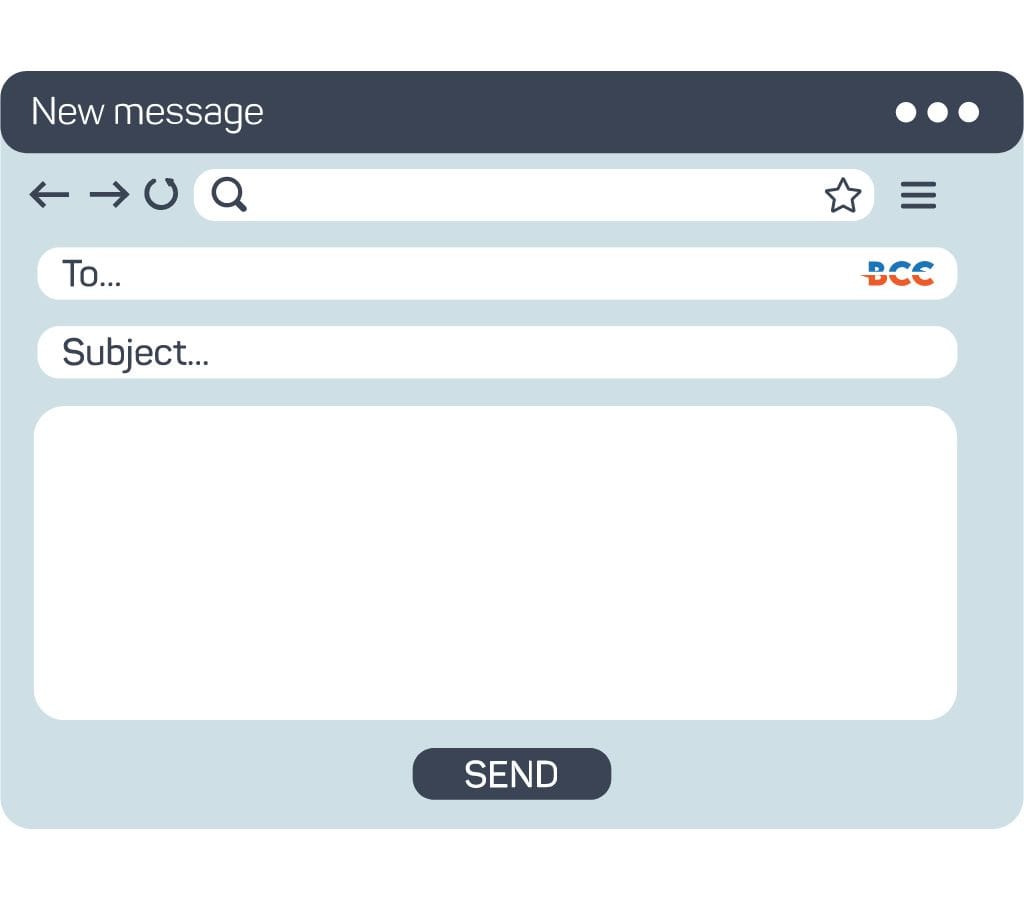
The “Blind Carbon Copy” field is purpose-built for privacy. When an email is sent, the addresses in the “To” and “CC” fields are included in the email’s header, making them visible to all recipients. Anyone receiving the email can see who else was explicitly addressed in these fields. However, the addresses placed in the “BCC” field are treated differently. Before the email is delivered to any recipient, the email server typically strips out the BCC addresses from the header information that accompanies the message.
This technical design means that when a BCC recipient receives an email, their email client (e.g., Outlook, Gmail, Apple Mail) only sees their own address, the sender’s address, and any addresses that were listed in the “To” and “CC” fields. Critically, it does not receive a list of the other BCC recipients. This is the core principle behind its privacy function: each BCC recipient effectively receives an individual copy of the email, blind to any other BCC recipients. Common uses for BCC include sending a mass email to a mailing list while protecting individual subscriber privacy, discreetly introducing a new contact to an existing conversation by looping them in without revealing their address to the primary parties, or keeping certain stakeholders informed without them becoming part of the visible thread. This digital security feature is fundamental for respecting privacy and maintaining organized communications, particularly in a business context.
The “Reply All” Trap: Why It Fails with BCC
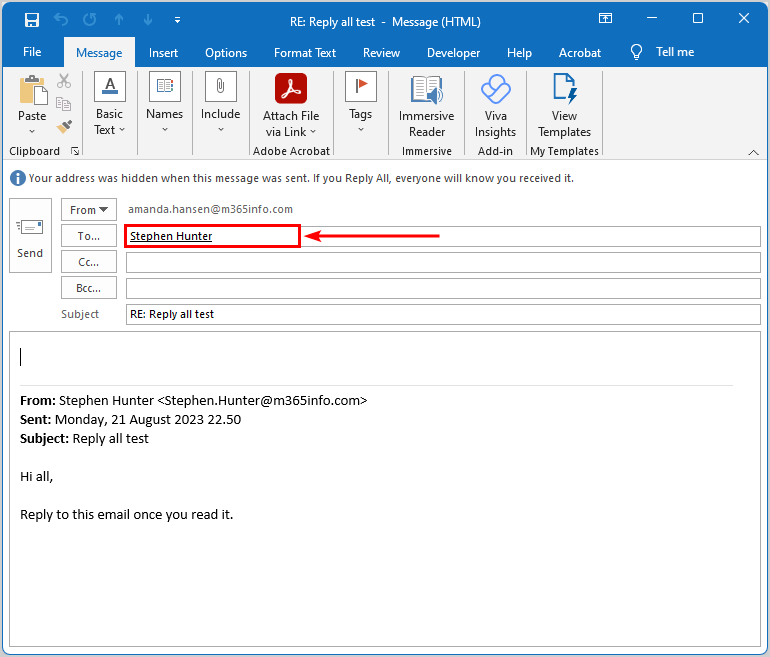
The “Reply All” function is designed to send a response to the original sender and all visible recipients from the received email. This is where the crucial distinction lies: “visible recipients” means those whose addresses were present in the “To” and “CC” fields of the email as it was received by the responder. Since the BCC recipient’s email client never received the list of other BCC recipients, their “Reply All” button cannot possibly include them.
Therefore, when a BCC recipient hits “Reply All,” their response is directed to:
- The original sender.
- Anyone who was listed in the “To” field of the original email.
- Anyone who was listed in the “CC” field of the original email.
It will not go to any other BCC recipients. The common misconception is that “Reply All” magically includes everyone who ever received the email, including hidden parties. However, the email client’s “Reply All” logic is based solely on the data available in the email header it received. This technical limitation means that the “Reply All” from a BCC recipient usually results in one of two less-than-ideal outcomes:
- Misdirected Message: The BCC recipient intends to send a private message to the sender, but instead, it goes to a wider, visible audience. This could be a simple “Thank you” or a question that exposes their presence in a conversation where they were meant to be discreet.
- Exposure of Presence: While other BCC recipients remain hidden, the BCC recipient themselves becomes visible to the original sender and all To/CC recipients. If the intent was for their presence to be completely unknown to the primary participants, this intent is immediately compromised.
This seemingly minor technical detail underscores the importance of understanding the digital tools we use. It highlights a common pitfall in digital security and personal productivity, where a small misunderstanding of software functionality can lead to significant communicative blunders.
The Unintended Fallout: Privacy Breaches and Reputational Damage
While the direct exposure of all BCC recipients is rare (as explained by the “Reply All” mechanism), the incident of a BCC recipient replying “All” still triggers a cascade of potential issues, primarily impacting privacy, personal branding, and corporate reputation. These aren’t just technical glitches; they are breakdowns in communication protocol with tangible consequences.
Exposing the “Hidden Hand”: When BCC Recipients Become Visible
The most immediate consequence of a BCC recipient hitting “Reply All” is the revelation of their own presence to the visible “To” and “CC” lists. If the intention of the BCC was for their involvement to be entirely discreet – for example, a legal counsel monitoring a client communication, a potential new hire observing an internal team discussion, or a third-party consultant being kept in the loop without direct engagement – that privacy is instantly shattered.
Consider these scenarios:
- Client Management: A sales manager BCCs an account executive on an email to a client, hoping to keep the AE informed without making them part of the direct communication yet. If the AE replies “All” to ask a question, the client now sees the AE’s email and realizes they were being “watched,” potentially feeling distrusted or that the communication wasn’t as direct as it seemed. This undermines transparency and trust, critical elements in client relationships.
- Recruitment: A recruiter BCCs several candidates on an email about interview logistics, intending to provide uniform information while keeping candidate identities separate. If one candidate replies “All” with a specific question (e.g., about salary expectations or a personal scheduling conflict), not only does the recruiter see it, but so do all the other visible recipients (if any), and potentially the hiring manager. This can lead to awkwardness, give away sensitive information, and create an unprofessional impression.
- Internal Communications: In a large company, a senior executive might BCC a team lead on an email to a broader departmental group. If the team lead replies “All” with an internal comment, it could expose internal disagreements, strategies, or simply their presence in a context where they were meant to be silently observing.
These situations highlight how a simple misunderstanding of email functionality can transform a discreet action into an embarrassing or compromising public statement, disrupting the delicate balance of digital communication and the implicit trust that underpins it.
The Brand and Professionalism Perspective
The impact of such an email blunder extends directly to an individual’s personal brand and an organization’s corporate identity and reputation. In today’s interconnected digital landscape, every interaction contributes to one’s perceived professionalism.
-
Personal Branding: For an individual, consistently making email errors like misusing “Reply All” in BCC situations can significantly tarnish their personal brand. It suggests a lack of attention to detail, a misunderstanding of fundamental digital etiquette, or a disregard for communication protocols. This can undermine credibility, particularly for those in roles requiring meticulous communication, client interaction, or strategic oversight. Recruiters, managers, and clients might view such incidents as red flags, indicating potential weaknesses in judgment or technical proficiency. In an era where digital presence is paramount for career advancement and professional networking, maintaining a sharp and competent online persona is non-negotiable.
-
Corporate Identity & Reputation: For businesses, the stakes are even higher. A misdirected “Reply All” from a BCC recipient can morph into a full-blown reputational crisis, affecting corporate identity and market standing.
- Confidential Information Leaks: If the BCC recipient’s reply contains sensitive internal discussions, proprietary information, or client data, it becomes a severe digital security breach. This isn’t just an etiquette lapse; it could be a violation of non-disclosure agreements or data privacy regulations, leading to legal action and significant financial penalties.
- Erosion of Trust: Clients, partners, or employees who discover they were BCC’d or whose private information was inadvertently shared might feel their trust in the organization is compromised. This erosion of trust can be incredibly difficult and expensive to rebuild, impacting future business relationships and customer loyalty.
- Marketing and PR Damage: If a widespread email marketing campaign goes awry due to a BCC “Reply All” incident, the public relations fallout can be substantial. Negative press, social media backlash, and a perception of incompetence can severely damage marketing efforts and brand perception, leading to a loss of customer confidence and market share.
- Case Studies: Imagine a law firm BCCing a junior associate on a sensitive client communication. If the associate accidentally replies “All” with a comment questioning the legal strategy, it not only reveals their presence but also internal discord, shaking the client’s confidence in the firm’s expertise and cohesion. Such incidents can quickly become damaging case studies in poor digital communication.
The repercussions underscore that email, despite its age as a technology, remains a critical vector for maintaining professionalism and safeguarding an organization’s most valuable assets: its information and its reputation.
Mitigation and Prevention: Digital Security and Productivity Strategies
Preventing the “Reply All” blunder from a BCC recipient is a shared responsibility, falling on both the original sender to set clear communication boundaries and the recipient to practice mindful digital etiquette. Embracing best practices and leveraging appropriate technology can significantly reduce the risk of such incidents, enhancing both digital security and overall productivity.
Best Practices for Senders: Architecting Email Privacy
The initial responsibility often lies with the sender, who orchestrates the email’s distribution. Proactive measures can mitigate the risks associated with BCC usage:
- Double-Check All Recipients: Before hitting “Send,” always take a moment to review the “To,” “CC,” and “BCC” fields. Ensure that each recipient is in the appropriate category and that their inclusion aligns with the intended level of visibility. This simple, habitual check is a cornerstone of digital security.
- Explicit Instructions for BCC Recipients: If you are using BCC to include individuals for informational purposes, consider adding a brief note within the email body. For example: “Please note, some recipients have been BCC’d for privacy. If you wish to reply, please use ‘Reply’ to address the sender only.” This clear guidance helps recipients avoid accidental “Reply All” actions.
- Segment Mailing Lists and Use Appropriate Tools: For mass communications (e.g., newsletters, marketing updates, large group announcements), using the BCC field in a standard email client is often an outdated and risky practice. Instead, leverage dedicated email marketing software or platforms (like Mailchimp, Constant Contact, HubSpot, or even internal corporate communication tools). These platforms are specifically designed to manage large recipient lists, ensure individual privacy, handle replies gracefully (often directing them only to the sender), and provide analytics. They are built with robust digital security features to prevent such missteps.
- Internal Policies and Training: Businesses should establish clear internal guidelines on when and how to use BCC. Regular training for employees on email etiquette, data privacy, and the responsible use of communication tools is essential. This contributes to a culture of informed digital productivity and reduces the likelihood of human error. Such training should be a core component of any organization’s digital security strategy.
Navigating the Inbox: Tips for Recipients and Tech Solutions
Recipients also play a critical role in preventing communication mishaps. Cultivating mindful email habits and leveraging existing tech features can make a significant difference.
- Pause and Ponder Before “Reply All”: This is perhaps the most crucial piece of advice. Before instinctively clicking “Reply All,” take a moment to consider:
- Who are the visible recipients of the original email?
- Is it truly necessary for everyone on that list to see my response?
- Does my message contain any information that should only be seen by the sender or a select few?
If there’s any doubt, default to “Reply” (to the sender only).
- Understand Your Role in the Communication: If you suspect you were BCC’d, or if the email context implies discretion, assume that any response you send should only go back to the sender. Never assume that “Reply All” will include other hidden recipients; it won’t.
- Leverage Email Client Features: While specific “BCC Reply All” warnings are rare due to how BCC works, some advanced email clients or third-party plugins offer features that can help. For instance, some clients might warn you if you’re about to “Reply All” to a very large group, prompting a moment of reflection. Corporate email systems might have internal settings or AI-driven tools that detect potentially sensitive replies and offer a warning before sending.
- AI and Software Potential (Tech Innovation): The future of email productivity could see more sophisticated AI tools. Imagine an AI-powered email assistant that analyzes an incoming email, identifies if the user was BCC’d, and then specifically warns them if they click “Reply All,” prompting them to confirm if they intend to expose their presence to the visible recipients. Such AI tools, integrated into email software, could significantly enhance digital security by acting as intelligent gatekeepers for sensitive communications, minimizing the human error factor.
By adopting these proactive strategies, individuals and organizations can transform potential digital pitfalls into opportunities for enhanced productivity and robust digital security, reinforcing a strong and professional online presence.
The Financial and Legal Implications: When Email Blunders Cost Money
Beyond the immediate embarrassment and reputational damage, email blunders involving BCC and “Reply All” can have substantial financial and legal repercussions. In an environment increasingly regulated by data privacy laws and where corporate integrity directly impacts the bottom line, what seems like a minor email error can quickly escalate into significant monetary costs.
Tangible Costs of Reputational Damage
The erosion of trust and brand image caused by a privacy breach or unprofessional conduct translates directly into financial losses.
- Lost Business and Revenue: If clients or partners lose confidence in an organization due to a BCC-related incident, they are likely to take their business elsewhere. This direct loss of revenue can be substantial, especially for companies dealing with sensitive information or operating in competitive markets. A damaged reputation can also hinder new client acquisition, affecting future income streams and long-term business growth, impacting the overall business finance.
- Crisis Management Expenses: Repairing a damaged reputation often requires significant investment in crisis communication, public relations, and potentially marketing campaigns aimed at rebuilding trust. These costs can be substantial, diverting resources that could otherwise be used for core business operations or investment in growth.
- Impact on Shareholder Value: For publicly traded companies, a significant reputational hit can lead to a decline in stock price, directly impacting shareholder value. Investors are increasingly sensitive to issues of corporate governance, data security, and ethical conduct, making such incidents a material risk.
Legal Fees and Compliance Fines
The financial implications can deepen considerably when legal ramifications come into play, particularly concerning data privacy and confidentiality.
- Data Privacy Regulations: Laws like the GDPR (General Data Protection Regulation) in Europe, CCPA (California Consumer Privacy Act) in the US, and various other global data protection statutes impose strict requirements on how personal data is handled. If a BCC “Reply All” incident leads to the inadvertent disclosure of personal data (e.g., email addresses, names, or any other identifiable information), the organization could face hefty fines. GDPR fines, for instance, can reach up to 4% of annual global turnover or €20 million, whichever is higher. Complying with these regulations is not just good practice but a financial necessity.
- Breach of Confidentiality Agreements: Many business relationships involve non-disclosure agreements (NDAs) or confidentiality clauses. If an email blunder exposes proprietary information, trade secrets, or client-specific data, it could constitute a breach of contract, leading to lawsuits and significant financial penalties.
- Litigation Costs: Regardless of the outcome, defending against legal claims requires substantial legal fees, court costs, and employee time dedicated to discovery and testimony. These costs can quickly accumulate, draining company resources. Even if a settlement is reached, it will likely involve a financial payout.
Operational Inefficiencies and Productivity Drain
Beyond direct fines and lost business, these incidents also lead to less visible but equally impactful financial drains:
- Time and Resource Misallocation: Employees and management spending countless hours dealing with the fallout of an email mistake – investigating the incident, communicating with affected parties, issuing apologies, revising policies – means less time spent on productive, revenue-generating activities. This represents a significant opportunity cost.
- Investment in Prevention: Post-incident, companies often need to invest in new financial tools, more robust email software, enhanced digital security infrastructure, and more intensive employee training programs to prevent future occurrences. While these are necessary investments, they represent unbudgeted expenses spurred by the mistake.
- Employee Morale and Turnover: Constant incidents of communication blunders can also affect employee morale and trust in leadership, potentially leading to increased turnover, which itself carries significant recruitment and training costs.
In essence, the “Reply All” misstep from a BCC recipient is far more than an etiquette breach. It’s a risk factor that, if mishandled, can directly impact a company’s financial health, legal standing, and long-term viability, highlighting the critical link between meticulous digital communication and sound business finance.
Conclusion
The BCC field, a seemingly straightforward feature designed for privacy and discretion, holds a deceptive potential for digital disruption when its fundamental mechanics are misunderstood. The scenario of a BCC recipient inadvertently hitting “Reply All” might not expose all hidden addresses, but it unfailingly reveals the sender’s own presence to a potentially unintended audience, sparking a chain reaction of consequences that span across technology, branding, and even financial stability.
From a technology standpoint, the incident highlights the critical importance of understanding how our digital tools actually work, rather than relying on assumptions. It underscores the need for robust email software and the potential for future AI tools to act as intelligent safeguards, enhancing digital security and user productivity. For senders, it emphasizes meticulous list management and the strategic use of advanced email marketing platforms.
From a brand perspective, such blunders serve as a stark reminder of the fragility of both personal and corporate reputation in the digital age. Every email sent contributes to an individual’s professional image and an organization’s corporate identity. A single misstep can erode trust, compromise transparency, and necessitate costly crisis management, undermining years of diligent brand building and marketing efforts.
And on the money front, the repercussions can quickly translate into tangible financial losses. From lost business and legal fees associated with data privacy breaches and confidentiality agreements, to the operational inefficiencies caused by dealing with the fallout, the cost of an email miscue can be surprisingly high. It underscores the direct link between effective, secure digital communication and sound business finance.
In an increasingly interconnected and digitally reliant world, mastering email etiquette, understanding the intricacies of the communication tools we employ, and prioritizing proactive digital security are no longer mere niceties. They are paramount skills and strategic imperatives for maintaining a strong brand, fostering trust, and safeguarding financial well-being. The “Reply All” to a BCC email serves as a powerful cautionary tale, urging us all to pause, ponder, and proceed with informed deliberation in our digital interactions.
aViewFromTheCave is a participant in the Amazon Services LLC Associates Program, an affiliate advertising program designed to provide a means for sites to earn advertising fees by advertising and linking to Amazon.com. Amazon, the Amazon logo, AmazonSupply, and the AmazonSupply logo are trademarks of Amazon.com, Inc. or its affiliates. As an Amazon Associate we earn affiliate commissions from qualifying purchases.