
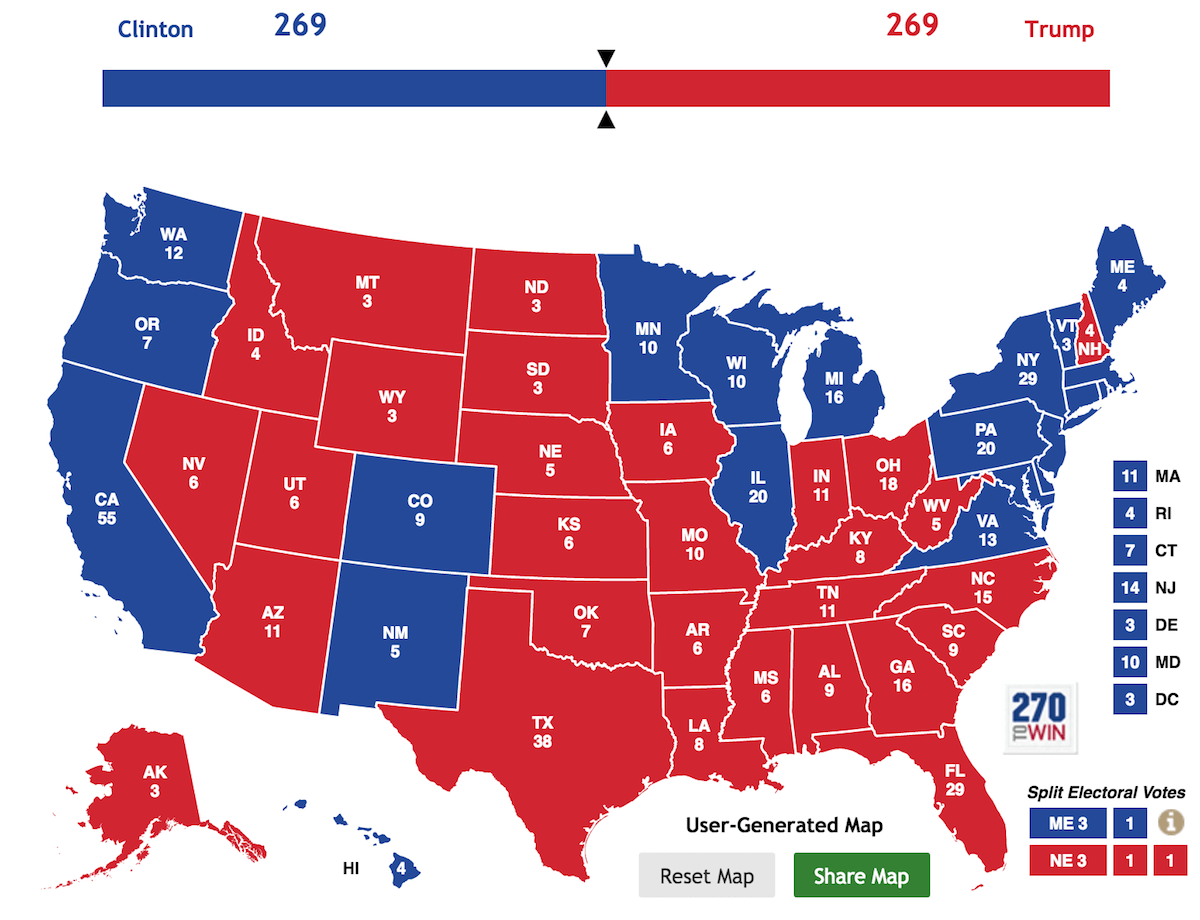
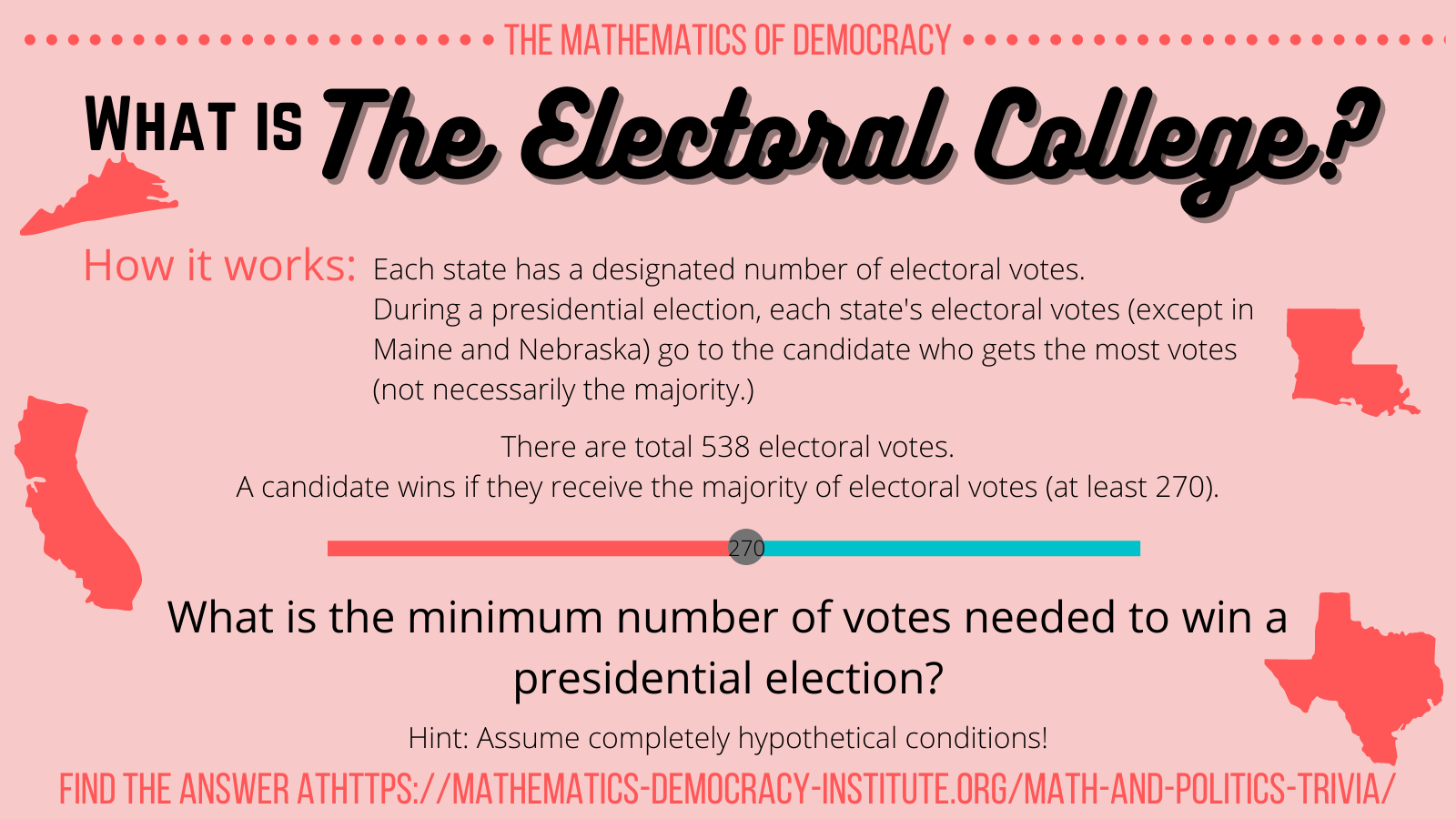
The American presidential election system is designed to produce a clear winner, but the possibility of no candidate securing the magic number of 270 electoral votes is a constitutional contingency with profound financial and economic implications. While rare, such a scenario would trigger a unique electoral process and usher in a period of intense uncertainty, directly impacting financial markets, business investment, and personal economic stability. Understanding the mechanics and the subsequent economic ripple effects is crucial for investors, businesses, and individuals alike.
The Constitutional Mechanism: The House and Senate’s Role
When no presidential candidate reaches 270 electoral votes, the U.S. Constitution, specifically the 12th Amendment, outlines a specific, albeit rarely invoked, procedure. This process shifts the election from the Electoral College to the legislative branch, transforming a political deadlock into a governance crisis with direct economic fallout.
The House Vote: One State, One Vote
If no presidential candidate secures a majority of electoral votes, the decision falls to the House of Representatives. However, this is not a simple majority vote among all 435 members. Instead, each state delegation casts a single vote. This means that Wyoming, with its single House member, holds the same voting power as California, with its 52 representatives. For a candidate to win, they must secure the votes of a majority of state delegations, which is at least 26 states.
This system introduces several layers of complexity and potential for prolonged gridlock. Political party control of state delegations, rather than raw numbers of representatives, becomes paramount. A highly fractured House, with neither major party commanding a clear majority of state delegations, could lead to multiple rounds of voting, extended delays, and intense political bargaining. The uncertainty surrounding such a process would be a primary driver of market volatility, as investors shy away from an undefined leadership landscape.
The Senate Vote: Vice Presidential Tie-Breaker
Concurrently, if no vice-presidential candidate achieves an Electoral College majority, the Senate decides the vice presidency. Unlike the House, Senators vote individually, with a simple majority of 51 votes required to elect a Vice President. This could lead to a situation where the President and Vice President are from different political parties, further complicating the governability of the nation and increasing the risk of policy stalemates.
A divided executive branch, or even the possibility of it, introduces significant risks to legislative efficiency, budget negotiations, and policy predictability. Businesses thrive on certainty, and the prospect of a politically fractured administration attempting to navigate complex economic challenges would undoubtedly temper investment, hiring, and long-term planning. The financial markets would price in this increased risk, potentially leading to sell-offs and flight to safety assets.
Implications for Governance and Policy
The period leading up to and during a contingent election would be marked by an absence of clear leadership, particularly during the transition phase between Election Day and Inauguration Day (January 20). This vacuum could have severe implications for national security, foreign policy, and, most critically from a financial perspective, economic policy. Essential legislative items, budget appropriations, and regulatory decisions could be delayed or stalled entirely. Businesses dependent on government contracts, specific regulatory frameworks, or stable trade policies would face immense pressure and uncertainty regarding their future operating environment.
Immediate Economic Volatility and Market Reactions
The financial markets abhor uncertainty. A situation where the presidential outcome is undecided for weeks or even months would trigger immediate and pronounced reactions across all asset classes.
Stock Market Uncertainty
The stock market would likely experience significant declines. Investors would sell off equities in anticipation of prolonged political instability, policy paralysis, and potential economic downturns. Sectors particularly sensitive to government regulation, fiscal policy, or international trade agreements—such as energy, healthcare, defense, and technology—would be especially vulnerable. The lack of a clear mandate or unified government would dampen investor confidence, leading to a flight from riskier assets and into safer havens. Volatility indices, like the VIX, would surge, signaling widespread market anxiety. Businesses would face increased cost of capital, making expansion and investment less attractive.
Impact on Bonds and Interest Rates
In times of extreme uncertainty, there’s typically a “flight to safety,” with investors flocking to U.S. Treasury bonds. This increased demand would likely drive down bond yields initially. However, prolonged political instability and concerns about the nation’s ability to manage its fiscal affairs could eventually lead to concerns about the U.S. credit rating. If investors perceive an elevated risk of default or an inability to raise the debt ceiling, bond yields could eventually rise, reflecting a higher perceived risk premium. This could, in turn, increase borrowing costs for the U.S. government and, by extension, for corporations and consumers, tightening credit markets.
Currency Fluctuations and Global Investor Confidence
The U.S. dollar, typically a safe-haven currency, could face conflicting pressures. Initially, global uncertainty might strengthen the dollar as international investors seek refuge in its liquidity and perceived stability. However, if the political stalemate persists and raises fundamental questions about U.S. governance and economic leadership, the dollar could weaken against other major currencies. A prolonged period of political uncertainty in the world’s largest economy would undoubtedly ripple through global markets, potentially dampening global trade, increasing commodity price volatility, and eroding overall international investor confidence in the stability of the global financial system. Companies with significant international operations would face currency exchange rate risks that are difficult to hedge.
Long-Term Fiscal and Business Environment Effects
Beyond immediate market jitters, an unresolved presidential election, or one decided by an unconventional House vote, would cast a long shadow over the fiscal and business landscape for years to come.
Policy Paralysis and Budget Impasses
A presidency that emerges from a contentious contingent election, especially one without a clear popular or electoral mandate, could struggle to govern effectively. The legitimacy of such an administration might be constantly questioned, making it exceedingly difficult to pass significant legislation, negotiate budgets, or address pressing national issues. Key economic priorities, such as infrastructure spending, tax reform, or climate policy, could be indefinitely stalled. This policy paralysis creates a vacuum that businesses find challenging to navigate, as the rules of the game remain uncertain or subject to constant political squabbling. Regular government shutdowns or near-shutdowns, driven by budget impasses, would become more likely, creating periodic shocks to the economy.
Business Investment and Hiring Delays
Companies thrive on predictability and stability. A fractured political environment, characterized by an embattled executive branch and legislative gridlock, would deter long-term business investment. Firms would likely postpone major capital expenditures, mergers and acquisitions, and hiring initiatives until greater clarity emerges regarding future economic policies, tax structures, and regulatory frameworks. This wait-and-see approach would stifle economic growth, reduce job creation, and potentially lead to a slowdown or even recessionary conditions as businesses pull back on expansion. Small and medium-sized enterprises (SMEs), often more sensitive to economic shifts, would feel this pressure acutely.
Sector-Specific Repercussions
Different sectors of the economy would experience unique challenges. Industries heavily reliant on government contracts (e.g., defense, infrastructure) could face project delays or cancellations. Sectors subject to significant regulation (e.g., finance, energy, healthcare) might contend with a prolonged period of regulatory uncertainty, making strategic planning difficult. International trade-dependent industries would grapple with the potential for inconsistent trade policies and renewed protectionist pressures. Even consumer-facing businesses could see a slowdown as consumer confidence wanes in an unstable economic and political climate.
Financial Planning in an Unstable Political Climate
In such an environment, strategic financial planning becomes paramount for individuals and businesses aiming to mitigate risk and preserve wealth.
Portfolio Diversification and Risk Management
For investors, a contingent election scenario underscores the critical importance of a well-diversified portfolio. Reducing overexposure to volatile equity markets, increasing allocations to defensive assets, and considering international diversification can help cushion the blow of domestic political uncertainty. Holding cash equivalents for liquidity also becomes more appealing. Rebalancing portfolios to align with a more conservative risk tolerance during periods of heightened political instability is a prudent strategy. Active management and staying informed about market-moving political developments would be key.
Protecting Your Personal Finances
Individuals should focus on building a robust emergency fund to cover several months of living expenses, providing a financial buffer against potential job market instability or unexpected economic shifts. Reducing high-interest debt can free up cash flow and reduce financial vulnerability. Reviewing and potentially adjusting investment strategies in retirement accounts, especially for those nearing retirement, to minimize exposure to short-term market fluctuations, is also advisable. Avoiding speculative investments and prioritizing financial health over chasing high returns during uncertain times is a cornerstone of prudent personal finance.

Strategic Business Adjustments
Businesses would need to implement proactive risk management strategies. This includes stress-testing financial models against various political outcomes, building cash reserves to weather potential economic downturns, and diversifying customer bases and supply chains to reduce reliance on any single market or political policy. Flexible operational models, the ability to quickly scale up or down, and a keen eye on government spending trends and regulatory changes would be essential for navigating a volatile post-contingent election environment. Businesses might also explore hedging strategies against currency fluctuations or commodity price volatility if their operations have significant international exposure.
In conclusion, while the constitutional mechanisms for a contingent election exist, the economic and financial repercussions of such an event would be far-reaching. From immediate market volatility to long-term policy paralysis, the absence of a clear presidential winner would challenge the stability of the U.S. and global economies. Prudent financial planning and proactive risk management are essential strategies for navigating the uncertainties of such an unprecedented political and economic landscape.
aViewFromTheCave is a participant in the Amazon Services LLC Associates Program, an affiliate advertising program designed to provide a means for sites to earn advertising fees by advertising and linking to Amazon.com. Amazon, the Amazon logo, AmazonSupply, and the AmazonSupply logo are trademarks of Amazon.com, Inc. or its affiliates. As an Amazon Associate we earn affiliate commissions from qualifying purchases.