
The global economy is a complex, interconnected web where the fluttering of a butterfly’s wings in one hemisphere can cause a hurricane in the other. For the last four decades, China has been the undisputed engine of global growth, transforming from an agrarian society into the world’s manufacturing floor and its second-largest economy. However, as structural fissures in the Chinese model—ranging from a bloated real estate sector to demographic decline—become more apparent, investors and economists are forced to confront a once-unthinkable question: What happens to the world of money if the Chinese economy collapses?
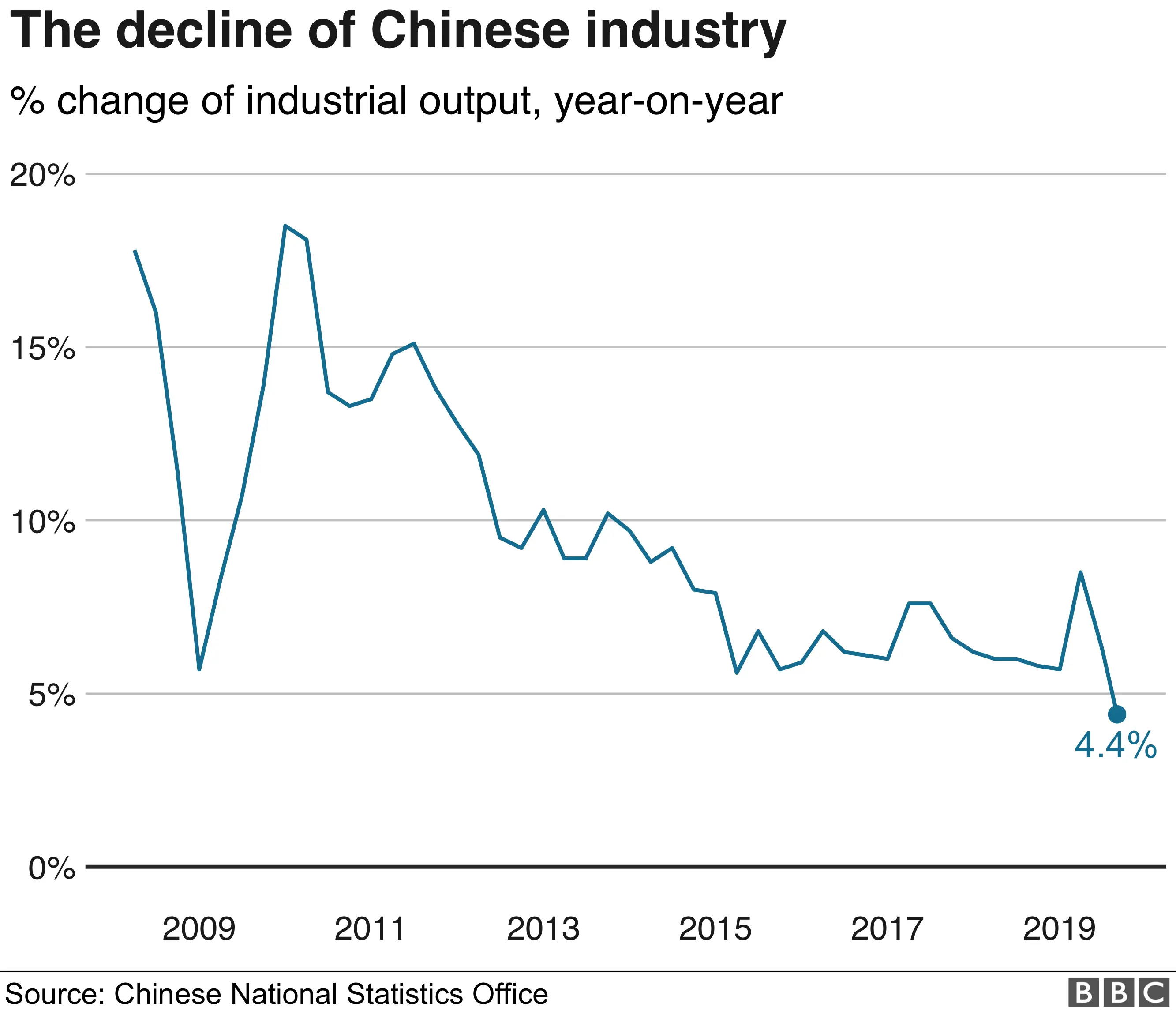
A full-scale economic collapse in China would not be a localized event; it would be a systemic financial shock unlike anything witnessed since the 1930s. This article explores the profound implications for global markets, banking systems, and personal investment strategies.
The Domino Effect on Global Financial Markets and Asset Valuations
The most immediate impact of a Chinese economic downturn would be felt across the world’s stock exchanges. China currently accounts for nearly 18% of global GDP and has been responsible for over 30% of global growth in recent years. If that engine stalls, the ripple effects on corporate earnings and investor sentiment would be catastrophic.
Stock Market Volatility and the “Growth Engine” Theory
Global equity markets are heavily weighted toward multinational corporations that rely on China for both production and consumption. If the Chinese middle class loses its purchasing power, the “Big Tech” and luxury sectors in the West would face an unprecedented valuation crisis. Companies like Apple, Tesla, and LVMH, which derive significant portions of their revenue from the Chinese market, would see their stock prices plummet.
Furthermore, the psychological impact on investors cannot be overstated. A collapse in China would likely lead to a “risk-off” environment, where capital flees emerging markets and equities in favor of safe-haven assets. This flight to quality could lead to a liquidity crunch in other developing economies that rely on Chinese investment.
The Impact on Commodity Prices and Resource-Exporting Nations
China is the world’s largest consumer of raw materials, including iron ore, copper, coal, and oil. An economic collapse would lead to a vertical drop in demand for these commodities. For “commodity currencies” like the Australian dollar, the Brazilian real, and the Canadian dollar, the impact would be devastating.
Countries that have built their economies around exporting resources to fuel Chinese urbanization would find themselves in deep fiscal deficits. This would likely trigger a wave of sovereign debt defaults in resource-rich but financially fragile nations, further destabilizing the global financial ecosystem.
Disruptions in the Global Banking and Debt Ecosystem
While the Chinese financial system is relatively closed compared to the West, the sheer volume of its debt—estimated at over 300% of its GDP—poses a systemic risk to the global banking architecture. A collapse would likely begin in the property sector and radiate outward through the “shadow banking” system.
The Contagion of Real Estate and Banking Instability
In China, real estate accounts for roughly 25% to 30% of the national GDP. Much of the wealth of the Chinese citizenry is tied up in property. A collapse in real estate values doesn’t just hurt developers; it wipes out the balance sheets of provincial banks and the personal savings of hundreds of millions of people.
The concern for global money markets is “contagion.” While Western banks may have limited direct exposure to Chinese domestic debt, the interconnectedness of global credit markets means that a freezing of credit in Asia would lead to spiked interest rates and reduced lending capacity in London, New York, and Tokyo. The cost of borrowing for businesses globally would rise as risk premiums are recalculated.
Repercussions for International Creditors and Sovereign Debt
China is one of the world’s largest creditors, particularly to developing nations through its Belt and Road Initiative. If the Chinese domestic economy collapses, Beijing may be forced to call in these loans or stop the flow of credit to the Global South.
This would create a “debt trap” scenario where dozens of countries simultaneously face insolvency. The IMF and World Bank would be stretched to their limits trying to bail out a sudden surge of failing economies. For the global investor, this means a total re-evaluation of the “Emerging Markets” asset class, which could be shunned for a generation.

Implications for Personal Finance and Individual Portfolios
For the average individual investor, a Chinese economic collapse would require a radical shift in how wealth is managed and protected. The traditional “60/40” portfolio might not provide the protection it once did if the global growth narrative is fundamentally broken.
Diversification Strategies in a Post-Growth China Era
For years, financial advisors recommended exposure to China and broader emerging markets as a way to capture high-growth opportunities. In the event of a collapse, the definition of “diversification” would change. Investors would likely pivot toward “friend-shoring” economies—nations like India, Vietnam, and Mexico—which might pick up the manufacturing slack but lack the mature financial infrastructure of China.
Portfolios would need to be audited for hidden Chinese exposure. Many “Domestic” US or European mutual funds hold companies that are deeply integrated into Chinese supply chains. A collapse would reveal that many supposedly “low-risk” funds were, in fact, highly leveraged to Chinese stability.
Safe Havens and the Shift Toward Defensive Assets
In a world of extreme uncertainty, the primary goal of personal finance shifts from capital appreciation to capital preservation. We would likely see a historic surge in the value of the US Dollar, the Swiss Franc, and Gold.
The US Treasury market, despite the United States’ own debt challenges, would likely remain the ultimate destination for global capital. However, if the collapse leads to a broader global depression, even traditional “safe” investments like corporate bonds could become risky as the underlying businesses struggle with a lack of global demand.
The Changing Landscape of Global Trade and Consumer Prices
The collapse of the “World’s Factory” would fundamentally alter the cost of living for consumers globally. Since the 1990s, China has essentially exported deflation to the West by providing cheap consumer goods, keeping inflation in check even as central banks printed money.
Inflationary Pressures vs. Deflationary Shocks
In the short term, a Chinese collapse might be deflationary as commodity prices tank and global demand withers. However, in the medium to long term, the loss of China’s efficient, low-cost manufacturing base would be highly inflationary for the West.
If companies are forced to move production to more expensive regions or build new facilities from scratch in the US or Europe, the “cheap stuff” era is over. Investors would need to inflation-proof their portfolios by looking at real assets, infrastructure, and businesses with high “pricing power” that can pass increased costs on to the consumer.
The Rise of Alternative Manufacturing Hubs
Money always seeks a path toward efficiency. If China fails, capital will flood into alternative hubs. This creates a massive investment opportunity in the “Next Eleven” economies. However, the transition period would be marked by extreme volatility.
For the business finance sector, this means a massive reallocation of CAPEX (Capital Expenditure). Banks and venture capitalists would shift their focus from the East Asian giant toward developing the infrastructure of its successors. For the savvy investor, identifying these new “money magnets” early would be the key to surviving the transition.
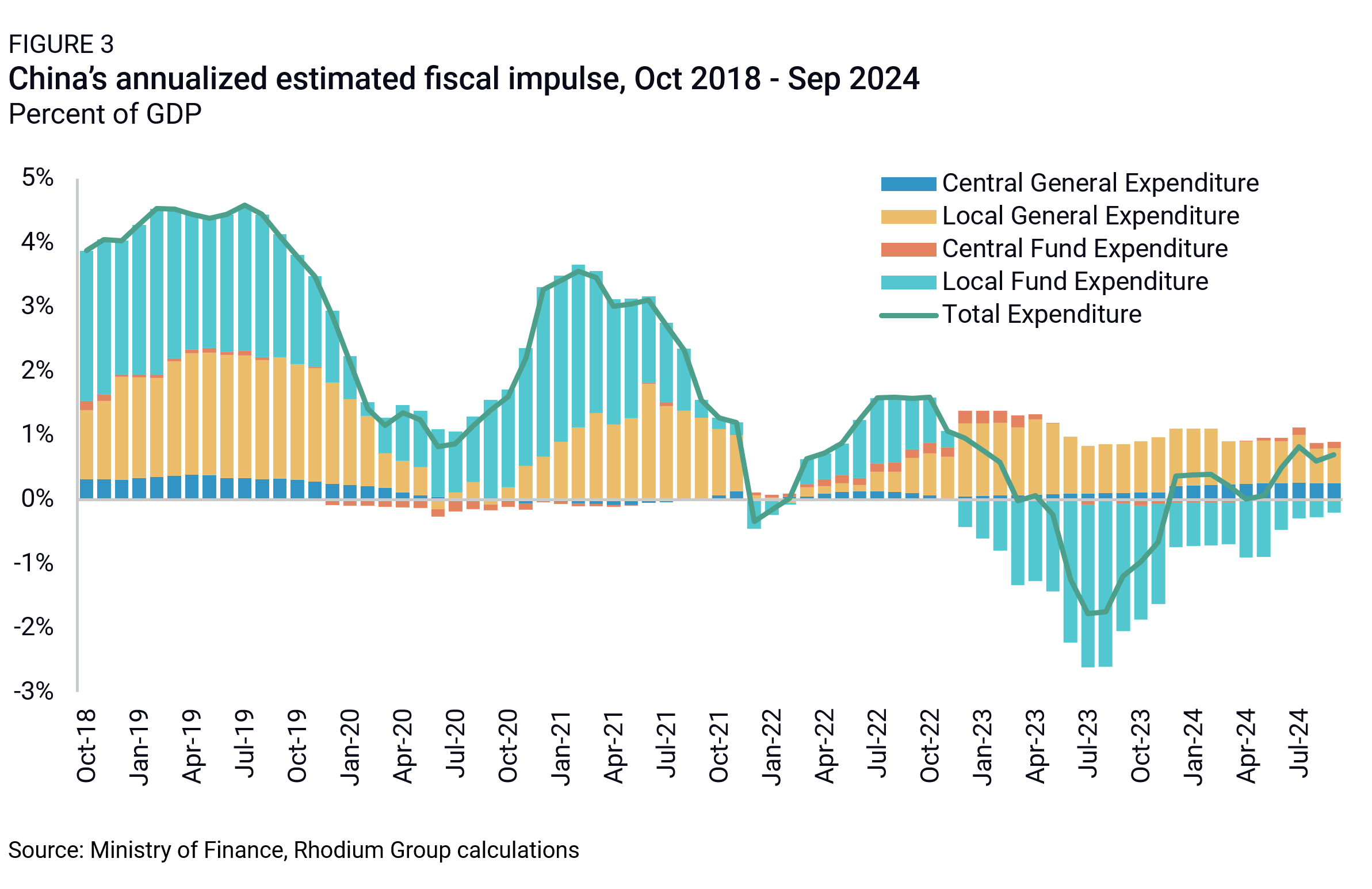
Navigating the Financial Fallout
The collapse of the Chinese economy would be the most significant financial event of the 21st century. It would challenge the hegemony of the current global trade system and force a painful deleveraging process across all asset classes.
For those in the world of finance and investment, the takeaway is clear: the era of assuming China will always be the world’s growth engine is over. Resilience, liquidity, and a deep understanding of geopolitical risk are no longer optional—they are the requirements for financial survival. While the prospect of a collapse is daunting, it also signals a massive restructuring of global wealth. The winners will be those who recognize the shift early, move away from China-dependent assets, and position themselves in the new, fragmented economic reality that follows.
aViewFromTheCave is a participant in the Amazon Services LLC Associates Program, an affiliate advertising program designed to provide a means for sites to earn advertising fees by advertising and linking to Amazon.com. Amazon, the Amazon logo, AmazonSupply, and the AmazonSupply logo are trademarks of Amazon.com, Inc. or its affiliates. As an Amazon Associate we earn affiliate commissions from qualifying purchases.