
The stock market is often viewed as a barometer of economic health, a wealth-building machine, and a complex ecosystem of global commerce. However, for many investors, the word “crash” evokes a primal sense of dread. A stock market crash—defined generally as a sudden and dramatic decline in stock prices across a significant cross-section of the market—is an event that can reshape the financial landscape in a matter of days or even hours.
Understanding what happens when the market tumbles is essential for any serious investor. It is not merely about the numbers on a screen turning red; it is about a systemic chain reaction that affects everything from household savings to global supply chains. By deconstructing the mechanics of a crash, the economic ripple effects, and the psychological impact on participants, we can better prepare for the inevitable volatility of the financial world.

The Anatomy of a Market Crash: Defining the Chaos
To understand what happens during a crash, we must first distinguish it from the normal fluctuations of the market. The stock market does not move in a straight line; “corrections” (a 10% drop) and “bear markets” (a 20% drop) are common occurrences. A crash, however, is characterized by its velocity and the panic that fuels it.
Defining the Difference: Correction vs. Bear Market vs. Crash
A market correction is often seen as a healthy adjustment where overvalued stocks return to more realistic levels. A bear market is a more sustained period of downward movement, usually lasting months. A crash is an outlier—a violent, rapid decline often triggered by a “black swan” event or the sudden bursting of a speculative bubble. While a bear market is a slow burn, a crash is an explosion.
The Catalyst: Why Do Markets Suddenly Plummet?
Crashes rarely happen in a vacuum. They are typically the result of a “perfect storm” of factors. This might include a sudden geopolitical crisis, a significant shift in monetary policy (such as aggressive interest rate hikes by the Federal Reserve), or the realization that a particular sector (like technology or real estate) is fundamentally overvalued. When a catalyst hits, it triggers a “flight to safety,” where investors rush to exit positions simultaneously, creating a vacuum of buyers and causing prices to freefall.
The Role of High-Frequency Trading and Algorithms
In the modern era, the speed of a crash is often accelerated by technology. High-frequency trading (HFT) algorithms are programmed to sell when certain price thresholds are hit. When the market begins to dip, these algorithms can trigger a cascade of sell orders in milliseconds, far faster than a human could react. This “flash crash” phenomenon can exacerbate volatility, making a bad day in the market look like a catastrophic one.
The Immediate Economic Ripple Effects
When the stock market crashes, the impact is felt far beyond the trading floors of Wall Street. Because the market is deeply integrated into the broader economy, a sharp decline in asset prices sets off a series of economic reactions that can lead to a recession.
The Wealth Effect and Consumer Spending
One of the most immediate consequences of a crash is the “negative wealth effect.” When people see their brokerage accounts and retirement funds shrink, they feel less wealthy, even if they haven’t sold their stocks. This perceived loss of wealth leads to a pullback in consumer spending. Since consumer spending accounts for a significant portion of the GDP in many developed nations, this contraction can lead to slowing economic growth and, eventually, layoffs.
Business Operations and the Credit Crunch
For corporations, a stock market crash makes it more difficult and expensive to raise capital. When share prices are low, issuing new stock is less attractive. Furthermore, a crash often coincides with a tightening of the credit markets. Banks and lenders become risk-averse, making it harder for businesses to secure the loans they need for expansion, payroll, or day-to-day operations. This “credit crunch” can stifle innovation and force companies to downsize.
Impact on Retirement Accounts and Pensions
For the average individual, the most personal impact of a crash is the hit to their 401(k), IRA, or pension fund. Those nearing retirement are particularly vulnerable, as they have less time to wait for the market to recover. A crash can force individuals to delay retirement or return to the workforce, fundamentally altering their life plans and reducing their long-term financial security.
Psychological and Behavioral Responses to Market Turmoil
The stock market is driven by numbers, but it is fueled by human emotion. In the midst of a crash, logic often takes a backseat to fear. Understanding the psychological underpinnings of a crash is crucial for avoiding the mistakes that lead to permanent capital loss.
The Panic Cycle: Why Emotional Selling is Dangerous
During a crash, the “fight or flight” response kicks in. Investors see their hard-earned money evaporating and feel a desperate need to “do something” to stop the bleeding. This often leads to panic selling—liquidating assets at the bottom of the market. Paradoxically, the moment when fear is at its highest is often the moment when the market is closest to a rebound. Selling during a crash “locks in” losses that might have otherwise been temporary.
Loss Aversion and the “Recency Bias”
Behavioral finance teaches us about “loss aversion,” the idea that the pain of losing money is twice as powerful as the joy of gaining it. This bias causes investors to make irrational decisions during a crash. Additionally, “recency bias” leads people to believe that because the market is falling today, it will continue to fall indefinitely. This prevents them from seeing the long-term value that often emerges during a downturn.
The Role of Social Media and the News Cycle
In the 21st century, the psychological impact of a crash is amplified by the 24-hour news cycle and social media. Constant notifications about “market bloodbaths” and “economic collapse” create a feedback loop of anxiety. This digital noise makes it increasingly difficult for investors to maintain a long-term perspective, as they are bombarded with short-term catastrophe.
Strategies for Surviving and Thriving Post-Crash
While a crash is undoubtedly painful, it is also a period of immense opportunity for the disciplined investor. Historical data shows that every single market crash in history has been followed by an eventual recovery and new all-time highs. The key is how an investor manages their portfolio during the chaos.
The Importance of Diversification and Asset Allocation
The best defense against a crash is built before the crash happens. A well-diversified portfolio—containing a mix of stocks, bonds, real estate, and cash—is designed to weather the storm. While stocks may plummet, high-quality bonds often hold their value or even rise as investors seek safety. Proper asset allocation ensures that no single market event can wipe out an individual’s entire net worth.
Tax-Loss Harvesting and Rebalancing
A crash offers unique tactical opportunities. One such strategy is tax-loss harvesting, where investors sell losing positions to offset capital gains in other areas, thereby reducing their tax liability. Furthermore, a crash is the ideal time to “rebalance.” If your target allocation was 60% stocks and 40% bonds, a crash might leave you with 40% stocks and 60% bonds. Rebalancing requires you to sell some of your bonds (selling high) to buy more stocks (buying low), which positions you perfectly for the eventual recovery.
Buying the Dip: Opportunity Amidst Chaos
As Baron Rothschild famously said, the time to buy is “when there is blood in the streets.” For investors with a long time horizon and a healthy cash reserve, a market crash is effectively a “sale” on the world’s greatest companies. Buying high-quality assets at a discount is the cornerstone of wealth creation. However, this requires significant emotional fortitude and the ability to ignore the prevailing gloom of the masses.
The Road to Recovery: Lessons from History
History is the greatest teacher when it comes to understanding market crashes. From the Great Depression to the 2008 Financial Crisis, every crash has provided valuable lessons on resilience and the enduring nature of the global economy.
Historical Precedents: 1929, 1987, and 2008
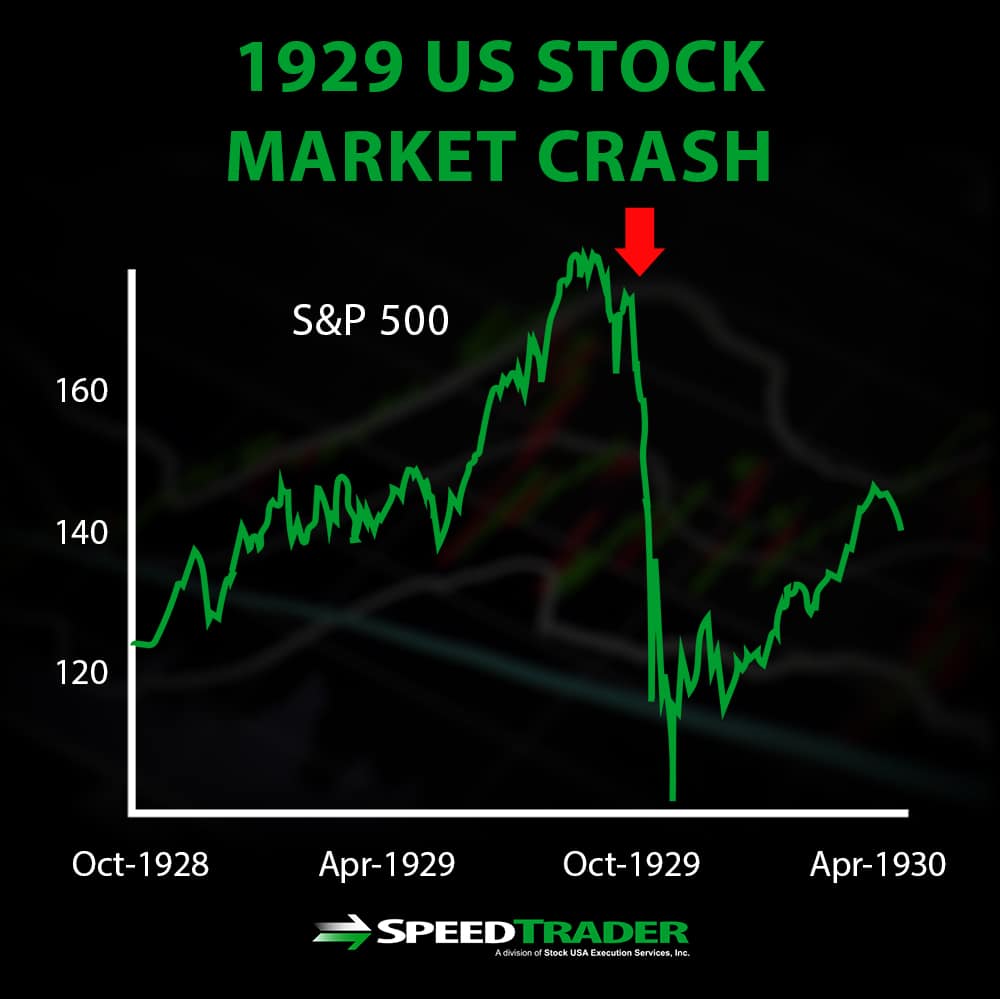
In 1929, the crash was followed by a decade-long depression, largely due to poor policy decisions and a lack of a safety net. In 1987, “Black Monday” saw the Dow drop over 20% in a single day, yet the economy remained relatively stable and the market recovered within two years. In 2008, the housing bubble burst, leading to a global systemic crisis, yet the subsequent bull market became one of the longest in history. These events show that while the “why” and “how” of a crash change, the pattern of recovery remains consistent.
The Role of Government and Central Bank Intervention
In the modern era, a stock market crash usually triggers swift action from central banks. By lowering interest rates and implementing quantitative easing, central banks provide the liquidity necessary to stabilize the financial system. While these measures are often debated, they serve as a crucial backstop that prevents a market crash from turning into a total economic collapse.
Building a Resilient Long-Term Portfolio
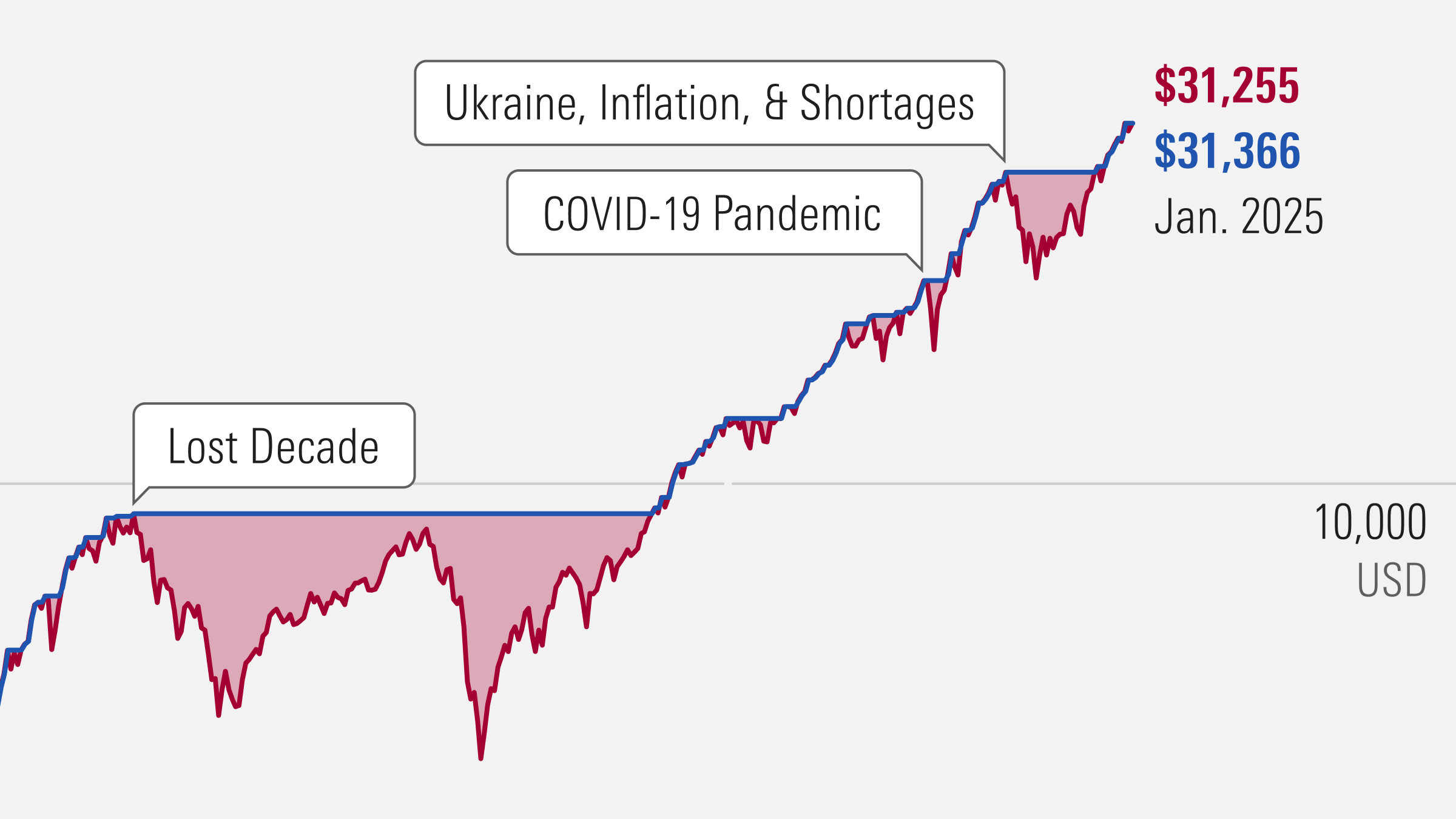
The ultimate lesson of a stock market crash is the importance of time. For the long-term investor, a crash is a temporary dip in a decades-long upward trajectory. By maintaining an emergency fund, staying diversified, and keeping an unemotional perspective, individuals can navigate the turbulence. A crash does not signify the end of the financial world; rather, it is a violent but necessary recalibration that paves the way for the next cycle of growth.
In conclusion, a stock market crash is a complex event that tests the limits of our financial systems and our personal resolve. By understanding the mechanics of why they happen and the economic consequences they carry, we can transform fear into a strategic advantage. The market will inevitably crash again; the only question is whether you will be a victim of the panic or a beneficiary of the recovery.
aViewFromTheCave is a participant in the Amazon Services LLC Associates Program, an affiliate advertising program designed to provide a means for sites to earn advertising fees by advertising and linking to Amazon.com. Amazon, the Amazon logo, AmazonSupply, and the AmazonSupply logo are trademarks of Amazon.com, Inc. or its affiliates. As an Amazon Associate we earn affiliate commissions from qualifying purchases.