
The process of cremation, a dignified and increasingly chosen method of disposition, involves a series of precise steps conducted under controlled conditions. While often shrouded in a degree of mystery, understanding the technical and biological transformations that occur during cremation can offer clarity and peace of mind for those considering or arranging this final service. This exploration delves into the scientific and operational aspects of cremation, focusing on the technology and processes involved, strictly within the Tech niche.
The Technological Framework of Modern Cremation
Modern cremation is a sophisticated process that relies on specialized equipment and meticulously controlled environmental conditions. The primary technology at play is the crematory retort, a purpose-built furnace designed for high-temperature combustion and the safe, efficient reduction of human remains. These retorts are not simply ovens; they are complex pieces of engineering that ensure the process adheres to strict regulatory and ethical standards.
The Crematory Retort: A High-Temperature Transformation Chamber
The crematory retort is the heart of the cremation process. It is typically a large, insulated chamber constructed with refractory materials capable of withstanding extreme temperatures, often reaching between 1,400 and 1,800 degrees Fahrenheit (760 to 980 degrees Celsius). The internal design of the retort is crucial, featuring controlled airflow and multiple heat sources to ensure uniform heat distribution and complete combustion.
Modern retorts are designed with two chambers: a primary chamber where the body is placed and combustion begins, and a secondary chamber, often referred to as the “afterburner.” The primary chamber initiates the rapid breakdown of organic matter through intense heat and oxygen. As the process progresses, the gaseous byproducts, along with particulate matter, are drawn into the secondary chamber. Here, at even higher temperatures and with additional oxygen injection, these emissions are thoroughly incinerated, significantly reducing any odors and harmful emissions before they are released through a carefully monitored emission control system.
The construction materials of the retort are vital for its longevity and performance. High-grade refractory bricks and ceramic fibers are used to insulate the chamber, maintain consistent temperatures, and withstand the thermal stress of repeated cycles. The exterior of the retort is typically made of steel, providing structural integrity and housing the intricate control systems.
Control Systems and Environmental Monitoring
Beyond the physical structure of the retort, the technological sophistication lies in its integrated control systems. These systems are designed to precisely manage every aspect of the cremation cycle, from temperature regulation and airflow to the duration of the process. Advanced digital control panels allow trained operators to monitor the cremation in real-time, making adjustments as needed to ensure optimal efficiency and complete reduction.
Temperature sensors are strategically placed throughout the retort to provide constant feedback to the control system. This allows for precise temperature maintenance, ensuring that the process is neither too slow, which could lead to incomplete combustion, nor too rapid, which could cause uneven heating or damage to the equipment. Airflow is another critical parameter. Oxygen levels are carefully controlled; sufficient oxygen is required for complete combustion, but excessive amounts can lead to uncontrolled fires. The control systems manage the intake of fresh air and the expulsion of processed gases, often through sophisticated exhaust systems that meet stringent environmental regulations.
Environmental monitoring is a paramount technological consideration in modern cremation. Crematories are equipped with advanced emission control technologies designed to minimize the release of pollutants into the atmosphere. These systems often include filters and scrubbers that capture particulate matter and neutralize harmful gases, ensuring that the cremation process is as environmentally responsible as possible. Regular emissions testing and compliance with local and national environmental standards are standard practice.
The Stages of Cremation: A Technological Sequence
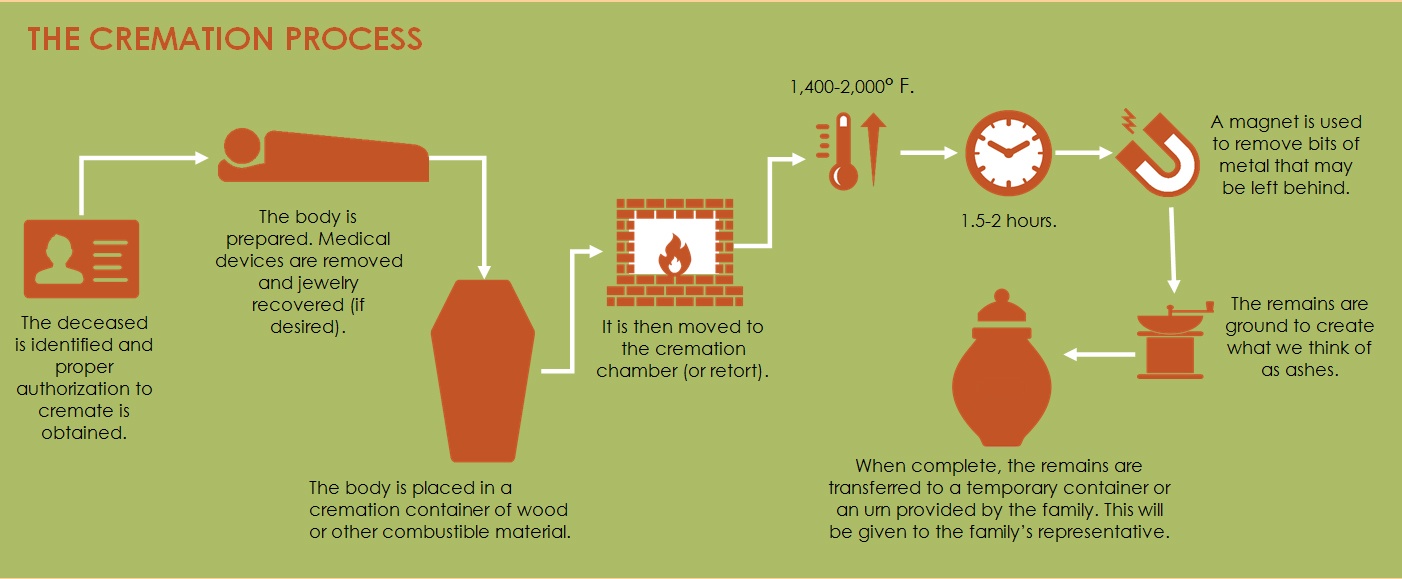
The cremation process, while appearing singular, is a sequence of distinct technological stages, each optimized for efficiency and completeness. From the initial preparation to the final processing of remains, technology plays a vital role in ensuring a dignified and thorough outcome.
Pre-Cremation Preparation and Identification
Before cremation can commence, rigorous identification procedures are implemented, often utilizing technology. This ensures that the correct individual is being cremated. Barcodes or unique identification tags are affixed to the cremation container and documented thoroughly. In some facilities, digital photography may be used to record the individual and their identification tags at various stages. The container itself is typically made of combustible materials like particleboard, wood, or wicker, designed to burn efficiently within the retort. Advanced crematory facilities may also employ digital systems for managing records, scheduling, and tracking the journey of each individual through the facility.
The Cremation Cycle: Heat, Combustion, and Reduction
Once prepared, the cremation container and its contents are carefully placed within the primary chamber of the crematory retort. The retort is then sealed, and the programmed heating cycle begins. This cycle is meticulously controlled, starting with a gradual increase in temperature to facilitate the initial breakdown of organic matter through evaporation of moisture and the start of combustion.
The primary chamber reaches temperatures that initiate rapid chemical reactions. The intense heat causes the body’s tissues to break down and combust. This is a multi-stage process where volatile elements within the body are converted into gases. Simultaneously, the container material contributes fuel to the process. The duration of this phase is influenced by factors such as the individual’s body mass, the type of container, and the specific settings of the retort.
As combustion proceeds, the gaseous byproducts, along with any remaining solid material, are drawn or pushed into the secondary chamber. This is where the “afterburner” technology comes into play. In the secondary chamber, temperatures are often even higher, and additional oxygen is introduced. This ensures that any remaining organic compounds are fully combusted and reduced to their elemental components. This stage is critical for odor elimination and complete reduction of all organic material. The entire primary combustion cycle can typically last from one to several hours, depending on the factors mentioned previously.
Post-Cremation Processing: From Ash to Usable Material
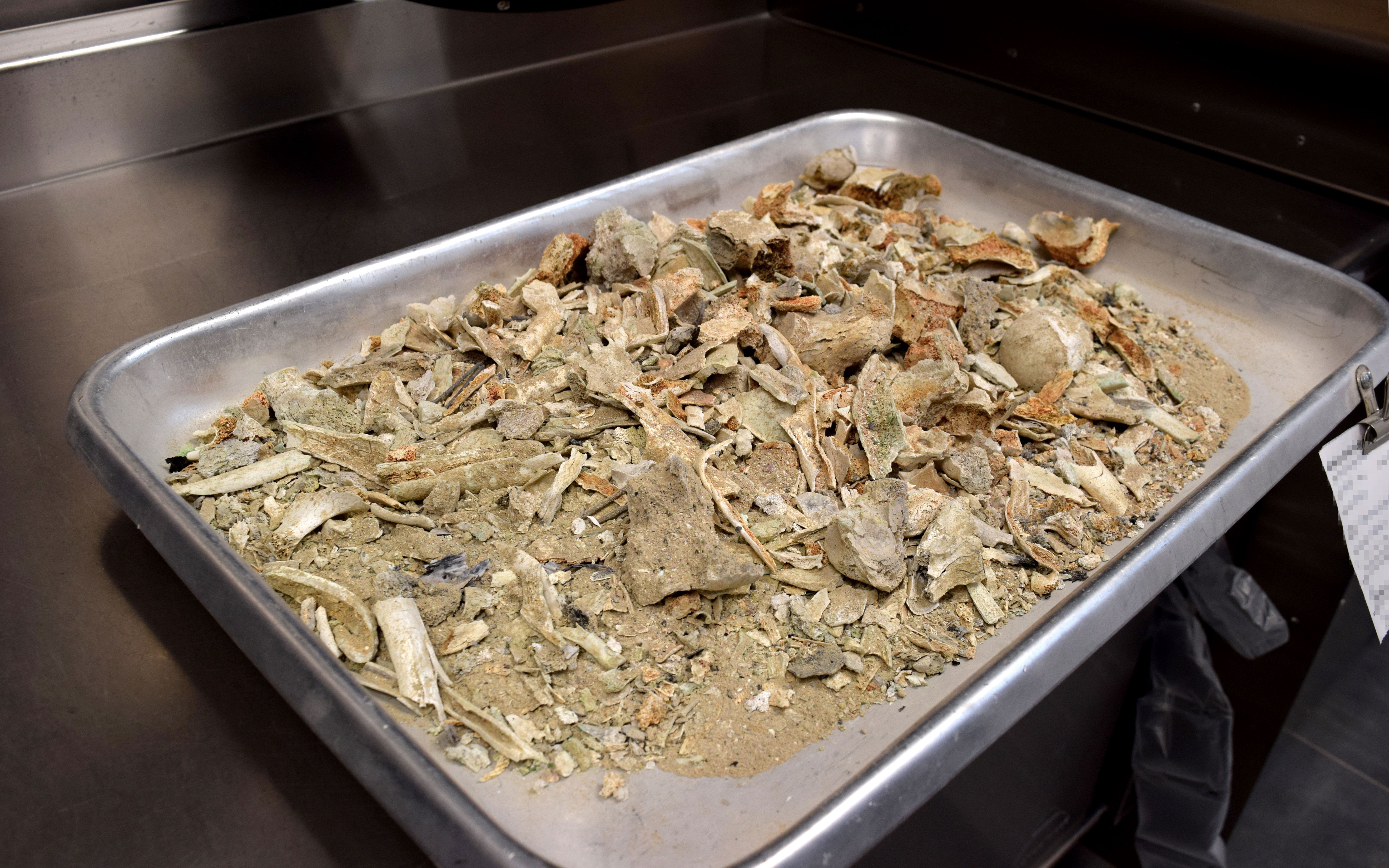
Following the completion of the combustion cycle, the retort cools down, and the remaining material is carefully removed. What remains are the skeletal remains, which have been reduced to bone fragments. These fragments are then transferred to a specialized processing machine called a “pulverizer” or “creulator.”
The pulverizer is a piece of equipment designed to efficiently grind the bone fragments into a fine, ash-like consistency. This process is essential for creating the final cremated remains that families receive. The pulverizer uses rotating elements, often with carbide tips or a series of grinding plates, to break down the bone fragments into a uniform texture. The size of the resulting particles can be adjusted to meet specific preferences.
The final cremated remains are then meticulously screened to remove any metallic fragments that may have originated from medical implants (such as pacemakers or joint replacements, which are typically removed beforehand if known, though the retort is designed to handle and contain them). These metallic components are then disposed of separately and responsibly. The resulting fine, gray-white ash is then placed into a temporary container or an urn provided by the family.
Advanced Technologies Enhancing Cremation Practices
Beyond the core technology of the crematory retort, ongoing advancements in manufacturing, control systems, and environmental stewardship continue to refine and improve the cremation process. These innovations aim to enhance efficiency, reduce environmental impact, and provide greater transparency and dignity.
Energy Efficiency and Emission Reduction Technologies
The energy consumption of crematory retorts has been a focus of technological development. Manufacturers are continually exploring designs that optimize heat retention and utilize heat recovery systems. Some advanced retorts incorporate heat exchangers that capture some of the outgoing heat and use it to preheat incoming air, thereby reducing the overall energy required to reach and maintain the necessary temperatures. This not only makes the process more cost-effective but also environmentally friendlier.
Furthermore, the evolution of emission control technologies has been significant. Modern crematory systems often employ multi-stage filtration and catalytic converters in their exhaust systems. These technologies work in tandem to capture fine particulate matter, neutralize volatile organic compounds (VOCs), and reduce the overall emissions profile. The rigorous testing and adherence to strict environmental regulations are driven by these technological capabilities, ensuring that cremation facilities operate with minimal impact on air quality.

Digital Integration and Data Management
The operational aspects of modern crematories are increasingly benefiting from digital integration. Sophisticated software systems are used for scheduling cremations, managing inventory, tracking individual cases, and maintaining detailed operational logs. These systems can monitor retort performance, track temperatures, and log the duration of each cremation cycle. This level of data management enhances accountability, improves operational efficiency, and provides a robust audit trail.
Some advanced facilities are also exploring the use of 3D imaging or laser scanning technologies in the pre-cremation phase. While not yet widespread, these technologies could potentially offer a more precise way to document the individual and ensure absolute certainty in identification. The trend towards greater transparency in funeral services also extends to cremation, with digital platforms and communication tools allowing families to be better informed about the process and to make choices with greater confidence.
In conclusion, what happens during cremation is a testament to applied technology. From the robust engineering of the crematory retort and its precise control systems to the sophisticated emission reduction technologies and the burgeoning integration of digital data management, cremation is a process underpinned by innovation. Understanding these technological facets demystifies the practice, highlighting its commitment to dignity, efficiency, and environmental responsibility.
aViewFromTheCave is a participant in the Amazon Services LLC Associates Program, an affiliate advertising program designed to provide a means for sites to earn advertising fees by advertising and linking to Amazon.com. Amazon, the Amazon logo, AmazonSupply, and the AmazonSupply logo are trademarks of Amazon.com, Inc. or its affiliates. As an Amazon Associate we earn affiliate commissions from qualifying purchases.