
The approval of Form I-130, Petition for Alien Relative, is a watershed moment in the immigration journey. For many, it represents the successful clearing of the first major hurdle in securing a future in the United States. However, from a financial perspective, the I-130 approval is not the finish line; rather, it is the starting gun for a series of complex fiscal obligations, administrative costs, and long-term financial planning requirements.
Navigating the post-approval phase requires more than just legal compliance—it requires a robust understanding of the “Money” niche as it pertains to personal finance, asset management, and the legal liabilities of sponsorship. This guide explores the financial landscape that unfolds once the I-130 is approved, detailing the costs, the contractual financial obligations of the sponsor, and the strategic steps necessary to build a solid economic foundation in a new country.
The Immediate Financial Outlay: NVC Processing and Administrative Fees
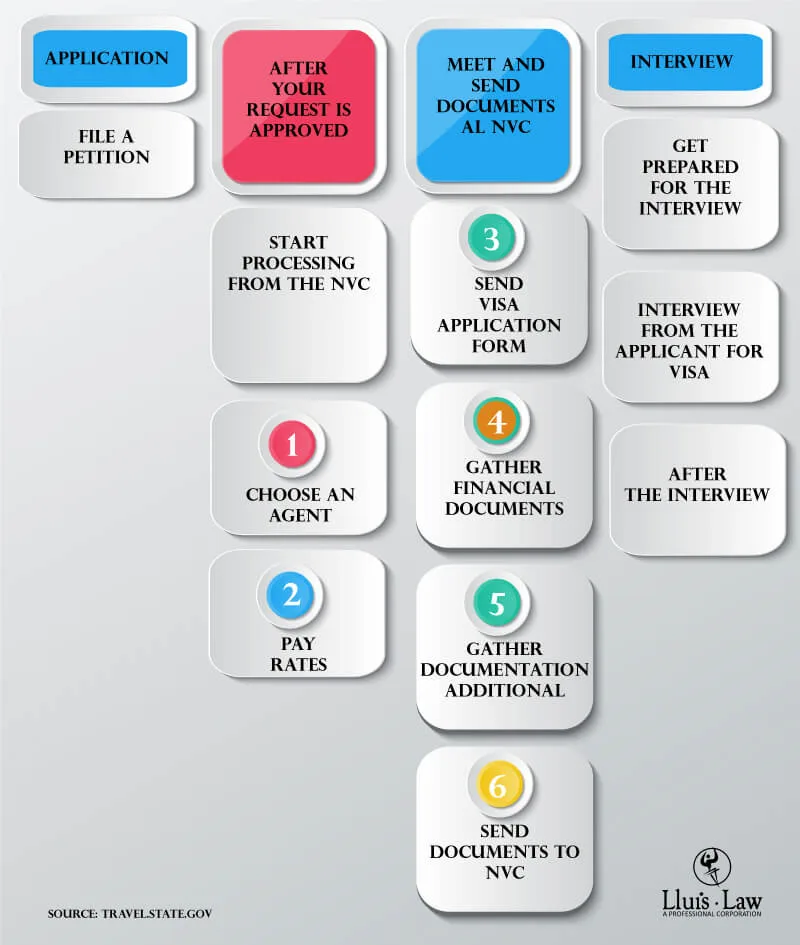
Once USCIS (U.S. Citizenship and Immigration Services) approves the I-130, the case is transferred to the National Visa Center (NVC). This transition triggers a sequence of mandatory expenses that can catch unprepared families off guard. Understanding these costs is the first step in effective budgeting for the final stages of the immigration process.
Navigating NVC Fee Payments
The NVC stage requires the payment of two primary fees. First is the Immigrant Visa Application Processing Fee (usually around $325 per applicant), and second is the Affidavit of Support Fee (approximately $120). These fees must be paid online through the Department of State’s Consular Electronic Application Center (CEAC). It is crucial to manage these payments promptly, as delays in payment directly translate to delays in visa processing, which can have secondary financial impacts, such as fluctuating exchange rates or increased travel costs due to last-minute booking.
Ancillary Costs: Medical Exams and Documentation
Beyond the government filing fees, applicants must budget for “hidden” costs. Every applicant is required to undergo a medical examination by a government-approved civil surgeon or panel physician. These exams are not standardized in price and can range from $200 to over $500 depending on the country and the number of vaccinations required. Additionally, costs associated with obtaining certified police certificates, translating foreign documents into English, and shipping original records via secure couriers add a layer of logistical expense that should be factored into the overall “move-in” fund.
The Contractual Liability of the Affidavit of Support (Form I-864)
Perhaps the most significant financial event after an I-130 approval is the filing of Form I-864, the Affidavit of Support. In the eyes of the U.S. government, this is not merely a formality; it is a legally binding contract between the sponsor and the United States. It shifts the financial burden of the immigrant from the state to the individual sponsor.
Meeting the Federal Poverty Guidelines
To qualify as a sponsor, the petitioner must prove that their household income is at least 125% of the Federal Poverty Guidelines for their household size. If the sponsor’s personal income falls short, they may need to utilize the “Money” strategies of asset valuation or securing a joint sponsor. This involves a deep dive into personal finance records, including three years of tax transcripts, pay stubs, and W-2s. For business owners, this process is even more rigorous, requiring a clear demonstration of net income rather than just gross revenue.
The Long-Term Financial Indemnity
The financial responsibility of an I-864 sponsor is profound and long-lasting. The sponsor is legally liable for the immigrant’s financial well-being until the immigrant either becomes a U.S. citizen or has worked 40 qualifying quarters (approximately 10 years). If the immigrant receives “means-tested public benefits” (such as SNAP or Medicaid) during this period, the government has the right to sue the sponsor for reimbursement. This represents a significant contingent liability on the sponsor’s personal balance sheet, one that must be considered when planning for retirement or taking on other large debts like a mortgage.
Strategic Financial Planning for Relocation and Integration

After the visa is granted, the focus shifts from administrative fees to the broader landscape of personal finance and wealth building. An immigrant arriving in the U.S. often starts with a “blank slate” regarding their financial identity, which can be both an opportunity and a significant hurdle.
Building a U.S. Credit Profile from Scratch
In the U.S. economy, a credit score is a fundamental financial tool. Without a credit history, new immigrants may find it difficult to rent an apartment, secure a car loan, or even get a competitive rate on a smartphone plan. Upon arrival, the priority should be the “Money” tactic of credit building. This often starts with a “Secured Credit Card,” where the immigrant deposits a specific amount of money (e.g., $500) which serves as their credit limit. By using this card responsibly, they can establish a FICO score within six months to a year, eventually graduating to traditional credit products and lower interest rates.
Managing Global Assets and Tax Compliance
For many, moving to the U.S. involves managing assets in their home country. This introduces complex tax implications. The U.S. taxes its residents on worldwide income. After I-130 approval and subsequent residency, individuals must be aware of FBAR (Report of Foreign Bank and Financial Accounts) and FATCA (Foreign Account Tax Compliance Act) requirements if their foreign holdings exceed certain thresholds. Strategically managing the timing of the sale of foreign property or the liquidation of foreign pension funds is essential to minimize tax leakage and maximize the capital available for their new life in the U.S.
Investing in Human Capital: Career and Income Growth
The ultimate goal of the immigration process is often economic mobility. While the initial phases of the I-130 process are about “spending” money on fees and logistics, the post-arrival phase is about “earning” and “investing” in one’s own potential.
Foreign Credential Evaluation and Licensing
One of the most effective ways to increase income potential is to ensure that foreign education and work experience are recognized in the U.S. market. This often requires investing in a professional credential evaluation service (such as WES or ECE). For professionals in regulated fields—like nursing, engineering, or accounting—additional costs for state-side licensing exams and bridging programs must be budgeted. This is a classic “business finance” decision: a short-term expenditure that yields a significantly higher long-term Return on Investment (ROI) through increased salary.
Navigating the U.S. Banking and Investment Ecosystem
Once a steady income is established, the focus turns to wealth preservation and growth. New immigrants must familiarize themselves with U.S.-specific financial tools such as the 401(k), IRAs, and High-Yield Savings Accounts (HYSAs). Understanding the “Money” niche in this context means learning about employer matching—which is essentially “free money”—and the tax-advantaged nature of retirement accounts. For those coming from countries with high inflation or unstable currencies, the stability of the U.S. dollar and the depth of the U.S. stock market provide a unique environment for compounding wealth over decades.
Preparing for the USCIS Immigrant Fee and Beyond
Before the immigrant actually travels to the U.S., there is one final, often overlooked fee. The USCIS Immigrant Fee (currently $220) must be paid after the visa is issued but before the individual travels. This fee covers the cost of processing the physical “Green Card” (Permanent Resident Card).
The Financial Transition to Permanent Residency
The arrival in the U.S. is the beginning of a new fiscal chapter. Beyond the Green Card, the individual must plan for the eventual cost of Naturalization (Form N-400), which currently costs several hundred dollars. By treating the entire immigration process as a series of planned financial stages rather than a series of unexpected crises, families can ensure that the “American Dream” is built on a foundation of fiscal stability.
Establishing an Emergency Fund for Transition
The first six months in the United States are typically the most expensive. From security deposits on housing to the purchase of a vehicle and the initial setup of a household, the “burn rate” of cash can be high. Financial experts recommend that new immigrants arrive with an emergency fund that covers at least three to six months of estimated U.S. living expenses. This buffer prevents the accumulation of high-interest debt early in the transition, allowing the new resident to make strategic financial decisions rather than desperate ones.
In conclusion, the approval of an I-130 is a gateway to a new financial reality. By understanding the immediate fees, the heavy burden of the Affidavit of Support, and the long-term strategies for credit building and tax compliance, both sponsors and immigrants can navigate the transition with confidence. Success in this journey is not just about crossing the border; it is about mastering the money management required to thrive once you arrive.
aViewFromTheCave is a participant in the Amazon Services LLC Associates Program, an affiliate advertising program designed to provide a means for sites to earn advertising fees by advertising and linking to Amazon.com. Amazon, the Amazon logo, AmazonSupply, and the AmazonSupply logo are trademarks of Amazon.com, Inc. or its affiliates. As an Amazon Associate we earn affiliate commissions from qualifying purchases.