
The process of cremation is often viewed solely through a sentimental or ritualistic lens. However, from a financial and estate management perspective, the transition following cremation represents a critical juncture in the settlement of a person’s affairs. Understanding the logistics, associated costs, and the administrative follow-through is essential for executors, heirs, and individuals engaged in proactive estate planning. When a loved one’s remains are processed, a parallel financial process begins—one that involves the closing of accounts, the appraisal of assets, and the formal execution of a final will and testament.
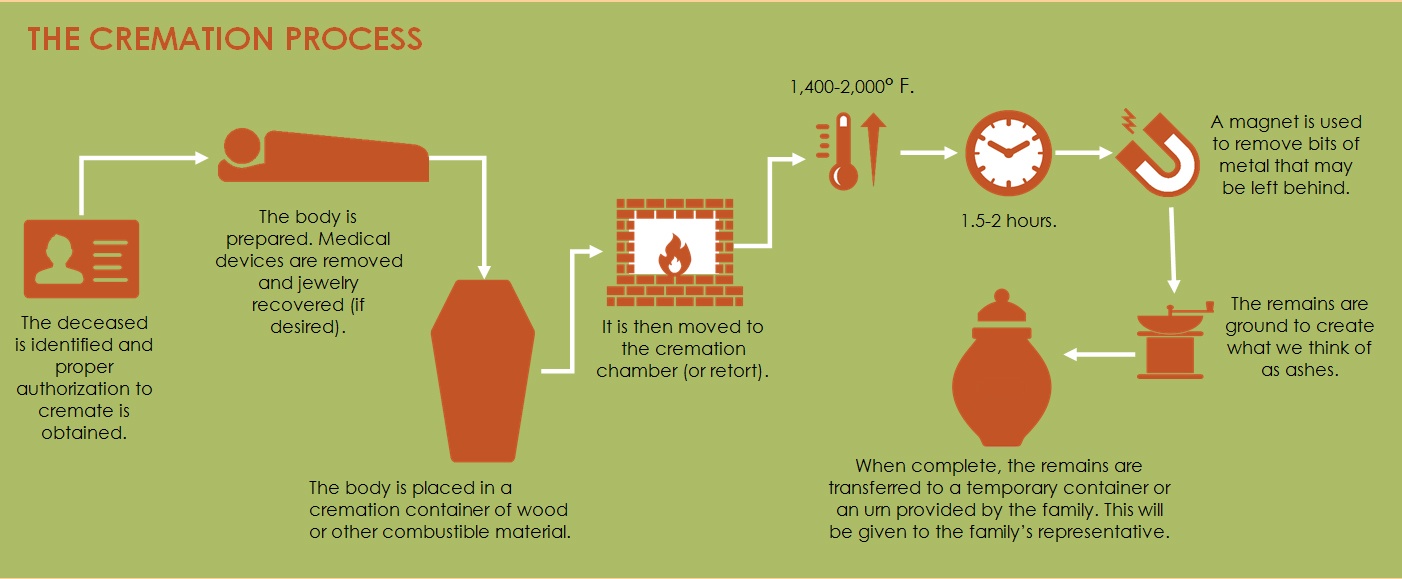
The Financial Mechanics of Final Disposition
Cremation is increasingly chosen for its cost-effectiveness compared to traditional burial, but it still represents a significant “final expense” that impacts the estate’s liquidity. When an individual passes, their estate must cover these costs before the distribution of assets to beneficiaries.
Managing Final Expenses and Estate Liquidity
Before assets are distributed according to a will, the executor must address the “debt of the estate.” Cremation services, while generally costing significantly less than casket burials, still range from $1,000 to $4,000 depending on the provider and the complexity of the memorial service. It is vital for families to understand that these costs are typically paid from the deceased’s bank accounts or via a pre-funded funeral trust. If the estate is illiquid—meaning assets are tied up in real estate or long-term investments—executors may need to advance their own funds or secure short-term loans, which are later reimbursed once probate assets are liquidated.
The Role of Death Certificates in Financial Closure
The legal “aftermath” of cremation cannot proceed without the official death certificate. This document is the master key to unlocking the financial closure of an estate. Financial institutions, insurance companies, and government agencies (such as the Social Security Administration or pension providers) will require certified copies of this document to freeze accounts, stop direct deposits, and initiate the transfer of beneficiary-designated assets. Executors should typically order ten to twenty certified copies to expedite these processes concurrently.
Navigating Probate and Asset Redistribution
Once the cremation process is complete and the urn is in the possession of the family, the focus of the estate shifts to the probate process—the court-supervised method of settling the deceased’s affairs. This stage is where the financial legacy is officially transitioned.
Inventorying Assets and Liabilities
The executor’s primary financial responsibility is to create an exhaustive inventory of the deceased’s holdings. This includes not only tangible assets like real estate and jewelry but also digital assets, brokerage accounts, and retirement funds. Simultaneously, the executor must identify and notify creditors. In most jurisdictions, there is a specific statutory period during which creditors can file claims against the estate. Cremation marks the beginning of the “notification period,” where formal legal notices are published to alert potential creditors.

Handling Retirement Accounts and Life Insurance
Assets with named beneficiaries, such as 401(k)s, IRAs, and life insurance policies, generally bypass the probate process. These assets are typically distributed to the named beneficiaries within weeks of the filing of a death certificate. For the estate manager, the key is to ensure that these accounts are reconciled early. If a beneficiary is deceased or cannot be located, the asset may fall back into the probate estate, complicating the financial settlement and potentially increasing the tax burden on the heirs.
The Long-Term Financial Impact of Estate Settlements
After the immediate logistics of cremation and the basic filings are handled, families often encounter more complex financial scenarios. Tax implications and the liquidation of high-value assets require professional oversight to ensure that the estate’s value is preserved for the beneficiaries.
Tax Obligations of the Deceased
The year of death remains a critical tax year for the deceased. The executor is responsible for filing the final individual income tax return (Form 1040) for the deceased, covering income earned from January 1st until the date of death. Furthermore, if the estate itself generates income—such as interest from bank accounts, dividends, or rental income—during the probate process, a separate “fiduciary income tax return” (Form 1041) may be required. Failing to address these tax obligations can lead to significant penalties, which are ultimately borne by the estate’s remaining assets, thereby reducing the final inheritance.
Real Estate and Portfolio Liquidation
If the estate includes property or a diverse investment portfolio, the executor must decide whether to distribute these assets in-kind or liquidate them. In a volatile market, the timing of liquidation is paramount. Many executors opt to consult with financial advisors to determine the “step-up in basis”—a tax-saving mechanism that adjusts the cost basis of inherited assets to their fair market value at the time of death. Understanding this rule can save beneficiaries thousands of dollars in capital gains taxes when they eventually sell inherited property or stocks.
Proactive Planning: Securing Your Own Financial Legacy
The transition following cremation serves as a powerful reminder of the importance of proactive financial planning. For those currently managing their own portfolios, the most effective way to ease the burden on family members is to create a comprehensive “Legacy Binder.”
Organizing Financial Documentation
A Legacy Binder should contain current account numbers, passwords for digital assets (such as crypto-wallets or online brokerage accounts), insurance policy details, and a clear list of assets and debts. By centralizing this information, you essentially bypass the “detective work” that executors often have to perform. When the financial picture is transparent, the surviving family can focus on the emotional aspects of the loss rather than the administrative exhaustion of locating bank statements or hidden retirement accounts.

The Value of Professional Estate Planning
Attempting to handle an estate without professional guidance is a common source of conflict and financial loss. Engaging an estate attorney or a certified financial planner (CFP) to create a trust or a well-structured will ensures that your assets are protected and that the transition process is as seamless as possible. Trusts, in particular, provide a private, efficient, and often tax-advantaged way to pass on wealth, circumventing the public and often costly probate process entirely.
By viewing the post-cremation period as an extension of one’s overall financial strategy, individuals can ensure that their life’s work serves its intended purpose. Whether it is through the strategic liquidation of assets, the careful navigation of tax liabilities, or the thoughtful organization of digital and physical accounts, the goal is to provide a legacy that offers security and clarity to those who remain. The conclusion of one’s life should not be synonymous with financial disorder; rather, it should be the final, well-executed chapter in a life of deliberate financial stewardship.
aViewFromTheCave is a participant in the Amazon Services LLC Associates Program, an affiliate advertising program designed to provide a means for sites to earn advertising fees by advertising and linking to Amazon.com. Amazon, the Amazon logo, AmazonSupply, and the AmazonSupply logo are trademarks of Amazon.com, Inc. or its affiliates. As an Amazon Associate we earn affiliate commissions from qualifying purchases.