
The repossession of an asset—typically a vehicle—is one of the most jarring experiences a consumer can face. It is a loud, clear signal of financial distress that carries immediate practical consequences and long-term economic echoes. However, the event itself is not the end of the story; rather, it marks the beginning of a complex legal and financial process that dictates your credit health for the next decade. Understanding what happens after the tow truck leaves is essential for anyone looking to mitigate the damage and begin the arduous but necessary journey of financial reconstruction.
In the world of personal finance, a “repo” is more than just the loss of transportation. It is a multi-layered event involving debt reconciliation, credit reporting, and legal obligations. To navigate this period successfully, you must look beyond the immediate shock and focus on the mechanics of the “deficiency balance,” the auction process, and the strategic steps required to rebuild your financial identity.
The Immediate Legal and Financial Realities
Once a vehicle is repossessed, the clock begins to tick on a series of legal requirements that the lender must follow. While the physical asset is gone, the contractual obligation often remains. The period immediately following a repo is defined by communication—or the lack thereof—between the debtor and the financial institution.
The Deficiency Balance: Why You Might Still Owe Money
The most common misconception about repossession is that “giving the car back” or having it taken cancels the debt. In reality, a repossession often results in a “deficiency balance.” This occurs when the amount you owe on the loan is greater than the amount the lender recovers from selling the vehicle.
For example, if you owe $15,000 on a car and the lender sells it at auction for $9,000, there is a $6,000 gap. This gap, however, is widened by repossession fees, storage fees, and auction costs. If these fees total $1,500, your total deficiency balance becomes $7,500. Under most state laws, the lender has the right to sue you for this remaining balance. This debt is no longer “secured” by a car; it becomes an unsecured debt, much like credit card debt, but with the added weight of a recent default.
The Impact on Your Credit Score
A repossession is a “major derogatory” event on a credit report. Unlike a single late payment, a repo signifies a total failure of the original contract. From a money management perspective, the damage is twofold. First, the original account will be marked as “Repossessed,” which can drop a credit score by 100 to 150 points depending on the starting number. Second, the deficiency balance may be sold to a collection agency, creating a second negative entry on your report.
This dual impact can make it nearly impossible to qualify for traditional financing in the near term. Most prime lenders (banks and credit unions) will view a repossession within the last two to three years as an automatic disqualifier for new lines of credit.
Understanding the Sale of the Asset
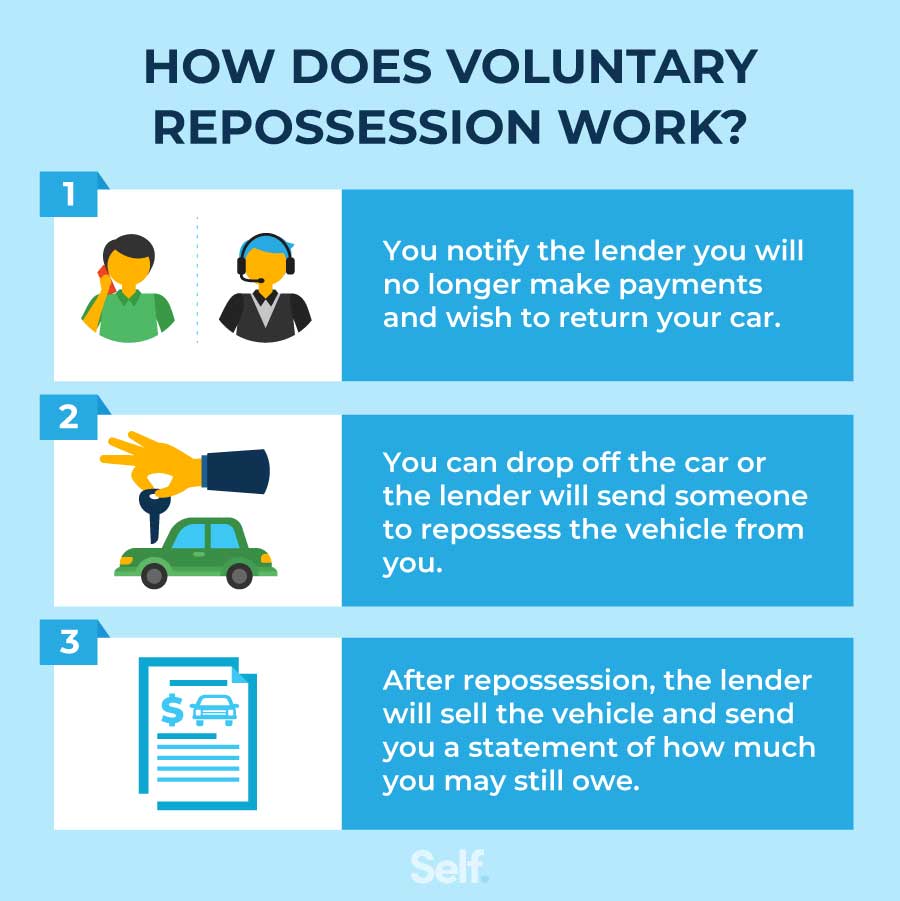
After the repossession, the lender does not simply keep the car. They are legally required to dispose of it in a “commercially reasonable manner.” How they sell the vehicle, and for how much, directly impacts your financial liability.
Public vs. Private Auctions
Lenders typically sell repossessed assets through one of two channels: a public auction or a private sale. You are entitled to receive a “Notice of Intent to Sell,” which outlines when and where the sale will take place. If it is a public auction, you have the right to attend and bid on the vehicle yourself, though this is rarely a viable option for someone already in financial distress.
The significance of the “commercially reasonable” requirement is that the lender cannot simply sell the car to a friend for a dollar. They must attempt to get a fair market price. If they fail to follow the proper legal procedures during the sale, you may have a legal defense against paying the deficiency balance.
Rights of Redemption and Reinstatement
Depending on your state’s laws and the terms of your contract, you may have a brief window to get the vehicle back. This is known as the “Right of Redemption.” To redeem the vehicle, you generally must pay the entire remaining loan balance in one lump sum, plus all repossession costs.

Some states also offer a “Right of Reinstatement.” This is more accessible than redemption; it allows you to get the car back by paying only the past-due amount and the repossession fees, essentially bringing the loan current. However, this window is often very short—sometimes as little as 10 to 15 days following the repo.
Strategic Financial Recovery
Once the asset has been sold and the final deficiency balance has been calculated, the focus must shift from the past to the future. Financial recovery after a repo is not about quick fixes; it is about demonstrating a new pattern of fiscal responsibility.
Rebuilding Credit from the Ground Up
The first step in recovery is stabilizing your other accounts. While the repo sits on your credit report for seven years, its impact diminishes over time—provided no other negative marks are added. To counter the weight of the repo, you must “dilute” the negative data with positive data.
Financial experts often recommend “credit-builder loans” or “secured credit cards” as the first step. With a secured card, you provide a cash deposit that serves as your credit limit. By using this card for small purchases and paying it off in full every month, you begin to rebuild your payment history. In the eyes of a future lender, seeing two years of perfect payments after a repossession is the strongest evidence that your financial situation has stabilized.
Budgeting for Future Transportation
After a repo, your “cost of money” (interest rates) will be significantly higher. If you need a vehicle immediately, you may be forced to use “Buy Here, Pay Here” dealerships, which often charge exorbitant interest rates (20% or higher).
To avoid falling into another cycle of debt, the most sound financial strategy is to pivot to a “cash car” mindset. During the recovery phase, saving a few thousand dollars for a reliable, older used vehicle is often wiser than taking on a high-interest subprime loan. This removes the risk of a second repossession and allows you to allocate money toward paying off the deficiency balance or building an emergency fund.
Long-term Implications for Your Financial Profile
A repossession is a marathon, not a sprint. It stays on your credit report for seven years from the date of the first delinquency that led to the repo. Understanding how to live with this mark on your record is vital for long-term financial planning.
How Long Does a Repo Stay on Your Record?
As mentioned, the seven-year rule applies to the reporting of the event. However, the legal “statute of limitations” for the debt itself varies by state. In some jurisdictions, a lender can sue you for a deficiency balance many years after the car is gone. It is crucial to keep all documentation regarding the sale of the vehicle and any payments made toward the deficiency. If the debt is sold to a third-party collector, ensure that all communication is in writing and that you verify the debt before making payments.
Future Borrowing: Finding Lenders After a Default
While a repo is a major hurdle, it is not a permanent barrier to homeownership or future vehicle financing. Most mortgage lenders (such as those for FHA loans) require a certain amount of time to pass—usually two to three years—following a major credit event like a repo or foreclosure.
When you do return to the credit market, you will need to be prepared to explain the circumstances of the repossession. Lenders are more sympathetic to “extenuating circumstances” (such as medical emergencies or a temporary job loss) followed by a period of stability than they are to a general pattern of late payments. Being proactive about your financial narrative is key.
Conclusion
What happens after a repo is a rigorous test of financial resilience. It begins with the harsh reality of deficiency balances and credit score drops, moves through the legalities of asset auctions, and eventually leads to a long period of credit reconstruction. While the immediate loss of an asset is a setback, the true danger lies in ignoring the subsequent financial obligations. By addressing the deficiency balance, utilizing secured credit tools, and adopting a more conservative approach to debt, you can navigate the aftermath of a repossession and eventually restore your standing in the financial world. The road is long, but it is paved with the lessons learned from the repo, ensuring that future financial decisions are built on a more stable foundation.
aViewFromTheCave is a participant in the Amazon Services LLC Associates Program, an affiliate advertising program designed to provide a means for sites to earn advertising fees by advertising and linking to Amazon.com. Amazon, the Amazon logo, AmazonSupply, and the AmazonSupply logo are trademarks of Amazon.com, Inc. or its affiliates. As an Amazon Associate we earn affiliate commissions from qualifying purchases.