
A concussion, a mild traumatic brain injury (mTBI), can have a profound and often complex aftermath. While the immediate impact is widely recognized, the journey through recovery and potential long-term management is increasingly supported by innovative technological advancements. Beyond traditional medical care, a growing ecosystem of software, gadgets, and AI tools is transforming how individuals monitor symptoms, undergo rehabilitation, and navigate the post-concussion landscape, enhancing both patient outcomes and clinician capabilities.
The Immediate Aftermath: Digital Tools for Initial Assessment and Monitoring
The period immediately following a concussion is crucial for accurate diagnosis, symptom management, and preventing further injury. Technology provides critical support, enabling both patients and healthcare providers to track the evolving condition with greater precision and accessibility.
Mobile Applications for Symptom Tracking
Smartphone applications have become indispensable tools for individuals recovering from a concussion. These apps empower users to log a wide array of symptoms, including headaches, dizziness, nausea, light sensitivity, cognitive fogginess, and sleep disturbances. Many provide intuitive interfaces for daily check-ins, allowing users to rate symptom severity and track their progression over time. Beyond simple logging, some advanced apps offer guided cognitive exercises, mindfulness practices to manage anxiety, and educational resources about concussion recovery. The data collected can be easily shared with medical professionals, providing a comprehensive, real-time snapshot of the patient’s condition, which aids in tailoring treatment plans and making informed decisions about return-to-play or return-to-learn protocols. The consistency and detail provided by these digital logs surpass what can typically be recalled during intermittent clinical visits.
Wearable Devices for Physiological Monitoring
Wearable technology, ranging from smartwatches to specialized headbands, offers another layer of insight into post-concussion recovery. These devices can continuously monitor vital physiological parameters that may be affected by a concussion, such as heart rate variability, sleep patterns, activity levels, and even subtle changes in gait or balance. For instance, disruptions in sleep architecture are common after a concussion; wearables can track sleep stages, duration, and disturbances, helping to identify potential issues like insomnia or restless sleep that impede recovery. Accelerometers and gyroscopes in smart devices can also assess balance and coordination, providing objective data points on potential neurological impairments. While not diagnostic tools themselves, the data from wearables provides valuable supplementary information, helping patients and clinicians observe trends, identify potential setbacks, and correlate physiological changes with reported symptoms, thereby optimizing activity levels and rest periods.
Navigating Post-Concussion Syndrome (PCS) with Technology
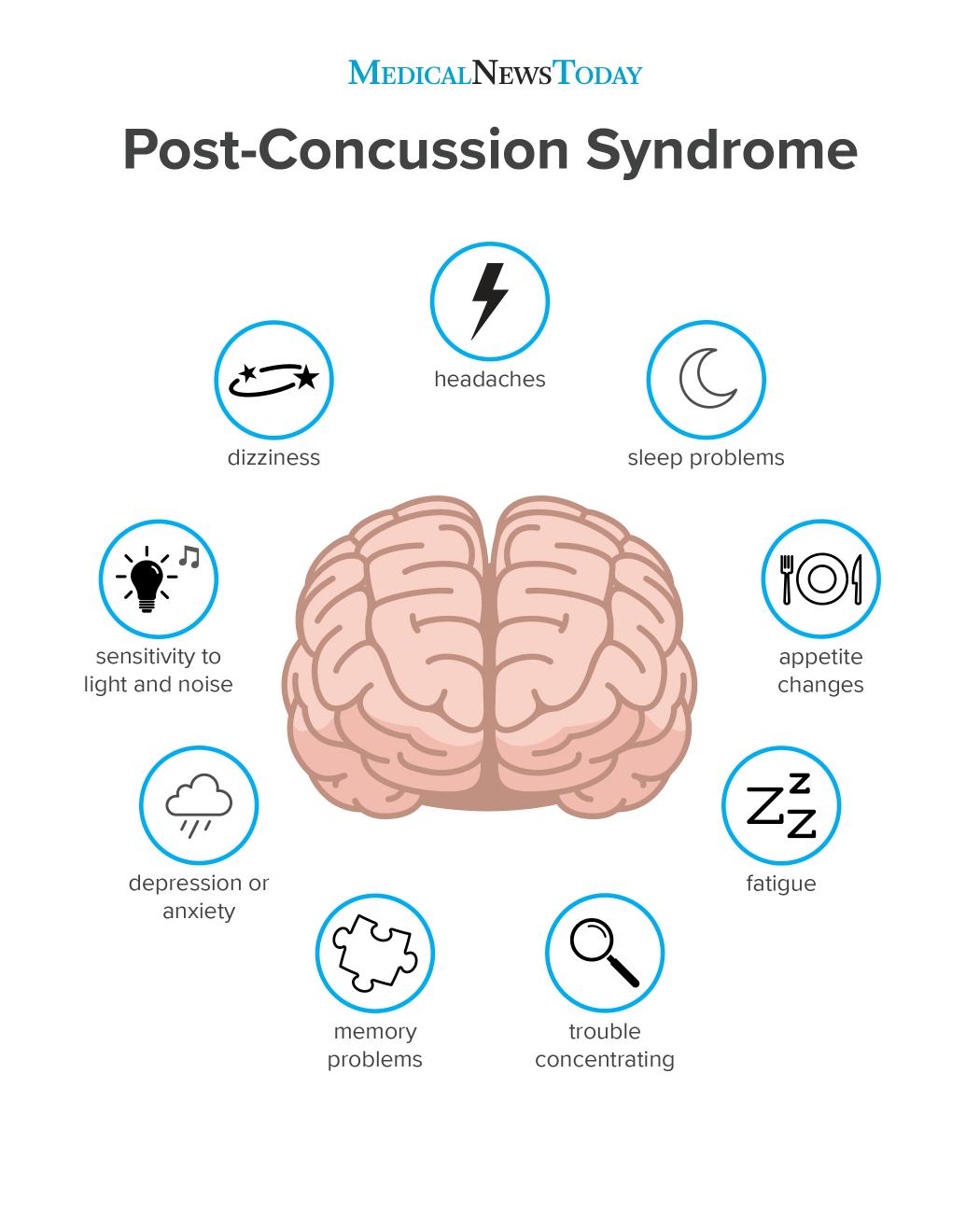
For a significant percentage of individuals, concussion symptoms can persist for weeks, months, or even longer, leading to Post-Concussion Syndrome (PCS). Technology offers sophisticated solutions for diagnosis refinement, personalized rehabilitation, and daily functional support for those navigating PCS.
AI-Powered Diagnostics and Personalized Recovery Plans
Artificial intelligence is rapidly advancing the capabilities for diagnosing concussions and predicting recovery trajectories. AI algorithms, trained on vast datasets of neuroimaging, clinical assessments, and patient outcomes, can assist in identifying subtle biomarkers or patterns indicative of a concussion that might be missed by the human eye. Beyond initial diagnosis, AI can analyze individual patient data – including symptom reports, physiological metrics from wearables, and even genetic predispositions – to generate highly personalized recovery plans. These plans might recommend specific cognitive exercises, targeted physical therapy, or tailored rest protocols, adjusting dynamically based on the patient’s real-time progress. This level of personalized care, informed by data-driven insights, promises to optimize recovery pathways and mitigate the risk of prolonged symptoms.
Virtual Reality and Augmented Reality for Cognitive Rehabilitation
Virtual Reality (VR) and Augmented Reality (AR) are revolutionizing cognitive and vestibular rehabilitation for concussion patients. VR environments can simulate real-world scenarios in a controlled setting, allowing patients to practice tasks that challenge their balance, visual processing, and attention without the risks associated with actual environments. For example, a patient struggling with dizziness or visual motion sensitivity might navigate a virtual grocery store, gradually increasing the complexity and movement within the environment. AR applications can overlay digital information onto the real world, providing guided exercises or cues that help patients re-engage with their surroundings while providing real-time feedback. These immersive technologies make rehabilitation more engaging, measurable, and adaptable, offering a powerful tool for rebuilding cognitive functions and spatial awareness disrupted by a concussion.
Assistive Technologies for Daily Function
For those experiencing persistent cognitive deficits like memory problems, executive dysfunction, or attention issues due to PCS, a range of assistive technologies can significantly improve daily functioning. Digital calendars, reminder apps, and task management software can help individuals organize their schedules, remember appointments, and break down complex tasks into manageable steps. Voice-to-text software and dictation tools can reduce cognitive load associated with writing. Noise-canceling headphones, a simple yet effective gadget, can help manage auditory sensitivities and improve focus in overstimulating environments. Specialized light-filtering glasses can alleviate light sensitivity and digital eye strain. These tools, while not directly treating the concussion, play a vital role in enabling individuals to maintain independence, manage their symptoms effectively, and reintegrate into their academic, professional, and social lives.
The Role of Software and Data in Long-Term Concussion Management
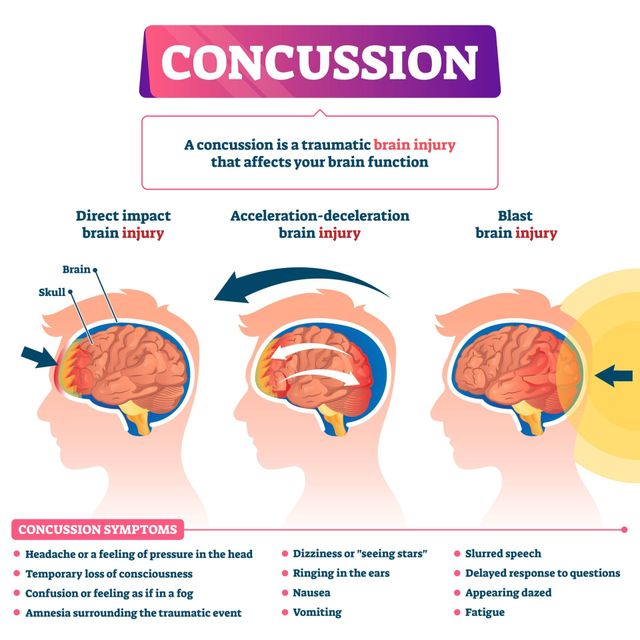
Managing the long-term effects of a concussion, particularly in cases of PCS or repeated head injuries, necessitates a comprehensive approach that heavily relies on robust software and secure data management.
Telemedicine and Remote Consultations
Telemedicine platforms have emerged as a critical component of concussion care, particularly for individuals in rural areas or those with mobility issues related to their symptoms. Secure video conferencing and remote monitoring tools allow patients to consult with specialists – neurologists, neuropsychologists, physical therapists – from the comfort of their homes. This reduces travel burden, conserves energy, and ensures continuity of care, which is vital for chronic conditions. Telemedicine appointments can facilitate follow-up assessments, medication management, and ongoing rehabilitation exercises, effectively bridging geographical gaps and improving access to specialized care. Secure digital platforms ensure patient privacy and compliance with healthcare regulations, making remote care a viable and effective option for long-term management.
Secure Health Data Platforms and Interoperability
The collection of vast amounts of patient data – from symptom logs and wearable metrics to neuroimaging and clinical notes – necessitates secure and interoperable health data platforms. Electronic Health Records (EHRs) and specialized concussion management software are designed to consolidate this information, creating a comprehensive, longitudinal view of a patient’s recovery journey. The ability to securely share this data across different healthcare providers – from primary care physicians to concussion specialists and rehabilitation therapists – ensures a coordinated approach to care. Interoperability standards are key to allowing different systems to communicate seamlessly, preventing data silos and ensuring that all members of a patient’s care team have access to the most up-to-date and complete information, leading to better-informed decisions and improved patient safety.
Big Data Analytics for Research and Prevention
Beyond individual patient care, the aggregated and anonymized data from thousands of concussion cases, collected via digital platforms, offers an invaluable resource for big data analytics. Researchers can leverage these massive datasets to identify trends, risk factors, and prognostic indicators that were previously impossible to discern. This can lead to a deeper understanding of concussion pathophysiology, the development of more effective treatments, and potentially, strategies for prevention. For example, analyzing patterns of symptom resolution in different populations or correlating specific injury mechanisms with long-term outcomes can inform public health initiatives, improve safety protocols in sports, and guide the development of future diagnostic and therapeutic technologies.
Emerging Tech Trends: Future of Concussion Care
The landscape of concussion management is continually evolving, with cutting-edge technologies promising even more refined diagnostic capabilities and innovative therapeutic interventions.
Brain-Computer Interfaces (BCIs)
While still largely experimental for concussion, Brain-Computer Interfaces (BCIs) hold future promise, particularly for severe or persistent post-concussion challenges. BCIs could potentially assist in cognitive rehabilitation by providing direct neural feedback, allowing patients to train specific brain regions or pathways. For individuals with severe motor or communication deficits resulting from very complex TBIs that might follow an initial concussion, advanced BCI applications could restore communication or control of assistive devices. The ethical and practical challenges are significant, but the potential for neuro-feedback and direct cognitive modulation offers a fascinating glimpse into future restorative therapies.
Advanced Neuroimaging Techniques
Traditional neuroimaging (CT, standard MRI) often fails to detect the microscopic structural and functional changes associated with concussions. However, advanced neuroimaging techniques are pushing the boundaries. Diffusion Tensor Imaging (DTI) can visualize the integrity of white matter tracts, which are often subtly damaged in concussions. Functional MRI (fMRI) can map brain activity and connectivity, revealing dysfunctions in neural networks. Magnetoencephalography (MEG) offers highly precise temporal resolution of brain electrical activity, capable of detecting subtle anomalies post-concussion. These sophisticated technologies, combined with AI for pattern recognition, are moving towards providing more objective biomarkers for concussion diagnosis, severity assessment, and prognostication, transforming our understanding and management of these injuries.

Gamification for Engagement and Adherence
Gamification involves applying game-design elements and game principles in non-game contexts. In concussion recovery, this translates to turning therapeutic exercises and adherence to treatment plans into engaging, rewarding experiences. Mobile apps or VR programs can incorporate points, badges, leaderboards, and progress tracking to motivate patients to complete cognitive exercises, maintain symptom logs, and adhere to prescribed rest or activity levels. This approach can be particularly effective for younger patients but also benefits adults by making the often-arduous recovery process more enjoyable and less monotonous, thereby improving compliance and ultimately, recovery outcomes.
The journey after a concussion is rarely linear, but the increasing integration of technology into every phase of care – from immediate assessment to long-term management and rehabilitation – is paving the way for more effective, personalized, and accessible support. As technology continues to evolve, the future promises even more sophisticated tools to help individuals not just recover, but thrive after a concussion.
aViewFromTheCave is a participant in the Amazon Services LLC Associates Program, an affiliate advertising program designed to provide a means for sites to earn advertising fees by advertising and linking to Amazon.com. Amazon, the Amazon logo, AmazonSupply, and the AmazonSupply logo are trademarks of Amazon.com, Inc. or its affiliates. As an Amazon Associate we earn affiliate commissions from qualifying purchases.