
The Oscar Incident: A Seismographic Event for a Personal Brand
The 2022 Academy Awards ceremony unexpectedly became a pivotal moment in the narrative of one of Hollywood’s most carefully cultivated personal brands: Will Smith. Known for decades as a charismatic, family-friendly, and consistently positive public figure, Smith’s brand was built on an almost unblemished record of success, geniality, and relatable aspirational living. He was the “Fresh Prince” who grew into a global superstar, an embodiment of the American dream through talent and hard work. His persona was meticulously crafted, projecting an image of integrity, kindness, and unwavering professionalism, making him a reliable choice for family entertainment and a magnet for lucrative endorsements.
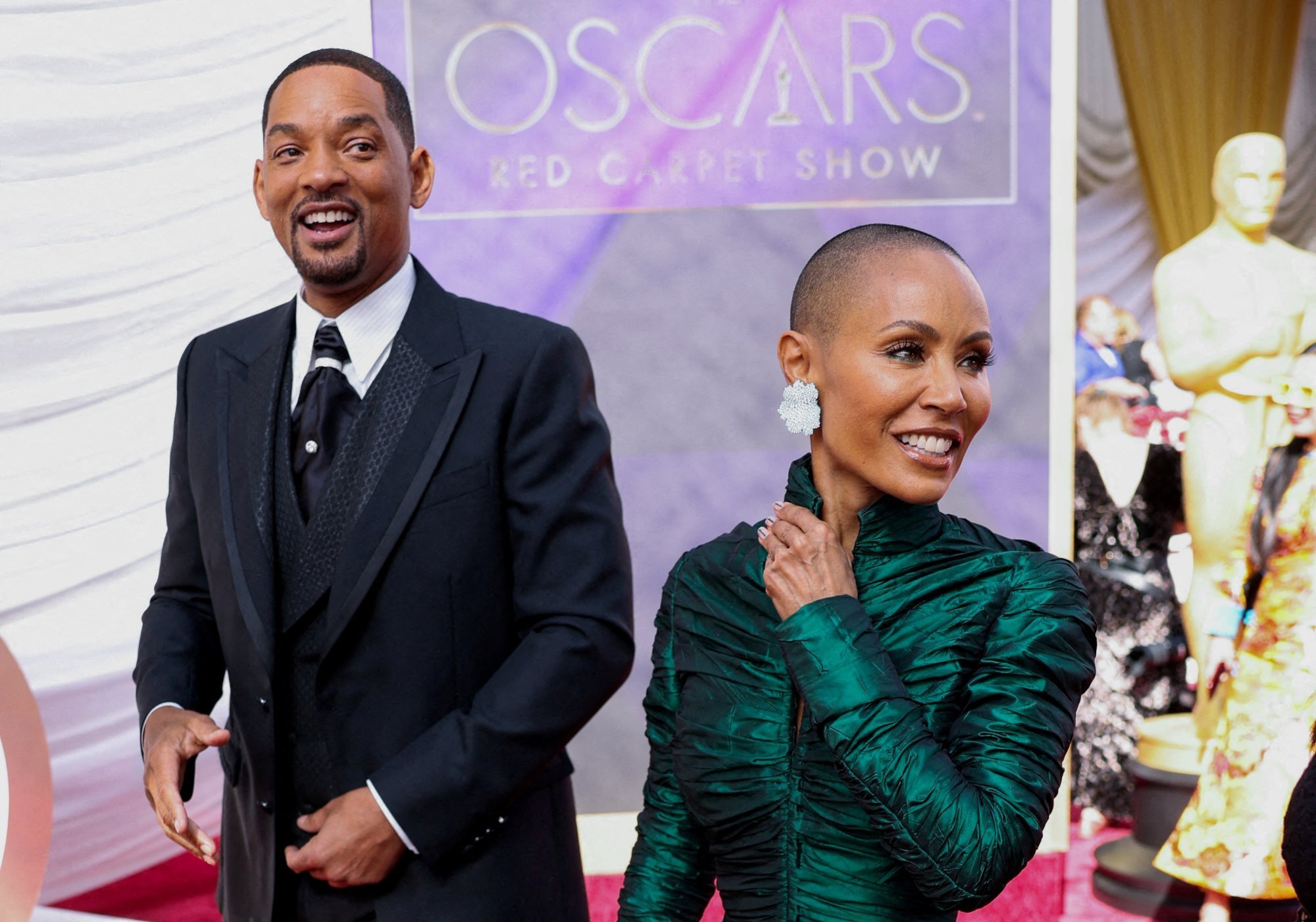
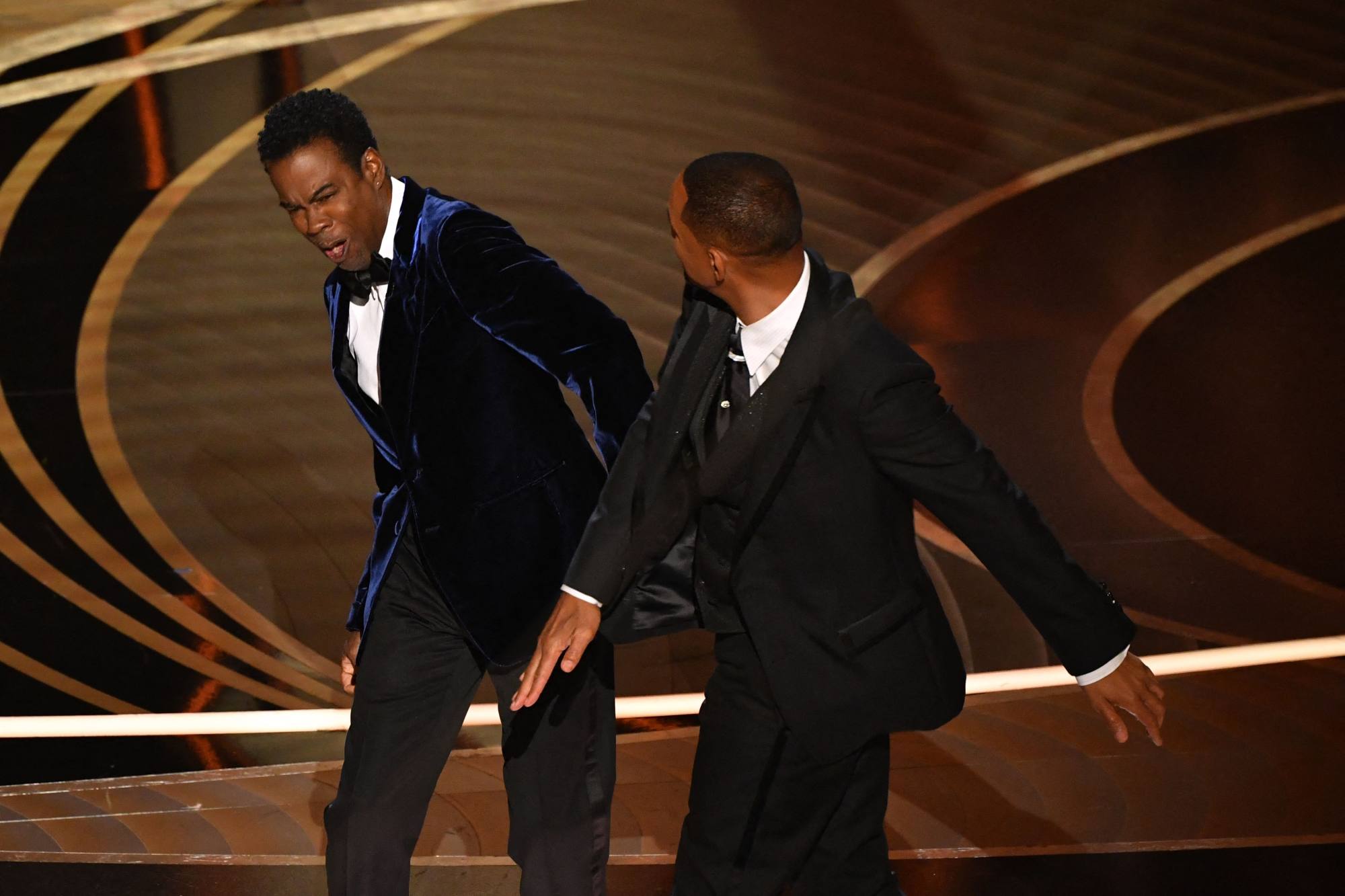
However, in one unforeseen, unscripted moment, this meticulously constructed edifice faced an unprecedented challenge. During the live telecast, following a joke made by presenter Chris Rock about Jada Pinkett Smith’s shaved head, Will Smith walked onto the stage and slapped Rock. The immediate aftermath was a global shockwave, broadcasting an act of raw, unfiltered aggression from a star whose brand was antithetical to such behavior. This singular event did not just spark outrage and debate; it fundamentally altered the public’s perception of Will Smith, initiating an intense and widespread re-evaluation of his character, judgment, and the very foundation of his personal brand equity. It was a crisis of monumental proportions, played out in real-time before billions, instantly transforming a carefully managed image into a complex, contested narrative. The incident served as a stark reminder of the fragility of even the most established personal brands in an era of constant public scrutiny and immediate digital dissemination.
Immediate Aftermath and Brand Erosion Control
The fallout from the Oscar incident was swift and multifaceted, impacting every facet of Smith’s personal brand. In the immediate hours and days, the digital landscape erupted with analyses, condemnations, and debates. Social media platforms became global town squares where millions processed and reacted to the event, creating an unmanageable vortex of opinion that directly contributed to brand erosion. Smith’s carefully curated image of composure and benevolence was shattered, replaced by an association with aggression and impulsivity. The immediate consequence was a sharp decline in his public approval ratings, particularly among demographic groups that previously admired his family-man persona.
Recognizing the gravity of the situation, Smith’s team initiated a damage control strategy. His initial public response came via an Instagram post, a carefully worded apology to Chris Rock and the Academy, acknowledging his actions were “unacceptable and inexcusable.” This was followed by his resignation from the Academy of Motion Picture Arts and Sciences, a pre-emptive move before potential disciplinary action, and later, a more extensive video apology released months later, featuring him directly addressing questions about the event. These actions represented an attempt to regain control of the narrative, to demonstrate contrition and a commitment to personal accountability. However, the timing and perceived sincerity of these apologies were subjects of intense public and media scrutiny. For many, the apology felt delayed or insufficient to fully address the profound damage to his brand. The incident also triggered a re-evaluation of past behaviors, bringing older stories and controversies back into the spotlight, further complicating the brand’s rehabilitation efforts and deepening the crisis.
The Road to Rehabilitation: Strategy, Authenticity, and Patience
Rebuilding a personal brand after such a high-profile controversy is a long, arduous process requiring a multi-pronged strategy rooted in authenticity and patience. For Will Smith, the journey involved more than just issuing apologies; it necessitated a period of introspection, withdrawal from the immediate public eye, and a deliberate recalibration of his public persona. The initial phase involved a strategic retreat from the spotlight, allowing time for the intense public fervor to subside and for a more measured approach to be formulated. This period of relative silence, punctuated by controlled releases of information or carefully crafted statements, aimed to demonstrate a commitment to reflection rather than immediate PR-driven image repair.
A critical element of any brand rehabilitation strategy is demonstrating genuine remorse and taking actionable steps to atone. Smith’s extended video apology, released several months after the incident, was an attempt to provide a more comprehensive and heartfelt acknowledgment of his wrongdoing. In this video, he expressed deep regret, addressed the questions and concerns directly, and conveyed an understanding of the impact his actions had on others. The effectiveness of such a strategy hinges on its perceived authenticity. Audiences are increasingly adept at discerning genuine sentiment from calculated PR, and any hint of insincerity can further damage trust.
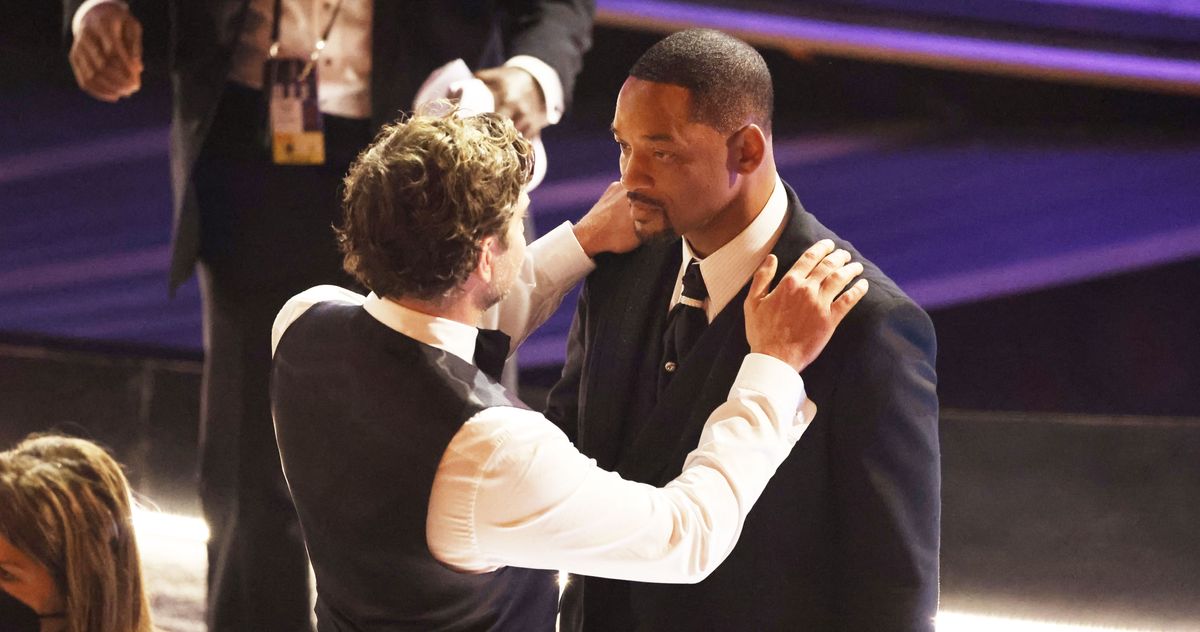
Beyond words, the rehabilitation process often demands a visible commitment to personal growth and behavioral change. For a personal brand, this means aligning future actions with the desired new narrative. This might involve engaging in charitable work, advocating for mental health awareness, or simply demonstrating a sustained period of low-key, controversy-free behavior. The objective is to slowly re-establish positive associations and rebuild trust, one step at a time. This road is not linear and requires immense patience, as public perception shifts incrementally and skepticism remains high. The ultimate success of such a strategy depends on Smith’s ability to consistently project a renewed sense of self-awareness and a commitment to the values he wants his brand to embody moving forward.
Beyond the Headlines: Endorsements, Projects, and Public Perception
The impact of the Oscar incident extended far beyond immediate public opinion, rippling into Will Smith’s professional life, affecting endorsement deals, future projects, and his overall commercial viability. Personal brands, especially those of global celebrities, are highly dependent on their perceived trustworthiness and broad appeal for securing lucrative contracts and film roles. Smith’s association with numerous high-profile brands, which had long capitalized on his wholesome image, came under immediate scrutiny. While some partners maintained their relationships, others either paused or quietly distanced themselves, illustrating the direct correlation between a personal brand’s integrity and its market value. Brands are inherently risk-averse and will typically avoid associations that could tarnish their own image or alienate their customer base.
The film industry, too, reacted with caution. Projects that were in various stages of development with Smith reportedly faced delays or were put on hold. Hollywood studios and production houses, like advertisers, prioritize commercial success and public acceptance. A tarnished brand, even that of a major star, can introduce uncertainty into box office projections and streaming viewership, making studios hesitant to invest heavily. The incident forced a re-evaluation of Smith’s bankability, at least in the short to medium term.
Over time, however, public memory can fade, and narratives can evolve. The entertainment industry often allows for redemption arcs, provided there is a sustained period of rehabilitation and a compelling new story to tell. For Smith, the challenge now is to navigate this evolving landscape. His future career trajectory will depend on a delicate balance: selecting projects that resonate with a more mature, perhaps introspective, persona; demonstrating consistent professionalism; and rebuilding goodwill with both the industry and the public. The long-term success of his brand will be measured not by the absence of controversy, but by his ability to transcend it, learn from it, and ultimately define a new, perhaps more complex but authentic, version of his personal brand that audiences can once again embrace. The incident undoubtedly marked a turning point, ushering in an era where his brand will forever carry the weight of that moment, but also present an opportunity for a powerful narrative of resilience and growth.
Lessons in Personal Branding from a High-Stakes Scenario
The Will Smith incident at the Oscars offers invaluable, albeit harsh, lessons for anyone managing a personal brand, especially in the digital age where every action can be amplified globally. Firstly, it underscores the paramount importance of consistency between perceived brand values and actual behavior. Smith’s brand was built on positive values, but his actions momentarily contradicted them, creating a profound dissonance that rocked his public standing. For any individual, maintaining alignment between what is professed and what is practiced is crucial for building and maintaining trust.
Secondly, the incident highlights the extreme vulnerability of personal brands to unforeseen crises. Even the most established and robust brands can be fundamentally reshaped by a single, public misstep. This necessitates having a crisis communication strategy in place, or at least an understanding of how to respond with speed, sincerity, and strategic thought. Prompt and genuine accountability, though often painful, is far more effective than denial or delayed reactions in mitigating long-term damage.
Thirdly, the role of authenticity in apologies and rehabilitation cannot be overstated. In an era where audiences are highly attuned to inauthenticity, any attempt at superficial image repair can backfire. True brand rehabilitation requires demonstrating genuine remorse, a commitment to personal growth, and tangible actions that align with a desired new brand narrative. This process is inherently long-term and demands patience, as trust is rebuilt incrementally, not instantly.
Finally, the incident reveals the immense power of public perception and digital discourse in shaping and altering a brand’s narrative. Social media’s instantaneous and global reach means that brand crises unfold in real-time, with millions contributing to the conversation. Understanding this dynamic and managing one’s digital footprint is no longer optional but essential for personal brand resilience. Ultimately, the Will Smith saga serves as a compelling case study on the enduring fragility of reputation, the critical need for integrity, and the complex, enduring work required to maintain and evolve a personal brand in the relentless glare of the public eye.
aViewFromTheCave is a participant in the Amazon Services LLC Associates Program, an affiliate advertising program designed to provide a means for sites to earn advertising fees by advertising and linking to Amazon.com. Amazon, the Amazon logo, AmazonSupply, and the AmazonSupply logo are trademarks of Amazon.com, Inc. or its affiliates. As an Amazon Associate we earn affiliate commissions from qualifying purchases.