
In the high-stakes world of professional sports, an athlete’s personal brand is often their most valuable asset. It is the intangible engine that drives endorsement deals, media opportunities, and long-term career viability. However, the case of former Baltimore Ravens running back Ray Rice serves as one of the most significant cautionary tales in the history of modern brand strategy. What happened with Ray Rice was not merely a legal or disciplinary event; it was a total and irreversible collapse of a multi-million dollar personal brand and a pivotal moment that forced a massive corporate entity—the National Football League (NFL)—to fundamentally restructure its approach to crisis management and public relations.
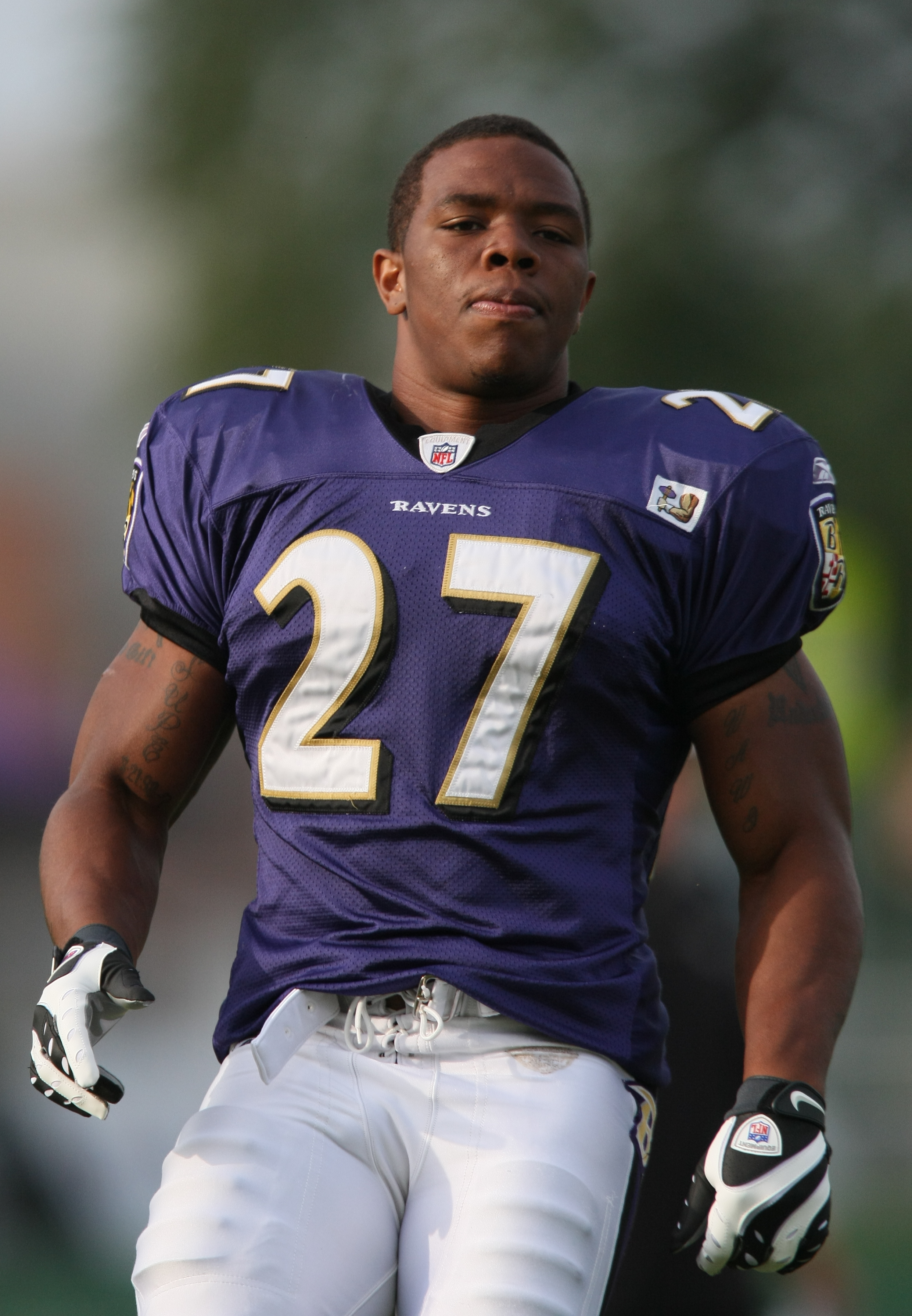
To understand the trajectory of Ray Rice’s brand, one must analyze the mechanics of reputation, the impact of visual media on consumer perception, and the shift in corporate accountability that has since redefined how organizations handle brand-threatening scandals.
The Anatomy of a Brand Implosion: From Community Pillar to National Pariah
Before the events of February 2014, Ray Rice was the quintessential “brand-safe” athlete. He was the face of the Baltimore Ravens, known not just for his agility on the field but for his perceived character off it. His brand was built on the pillars of reliability, community involvement, and a relatable, “underdog” persona due to his smaller stature in a league of giants. This positive brand equity made him a darling for sponsors and a localized hero in the Baltimore market.
The destruction of this brand occurred in two distinct phases, illustrating the difference between a “manageable” brand crisis and a “terminal” one. The initial report of a domestic altercation at an Atlantic City casino created a crack in the brand veneer, but it was the release of the physical video evidence by TMZ that acted as the demolition charge.
In brand strategy, the “Visual Narrative” often overrides the “Written Narrative.” While the public knew of the incident, the visceral nature of the video evidence transformed an abstract legal issue into an emotional, visual reality for the consumer. This transition shifted the Ray Rice brand from “a person involved in a legal dispute” to “a person defined by a singular act of violence.” In the eyes of the public and stakeholders, the brand was no longer salvageable because the core promise—integrity and relatability—had been fundamentally betrayed.
The Power of the Visual Inflection Point
In the digital age, a brand is only as strong as its most viral moment. For Rice, the video evidence removed the “benefit of the doubt” that often protects high-value personal brands. When a brand’s identity is built on being a “role model,” a direct contradiction captured on film creates cognitive dissonance that the consumer cannot resolve. This forced an immediate “devaluation” of the Ray Rice brand, leading to a total cessation of demand for his likeness, his jersey, and his presence on the field.
Corporate Brand Accountability: The NFL’s Governance Crisis
The Ray Rice incident did not just destroy a personal brand; it nearly derailed the corporate brand of the NFL. What happened with Ray Rice became a litmus test for the league’s leadership and its commitment to its stated values. Initially, the NFL’s brand response was criticized as being “tone-deaf” and “insufficient,” with a mere two-game suspension. This initial failure in crisis management highlighted a significant gap between the NFL’s marketing—which frequently targeted female demographics—and its internal disciplinary actions.
The backlash was a textbook example of “Brand Hypocrisy.” When a corporation’s actions do not align with its marketing messages, the resulting loss of trust can be catastrophic. The NFL found itself in a defensive crouch, facing pressure from sponsors, advocacy groups, and the general public.
The Pivot to Social Responsibility
To save the collective brand of the league, the NFL had to undergo a radical shift in its governance strategy. This involved:
- Strict New Policies: The implementation of a zero-tolerance framework for domestic violence, intended to signal to the market that the league’s brand was being “cleaned up.”
- Strategic Partnerships: Investing heavily in domestic violence awareness campaigns, effectively attempting to “rebrand” the league from an enabler to an advocate.
- The Sacrifice of the Asset: For the Ravens and the NFL, the only way to protect the “Shield” (the NFL logo) was to completely sever ties with Rice. This move demonstrated that in corporate branding, the health of the collective is always prioritized over the survival of the individual asset.

The Financial and Endorsement Fallout: The Cost of Ethical Failure
In the ecosystem of sports branding, endorsements act as a secondary revenue stream that often exceeds a player’s salary. Ray Rice’s portfolio included major partnerships with Nike, EA Sports, and several regional brands. The speed with which these entities moved to distance themselves from Rice provides a masterclass in “Brand Preservation.”
When a personal brand becomes toxic, corporate partners face “Contagion Risk.” If Nike continued to feature Rice, his negative associations would bleed into the Nike brand, suggesting a tacit approval of his actions. To prevent this, the following steps were taken:
- Immediate Termination: Nike terminated its contract with Rice within hours of the second video release.
- Digital Sanitization: EA Sports removed Rice from the Madden NFL video game roster via a digital update. This was a significant move in “Digital Brand Management,” as it allowed the publisher to physically remove the toxic element from the consumer’s hands.
- Asset Reclamation: The Baltimore Ravens offered a jersey exchange program, allowing fans to swap Rice’s #27 for other players. This was a strategic effort to “erase” the brand’s physical presence from the stadium, ensuring that television broadcasts would not feature thousands of fans wearing a symbol of the scandal.
The Loss of Long-Term Marketability
The financial impact extended far beyond the loss of his $35 million contract. The “lifetime value” of the Ray Rice brand plummeted to zero. In personal branding, the goal is often to transition from “active player” to “legacy brand” (like Michael Jordan or Peyton Manning). The scandal ensured that Rice would never have a legacy brand; he was effectively barred from the lucrative worlds of sports broadcasting, corporate speaking, and brand ambassadorship.
Beyond the Scandal: The Mechanics of Personal Rebranding and Social Impact
Since 2014, Ray Rice has attempted a long-term, quiet strategy of personal rebranding. Unlike many who attempt to “spin” a crisis, Rice’s approach has focused on “Accountability Branding.” He has largely stayed out of the spotlight, choosing instead to engage in domestic violence prevention work and speaking to younger athletes about the consequences of their actions.
From a brand perspective, this is a “Penitence Strategy.” It is a slow, multi-decade process that focuses on social utility rather than commercial gain. Rice has acknowledged that his “NFL brand” is dead, and his “public brand” is now defined by advocacy.
The Limits of Brand Rehabilitation
This case raises an essential question in brand strategy: Is there such a thing as a “non-recoverable” brand? In the commercial sense, the answer for Rice was yes. While he has gained a level of respect for his consistent advocacy work, he remains “unmarketable” for major corporations. This distinction is vital for brand managers to understand: public forgiveness does not equal commercial viability. A brand can be respected for its growth and atonement while still being seen as too “risky” for a partnership.
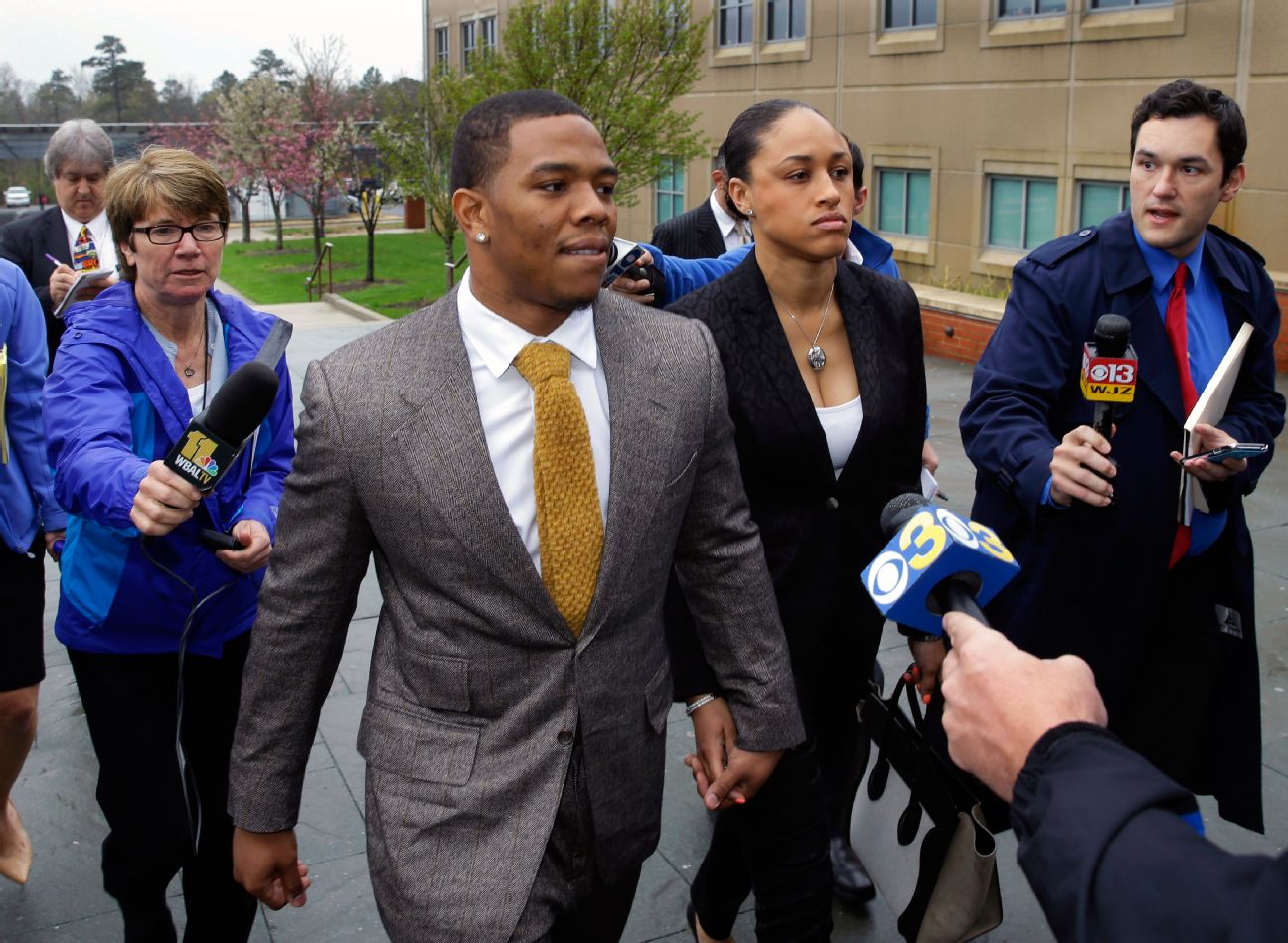
Lessons for Modern Brand Managers and Public Figures
The Ray Rice incident changed the rules of engagement for personal and corporate branding. It highlighted the fragility of reputation in an era of instant information and visual dominance. There are three core takeaways for anyone managing a high-profile brand today:
- The “Video Rule” of Crisis Management: If there is visual evidence of a transgression, the brand crisis is exponentially more severe. Strategy must move at the speed of social media, not the speed of the legal system.
- Values-Based Governance: Corporations can no longer afford to be reactive. They must have clear, value-aligned protocols in place before a crisis occurs. The NFL’s struggle was a result of not having a brand-aligned policy for domestic violence until they were forced to create one under duress.
- The Permanence of the Digital Footprint: In the past, a scandal might fade from public memory. Today, search engines and social media archives ensure that a brand’s greatest failure is always one click away. This necessitates a shift from “image management” to “character-based branding.”
What happened with Ray Rice was a seismic shift in the intersection of sports, ethics, and marketing. It demonstrated that a brand built over decades can vanish in seconds when it violates the fundamental social contract with its audience. For the Ravens and the NFL, it was a hard-learned lesson in corporate responsibility. For athletes and public figures, it remains the ultimate warning: your brand is your most powerful tool, but without a foundation of integrity, it is also your most vulnerable liability.
aViewFromTheCave is a participant in the Amazon Services LLC Associates Program, an affiliate advertising program designed to provide a means for sites to earn advertising fees by advertising and linking to Amazon.com. Amazon, the Amazon logo, AmazonSupply, and the AmazonSupply logo are trademarks of Amazon.com, Inc. or its affiliates. As an Amazon Associate we earn affiliate commissions from qualifying purchases.