
The trajectory of O.J. Simpson’s life remains one of the most polarizing and complex case studies in the history of personal branding. Long before the “Trial of the Century,” Simpson was the gold standard for athlete-turned-celebrity endorsements. He was the charismatic face of Hertz, the approachable star of the silver screen, and a man whose personal brand was synonymous with success, affability, and mainstream American acceptance. However, the events of 1994 and the subsequent legal battles fundamentally shattered that image, creating a legacy that serves as a cautionary tale for how quickly a carefully curated reputation can collapse under the weight of scandal and public scrutiny.

The Zenith of the “Golden” Brand
To understand the magnitude of the fall, one must first recognize the sheer altitude of the brand Simpson occupied. In the 1970s and 80s, the O.J. Simpson brand was an asset of immense corporate value. His transition from a legendary NFL running back to a commercial powerhouse was seamless.
The Power of Charisma and Commercial Appeal
Simpson’s branding strategy relied heavily on the “likability factor.” Brands like Hertz capitalized on his image as an approachable, dynamic athlete. Unlike many of his contemporaries who remained confined to the world of sports, Simpson entered the living rooms of everyday Americans through advertising and film. He represented the ideal American dream: talent, grace, and an unassuming charm that bridged cultural divides. He was not just a spokesperson; he was a trusted companion to the American consumer.
The Strategic Value of “The Safe Star”
Before the 1990s, corporate identity surrounding Simpson was defined by safety. Companies felt secure associating their products with his persona. He was considered a low-risk, high-reward investment for marketing departments. His personal brand was meticulously managed to ensure he remained palatable to a broad demographic, effectively neutralizing potential friction points that might alienate specific consumer segments. This era demonstrated the immense economic leverage afforded to individuals who successfully cultivate an image of universal appeal.
The Tectonic Shift: Scandal and Brand Devaluation
The arrest of O.J. Simpson on charges related to the murders of Nicole Brown Simpson and Ronald Goldman caused an immediate and violent rupture in his brand architecture. This event serves as the ultimate study in how legal crisis can terminate a personal brand’s viability.
The Collapse of Corporate Endorsements
The immediate aftermath was a textbook case of brand distancing. As the gravity of the allegations set in, corporate partners acted with surgical precision to decouple their identities from his. Hertz and other sponsors pulled campaigns almost instantaneously. In the world of marketing, this is known as a “brand safety” intervention. Once the association with Simpson moved from “aspirational” to “reputational liability,” he became toxic. The financial fallout was absolute, demonstrating that in the court of public perception, the mere accusation of heinous acts can be sufficient to render a multi-million-dollar brand obsolete.
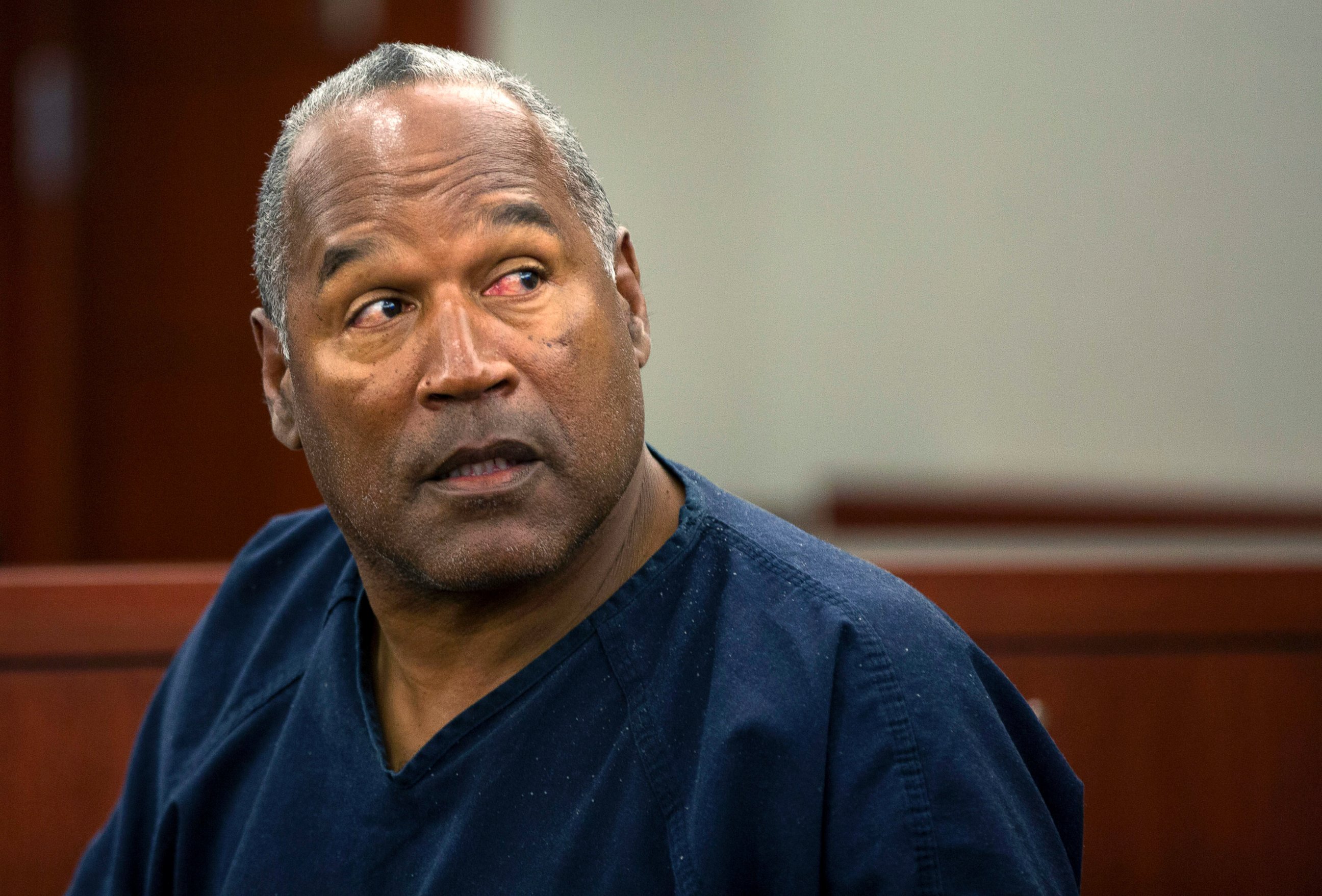
The Fragmentation of Public Perception
Post-1994, the Simpson brand ceased to exist as a singular entity and became a flashpoint for societal division. His reputation was no longer something he controlled; it was a battleground for discourse on race, class, and the American legal system. This phase of his life highlights the reality that when a public figure loses control of their narrative, the public will fill the vacuum with their own projections and biases. The brand became a Rorschach test, with different segments of the population interpreting his innocence or guilt through the lenses of their own lived experiences.
Crisis Communication and the Loss of Narrative Control
In the digital age, a brand’s survival often depends on how a crisis is managed. While the Simpson case preceded the ubiquity of social media, the principles of his failure provide a foundational lesson in modern reputation management.
The Failure of Strategic Silence vs. Engagement
During the prolonged legal proceedings, Simpson’s legal team assumed the role of his primary brand managers. The strategy shifted from “commercial appeal” to “adversarial defense.” Every public statement, every courtroom appearance, and every media interaction was an attempt to influence the narrative. However, the tragedy of the brand was that it could never recover its original identity. No amount of public relations or legal maneuvering could restore the “Golden” image because the fundamental trust that the brand was built upon had been permanently breached.
The Legacy of the “Not Guilty” Brand
Even after his acquittal, Simpson lived in a state of permanent reputation management crisis. Because his brand was so indelibly linked to the controversy, he spent the rest of his life as a figure of perpetual scrutiny. The lesson here for personal branding is that once the “Core Promise” of a brand—in this case, the promise of a moral and upstanding citizen—is proven false, the brand can never truly be re-established. It becomes a permanent caricature of itself.
Modern Implications: Protecting Identity in an Era of Infinite Documentation
The O.J. Simpson case remains a cornerstone of crisis management literature because it illustrates the permanence of digital and historical records. In today’s marketing environment, where a single viral moment can define a brand for a lifetime, the stakes have never been higher.
The Fragility of Managed Personas
Simpson’s decline reminds modern influencers and corporate leaders that personal branding is not just about what you say, but what you are. If the internal reality of an individual does not match the external brand projection, the resulting dissonance will eventually lead to collapse. In an era where deep-dive investigations and investigative journalism are constant, the pressure to maintain a high-level personal brand is intense. The Simpson case proves that the more successful a brand is, the greater the scrutiny—and the harder the fall when those expectations are subverted.
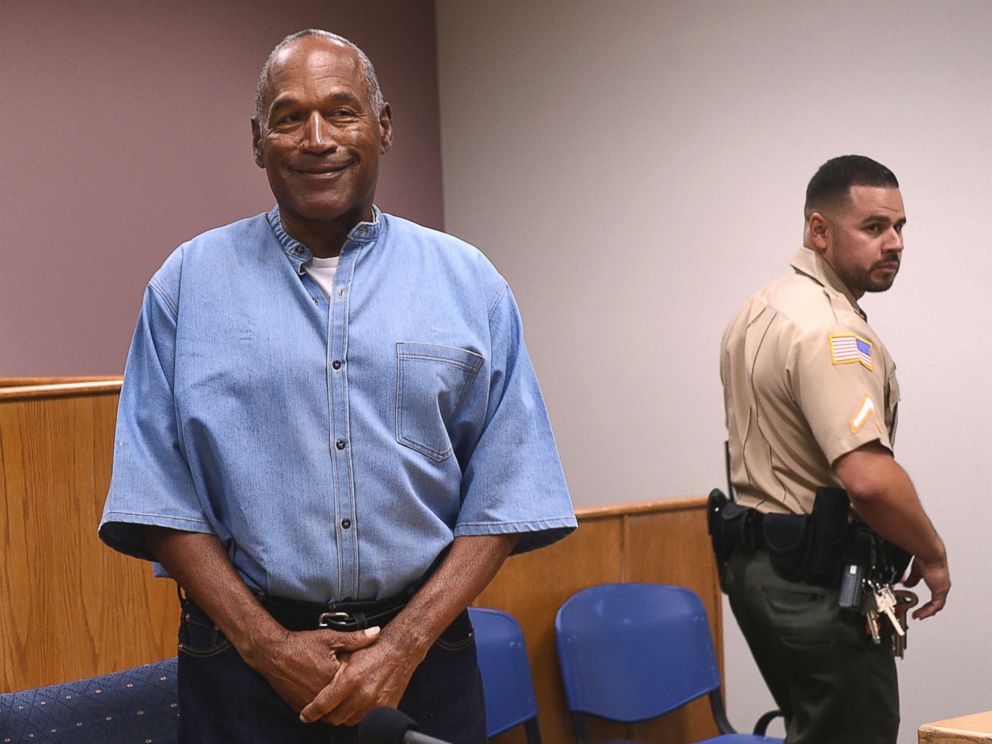
Ethical Branding and Long-term Sustainability
Modern brand strategy now prioritizes authenticity over pure artifice. The era of the “unassailable spokesperson” has largely given way to the “transparent leader.” By examining what happened to O.J. Simpson, contemporary businesses can see the necessity of building brands on foundations that can withstand crisis. True brand longevity is not found in marketing spin, but in ethical consistency. The Simpson legacy stands as a stark reminder that while a brand can be built in a day, its destruction is often the result of years of misaligned actions, and once that trust is gone, it is rarely, if ever, regained.
Ultimately, the story of O.J. Simpson is not just about a man or a trial; it is about the intersection of celebrity, commerce, and the fragility of human reputation. It serves as a reminder to anyone building a brand—personal or corporate—that the image you project to the world must be backed by an reality that can stand up to the most intense investigation imaginable. Anything less is merely a temporary illusion waiting for the inevitable moment of reckoning.
aViewFromTheCave is a participant in the Amazon Services LLC Associates Program, an affiliate advertising program designed to provide a means for sites to earn advertising fees by advertising and linking to Amazon.com. Amazon, the Amazon logo, AmazonSupply, and the AmazonSupply logo are trademarks of Amazon.com, Inc. or its affiliates. As an Amazon Associate we earn affiliate commissions from qualifying purchases.