
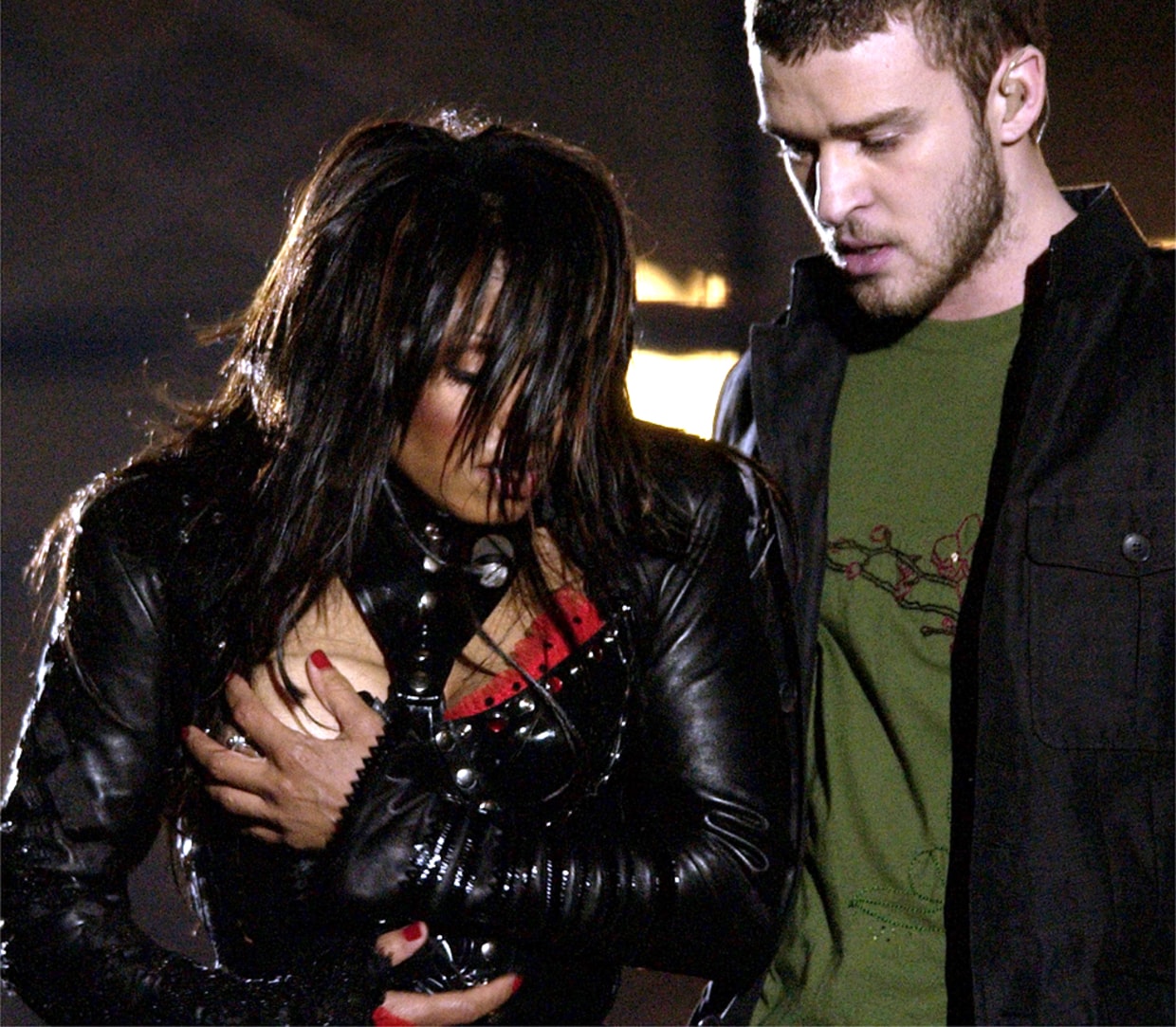
The halftime show of Super Bowl XXXVIII remains one of the most significant case studies in the history of crisis management and personal branding. When Justin Timberlake and Janet Jackson took the stage in 2004, the resulting “wardrobe malfunction” didn’t just cause a public stir; it fundamentally altered how celebrities, brands, and networks approach public relations, risk mitigation, and long-term brand equity. For marketers and brand strategists, the incident serves as a masterclass in how volatility can erase years of carefully curated public image in mere seconds.

The Fragility of Public Identity
A personal brand is not merely a collection of hits or a discography; it is an accumulation of trust between an entity and its audience. When Janet Jackson and Justin Timberlake performed in Houston, they were both at the pinnacle of their respective careers. Jackson was an industry titan with decades of reputation-building behind her, and Timberlake was successfully transitioning from boy-band heartthrob to a solo powerhouse.
The Illusion of Controlled Environments
In high-stakes brand activations—like the Super Bowl—every micro-second of the performance is typically choreographed to the letter. This incident highlighted a critical vulnerability in event-based branding: the inability to account for the “unscripted variable.” Brands often operate under the assumption that they can control the narrative entirely. However, the 2004 incident demonstrated that when a brand enters a high-profile, live-broadcast environment, the responsibility for the brand’s integrity is effectively outsourced to the technical and logistical chain of command.
The Divergent Fallout
The disparity in how the two brands—Jackson and Timberlake—were managed post-incident offers a sobering look at systemic bias in brand protection. Jackson, a veteran of the industry, faced a sustained, multi-year erosion of her professional viability. Her music was pulled from radio rotations, her invitation to the Grammys was rescinded, and her brand equity plummeted. Conversely, Timberlake’s brand weathered the storm with relative speed. The divergence in outcomes provides a profound lesson for brand managers: crisis recovery is often dictated less by the event itself and more by the strength of the corporate ecosystem—and the PR machine—that surrounds the individual.
Strategic Crisis Management and the Role of Media Partners
When a brand is caught in a public relations firestorm, the response of corporate partners—such as network broadcasters and corporate sponsors—is often the deciding factor in whether the brand survives. In this case, the response of CBS and the FCC transformed a live performance hiccup into a federal regulatory issue.
The Impact of Institutional Abandonment
Corporate identity relies heavily on the “halo effect” provided by partners. When CBS distanced itself from the artists, it signaled to the public that the brand was “toxic.” For any personal or corporate brand, the sudden withdrawal of support from institutional partners creates a vacuum. If a brand cannot maintain its strategic alliances, its market position inevitably collapses. This incident taught the industry that in the face of a crisis, brands must proactively manage their narrative before their partners do it for them.
Managing Regulatory and Public Backlash
The aftermath of the Super Bowl incident led to an unprecedented crackdown by the Federal Communications Commission (FCC) regarding broadcast decency. This is a classic example of “regulatory blowback,” where a brand’s failure to contain a situation results in new, restrictive environments that affect the entire category. Strategists must understand that their failures do not exist in a vacuum; they often trigger industry-wide changes that reshape the playing field, creating new obstacles for future brand growth.
The Long-Term Resilience of a Personal Brand
The enduring relevance of the 2004 event lies in its role as a turning point for both performers. For years, the narrative remained fixed on the “malfunction.” However, as the digital era matured, the conversation shifted.
Rebranding and Narrative Reconstruction
In recent years, the public conversation surrounding the event has evolved significantly. What was once viewed through a lens of scandal is now frequently analyzed through the lenses of misogyny, unfair treatment, and the shifting tides of digital accountability. For brand strategists, this highlights an essential truth: personal brands are dynamic. They are not static monuments but living narratives that can be reframed by the collective consciousness of the public over time.
Accountability as a Brand Asset
The most profound shift in the Timberlake-Jackson narrative occurred when the brands themselves engaged in retroactive accountability. When Justin Timberlake issued a public apology years later, acknowledging his role in the unequal treatment Jackson received, it served as a masterclass in modern brand rehabilitation. By confronting the past and accepting responsibility, a brand can reclaim its narrative. This suggests that modern brand strategy requires a high level of self-awareness and the courage to address past failings, rather than hiding behind silence or denial.
Strategic Takeaways for Modern Brand Managers
If we analyze the trajectory of the 2004 incident, there are three primary takeaways for those involved in personal or corporate branding today.
The Importance of Crisis Readiness
Every brand must have a “Black Swan” protocol. This is not just a PR statement; it is a comprehensive risk-management strategy that includes legal, communication, and digital assets. In an age of social media, the speed at which a narrative takes hold is instantaneous. Brands that lack a preemptive strategy are left to play defense, which is inherently more expensive and less effective than shaping the conversation from the start.
The Power of Cultural Context
Brands do not exist in a silo; they are part of a larger cultural conversation. The way a brand is perceived is tied to the societal values of the time. In 2004, the culture was hyper-conservative regarding media content. Today, the conversation is centered on empowerment and equality. A brand’s strategy must be adaptive, reflecting an understanding of the current cultural moment. Failing to recognize the shifting winds of public sentiment is the fastest route to brand obsolescence.

Longevity Through Authenticity
Ultimately, the longevity of a personal brand is determined by the depth of the connection with the audience. Both Jackson and Timberlake managed to maintain their careers, not because they avoided the crisis, but because they continued to produce work that resonated with their core audience. Authenticity acts as an insurance policy. When a brand’s value is rooted in its talent and its genuine connection to its community, it can survive even the most catastrophic public relations failures.
The incident remains a quintessential case study in brand management because it encompasses every element of a crisis: the initial event, the institutional reaction, the long-term impact on equity, and the eventual re-evaluation of the narrative. By studying the “wardrobe malfunction” through the lens of brand strategy rather than tabloid fodder, we see a clear roadmap of how professional identities are tested, broken, and ultimately reconstructed. Whether you are managing a personal brand or a corporate entity, the core lesson is consistent: control what you can, own what you cannot, and ensure that your brand’s foundational value is strong enough to withstand the scrutiny of a global audience.
aViewFromTheCave is a participant in the Amazon Services LLC Associates Program, an affiliate advertising program designed to provide a means for sites to earn advertising fees by advertising and linking to Amazon.com. Amazon, the Amazon logo, AmazonSupply, and the AmazonSupply logo are trademarks of Amazon.com, Inc. or its affiliates. As an Amazon Associate we earn affiliate commissions from qualifying purchases.