
In the world of high-stakes professional sports, an individual’s career is more than a series of athletic achievements; it is a meticulously constructed personal brand. Few stories in modern sports history provide a more poignant or educational case study in brand equity, market timing, and the volatility of professional identity than that of Isaiah Thomas. Once the “King in the Fourth” and a perennial MVP candidate, Thomas’s journey from a top-tier brand to a journeyman seeking a foothold in the NBA is a masterclass in how personal branding interacts with physical reality and corporate coldness.

To understand what happened with Isaiah Thomas, one must look past the box scores and analyze the rise, the pivot, and the eventual dilution of one of the most compelling personal brands in the history of the Boston Celtics and the NBA at large.
The Architecture of the Underdog Brand: Building Equity
The foundation of any successful brand is a unique selling proposition (USP). For Isaiah Thomas, his USP was his stature. At 5’9″, he was an anomaly in a league of giants. However, his brand wasn’t just built on being short; it was built on the narrative of the “overlooked elite.”
The “King in the Fourth” Identity
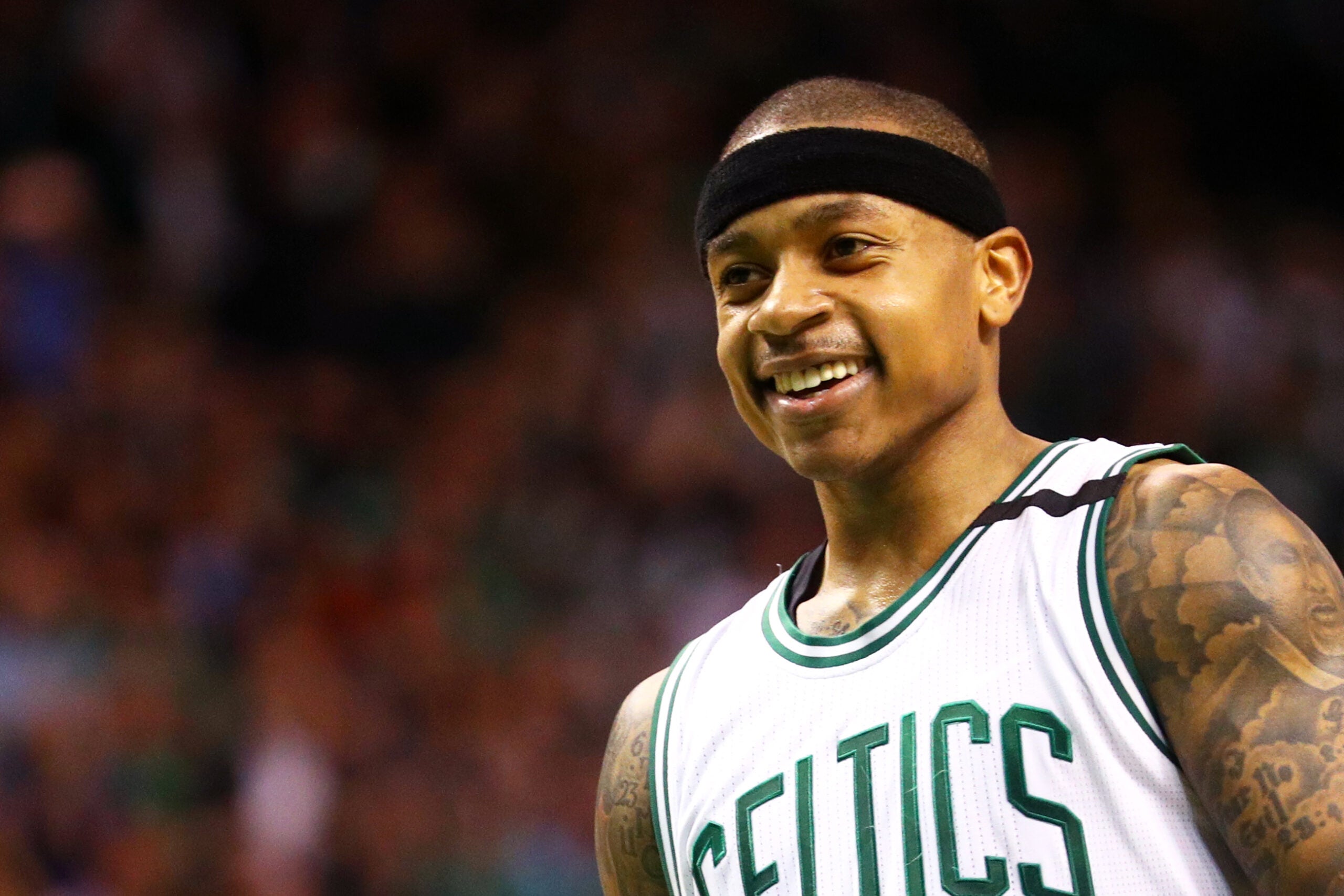
Great brands own a specific “space” in the consumer’s mind. During the 2016-2017 NBA season, Isaiah Thomas owned the fourth quarter. By consistently delivering high-performance results when the pressure was highest, he created a brand identity centered on reliability and clutch performance. The “King in the Fourth” was not just a nickname; it was a brand promise. Fans and sponsors alike bought into the idea that Thomas was the ultimate closer, a narrative that drove jersey sales, media coverage, and high-level engagement.
Emotional Connection and the Boston Celtics Era
Brand loyalty is often forged in moments of shared vulnerability. The emotional peak of the Isaiah Thomas brand occurred during the 2017 playoffs, following the tragic death of his sister. By playing through grief and leading his team to victory, Thomas transitioned from a “talented player” to a “heroic symbol.” This elevated his brand equity to an all-time high. In Boston, a city that prizes grit and resilience, Thomas became the personification of the corporate identity of the Celtics. At that moment, his personal brand was arguably more valuable than any other player in the Eastern Conference outside of LeBron James.
The Pivot Point: When Brand Value Meets Physical Reality
In branding, “quality control” is essential. When a product no longer performs the function it promises, the brand begins to erode. For Isaiah Thomas, the breakdown began not in the boardroom, but in his right hip.
The Injury as a Brand Liability
The femoral-acetabular impingement Thomas suffered was more than a medical condition; it was a catastrophic failure of the brand’s core asset. Because the “Isaiah Thomas Brand” was predicated on explosive speed and the ability to weave through larger defenders, any reduction in his physical “specs” meant the product was no longer what the market had signed up for. His decision to play through the injury during the 2017 playoffs—while seen as heroic at the time—was a high-risk brand gamble that ultimately led to long-term depreciation.
The Trade that Shattered the Narrative
The cold reality of brand management is that corporate entities (teams) will always prioritize their own brand health over that of an individual partner. When Danny Ainge and the Boston Celtics traded Thomas to the Cleveland Cavaliers for Kyrie Irving, it sent a clear signal to the market: Thomas’s brand was no longer a “blue-chip” asset. This move effectively devalued Thomas overnight. In the eyes of the league, he was transitioned from a “Franchise Cornerstone” to a “Transferable Asset.” This shift illustrates the precarious nature of personal branding within a larger corporate structure.
Market Perception and the “Brink’s Truck” Fallacy

One of the most famous—and ultimately detrimental—moments in Thomas’s career was his public comment that the Celtics would need to “bring out the Brink’s truck” to re-sign him. This was an attempt at brand positioning, but it occurred at the height of a bubble.
Overestimating Market Value in Personal Branding
Successful branding requires an objective assessment of market conditions. When Thomas made the “Brink’s truck” comment, he was positioning himself as a “Premium Brand” deserving of a maximum contract. However, he failed to account for the “Planned Obsolescence” that scouts and general managers were already projecting due to his injury and age. In personal branding, when your self-valuation significantly exceeds the market’s valuation, it creates a “perception gap” that can make a brand appear delusional or difficult to manage.
The Impact of Public Confidence on Brand Equity
In the financial world, a brand’s value is often tied to public confidence. Once Thomas was traded and struggled to recover his form in Cleveland and later Los Angeles, the narrative shifted from “What will he do next?” to “Is he done?” This loss of confidence acted like a stock market crash for his personal brand. The very traits that made him a legendary underdog—his confidence and vocal self-assurance—began to be perceived by some critics as an inability to accept a new, diminished role. Managing a brand during a downturn requires a different strategy than managing it during a growth phase, a transition that is notoriously difficult for high-performers.
The Rebranding Struggle: Persistence as a Core Value
What happened with Isaiah Thomas in the years following his departure from Boston is a fascinating study in brand survival. Instead of fading away, Thomas pivoted his brand to focus on a new core value: “The Marathon.”
Redefining the Veteran Presence
As his “Elite Scorer” status diminished, Thomas attempted to rebrand himself as a “Culture Setter” and “Veteran Leader.” This is a common strategy in the lifecycle of a personal brand—shifting from a “Product-Based Brand” (stats/points) to a “Service-Based Brand” (leadership/mentorship). By taking 10-day contracts and playing in the G-League, Thomas showcased a level of humility and work ethic that resonated with a different segment of the audience. He was no longer branding himself to general managers as a superstar, but as a low-risk, high-reward specialist who could bolster a locker room.
Using Social Media to Maintain Brand Relevance
In the digital age, a brand can exist independently of its primary platform. Even when Thomas was not on an active NBA roster, his personal brand remained vibrant through social media. By sharing his workouts, his “Slow It Down” philosophy, and his undying love for the game, he maintained a direct-to-consumer relationship with millions of fans. This digital presence ensured that whenever a team needed a replacement player, his name was the first to trend on social media, essentially crowdsourcing his way back into the league’s consciousness.
Lessons in Brand Management for the Modern Professional
The trajectory of Isaiah Thomas offers several critical takeaways for professionals in any field—whether in sports, tech, or corporate business—regarding the management of a personal brand.
Diversifying Assets and Hedging Risks
Thomas’s brand was heavily concentrated in his physical performance. When that single point of failure was compromised, the entire brand collapsed. The lesson for modern professionals is the importance of brand diversification. Building a brand that includes intellectual property, coaching, or business ventures outside of one’s primary “output” can provide a safety net when the primary asset (in this case, his hip) fails.
The Importance of Timing in Brand Monetization
The most successful brands know exactly when to “exit” or “lock in” their value. Had Thomas been eligible for a contract extension a year earlier, or had he chosen to prioritize surgery over the 2017 playoff run, the financial reality of his brand would be vastly different. In the world of branding, timing is not just a factor; it is the factor. Understanding the lifecycle of your industry’s market and knowing when your “brand equity” is at its absolute peak is the difference between a “Brink’s truck” and a minimum-salary contract.
Resilience as the Ultimate Brand Attribute
Ultimately, what “happened” with Isaiah Thomas is that he became a symbol of resilience. While he may never return to the heights of his 2017 MVP-caliber season, he has successfully transitioned his brand from one of “Dominance” to one of “Persistence.” In many ways, this version of the brand is more sustainable. People admire winners, but they love survivors. By refusing to let the narrative of his career be defined by injury and trades, Thomas has ensured that his personal brand will remain influential long after he officially hangs up his sneakers.
In conclusion, Isaiah Thomas did not simply “fall off.” His brand underwent a radical transformation forced by external circumstances. His story serves as a reminder that a personal brand is a living breathing entity—one that requires constant maintenance, realistic valuation, and the ability to pivot when the market changes. Whether he is on an NBA roster or not, the brand of Isaiah Thomas remains a powerful testament to the impact of narrative in the modern professional landscape.
aViewFromTheCave is a participant in the Amazon Services LLC Associates Program, an affiliate advertising program designed to provide a means for sites to earn advertising fees by advertising and linking to Amazon.com. Amazon, the Amazon logo, AmazonSupply, and the AmazonSupply logo are trademarks of Amazon.com, Inc. or its affiliates. As an Amazon Associate we earn affiliate commissions from qualifying purchases.