
The question “what happened to Zooey Deschanel?” frequently surfaces in digital discourse, often posed by audiences who remember her as the ubiquitous face of early 2010s pop culture. However, from a brand strategy perspective, Deschanel hasn’t disappeared; she has undergone a sophisticated brand evolution. She successfully transitioned from a high-saturation Hollywood “it-girl” to a diversified entrepreneur and lifestyle curator. Her journey offers a masterclass in personal branding, niche ownership, and the strategic pivot.
In this analysis, we examine how Deschanel built a singular corporate identity around a specific persona, the risks of brand fatigue, and how she leveraged her equity to build a sustainable business ecosystem beyond the screen.

The Architecture of a Niche: Defining the “Adorkable” Persona
At the height of her television success with the sitcom New Girl, Zooey Deschanel was more than an actress; she was a brand archetype. The marketing team at Fox famously coined the term “Adorkable” to describe her character, Jess Day, but the term quickly became synonymous with Deschanel’s own public-facing identity. This was a calculated alignment of personal and professional branding that created a powerful, recognizable USP (Unique Selling Proposition).
The Visual Language of Retro-Whimsy
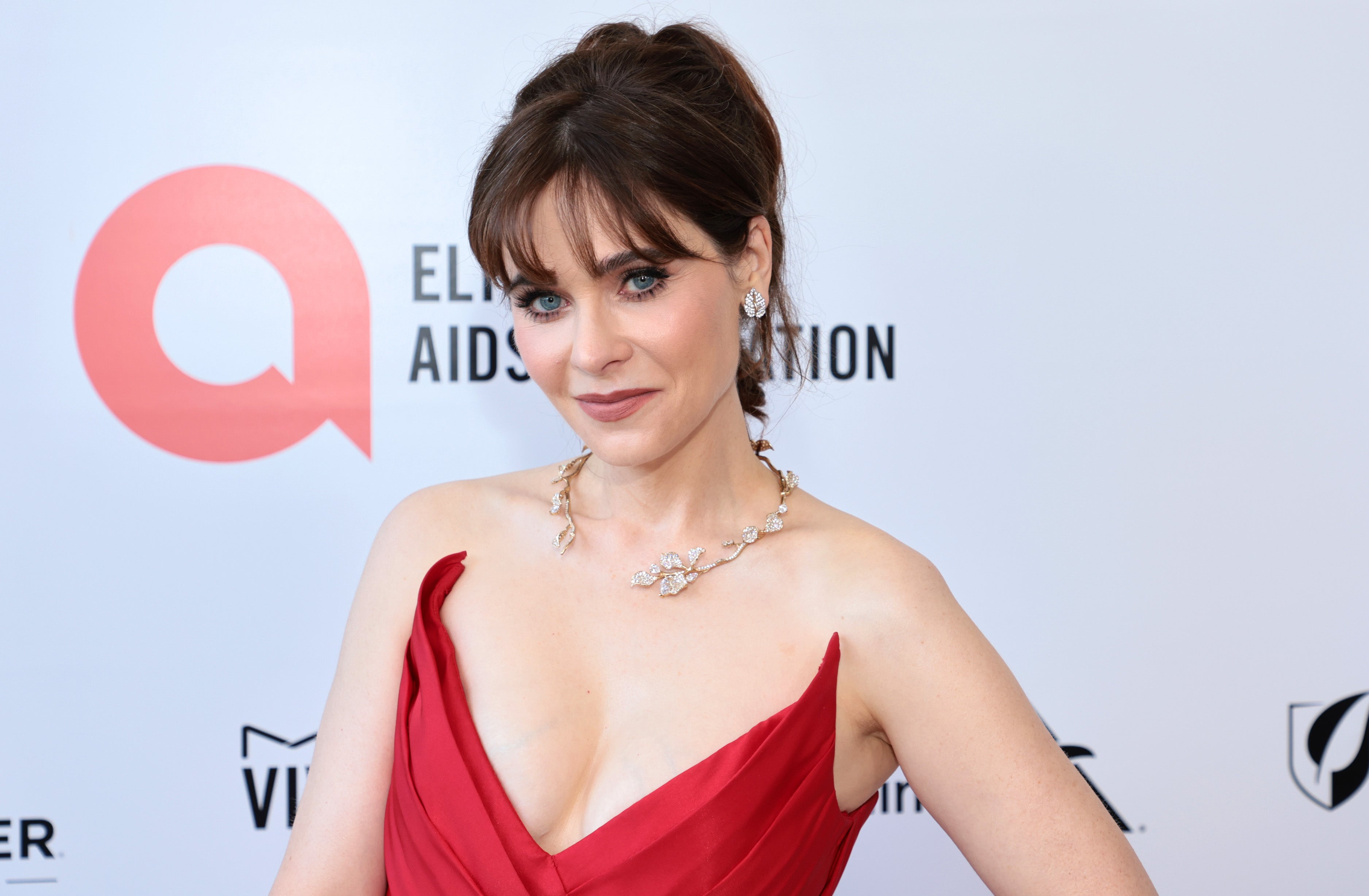
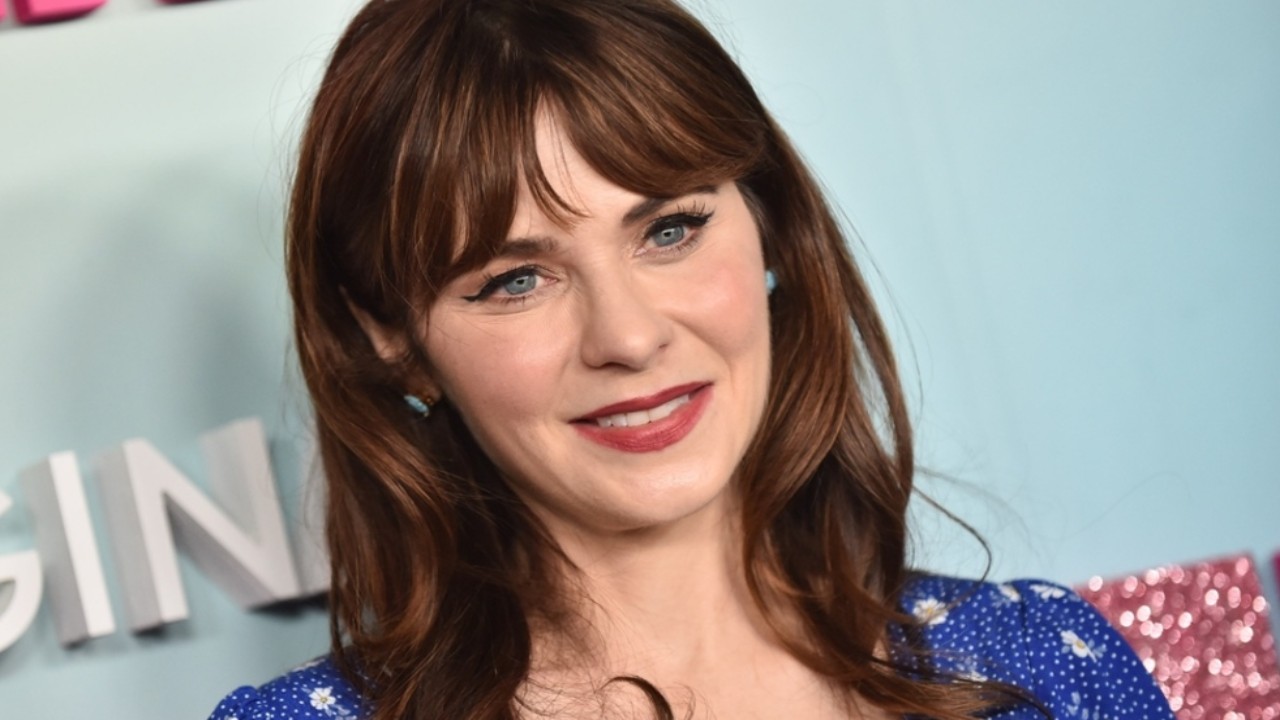
Deschanel’s brand was built on a consistent visual grammar. The heavy bangs, vintage-inspired silhouettes, and a penchant for 1960s aesthetics served as a visual shorthand for her brand. In the world of personal branding, consistency is the bedrock of recognition. By adhering to a specific aesthetic, Deschanel made herself an “instant-read” personality. Marketers could look at a specific shade of blue or a polka-dot dress and immediately associate it with the “Zooey Deschanel aesthetic.” This level of visual consistency allowed her to secure lucrative endorsements, such as her long-standing partnership with Pantene, where her hair became a central brand asset.
Emotional Resonance and the “Relatable Outsider”
Beyond the aesthetics, the Deschanel brand tapped into the “relatable outsider” archetype. In an era dominated by the high-glamour, often untouchable personas of the mid-2000s, Deschanel offered an alternative: the quirky, intellectual, and slightly awkward protagonist. This created a high level of brand loyalty among millennial women who saw themselves reflected in her persona. By owning the “quirky” niche so completely, she effectively eliminated the competition within that space, making her the go-to choice for brands looking to target that specific demographic.
Monetizing the Community: The HelloGiggles Case Study
While many actors remain dependent on the “gig economy” of Hollywood, Deschanel demonstrated a keen understanding of brand diversification early on. She recognized that her influence wasn’t just in her acting ability, but in the community she had cultivated. This led to the co-founding of HelloGiggles in 2011, a digital media platform aimed at young women.
Content as a Brand Extension
HelloGiggles was a strategic extension of the Deschanel brand. It mirrored her personal values: positivity, inclusivity, and a focus on female-centric storytelling. Instead of being a vanity project, the platform functioned as a data-rich environment that allowed Deschanel to stay connected to her audience’s shifting interests. From a brand strategy standpoint, this was a move from being a “product” (the actress) to being a “platform” (the publisher). This shift allowed her to maintain relevance even during the off-seasons of her television work.
The Strategic Exit: Acquisition by Time Inc.
The ultimate validation of this brand extension came in 2015 when HelloGiggles was acquired by Time Inc. for an estimated $20 million to $30 million. This acquisition proved that Deschanel had successfully translated her personal brand equity into a scalable corporate asset. For personal branding experts, this remains a landmark example of how to build “exit-ready” value into a brand that is initially tied to a celebrity’s face. She demonstrated that she wasn’t just a face on a poster, but a savvy businesswoman capable of identifying market gaps and scaling a digital property.
Navigating the “Brand Fatigue” Cycle
Every high-saturation brand eventually faces the challenge of fatigue. By the mid-2010s, the “Adorkable” persona had reached its peak. The very traits that made her brand successful—the quirkiness and the “twee” aesthetic—began to face a cultural backlash. This is a common phase in the brand lifecycle where the USP becomes a caricature. Deschanel’s subsequent career moves highlight how a brand can gracefully enter a “maintenance and pivot” phase.
The Transition from Mainstream Saturation to Curated Presence
Following the conclusion of New Girl in 2018, Deschanel intentionally stepped back from the relentless pace of network television. In branding terms, this was a move to “de-saturate” the market. By becoming less ubiquitous, she preserved the premium nature of her brand. She pivoted her focus toward more curated projects, such as her musical duo She & Him. This allowed her to lean into her “indie” roots, which carried a higher level of cultural capital than mainstream sitcom fame. This shift from “mass-market” to “prestige-niche” helped her avoid the pitfalls of overexposure.
Rebranding Through Purpose: The Farm Project and Sustainability
The most recent evolution of the Deschanel brand involves a shift toward sustainability and conscious consumerism. Through “The Farm Project” and the “Your Food’s Roots” series, she has repositioned herself as an advocate for food transparency. This is a sophisticated rebranding move that aligns her with contemporary consumer values. Today’s audiences—particularly Gen Z and Millennials—prioritize brand “purpose.” By pivoting from “quirky entertainment” to “educational advocacy,” Deschanel has successfully modernized her personal brand, ensuring its relevance in a more socially conscious marketplace.
Strategic Takeaways for Modern Personal Branding
The trajectory of Zooey Deschanel’s career provides several vital lessons for brand strategists, entrepreneurs, and public figures. Her “disappearance” from the tabloid spotlight is, in reality, a strategic retreat into a more sustainable, high-value brand position.
Ownership of a Unique Selling Proposition (USP)
Deschanel’s success was predicated on her ability to own a specific adjective. In a crowded marketplace, being “the actress who does comedy” is not enough. Being “the Adorkable one” created a unique market position that was easy to market and even easier for consumers to remember. The lesson here is that specificity is the fastest route to brand recognition. Even when the brand eventually evolves, having that initial, strong foundation allows for more successful pivots later on.
Diversification of Revenue Streams and Brand Identity
One of the most significant risks to any personal brand is “platform dependency.” For an actress, that means depending on studios and networks for work. Deschanel mitigated this risk by building HelloGiggles, launching She & Him, and investing in the lifestyle sector. By diversifying her brand identity, she ensured that if one “product line” (e.g., her acting career) faced a downturn or reached saturation, her overall brand equity remained intact. She built a portfolio of brand assets rather than relying on a single source of influence.
The Importance of Knowing When to Pivot
Perhaps the most impressive aspect of Deschanel’s brand management is her timing. She began building HelloGiggles while New Girl was at its peak. She exited the company before the digital media landscape began to fracture. She pivoted toward sustainability just as “green” branding became a primary consumer driver. Effective personal branding requires a constant scanning of the cultural horizon to anticipate shifts in consumer sentiment. Deschanel’s brand has survived for two decades because she understands that a brand is not a static monument, but a living entity that must adapt to survive.
In conclusion, when people ask “what happened” to Zooey Deschanel, the answer is a triumph of brand longevity. She moved beyond the confines of a single character and a single adjective. By leveraging her early-career saturation into long-term business ventures and purpose-driven projects, she has built a personal brand that is not only profitable but also resilient. She has successfully transitioned from being a trend to being a fixture, proving that in the world of branding, the most powerful move is often the one that takes you from the center of the noise to the helm of the conversation.
aViewFromTheCave is a participant in the Amazon Services LLC Associates Program, an affiliate advertising program designed to provide a means for sites to earn advertising fees by advertising and linking to Amazon.com. Amazon, the Amazon logo, AmazonSupply, and the AmazonSupply logo are trademarks of Amazon.com, Inc. or its affiliates. As an Amazon Associate we earn affiliate commissions from qualifying purchases.