
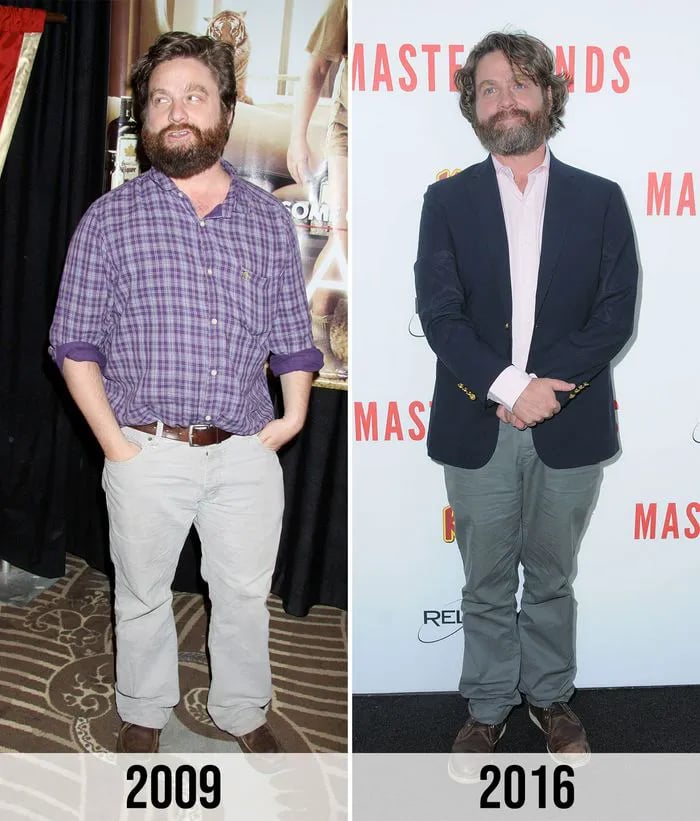
In the fickle world of celebrity, a public figure’s presence, or perceived absence, is often a carefully managed aspect of their personal brand strategy. Zach Galifianakis, a name that once dominated pop culture conversations, has seemingly receded from the omnipresent glare of Hollywood. However, rather than signifying a decline, this shift is a masterclass in strategic personal branding, a deliberate pivot that reinforces his unique identity and maintains his long-term value in the entertainment industry. Understanding “what happened” to Zach Galifianakis requires a deep dive into the evolution of his brand, from its initial construction to its current, more curated form.
The Architect of an Unconventional Brand
Zach Galifianakis didn’t fit the mold of a conventional leading man, and that was precisely his brand’s initial strength. His early career was a testament to the power of cultivating a distinct, often anti-establishment persona that resonated with audiences tired of cookie-cutter celebrities. His brand was built on intelligent absurdity, deadpan delivery, and a disarming sincerity that underpinned his comedic genius.
Forging a Niche: Early Stand-Up and Persona Development
Before his mainstream explosion, Galifianakis honed his craft in stand-up comedy, developing a unique stage presence characterized by a shaggy beard, an almost bewildered gaze, and a penchant for piano interludes juxtaposed with sharp, observational humor. This period was crucial for establishing his personal brand: an intellectual clown, a man seemingly out of step with the world, yet profoundly in tune with its absurdities. His early appearances on shows like Comedy Central Presents and his web series Between Two Ferns with Zach Galifianakis began to cement this image. The latter, in particular, was a groundbreaking piece of content marketing, creating a meta-brand that satirized celebrity interviews while simultaneously enhancing his own mystique. By interviewing A-list stars from a seemingly amateurish, intentionally awkward set, he positioned himself as an outsider interrogator, a brand identity that was both challenging and captivating. This strategic choice allowed him to interact with top-tier talent while maintaining an ironic distance, reinforcing his authenticity and independent spirit.
The Hangover Effect: Brand Amplification and Paradox
The release of The Hangover in 2009 was a watershed moment, thrusting Galifianakis’s meticulously crafted, unconventional brand onto a global stage. His portrayal of Alan Garner, a character brimming with socially inept charm and unhinged charisma, became an instant cultural phenomenon. This role amplified his brand exponentially, making him synonymous with a particular brand of outlandish, yet strangely lovable, comedy. However, this massive success also presented a significant personal branding challenge. The risk was being pigeonholed, forever associated with one iconic character. For many actors, such a defining role can become a gilded cage, limiting future opportunities and brand diversification. Galifianakis, however, navigated this by subtly resisting the overt commercialization and overexposure that often follow such colossal success, hinting at a more deliberate approach to brand management than simply cashing in.
Strategic Evolution and Brand Diversification
Post-The Hangover, Galifianakis’s career trajectory reveals a conscious and strategic effort to evolve his personal brand, moving beyond the confines of pure slapstick and into more nuanced territories. This diversification wasn’t a retreat but a sophisticated brand play to demonstrate range and longevity.
Beyond the Blockbuster: Cultivating Nuance in Project Selection
Rather than simply replicating Alan Garner in endless sequels or similar comedic roles, Galifianakis began to make calculated choices that showcased different facets of his brand. His roles in films like Birdman or (The Unexpected Virtue of Ignorance) (2014) demonstrated a capacity for dramatic acting, adding depth and gravitas to his public persona. Playing a serious, conflicted Broadway producer allowed critics and audiences to see him beyond the comedic caricature, effectively expanding his brand’s emotional bandwidth. Similarly, his work on the FX series Baskets (2016-2019), which he co-created and starred in, was another critical step in brand maturation. Playing dual roles as a struggling clown and his ambitious twin brother, he explored themes of failure, artistry, and family with a melancholic humor that was both unique and profound. This project solidified his brand as an artist capable of both commercial appeal and artistic integrity, a difficult balance to strike in Hollywood. These choices were not about abandoning his comedic roots but about enriching them, proving that his personal brand was more complex and versatile than a single character or genre.

The Meta-Brand of “Between Two Ferns”
Throughout his career evolution, Between Two Ferns remained a consistent, albeit sporadic, anchor for his brand. The web series, which eventually spawned a Netflix film, continued to be a masterclass in meta-commentary and self-aware branding. By interviewing real celebrities as his awkward, vaguely hostile alter ego, Galifianakis created a unique platform that simultaneously celebrated and parodied celebrity culture. This format allowed him to stay relevant, engage with current events, and showcase his comedic timing and improvisational skills, all while reinforcing his brand as an irreverent outsider. It’s a prime example of leveraging digital platforms for sustained brand engagement, maintaining a distinct voice that bypasses traditional media gatekeepers and speaks directly to a curated audience. The show’s intermittent nature also added to its allure, making each new installment an event and preventing brand fatigue.
Navigating Public Presence: Less is More for Brand Longevity
Perhaps the most significant aspect of “what happened to Zach Galifianakis” is his deliberate choice to manage his public visibility. In an era where constant celebrity self-promotion is the norm, Galifianakis has cultivated a reputation for being somewhat elusive and private. He isn’t constantly on social media, nor is he frequently photographed at high-profile events. This strategic retreat from relentless public exposure is, in itself, a powerful brand statement. It positions him as an artist focused on his craft rather than the trappings of fame. By being less accessible, he maintains an air of mystery and exclusivity, which paradoxically enhances his brand appeal. His appearances become more significant, and his projects carry more weight because they are not diluted by constant noise. This “less is more” approach to public presence is a sophisticated brand longevity strategy, preventing overexposure and allowing his work to speak for itself.
The Art of Brand Re-Invention and Authenticity
Zach Galifianakis’s journey is a compelling case study in personal brand resilience and the strategic value of authenticity. He has consistently prioritized projects that align with his artistic sensibilities, even if they don’t always promise the largest paychecks or the most immediate fame.
Embracing the Independent Spirit
His involvement in smaller, independent films and television projects demonstrates a clear preference for creative control and artistic merit over pure commercialism. This choice reinforces his brand as an artist with integrity, someone who isn’t simply chasing the biggest spotlight. In a brand-driven industry, aligning with independent projects can signal a commitment to craft, which resonates deeply with discerning audiences and industry professionals alike. It showcases a brand that values substance over superficiality, building a foundation of respect and credibility that outlasts fleeting trends.
The Power of Strategic Retreats
The perception of Galifianakis “disappearing” is precisely what makes his reappearances impactful. These strategic retreats allow him to recharge, reflect, and carefully select his next moves, ensuring that each new project contributes meaningfully to his evolving brand narrative. It’s a deliberate cycle of creation, withdrawal, and re-emergence that keeps his audience engaged and curious. In a world saturated with content, the ability to step back and then return with fresh, thoughtful work is an invaluable brand asset. It suggests a confidence in his own value, a belief that his brand is strong enough to withstand periods of lower visibility.
Brand Resilience Through Self-Awareness
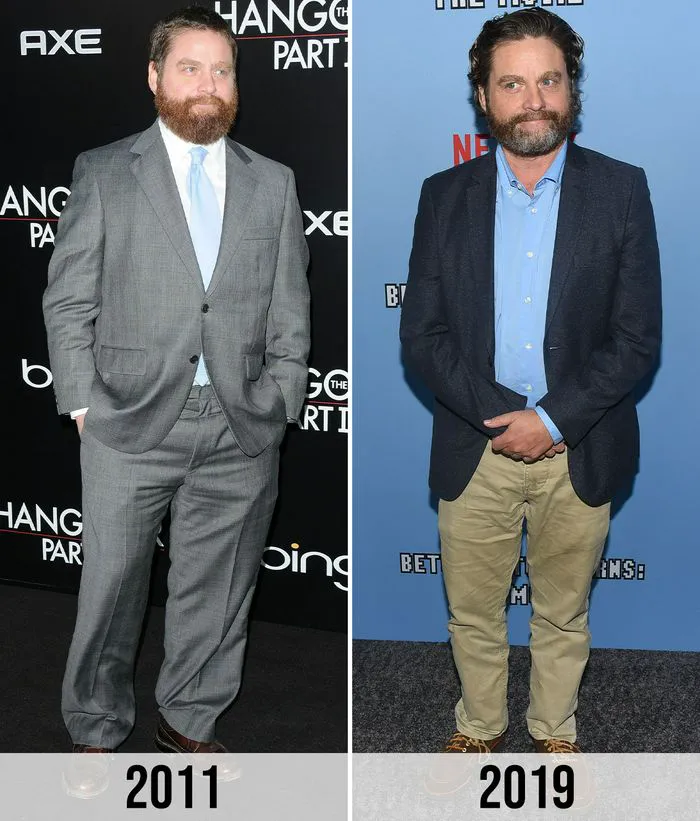
Ultimately, what happened to Zach Galifianakis is that he matured his brand. He successfully transitioned from a breakout comedic star to a respected actor and creative force with a multifaceted appeal. His personal brand is now defined by a unique blend of intellectual humor, dramatic capability, and an authentic, somewhat reclusive persona that shies away from the usual celebrity fanfare. He has mastered the art of selective engagement, ensuring that his public appearances and project choices serve to deepen and refine his brand, rather than dilute it. His story serves as a powerful reminder that in personal branding, true success often lies not in constant visibility, but in strategic authenticity and a clear vision for long-term relevance.
aViewFromTheCave is a participant in the Amazon Services LLC Associates Program, an affiliate advertising program designed to provide a means for sites to earn advertising fees by advertising and linking to Amazon.com. Amazon, the Amazon logo, AmazonSupply, and the AmazonSupply logo are trademarks of Amazon.com, Inc. or its affiliates. As an Amazon Associate we earn affiliate commissions from qualifying purchases.