
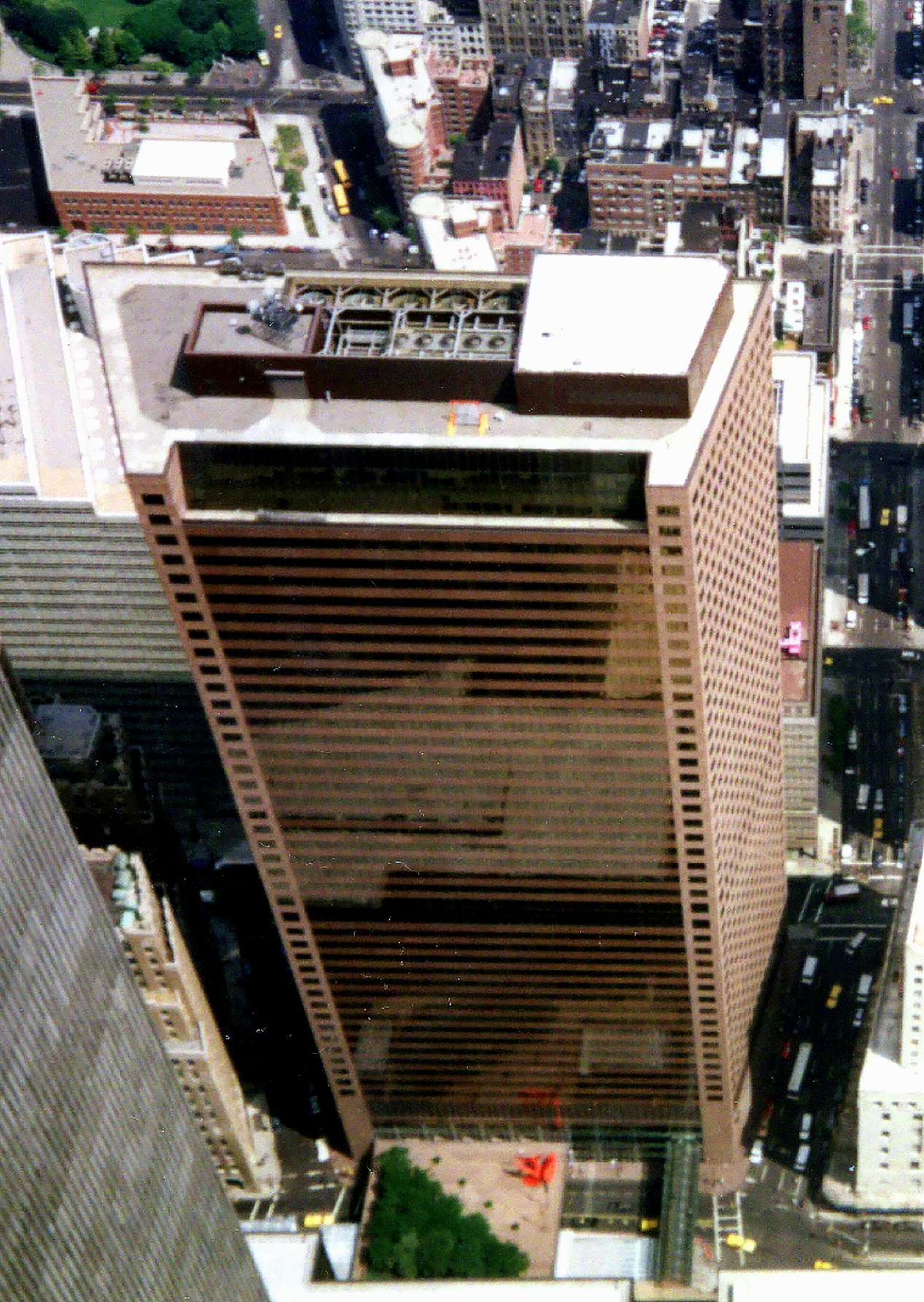
The collapse of World Trade Center Building 7 (WTC 7) on September 11, 2001, remains one of the most significant events in the history of global real estate and commercial insurance. While the Twin Towers dominated the headlines, the fate of Building 7—a 47-story skyscraper that was not struck by an aircraft—triggered a multi-billion-dollar financial odyssey. For investors, developers, and insurers, the story of WTC 7 is not just one of structural failure, but a masterclass in risk management, the complexities of “force majeure,” and the high-stakes world of New York City real estate financing.
The Billion-Dollar Real Estate Puzzle
To understand the financial implications of what happened to WTC 7, one must first understand its unique position within the World Trade Center complex. Unlike the Twin Towers, which were owned by the Port Authority of New York and New Jersey, Building 7 was a private venture. Developed by Larry Silverstein on land leased from the Port Authority, it represented a massive private-sector investment in the heart of the world’s financial capital.
Larry Silverstein and the Acquisition of WTC 7
In the mid-1980s, real estate mogul Larry Silverstein completed the original WTC 7 at a cost of roughly $300 million. At the time, it was a state-of-the-art office tower, eventually housing high-profile tenants like Salomon Smith Barney and the Securities and Exchange Commission (SEC). From a “Money” perspective, Building 7 was a cash-flow engine. By the time 2001 arrived, Silverstein had recently signed a 99-year lease on the entire WTC complex, a $3.2 billion deal that was the largest of its kind in New York history. The collapse of Building 7 was not just a physical loss; it was the sudden evaporation of a core revenue-generating asset within a highly leveraged portfolio.
The Portfolio Risk of Lower Manhattan Commercial Assets
The destruction of WTC 7 created an immediate liquidity crisis. When a primary asset in a real estate portfolio is destroyed, the debt associated with that asset does not necessarily disappear. Silverstein and his investors were left holding massive lease obligations to the Port Authority while the source of their rental income was a pile of rubble. This scenario highlighted a critical lesson in business finance: the importance of “rent loss insurance” and the geographical concentration of risk. Investors quickly learned that having multiple assets in a single “super-block” could lead to total portfolio failure in a catastrophic event.
The Insurance Battle of the Century
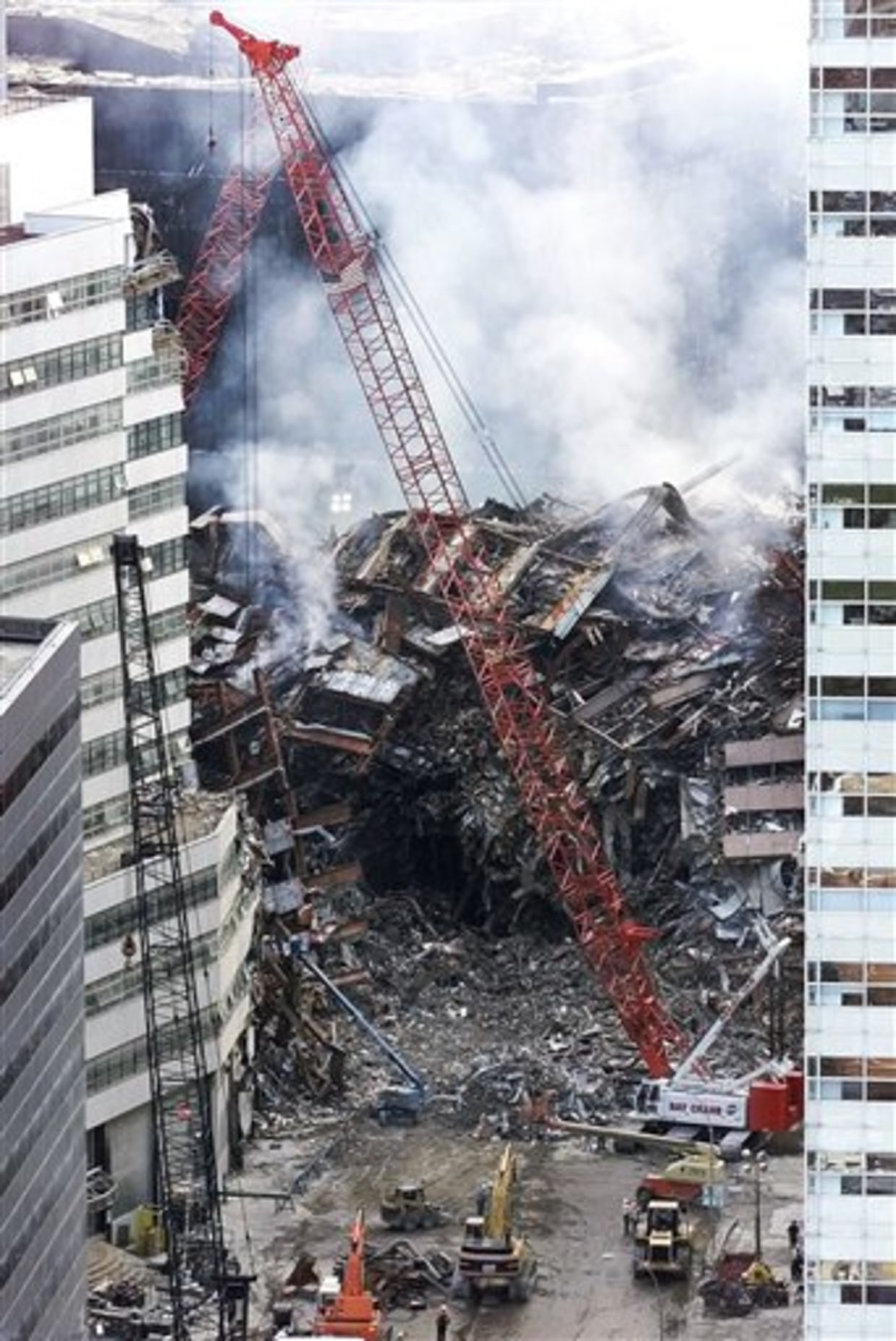
The financial aftermath of WTC 7’s collapse led to what is often cited as the most complex insurance litigation in history. Because Building 7 collapsed hours after the Twin Towers and due to different immediate causes (fire leading to thermal expansion rather than a direct kinetic hit), it became a focal point in the legal determination of “occurrences.”
Defining a “Single Occurrence”: The Legal Fight for Billions
The central question for the courts was whether the events of September 11 constituted one “occurrence” or two under the terms of the insurance policies. This was not a semantic argument; it was a multibillion-dollar distinction. If the attacks were one occurrence, the payout would be capped at approximately $3.5 billion. If they were two, the payout could double. While much of this legal battle focused on the Twin Towers, the collapse of WTC 7 was used by both sides to argue the timeline and causality of the day’s losses. Silverstein eventually secured a settlement of approximately $4.55 billion across the entire complex, but the path to that payout required years of expensive litigation and forensic accounting.
Payouts and the Capital Required for Reconstruction
The insurance proceeds were the lifeblood of the rebuilding effort. However, the “Money” story here involves the gap between insurance valuations and actual replacement costs. In a post-9/11 world, the cost of labor, materials, and—most importantly—security-grade architecture skyrocketed. The insurance payout for the original WTC 7 was roughly $861 million. However, to rebuild a tower that met modern standards and attracted premium tenants, the financing required a sophisticated blend of insurance money, Liberty Bonds (tax-exempt middle-class financing), and private equity.
Redevelopment and the ROI of Modern Safety Standards
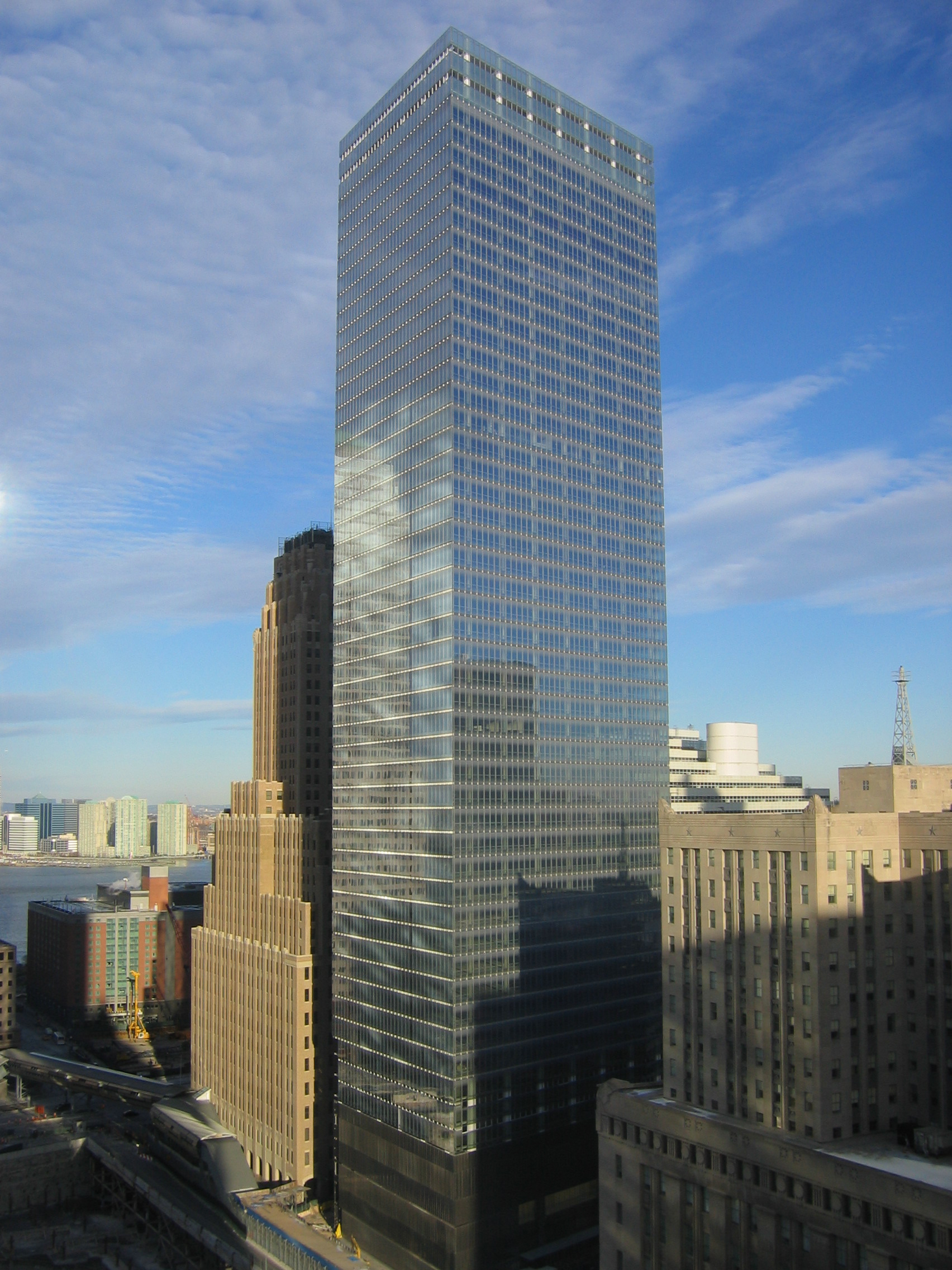
WTC 7 was the first building in the complex to be rebuilt, reopening in 2006. Its successful redevelopment served as a financial bellwether for the recovery of Lower Manhattan. The decision to rebuild quickly was a strategic move to restore investor confidence and prove that the Financial District remained a viable place for capital placement.
Financing the “First Building Back”
The new WTC 7 cost approximately $700 million to construct. The financing was a test case for the “Liberty Bond” program, a federal initiative designed to spur investment in the disaster zone. By utilizing these bonds, the Silverstein group was able to access lower interest rates, making the project’s internal rate of return (IRR) much more attractive to secondary investors. This move was crucial because, in 2004 and 2005, many institutional investors were still hesitant to put money back into “Ground Zero.”
Premium Commercial Space in a Post-9/11 Market
The business model for the new WTC 7 shifted toward sustainability and high-tier safety, being the first commercial office tower in New York City to receive LEED Gold certification. From a marketing and brand perspective, this was a “Money” move: green buildings often command 10-15% higher rents. The gamble paid off. By 2011, the building was 100% leased to prestigious firms like Moody’s Corporation and Ameriprise Financial. The high occupancy rate proved that even after a catastrophic loss, a well-capitalized and strategically marketed asset could regain—and even exceed—its previous market value.
Economic Lessons in Urban Risk Management
The story of Building 7 offers profound insights into how financial markets price risk in dense urban environments. It changed the way Real Estate Investment Trusts (REITs) and commercial lenders evaluate “black swan” events.
The Impact on Global Real Estate Investment Trusts (REITs)
Following the collapse of WTC 7, the global REIT market saw a shift in how “Terrorism Insurance” was priced. Before 2001, such coverage was often included for free or at a nominal cost. After the collapse, the Terrorism Risk Insurance Act (TRIA) was passed to provide a federal backstop, as private insurers were unwilling to bear the concentrated risk. For business owners, this meant a permanent increase in the “cost of doing business” in Tier-1 cities like New York, London, and Tokyo. Insurance premiums became a significantly larger line item on the annual profit and loss (P&L) statements of major commercial assets.
Long-term Asset Valuation in High-Risk Zones
What happened to WTC 7 ultimately taught the market that asset value is inextricably linked to resilient infrastructure. The “New WTC 7” was built with a reinforced concrete core and enhanced fireproofing—features that were expensive upfront but increased the long-term valuation of the building by lowering the “risk premium” sought by future buyers or lenders. In modern finance, the “resiliency” of a building is now a measurable component of its cap rate. Investors are willing to accept lower immediate yields in exchange for the certainty that the asset can withstand extreme shocks.
In conclusion, while the collapse of World Trade Center Building 7 was a tragedy of unprecedented proportions, its financial history is a testament to the resilience of the New York real estate market. Through aggressive insurance litigation, innovative use of tax-exempt bonds, and a forward-thinking approach to safety-as-a-value-add, the redevelopment of WTC 7 became a blueprint for urban economic recovery. It stands today not just as a piece of the New York skyline, but as a multi-billion-dollar case study in how capital reacts, recovers, and reinvests in the face of total loss.
aViewFromTheCave is a participant in the Amazon Services LLC Associates Program, an affiliate advertising program designed to provide a means for sites to earn advertising fees by advertising and linking to Amazon.com. Amazon, the Amazon logo, AmazonSupply, and the AmazonSupply logo are trademarks of Amazon.com, Inc. or its affiliates. As an Amazon Associate we earn affiliate commissions from qualifying purchases.