
In the ever-evolving landscape of digital music streaming, few platforms entered the fray with as much fanfare and ambition as Tidal. Launched in 2014 by Aspiro and then famously relaunched in 2015 by artist Jay-Z, Tidal positioned itself not just as another streaming service, but as a premium, artist-friendly platform dedicated to high-fidelity audio. Its promise was simple yet profound: superior sound quality, exclusive content, and a fairer artist compensation model, all wrapped in a sleek user interface. However, navigating the treacherous waters dominated by tech behemoths like Spotify and Apple Music proved to be an immense challenge. The question, “what happened to Tidal?” isn’t about its disappearance, but rather its journey through innovation, competition, and strategic adaptation within a highly competitive technological domain.

Tidal’s story is a compelling case study in the tech industry, illustrating the difficulties of disrupting established giants, the nuances of niche market appeal, and the constant pressure to innovate in both product and business model. From its high-profile launch event featuring music industry luminaries to its eventual acquisition by Square (now Block), Tidal has consistently sought to carve out a unique space, largely defined by its commitment to audio quality and a more equitable creator ecosystem. Yet, the path has been anything but smooth, marked by strategic shifts, technological arms races, and the relentless demands of consumer expectations.
Tidal’s Ambitious Entry: A Niche Carved by Quality
When Tidal burst onto the scene in 2015 with Jay-Z at the helm, it wasn’t just another app; it was a statement. In a world increasingly accustomed to the convenience of compressed audio, Tidal staked its claim on the uncompromised experience. This initial strategic pivot was entirely technology-driven, aiming to leverage advancements in internet bandwidth and audio encoding to deliver a superior product.
The Promise of High-Fidelity Audio
At its core, Tidal’s initial allure was its commitment to lossless audio streaming, primarily through its “HiFi” tier offering FLAC (Free Lossless Audio Codec) files. This was a direct challenge to the industry standard of lower-bitrate, lossy formats like Ogg Vorbis (Spotify) or AAC (Apple Music). For audiophiles and discerning listeners, Tidal promised studio-quality sound, allowing them to hear music as the artists intended, free from the digital compression artifacts that plague lower-quality streams. This technological differentiator was a bold move, banking on a segment of the market willing to pay a premium for sonic purity, even if it meant larger data consumption and the need for better audio equipment. It represented a significant technical hurdle in terms of server infrastructure, bandwidth management, and app development to ensure seamless high-quality delivery globally.
Artist Ownership and Exclusive Content
Beyond audio quality, Tidal’s relaunch was fronted by a powerful narrative of artist empowerment. Jay-Z assembled a star-studded lineup of artist co-owners, including Beyoncé, Rihanna, Kanye West, Madonna, Daft Punk, and more. This collective aimed to create a platform that offered fairer royalties and greater control to creators. Technologically, this translated into a strategy of securing exclusive content – music videos, albums, and concert livestreams – that would only be available on Tidal. For a period, this strategy created significant buzz and drove subscriptions, as fans flocked to the platform to access exclusive drops like Kanye West’s The Life of Pablo or Beyoncé’s Lemonade. This required intricate digital rights management (DRM) systems and robust content delivery networks (CDNs) to handle the surge in traffic and ensure secure, time-limited exclusivity.
Early Market Reception and Challenges
Despite the star power and noble intentions, Tidal faced an uphill battle. The average consumer, already entrenched in free or cheaper streaming options, was often unconcerned with the nuances of audio fidelity, and the exclusivity strategy, while effective at times, could also alienate users who preferred a single, comprehensive library. Tech reviews, while acknowledging the sound quality, often pointed to a less refined user interface compared to Spotify, occasional buffering issues with high-res audio, and the significant price point ($19.99/month for HiFi at launch) as barriers to mass adoption. The early years were a constant struggle to balance its premium proposition with the need for greater market penetration, all while investing heavily in the underlying technology to support its ambitious feature set.
Navigating a Crowded Digital Soundscape
Tidal’s bold entry was met with the unwavering might of established tech giants who had already cemented their positions in the streaming market. This created a relentless competitive environment where technological innovation, user experience, and pricing strategies were constantly being refined.
The Dominance of Spotify and Apple Music
Spotify, with its freemium model and pioneering recommendation algorithms, and Apple Music, backed by the immense ecosystem and marketing power of Apple, had already captured the lion’s share of the market. These platforms benefited from network effects, extensive music catalogs, and robust, feature-rich applications. Spotify, in particular, was a master of data-driven personalization, offering incredibly accurate daily mixes and discovery playlists through its advanced machine learning algorithms—an area where Tidal initially lagged. Apple Music, integrated seamlessly with iOS devices, offered a compelling user experience for iPhone users. Tidal had to compete not just on its unique selling points but also on core functionalities, requiring continuous investment in its own app development, search capabilities, and recommendation engines to keep pace.
Technological Innovation and User Experience Gaps
While Tidal led in audio quality, its competitors often outpaced it in other areas crucial to the modern streaming experience. Spotify’s “Discover Weekly” and “Wrapped” campaigns became cultural phenomena, driven by sophisticated data analytics and AI. Apple Music’s deep integration with Siri and its native device experience offered unparalleled convenience. Tidal, initially, was seen as more utilitarian, focused on playback rather than discovery or social features. Bridging this gap required significant investment in engineering to develop competitive recommendation algorithms, improve search functionality, enhance social sharing features, and optimize its application performance across diverse devices. The sheer scale and resources of its competitors allowed them to iterate faster and offer a more polished, holistic user experience that appealed to a broader audience.
The Price of Premium: Accessibility vs. Aspiration
Tidal’s premium pricing model, initially $9.99 for standard quality and $19.99 for HiFi, stood in stark contrast to Spotify’s free tier and $9.99 premium tier. While the high price was justified by better sound and artist compensation, it inevitably limited Tidal’s addressable market. The tech industry, particularly in consumer services, often thrives on economies of scale. Tidal’s lower subscriber numbers meant fewer resources for R&D, marketing, and infrastructure upgrades compared to its rivals. The challenge became how to maintain its premium brand identity and financial viability for artists, while simultaneously making the service more accessible or demonstrating undeniable value that warranted the higher cost. This tension between premium positioning and market accessibility continues to be a defining characteristic of Tidal’s strategy.
Evolving Tech and Shifting Consumer Expectations

The digital audio landscape is anything but static. Technological advancements in audio encoding, AI, and connected devices constantly reshape consumer expectations, forcing all platforms to adapt or risk obsolescence. Tidal, too, had to evolve beyond its initial lossless promise.
The Rise of Lossless and Spatial Audio Across Platforms
Crucially, the technological advantage Tidal once held in lossless audio began to erode. In 2029 and 2021, respectively, Amazon Music and Apple Music announced the inclusion of lossless audio (and even “Ultra HD” or “Hi-Res Lossless”) as a standard feature for their basic subscription tiers, often at no extra cost. This move effectively commoditized Tidal’s primary differentiator. Furthermore, Apple Music heavily invested in Spatial Audio with Dolby Atmos, offering an immersive, multi-dimensional sound experience that some argue is a more noticeable upgrade for the average listener than simply lossless stereo. Tidal responded by incorporating its own immersive audio formats like Sony 360 Reality Audio and Dolby Atmos, but the race to deliver “better than CD” quality became a fight on multiple fronts, requiring continuous R&D and licensing agreements for these advanced encoding technologies.
The Algorithm Arms Race: Personalization and Discovery
Beyond audio formats, the battleground shifted significantly towards personalization and discovery. Users now expect their streaming service to act as a personal DJ, curating playlists, suggesting new artists, and anticipating their tastes. Spotify’s dominance here, built on years of sophisticated machine learning, set a high bar. Tidal invested heavily in improving its own recommendation algorithms, offering features like “My Mixes,” “Artist Radios,” and “Tidal Rising” to highlight emerging talent. This required building robust data pipelines, employing machine learning specialists, and continuously refining algorithms to compete with the industry leaders. The ability to truly understand and cater to individual user preferences through AI became as critical as the sound quality itself.
Beyond Audio: Video, Livestreams, and Integrated Experiences
The modern streaming service is no longer just about music playback. It’s an entertainment hub. Users expect access to music videos, exclusive documentaries, live performances, and increasingly, integration with other digital services. Tidal, with its artist-centric approach, was well-positioned to leverage video content and livestreams. It developed features for concert streaming, exclusive documentaries, and short-form video content related to artists. This expansion into multimedia required substantial investment in video streaming infrastructure, encoding technologies, and content licensing, transforming Tidal from a pure audio player into a more comprehensive entertainment platform, akin to YouTube Music or even a niche competitor to broader media services.
The Square/Block Era: A New Chapter in Tech Integration
Perhaps the most significant development in Tidal’s recent history was its acquisition by Jack Dorsey’s Square (now Block) in 2021. This move signaled a strategic re-orientation, blending Tidal’s music tech with a broader fintech and creator economy vision.
Jay-Z’s Sale to Jack Dorsey’s Square
The acquisition, valued at approximately $302 million, saw Jay-Z selling a majority stake in Tidal to Square. Jack Dorsey, then CEO of both Square and Twitter, expressed a vision of creating new ways for artists to monetize their work, building upon Square’s expertise in financial services and payment processing for small businesses and creators. This was a clear acknowledgment that while Tidal excelled in audio quality, it needed a stronger technological and financial backbone to truly empower artists in the digital age. The merger brought Tidal under a tech conglomerate with vast resources and a complementary mission, albeit in a different domain.
Synergies and Strategic Re-orientation
The acquisition by Square immediately opened up new avenues for technological synergy. Square’s Cash App, for instance, could potentially be integrated with Tidal to facilitate direct payments to artists, tip jars, or fan engagement mechanisms. Block’s focus on decentralized technologies and the creator economy, including Bitcoin and Web3 initiatives, suggested a future where Tidal could explore NFTs, direct artist-to-fan monetization models, and alternative royalty structures using blockchain technology. This strategic re-orientation shifted Tidal’s focus from merely being a premium streaming service to potentially becoming a foundational platform within a broader creator economy, leveraging Block’s tech stack for financial innovation. This vision aims to address the long-standing complaints about opaque royalty payments and limited artist control, offering a truly transformative technological solution to artists.
Future-Proofing with Web3 and Creator Economy Visions
Under Block, Tidal’s future trajectory appears heavily influenced by Web3 and the evolving creator economy. Dorsey’s emphasis on open protocols, blockchain technology, and empowering creators to own their content and financial relationships aligns perfectly with Tidal’s original mission. This could involve exploring decentralized streaming models, utilizing NFTs for exclusive content or fan engagement, and integrating cryptocurrencies for payments and royalties. While still nascent, this strategic pivot positions Tidal at the forefront of emerging technologies, attempting to carve out a new competitive advantage beyond just audio quality. It’s an ambitious plan that requires significant R&D in blockchain integration, smart contract development, and building user-friendly interfaces for these complex technologies.
Tidal’s Enduring Niche and Future Trajectory
Despite the fierce competition and numerous strategic shifts, Tidal has not only survived but continues to hold a distinct position in the streaming market. Its journey is a testament to the power of a strong niche and the continuous need for innovation.
The Persistent Appeal for Audiophiles
Even as competitors caught up on lossless audio, Tidal’s reputation for quality, curated content, and a “music-first” ethos continues to resonate with a dedicated community of audiophiles. These users often invest in high-end audio equipment and appreciate Tidal’s commitment to formats like MQA (Master Quality Authenticated), which offers an even higher resolution audio experience. Tidal has doubled down on this segment, refining its app for optimal playback on various devices, offering advanced audio settings, and curating playlists specifically for high-fidelity listening. This niche, while smaller, is fiercely loyal and represents a valuable segment of the market that values technical superiority and an uncompromised listening experience.
Adapting to AI and Emerging Technologies
The future of streaming is inextricably linked to advancements in AI and other emerging technologies. Tidal, under Block, is poised to leverage these innovations in several ways. Improved AI for personalized recommendations, contextual playlists, and even generative music tools could enhance the user experience. Integration with voice assistants and smart home ecosystems remains crucial. Furthermore, Block’s interest in decentralized finance and Web3 technologies opens the door for Tidal to experiment with novel monetization models for artists, potentially using blockchain for transparent royalty tracking or fan ownership of music. The platform must continuously adapt its tech stack to support these evolving capabilities.
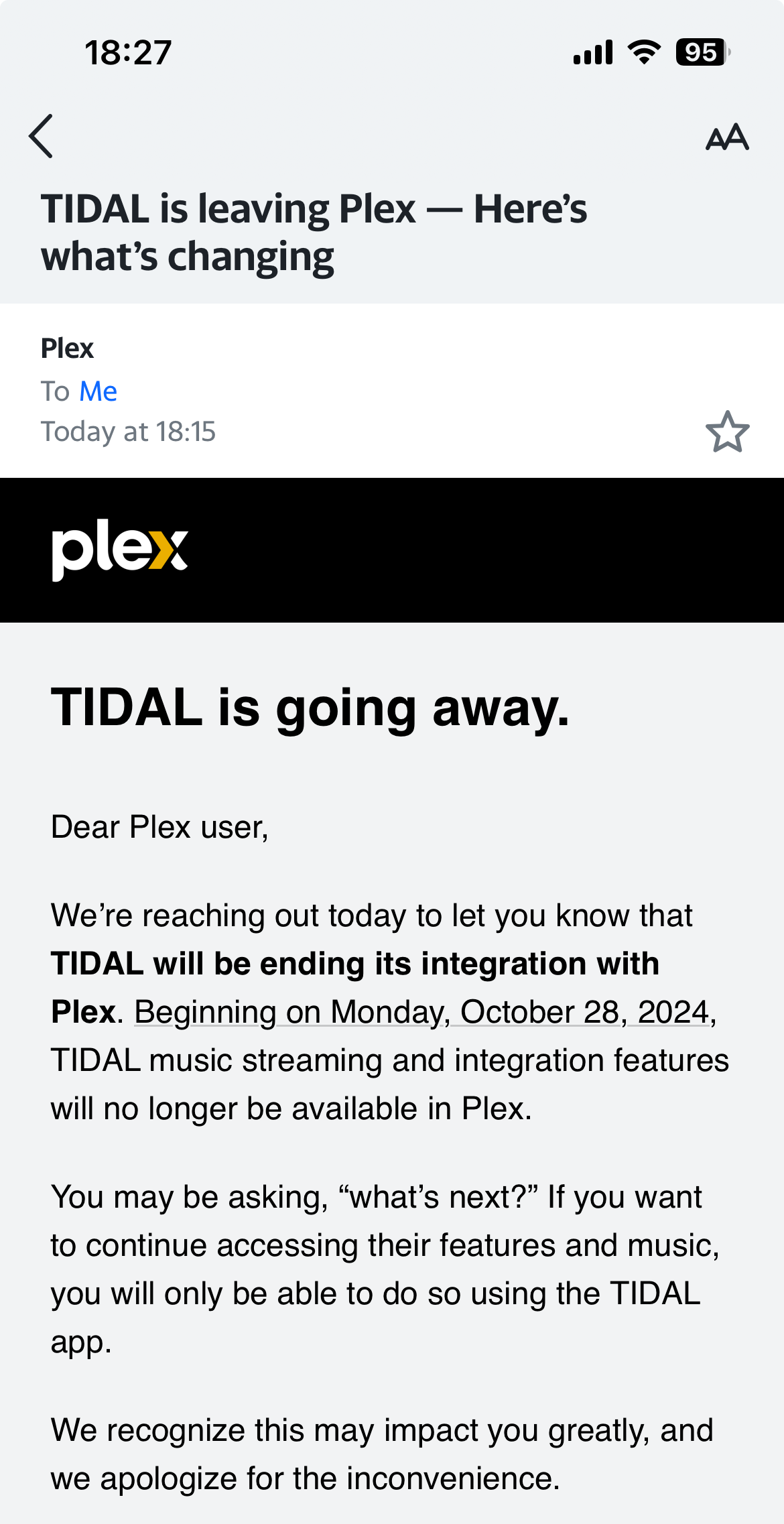
The Road Ahead: Innovation and Sustainability
“What happened to Tidal?” is ultimately a story of resilience and adaptation in the face of overwhelming competition. Tidal has evolved from a niche premium audio service to a platform seeking to integrate with a broader vision of empowering creators through technology and financial innovation. Its future will depend on its ability to effectively execute this vision, leveraging Block’s resources to innovate faster, build stronger artist and fan communities, and differentiate itself not just on audio quality, but on a holistic, technologically advanced, and equitable ecosystem for music. The streaming wars are far from over, and Tidal’s journey continues to be one of the most intriguing in the intersection of music, technology, and finance. Its survival and continued relevance will hinge on its capacity for sustained technological innovation and its ability to consistently deliver unique value to both artists and listeners in a rapidly changing digital world.
aViewFromTheCave is a participant in the Amazon Services LLC Associates Program, an affiliate advertising program designed to provide a means for sites to earn advertising fees by advertising and linking to Amazon.com. Amazon, the Amazon logo, AmazonSupply, and the AmazonSupply logo are trademarks of Amazon.com, Inc. or its affiliates. As an Amazon Associate we earn affiliate commissions from qualifying purchases.