
In the landscape of entertainment and modern entrepreneurship, the question “what happened to Tia Mowry” is rarely a query about her disappearance from the limelight, but rather a fascination with her complete transformation. From the early 1990s as a teenage star in the hit sitcom Sister, Sister to her current standing as a lifestyle mogul and wellness advocate, Mowry’s trajectory offers a masterclass in personal branding. Her journey illustrates how a public figure can successfully navigate the “child star” archetype to build a multi-million dollar business ecosystem rooted in authenticity, vulnerability, and strategic diversification.
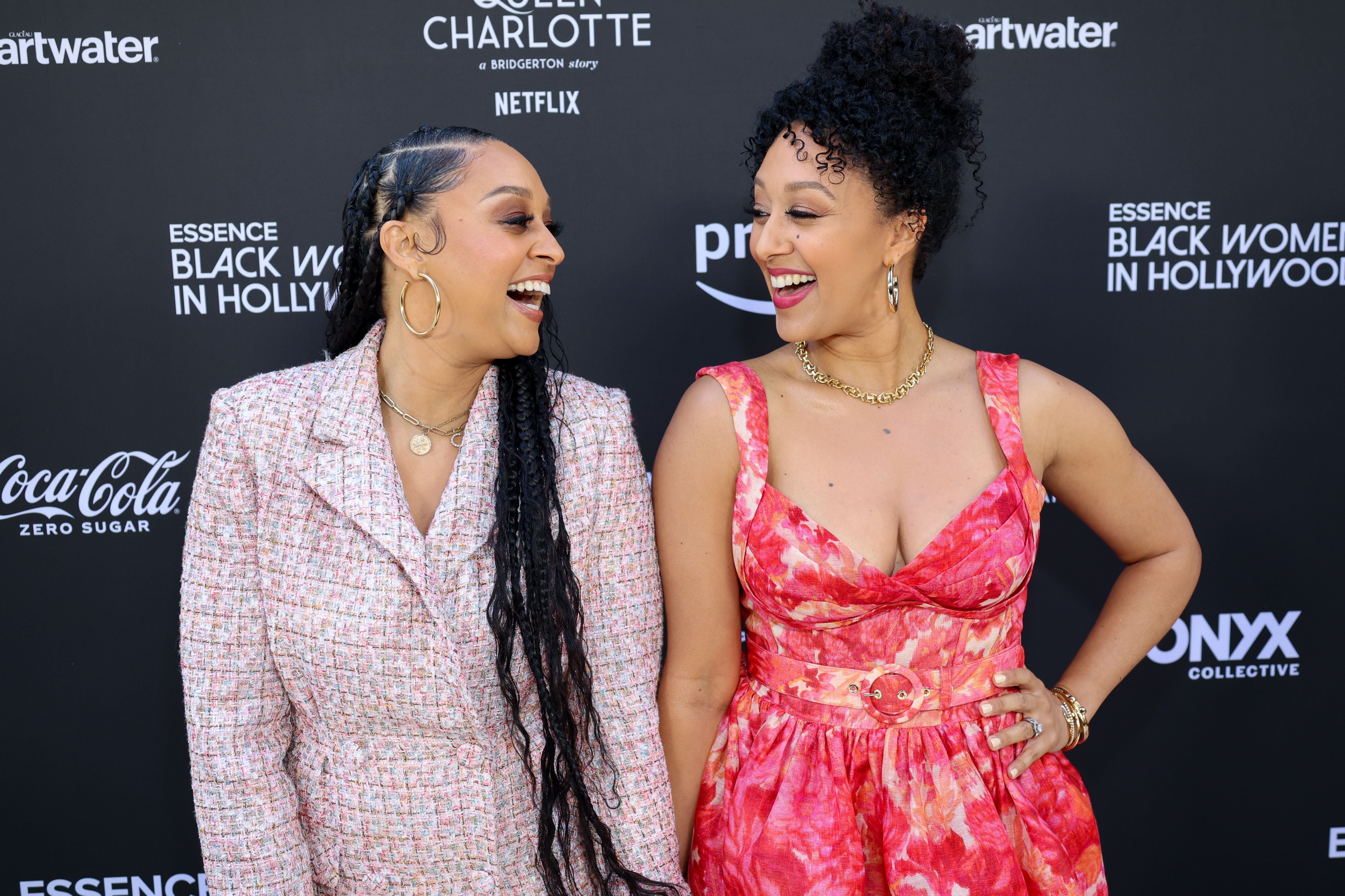
The evolution of Tia Mowry is not a story of accidental success; it is a calculated pivot from a shared identity to a singular, authoritative voice. In an era where personal branding is the new currency, Mowry has mastered the art of the “next act,” proving that longevity in a volatile market requires more than talent—it requires a robust brand strategy.
From Twin Star to Individual Authority: The Genesis of the Mowry Brand
For over a decade, Tia Mowry’s brand was inextricably linked to that of her twin sister, Tamera. This dual branding served as a powerful entry point into the market, creating a unique selling proposition (USP) that few could replicate. However, the transition from a “package deal” to an individual entity is one of the most difficult maneuvers in brand management.
Leveraging the Power of Nostalgia
Mowry’s initial brand equity was built on nostalgia. For Millennials, she represented a wholesome, relatable figure. Instead of distancing herself from this past—a mistake many former child stars make—she used it as a foundation. By embracing her roots, she maintained a loyal “legacy” audience while slowly introducing them to her maturing interests. This strategic use of nostalgia served as a bridge, ensuring that as she evolved, her audience felt they were growing alongside her rather than being left behind.
The Breakout from Synchronicity
The pivot toward an individual brand required a distinct differentiation in voice and content. Tia Mowry began this process by identifying her personal passions: cooking, wellness, and parenting. By carving out a niche in the lifestyle sector that was separate from her sister’s ventures, she effectively diversified the “Mowry” portfolio. This individualization allowed her to seek partnerships and create products that reflected her specific values, such as clean beauty and holistic health, which would eventually lead to the launch of her own brands.
Navigating Radical Authenticity: The Divorce as a Brand Pivot
One of the most significant shifts in Tia Mowry’s brand narrative occurred during her 2022 announcement of her divorce from Cory Hardrict. In the world of personal branding, a major life upheaval can either dismantle a brand or reinforce it. Mowry chose the latter, utilizing a strategy of radical authenticity to redefine her public persona.
Transparency as a Trust-Building Asset
Mowry’s approach to her personal life has become a cornerstone of her brand. By being open about the challenges of marriage, the decision to prioritize her own happiness, and the complexities of co-parenting, she moved from being a “celebrity” to a “relatable mentor.” From a brand strategy perspective, this transparency builds high levels of consumer trust. When a brand founder is seen as honest about their struggles, that honesty carries over to the perceived quality and integrity of their products.
Managing Crisis Communication in the Public Eye
The “what happened” in Mowry’s personal life was managed with professional precision. Rather than letting tabloids dictate the narrative, she utilized her own social media platforms to control the messaging. This direct-to-consumer communication is a hallmark of modern brand management. By controlling the narrative, she ensured that her brand remained associated with “empowerment” and “self-love” rather than “scandal.” This shift has allowed her to attract a demographic of women who value personal growth and resilience, further expanding her market reach.
Diversification and the Lifestyle Ecosystem
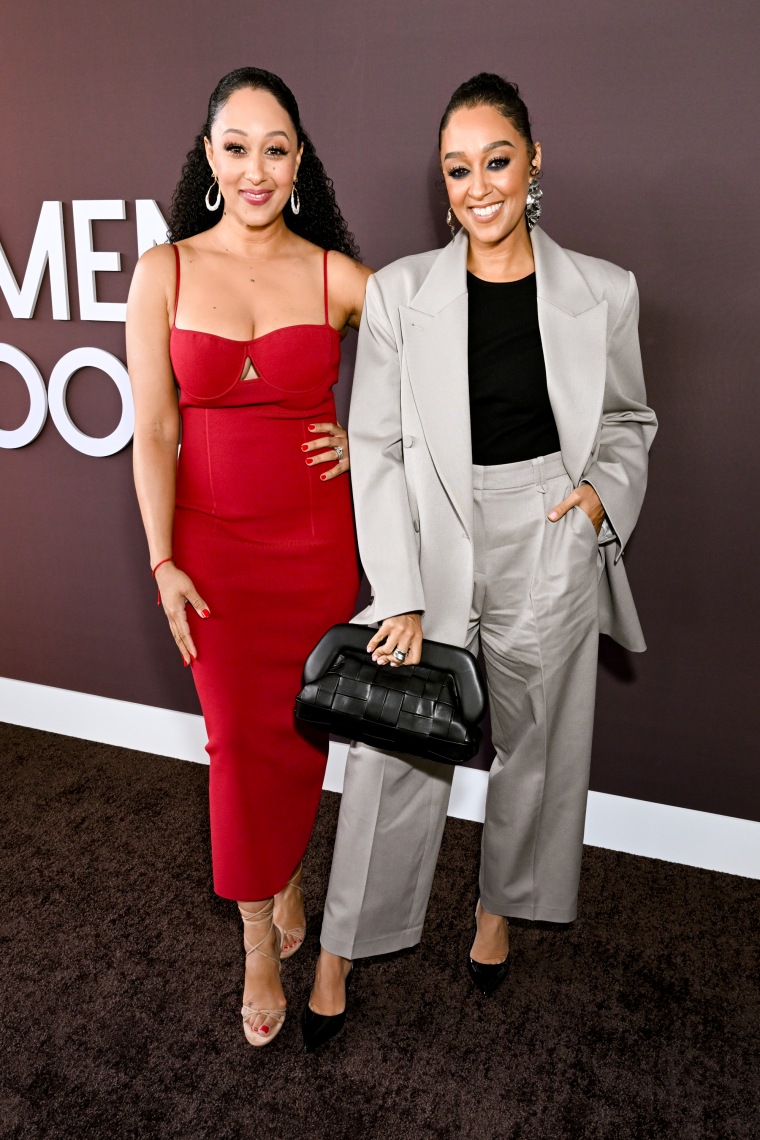
A successful brand is rarely one-dimensional. Tia Mowry has meticulously built a lifestyle ecosystem that spans media, publishing, and consumer goods. This diversification is not just about multiple streams of income; it is about creating a 360-degree brand experience for her followers.
The Transition to Culinary and Wellness Influence
With the launch of Tia Mowry’s Quick Fix on YouTube and the release of her cookbooks like Whole New You, Mowry positioned herself as a subject matter expert. She identified a gap in the market for accessible, health-conscious family recipes tailored to busy professionals. This move effectively transitioned her from an actress who “reads lines” to a creator who “provides solutions.” In brand strategy, this is known as moving from a passive brand to an active, utility-based brand.
4U by Tia and the Scalability of Personal Values
The most concrete evidence of Mowry’s brand power is the launch of 4U by Tia, a natural hair care line. This venture was not a random endorsement but a logical extension of her personal brand’s commitment to “clean living” and “self-care.” By launching a product that addresses a specific pain point (clean hair care for textured hair), Mowry capitalized on her brand’s authority. The success of 4U by Tia demonstrates how a strong personal brand can be leveraged into a scalable corporate entity, moving beyond the individual to create long-term enterprise value.
Digital Strategy and the Modern Multi-Hyphenate
In the digital age, a brand is only as strong as its distribution. Tia Mowry’s digital strategy is a masterclass in cross-platform engagement, ensuring she remains top-of-mind in an increasingly fragmented media landscape.
Mastering the Art of Video Content
Mowry was an early adopter of the “creator economy” model. Recognizing that television was no longer the sole arbiter of influence, she invested heavily in high-quality video production for YouTube and Instagram. Her content is characterized by high production value but low-barrier relatability. This balance is critical; it maintains her status as an “A-list” figure while making her accessible enough for daily consumption by her audience.
Community Building vs. Follower Acquisition
The “what happened” to Tia Mowry is that she stopped just collecting followers and started building a community. Through her digital platforms, she engages in a two-way dialogue, often asking for feedback on recipes or sharing “unfiltered” moments. This community-centric approach creates “brand evangelists”—followers who don’t just consume her content but actively promote her products and defend her brand narrative. From a marketing standpoint, this organic advocacy is far more valuable than traditional paid advertising.
Strategic Lessons for Personal Brand Longevity
Tia Mowry’s journey provides several high-level takeaways for entrepreneurs and brand strategists looking to build enduring personal brands. Her success is a testament to the fact that longevity is built on the ability to pivot without losing the core essence of the brand.
Embracing the “Next Act” Mentality
Mowry never allowed herself to be pigeonholed by her past success. She understood that a brand must evolve to survive. This “next act” mentality involves constant self-assessment: What does the market need now? How have my audience’s lives changed? By answering these questions, she stayed relevant to her original fan base while capturing a new generation of consumers who may have never even seen Sister, Sister.

Narrative Control and Brand Protection
Throughout her career, Mowry has maintained a high level of control over her image. Whether through her choice of roles, her business partnerships, or her social media presence, every move feels intentional. Brand protection is about saying “no” to opportunities that don’t align with the core mission. Mowry’s brand is rooted in family, health, and empowerment; by rejecting anything that contradicts these values, she has maintained a cohesive and powerful brand identity for over three decades.
In conclusion, what happened to Tia Mowry is a deliberate and successful transition from a child star to a sophisticated brand architect. She has proven that by focusing on authenticity, diversifying her portfolio, and maintaining a direct connection with her audience, it is possible to build a brand that transcends the medium of its origin. Mowry is no longer just an actress; she is a lifestyle authority, a business leader, and a primary example of how to manage a personal brand in the 21st century.
aViewFromTheCave is a participant in the Amazon Services LLC Associates Program, an affiliate advertising program designed to provide a means for sites to earn advertising fees by advertising and linking to Amazon.com. Amazon, the Amazon logo, AmazonSupply, and the AmazonSupply logo are trademarks of Amazon.com, Inc. or its affiliates. As an Amazon Associate we earn affiliate commissions from qualifying purchases.