
In the volatile ecosystem of the music industry, where trends fluctuate with the speed of a social media algorithm, the trajectory of the Ying Yang Twins offers a masterclass in brand positioning, niche domination, and long-term brand equity. For those asking “what happened to the Ying Yang Twins,” the answer lies not in a narrative of disappearance, but in a sophisticated evolution of a personal brand that moved from mainstream saturation to a sustainable, legacy-based business model.
The Atlanta-based duo, consisting of Kaine and D-Roc, redefined the “Crunk” era of the early 2000s. However, their story is more than a series of chart-topping hits; it is an exploration of how a highly specific brand identity can be cultivated, exhausted, and eventually resurrected through the lens of nostalgia marketing.
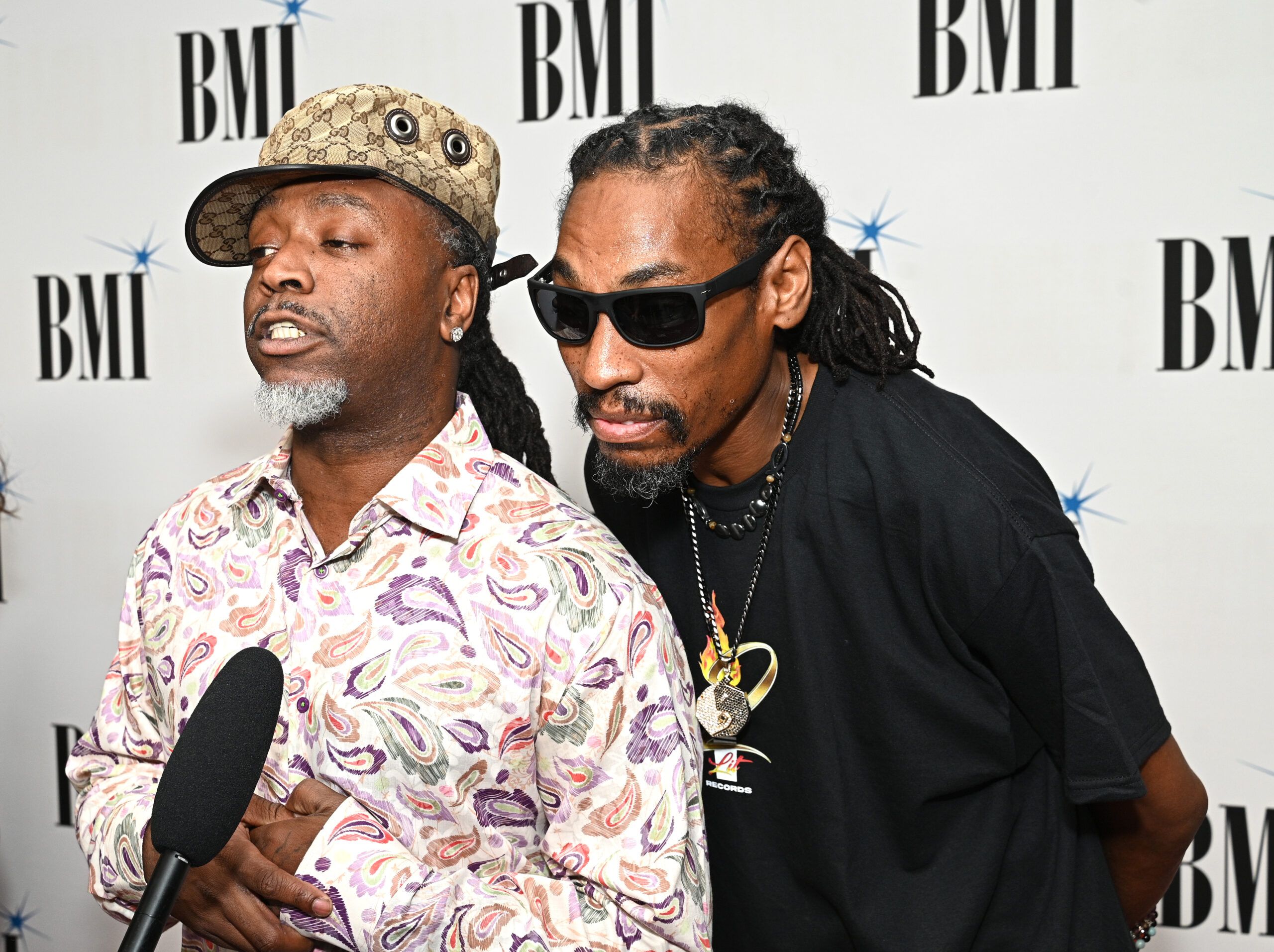
The Birth of a High-Octane Brand Identity
The Ying Yang Twins did not stumble into success; they engineered a brand that filled a specific gap in the market. In the early 2000s, hip-hop was diverging into the lyricism of the North and the burgeoning “dirty south” sound. The Ying Yang Twins positioned themselves as the ultimate purveyors of “party energy.” Their brand wasn’t built on complex metaphors, but on a visceral, high-octane aesthetic that was instantly recognizable.
The “Whisper” Technique as a Unique Selling Proposition (USP)
In marketing, a Unique Selling Proposition is the factor that differentiates a product from its competitors. For the Ying Yang Twins, this was the “Whisper.” When they released “Wait (The Whisper Song)” in 2005, they executed a 180-degree turn from their usual high-decibel shouting.
This was a brilliant branding pivot. By stripping away the heavy production and relying on a minimalist, whispered delivery, they created a “sonic logo.” Within three seconds of the track playing, the consumer knew exactly whose brand they were engaging with. This level of brand recognition is what modern corporations strive for with jingles and visual icons. The “Whisper” became a proprietary asset of their brand, one that they continue to monetize through features and live performances decades later.
Visual Branding and the “Crunk” Aesthetic
The duo’s brand identity was further solidified through a consistent visual language. They leaned heavily into the “Crunk” aesthetic—oversized jerseys, grillz, and high-energy stage presence. This was not merely a fashion choice; it was a visual representation of their brand promise: unfiltered, high-energy entertainment. By aligning their visual identity so closely with the Southern rap movement of the mid-2000s, they became synonymous with an entire era of nightlife culture.
Market Saturation and the Evolution of the Brand Lifecycle
Every brand undergoes a lifecycle: introduction, growth, maturity, and decline. By 2006, the Ying Yang Twins had reached the peak of the maturity phase. With back-to-back platinum albums and a string of guest features on tracks like Lil Jon’s “Get Low,” the market reached a point of saturation.
The Shift in Hip-Hop Consumption Patterns
The perceived “disappearance” of the duo coincided with a seismic shift in the music industry’s business model. The transition from physical sales and ringtones to digital downloads and early streaming platforms changed how brands maintained visibility.
The Ying Yang Twins’ brand was built for the club and radio era—environments that favored high-frequency, high-impact singles. As the industry moved toward a more individualized, playlist-driven consumption model, the “party brand” faced challenges. The duo didn’t lose their talent; rather, the “platform” through which their brand was delivered began to change, requiring a strategic retreat to re-evaluate their positioning.
Managing Brand Fatigue in a Fast-Paced Industry
Brand fatigue occurs when a consumer is overexposed to a specific message or style. Because the Ying Yang Twins had such a distinct and loud brand, the risk of fatigue was higher than for more versatile artists. Recognizing this, the duo intentionally slowed their output. From a brand strategy perspective, this is often preferable to diluting the brand with sub-par products that do not meet the core brand promise. They prioritized the integrity of their legacy over the pursuit of fleeting modern trends that didn’t fit their established identity.
The Pivot to Legacy Branding and Nostalgia Marketing

Today, the Ying Yang Twins are a prime example of the “Legacy Brand.” In the corporate world, legacy brands like Coca-Cola or Levi’s don’t need to reinvent themselves every year; they simply need to remind the consumer of the positive emotions associated with their history.
Capitalizing on the Millennial Nostalgia Cycle
The most significant factor in the recent resurgence of the Ying Yang Twins is the 20-year nostalgia cycle. The primary consumers of the early 2000s (Millennials) are now in their peak spending years. This demographic seeks out “comfort brands” that evoke memories of their youth.
The duo has masterfully capitalized on this by participating in “Millennium Tours” and nostalgia-heavy concert lineups. They aren’t trying to compete with 21 Savage or Lil Baby; they are competing for the nostalgia market. This is a highly profitable niche where the “cost of customer acquisition” is low because the brand awareness is already 100% among the target audience.
Strategic Partnerships and Media Appearances
The duo’s brand has also found new life through strategic media placements. A notable example is their appearance in a GEICO commercial, where they performed a modified version of their hit “Wait” in a suburban kitchen context.
This move was a stroke of branding genius. It signaled that the duo was “in on the joke,” showing a level of brand self-awareness that is highly attractive to modern audiences. By leaning into their status as icons of a specific era, they transitioned from “dated” to “classic.” This type of media partnership allows a brand to remain relevant in the public consciousness without the need for a new “hit” record.
Lessons in Personal Branding for Modern Creators
The journey of the Ying Yang Twins offers several critical lessons for entrepreneurs, influencers, and brand strategists. Their longevity is not an accident; it is the result of owning a specific space in the cultural landscape.
Consistency vs. Innovation
One of the greatest dilemmas in branding is knowing when to change and when to stay the course. The Ying Yang Twins opted for consistency. While other artists tried to chase the “trap” sound or the “mumble rap” wave, Kaine and D-Roc remained the Ying Yang Twins.
This consistency ensured that their brand remained “pure.” When a festival organizer needs a high-energy act that will get a 35-year-old crowd on their feet, the Ying Yang Twins are the first call. Had they diluted their brand by trying to sound like modern artists, they would have lost that specific market authority.
Owning the “Sonic Logo”
In a digital age where attention spans are measured in seconds, having a recognizable “hook” is more important than ever. The duo’s use of ad-libs (the “Hanh!” and the whisper) serves the same purpose as the Netflix “Tudum” or the Apple startup sound.
Modern brands should look at the Ying Yang Twins as an example of how to build sensory triggers into a product. Whether it is a specific color palette in graphic design or a specific tone of voice in copywriting, these “sonic” and visual logos create an emotional shortcut for the consumer.

The Power of the Niche
The Ying Yang Twins never tried to be everything to everyone. They didn’t aim for the “conscious rap” audience or the “pop-crossover” crowd exclusively. They owned the “Party/Crunk” niche. By dominating a smaller segment of the market rather than being a small player in a large market, they ensured a lifetime of bookings and royalty checks. For any brand, identifying a niche and serving it with 100% commitment is often the most viable path to long-term survival.
In conclusion, “what happened to the Ying Yang Twins” is a story of successful brand management. They successfully navigated the transition from mainstream icons to legacy mainstays. By leveraging their unique assets, embracing the nostalgia cycle, and maintaining a consistent brand identity, they have ensured that the Ying Yang Twins remain not just a memory of the 2000s, but a functioning, profitable, and highly recognizable brand in the 2020s.
aViewFromTheCave is a participant in the Amazon Services LLC Associates Program, an affiliate advertising program designed to provide a means for sites to earn advertising fees by advertising and linking to Amazon.com. Amazon, the Amazon logo, AmazonSupply, and the AmazonSupply logo are trademarks of Amazon.com, Inc. or its affiliates. As an Amazon Associate we earn affiliate commissions from qualifying purchases.