
The Ambitious Entry into E-commerce
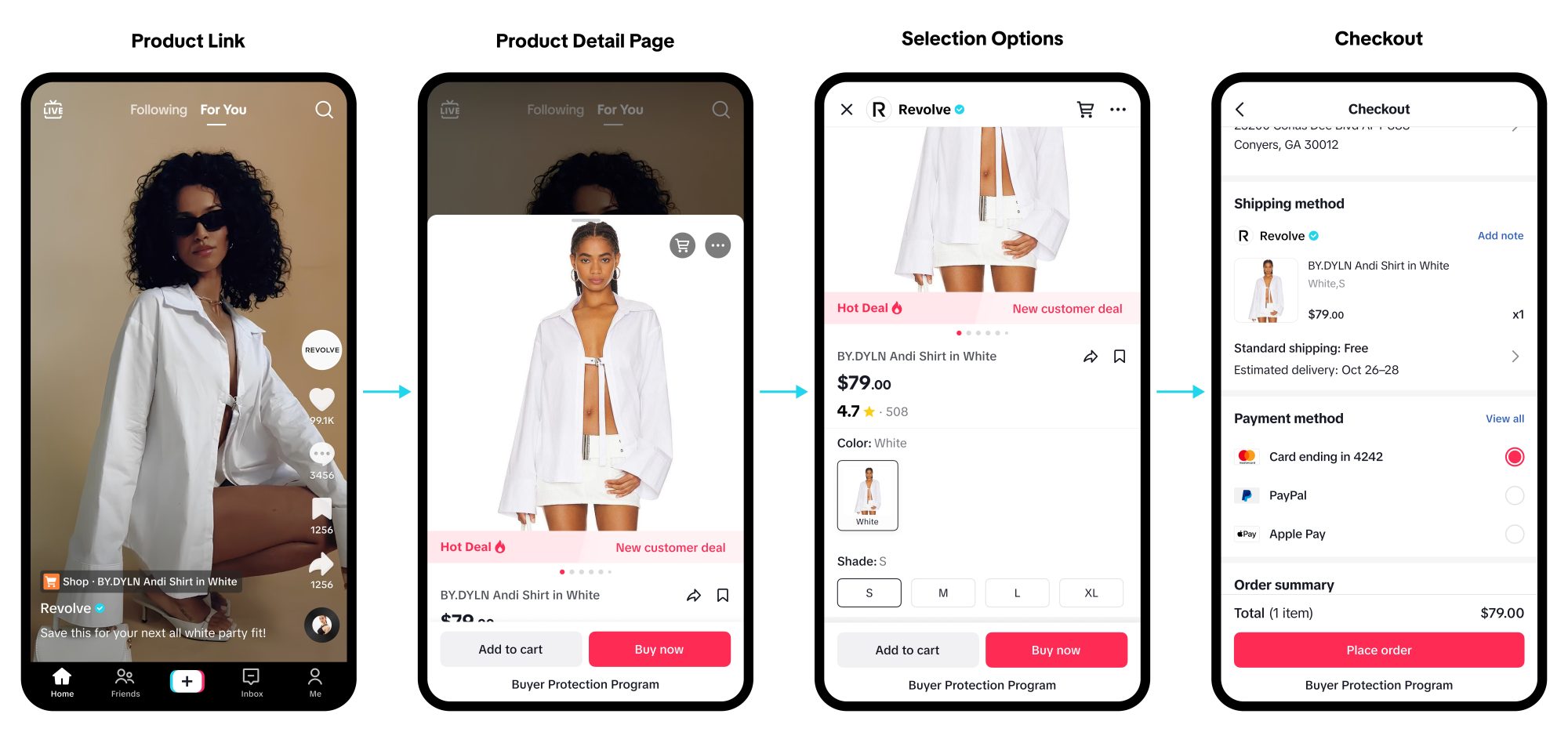
TikTok’s foray into direct e-commerce, culminating in the launch of TikTok Shop, represented a significant strategic pivot for the social media giant. Recognizing the immense monetization potential within its massive global user base, the company sought to transform passive content consumption into active purchasing behavior. This move was not merely about adding a feature; it was an ambitious attempt to carve out a substantial share of the global e-commerce market, leveraging its unique position at the intersection of entertainment and social interaction.
Leveraging Creator Economy and Short-Form Video
At its core, TikTok Shop’s financial strategy was built on the foundation of the burgeoning creator economy. Millions of creators, from micro-influencers to mega-stars, had already cultivated engaged audiences on the platform. The introduction of TikTok Shop aimed to provide a direct monetization pipeline for these creators, allowing them to earn commissions on products sold through their live streams and short-form videos. This model envisioned a symbiotic relationship: creators would drive sales, generate income for themselves, and simultaneously contribute to TikTok’s transaction volume and profitability. The short-form video format, known for its ability to go viral and drive immediate engagement, was seen as an ideal vehicle for product discovery and impulse buying, promising an accelerated sales cycle compared to traditional e-commerce platforms. The emphasis on “shoppertainment” — blending entertainment with shopping — was a calculated move to reduce buyer friction and increase conversion rates, directly impacting revenue potential for both the platform and its sellers.

The Promise of Social Commerce for Businesses
For businesses, particularly small and medium-sized enterprises (SMEs), TikTok Shop offered a tantalizing proposition: direct access to a highly engaged, often younger demographic that was increasingly wary of traditional advertising. The platform promised a lower barrier to entry for digital sales, with integrated tools for product listing, inventory management, and fulfillment. The concept of social commerce, where shopping becomes an interactive, community-driven experience, held the promise of higher engagement and loyalty, leading to repeat purchases and sustained revenue streams. Brands could tap into user-generated content, creator endorsements, and viral trends to market products, effectively transforming marketing spend into direct sales opportunities. This potential for direct, measurable ROI was a significant draw, positioning TikTok Shop as a vital channel for online income generation and business expansion.
Initial Investment and Market Expectations
The launch and scaling of TikTok Shop involved substantial financial investment. This included developing robust e-commerce infrastructure, building seller tools, establishing logistics partnerships, and investing heavily in marketing and incentives for both creators and merchants. Industry analysts observed these moves closely, with many forecasting TikTok Shop to become a formidable competitor to established e-commerce giants. The initial market expectations were high, fueled by TikTok’s unprecedented growth in user numbers and engagement. Projections often pointed to billions in gross merchandise value (GMV) within a few years, signifying a new financial frontier for ByteDance, TikTok’s parent company. The injection of capital, both from TikTok itself and from venture capitalists backing businesses built on the platform, underscored the belief in its financial viability and disruptive potential in the global retail landscape.
Navigating the Complexities of a New Market
Despite its promising start and significant investment, TikTok Shop’s journey has been marked by a complex array of operational and financial challenges inherent in entering the highly competitive e-commerce sector. The transition from a purely entertainment-focused app to a full-fledged shopping destination proved to be more intricate than initially anticipated.
Operational Hurdles and Supply Chain Demands
A primary financial and operational hurdle for TikTok Shop has been the immense complexity of building and maintaining a reliable supply chain and logistics network. Unlike purely social media platforms, e-commerce demands meticulous attention to warehousing, shipping, returns, and customer service. These are capital-intensive operations that require significant long-term investment and expertise. Issues with product quality control, delayed shipping, and inconsistent customer support from third-party sellers frequently led to negative user experiences, impacting customer retention and the platform’s overall reputation for reliability – a critical factor for sustained financial growth in retail. Managing disputes and ensuring seller accountability added further layers of operational cost and complexity, potentially eroding profit margins.
Creator Monetization and Conversion Challenges
While creator monetization was a cornerstone of TikTok Shop’s strategy, achieving consistent and high conversion rates proved challenging for many. Not every creator’s audience was ready or willing to transition from entertainment viewership to active purchasing. Many creators struggled with integrating product pitches seamlessly into their content without alienating their followers, leading to lower-than-expected commission earnings for some. The financial incentive for creators, often commission-based, varied wildly, making it an unpredictable income stream. For TikTok, this meant inconsistent transaction volumes despite high viewer numbers, directly impacting the platform’s revenue from transaction fees. Optimizing the conversion funnel, from product discovery to checkout, became a continuous financial and analytical challenge, requiring ongoing investment in AI-driven recommendations and user experience improvements.
Regulatory Scrutiny and Geopolitical Impact
Perhaps the most significant external factor impacting TikTok Shop’s financial trajectory, particularly in key Western markets like the United States, has been intensified regulatory scrutiny and geopolitical tensions. Threats of outright bans or forced divestiture due to data privacy concerns and national security implications cast a long shadow over TikTok’s entire operation, including its e-commerce ambitions. Such uncertainty directly impacts investor confidence, business partnerships, and long-term financial planning. Companies are hesitant to commit significant capital or resources to a platform whose future market access is constantly in doubt. This geopolitical risk translates into increased operational costs (e.g., legal fees, compliance efforts) and limits growth potential, making it harder to attract top talent and secure strategic financial backing necessary for aggressive e-commerce expansion. The financial implications of potential market exits or restricted operations represent a significant ongoing risk to TikTok Shop’s global revenue targets.
The Financial Reality: Performance, Pivots, and Profitability
TikTok Shop’s journey has been a mixed bag of significant investment, varied market reception, and ongoing strategic adjustments to achieve financial viability in the hyper-competitive e-commerce landscape. The reality on the ground has demonstrated both the immense potential and the inherent difficulties of translating social engagement into sustainable economic returns.
Varied Success Across Geographies
The financial performance of TikTok Shop has been anything but uniform across its launched markets. In Southeast Asian countries, for example, TikTok Shop often reported robust growth in Gross Merchandise Value (GMV), demonstrating strong user adoption and a thriving creator-seller ecosystem. The cultural context, existing social commerce trends, and less entrenched traditional e-commerce competition in some of these regions seemed to provide a fertile ground for TikTok Shop’s model. However, in Western markets like the United States and the UK, while there have been periods of rapid growth, the path to widespread adoption and significant market share has been more challenging. Factors such as consumer habits, the dominance of established e-commerce players (like Amazon and eBay), and different regulatory environments have led to higher acquisition costs for sellers and buyers, impacting profitability metrics. This geographical disparity in financial performance necessitates differentiated investment strategies and localized monetization models.
Seller Earning Potential and Platform Fees
For the individual sellers and small businesses, the promise of TikTok Shop was the potential for significant online income. However, the reality has been varied. While some businesses and creators have achieved remarkable success, generating substantial revenue and profit, many others have struggled to break through the noise or achieve consistent sales volumes. The platform’s fee structure, which includes commissions on sales, payment processing fees, and sometimes additional fees for promotional tools, directly impacts a seller’s net earnings. As TikTok Shop aims for greater profitability for itself, there’s an ongoing balancing act between attracting sellers with competitive fees and generating sufficient revenue for the platform. For businesses, careful financial planning and a deep understanding of cost structures are paramount to ensure TikTok Shop is a profitable sales channel rather than merely a marketing expense. The initial incentives, such as subsidized shipping or lower commission rates, often provided a temporary boost but were not always sustainable long-term.
Business Model Adjustments and Strategic Re-evaluation
In response to market feedback, operational challenges, and its own financial objectives, TikTok Shop has consistently made adjustments to its business model. This has included refining its algorithm for product recommendations, improving seller tools, investing in warehousing and fulfillment services in certain regions, and recalibrating its incentive programs for creators and merchants. Financially, these pivots represent continuous capital deployment and strategic reallocation. For instance, the emphasis on live shopping and flash sales in some markets reflects an attempt to drive immediate transaction volume and increase average order value. The company has also explored partnerships and integrations with existing logistics providers to reduce its own capital expenditure in this area. These strategic re-evaluations are critical for identifying profitable segments, optimizing cost structures, and enhancing the overall financial health of the e-commerce venture, ensuring that investment translates into tangible economic returns.
The Future of Social Commerce and TikTok’s Role
The narrative of TikTok Shop is far from over. Its trajectory will significantly influence the broader landscape of social commerce and dictate how future social platforms attempt to monetize their immense user bases. The ultimate success or recalibration of TikTok Shop has profound implications for businesses, creators, and the financial future of digital retail.
Competing with Established E-commerce Giants
TikTok Shop’s long-term financial viability hinges on its ability to effectively compete with deeply entrenched e-commerce giants like Amazon, Walmart, and Alibaba. These established players boast decades of experience in logistics, supply chain management, customer service, and robust payment infrastructures. They also have vast existing customer bases accustomed to a specific buying experience. TikTok Shop’s competitive advantage lies in its unique “shoppertainment” model and its ability to foster impulse purchases through engaging content. However, transforming this into a sustainable, large-scale financial engine requires overcoming significant hurdles, including building consumer trust in delivery and returns, offering competitive pricing, and expanding product assortments beyond trending items. The battle for market share and customer wallet spend will remain intense, requiring continuous innovation and significant financial backing to maintain competitive pricing and service levels.
Evolving Monetization Strategies for Creators
The financial ecosystem for creators on TikTok Shop is constantly evolving. Beyond direct sales commissions, the platform is exploring new monetization avenues for creators, such as performance-based bonuses, brand partnerships facilitated by TikTok, and even tools for creators to launch their own branded products directly through the shop. These diversified income streams are crucial for retaining top talent and ensuring a stable creator base, which is fundamental to driving sales on the platform. For creators, understanding these evolving strategies is key to maximizing their online income and building sustainable businesses. For TikTok, these varied monetization methods are essential for proving the financial value of its platform to creators, fostering loyalty, and ultimately driving a higher volume of transactions from which it can derive its own revenue.

Long-Term Financial Viability and Market Position
The long-term financial viability of TikTok Shop will depend on its capacity to consistently generate significant Gross Merchandise Value (GMV) while maintaining a healthy take rate (the percentage of sales TikTok keeps as revenue) and controlling operational costs. Building a profitable global e-commerce operation is a capital-intensive endeavor, requiring continuous investment in technology, logistics, and marketing. Its market position will be defined by how successfully it can integrate entertainment and shopping, cultivate a loyal base of both sellers and buyers, and navigate the complex global regulatory environment. While the initial promise was immense, the journey has highlighted the financial complexities of building an e-commerce giant from scratch within a social media framework. Its future will likely involve continued strategic pivots, targeted market expansions, and a relentless focus on optimizing the financial equation for all stakeholders involved.
aViewFromTheCave is a participant in the Amazon Services LLC Associates Program, an affiliate advertising program designed to provide a means for sites to earn advertising fees by advertising and linking to Amazon.com. Amazon, the Amazon logo, AmazonSupply, and the AmazonSupply logo are trademarks of Amazon.com, Inc. or its affiliates. As an Amazon Associate we earn affiliate commissions from qualifying purchases.