
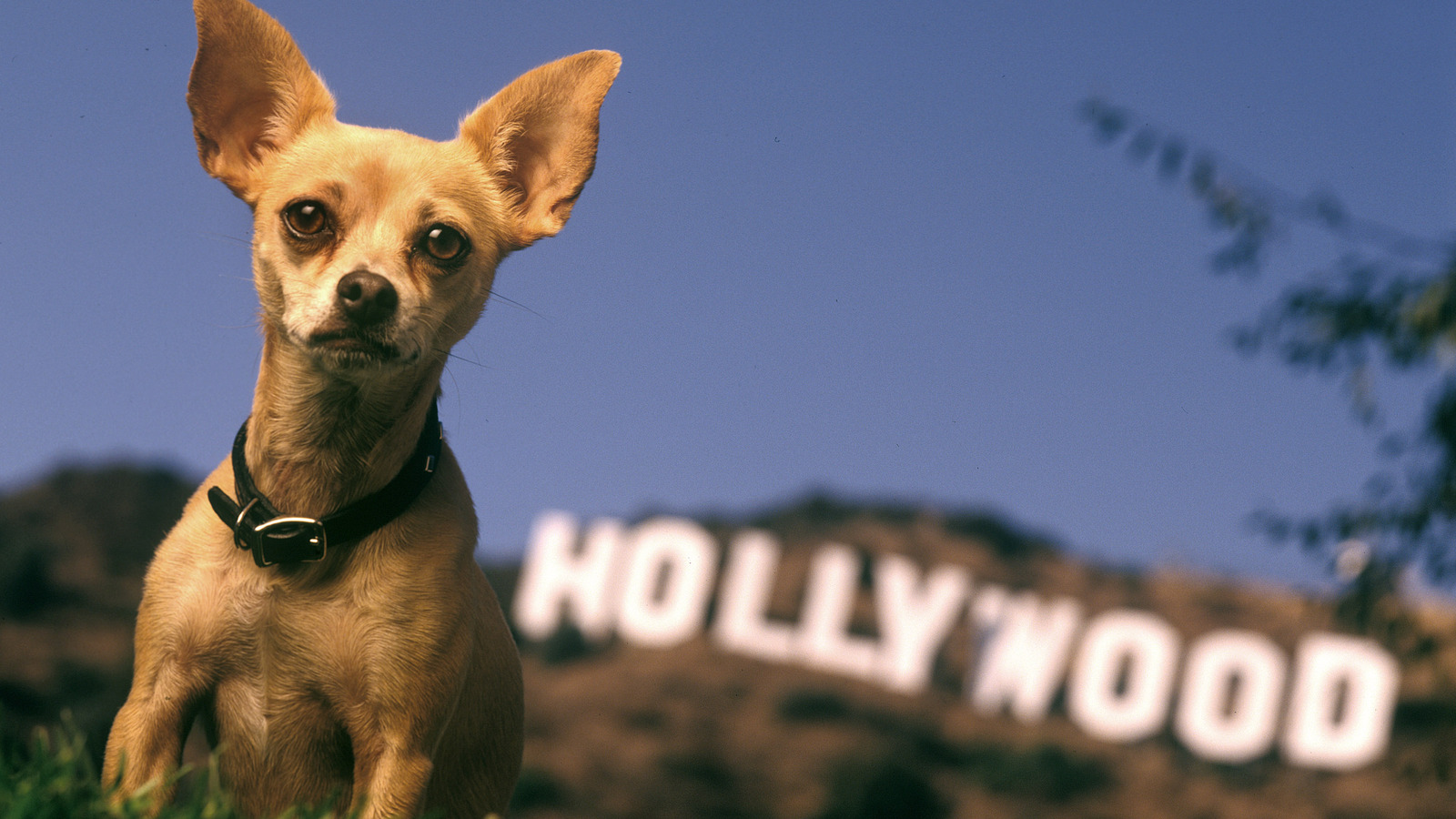
In the late 1990s, a 12-pound Chihuahua named Gidget vaulted into the global spotlight, uttering four words that would become one of the most recognizable catchphrases in advertising history: “¡Yo quiero Taco Bell!” For a brief, shining moment, the Taco Bell Chihuahua was more than just a mascot; she was a pop-culture phenomenon, a merchandising powerhouse, and the face of a brand attempting to redefine its place in the fast-food hierarchy.
However, the story of the Taco Bell Chihuahua is not merely one of nostalgic success. From a brand strategy perspective, it serves as a sophisticated case study in the dangers of “vampire creativity”—where a mascot’s fame eclipses the product—and the complex navigation of cultural identity in corporate marketing. Understanding what happened to the Taco Bell Chihuahua requires an analysis of brand positioning, the disconnect between awareness and sales, and the legal ramifications of intellectual property in creative industries.
The Birth of an Icon: Brand Strategy and Cultural Impact
In 1997, Taco Bell was struggling to differentiate itself in a market dominated by the burger wars of McDonald’s and Burger King. Their advertising agency at the time, TBWA/Chiat/Day, was tasked with creating a campaign that felt edgy, irreverent, and distinctively “cool” for a younger demographic. The result was a cinematic, high-production-value campaign centered on a talking dog.
Identifying a Unique Voice
The strategy behind the Chihuahua was to personify the brand’s “craveability.” By using a dog that was obsessed with the food—willing to bypass a romantic interest just to get a taco—the brand leveraged a humorous, character-driven narrative. This shifted Taco Bell away from the traditional fast-food marketing trope of showing steam rising from a burger. Instead, they focused on brand personality. The Chihuahua became a vessel for “edgy” late-90s humor, positioning Taco Bell as the alternative choice for the “X-Treme” generation.
The Power of Mascot Marketing
Mascot marketing is designed to create an emotional shortcut for consumers. Gidget, the dog who played the role, succeeded beyond the brand’s wildest dreams. Within months, Taco Bell’s brand recognition skyrocketed. Plush toys were sold at registers, the dog appeared on red carpets, and the catchphrase permeated every level of media. From a pure “Brand Awareness” metric, the campaign was a flawless victory. It established Taco Bell not just as a restaurant, but as a cultural participant.
Brand Misalignment: Why the Campaign Ultimately Failed
Despite the dog’s immense popularity, the campaign is often cited by marketing historians as a cautionary tale. The central issue was a classic brand misalignment: the dog was famous, but the food was not selling. In 2000, after a three-year run, Taco Bell officially retired the mascot following a significant drop in same-store sales.
The Disconnect Between Likability and Sales
The “Vampire Effect” in branding occurs when a creative element is so entertaining that the audience remembers the “thing” (the dog) but forgets the “product” (the tacos). While the public loved Gidget, they weren’t necessarily motivated to visit the stores. In fact, during the height of the Chihuahua’s fame, Taco Bell reported a 6% decrease in revenue. This highlighted a fundamental flaw in the brand strategy: the campaign focused on entertainment equity rather than value proposition or product quality. While the dog was “cool,” the brand failed to convince consumers that the food was superior to competitors.
Navigating Cultural Sensitivity and Representation
Another factor in the campaign’s decline was the growing pushback from advocacy groups. Organizations like the League of United Latin American Citizens (LULAC) criticized the campaign for utilizing Mexican stereotypes to sell fast food. In the world of brand strategy, cultural resonance is a double-edged sword. While the “¡Yo quiero!” slogan was catchy, the portrayal of a “Mexican” dog with a thick accent was increasingly viewed as reductive and offensive by the very demographic Taco Bell needed to respect. The brand eventually realized that maintaining a controversial mascot was a liability to its long-term corporate identity.
The Legal and Strategic Fall: Gidget’s Retirement
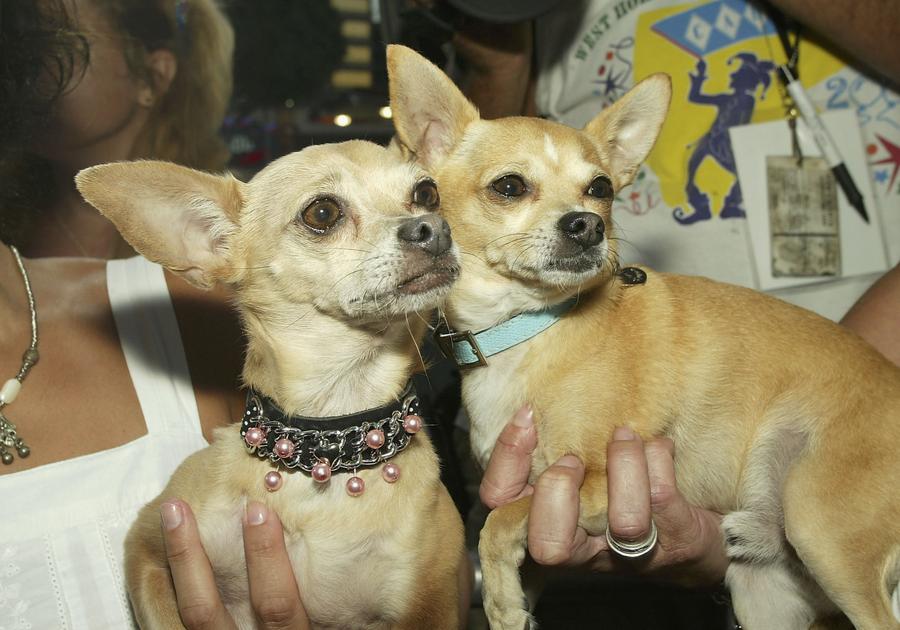
The end of the Chihuahua era wasn’t just a result of poor sales or cultural shifts; it was also accelerated by a massive legal battle that would cost the company millions. This serves as a vital lesson in the importance of clear creative contracts and the protection of intellectual property within a brand’s ecosystem.
The Wrench/Ricketts Lawsuit
In a landmark legal case, two Michigan developers, Joseph Shields and Thomas Ricketts of Wrench LLC, sued Taco Bell, claiming they had pitched the idea of a “psycho-dog” mascot to the company years prior. They argued that Taco Bell had taken their concept to TBWA/Chiat/Day without compensation. The legal battle lasted years, eventually resulting in a $42 million judgment against Taco Bell. This financial blow, combined with the stagnation of sales, made the Chihuahua an “expensive” asset in every sense of the word.
Moving Toward a Food-Centric Identity
Following the retirement of the dog in 2000, Taco Bell underwent a massive strategic pivot. They moved away from character-driven humor and toward a “product as hero” approach. This led to the “Think Outside the Bun” era, which focused on the unique nature of their menu items compared to traditional sandwich-based fast food. By removing the mascot, the brand was forced to re-evaluate its core identity and focus on innovation (like the introduction of the Crunchwrap Supreme) rather than relying on a celebrity animal.
Modern Lessons for Brand Managers
The legacy of the Taco Bell Chihuahua continues to influence how modern brands approach mascot-led marketing and social media personification. Today, we see brands like Duolingo (with Duo the owl) or Wendy’s (with their snarky Twitter persona) attempting to capture the same “lightning in a bottle” that Taco Bell had in 1998, but with more tactical precision.
Balancing Personality with Product
Modern brand strategy teaches that personality must be anchored in the product’s utility. If a mascot doesn’t directly drive a “reason to buy,” it is merely noise. Taco Bell’s current “Live Mas” campaign is an evolution of this lesson. It retains the irreverent, youthful spirit of the Chihuahua era but applies it to the lifestyle of the consumer and the quality of the ingredients, ensuring that the brand—not the mascot—remains the star.
The Evolution of Fast-Food Branding
The Chihuahua era was the last gasp of the “Mass Media” age, where a single TV commercial could dominate the national conversation. In today’s fragmented digital landscape, brands must be more surgical. Taco Bell has transitioned from a brand that tells jokes to a brand that facilitates experiences. They’ve opened Taco Bell Cantinas, hosted weddings, and leaned into “food hack” culture. This shift from “mascot-centric” to “experience-centric” is the direct result of learning that a famous dog cannot sustain a billion-dollar enterprise if the brand’s core value proposition is missing.
Conclusion: The Legacy of Gidget
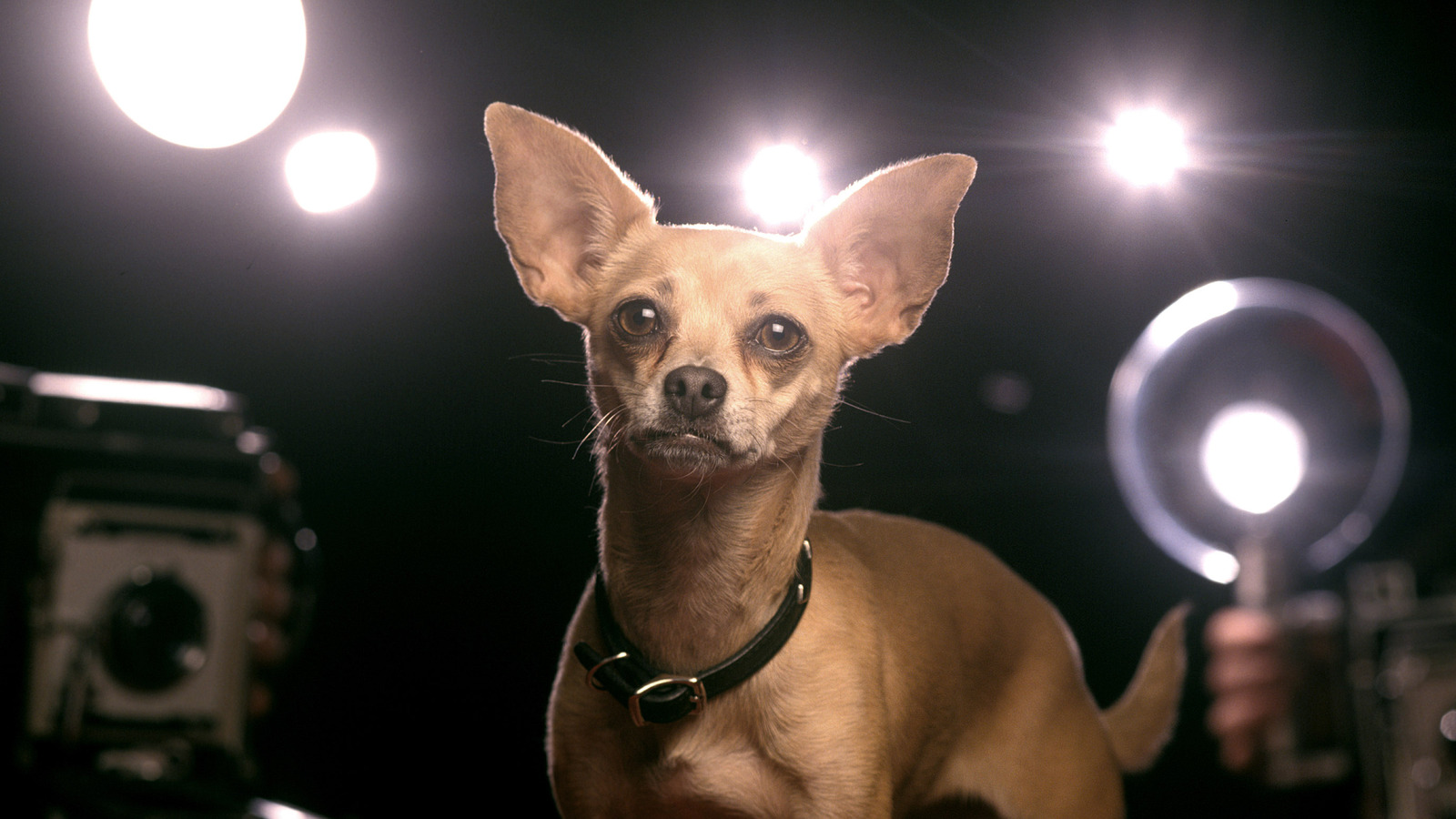
So, what happened to the Taco Bell Chihuahua? Gidget, the canine actor, lived a long and pampered life, eventually passing away in 2009 at the age of 15. She even had a “second act” in Hollywood, appearing in Legally Blonde 2.
But from a brand perspective, the Chihuahua “died” when Taco Bell realized that a mascot is not a strategy. The campaign remains one of the most successful failures in advertising history. It succeeded in making the world talk, but it failed in making the world eat. For brand managers and corporate strategists, the story is a permanent reminder that while creativity can capture attention, only a clear, culturally respectful, and product-focused strategy can capture market share.
Today, Taco Bell stands as one of the most successful fast-food brands in the world, not because of a talking dog, but because they learned to “Think Outside the Bun” and prioritize brand substance over mascot spectacle. The Chihuahua remains a beloved piece of 90s nostalgia, but her retirement was the necessary first step in Taco Bell’s journey toward becoming a modern marketing powerhouse.
aViewFromTheCave is a participant in the Amazon Services LLC Associates Program, an affiliate advertising program designed to provide a means for sites to earn advertising fees by advertising and linking to Amazon.com. Amazon, the Amazon logo, AmazonSupply, and the AmazonSupply logo are trademarks of Amazon.com, Inc. or its affiliates. As an Amazon Associate we earn affiliate commissions from qualifying purchases.