
The Erosion of Iconic Brand Equity
The Simpsons is more than just a television show; it is a masterclass in brand longevity and, more recently, a case study in brand dilution. For over three decades, the yellow family from Springfield functioned as a cultural monolith. However, as the series transitioned from its “Golden Age” into its current iteration, it serves as a sobering reminder of how shifting value propositions and an inability to adapt to modern brand consumption patterns can erode even the most robust corporate identity.
At its peak in the 1990s, The Simpsons was a disruptive brand. It challenged the status quo of family-oriented sitcoms, offering a satirical edge that resonated with a cross-generational audience. The brand’s power lay in its sharp, cynical perspective—a brand voice that felt authentic and necessary. Today, the brand has shifted from a disruptor to a legacy product, struggling to maintain relevance in a hyper-fragmented media landscape. The lesson for any enterprise is clear: when a brand loses the core promise that defined its market position, it ceases to be a leader and begins to merely occupy shelf space.
The Dilution of Narrative Identity
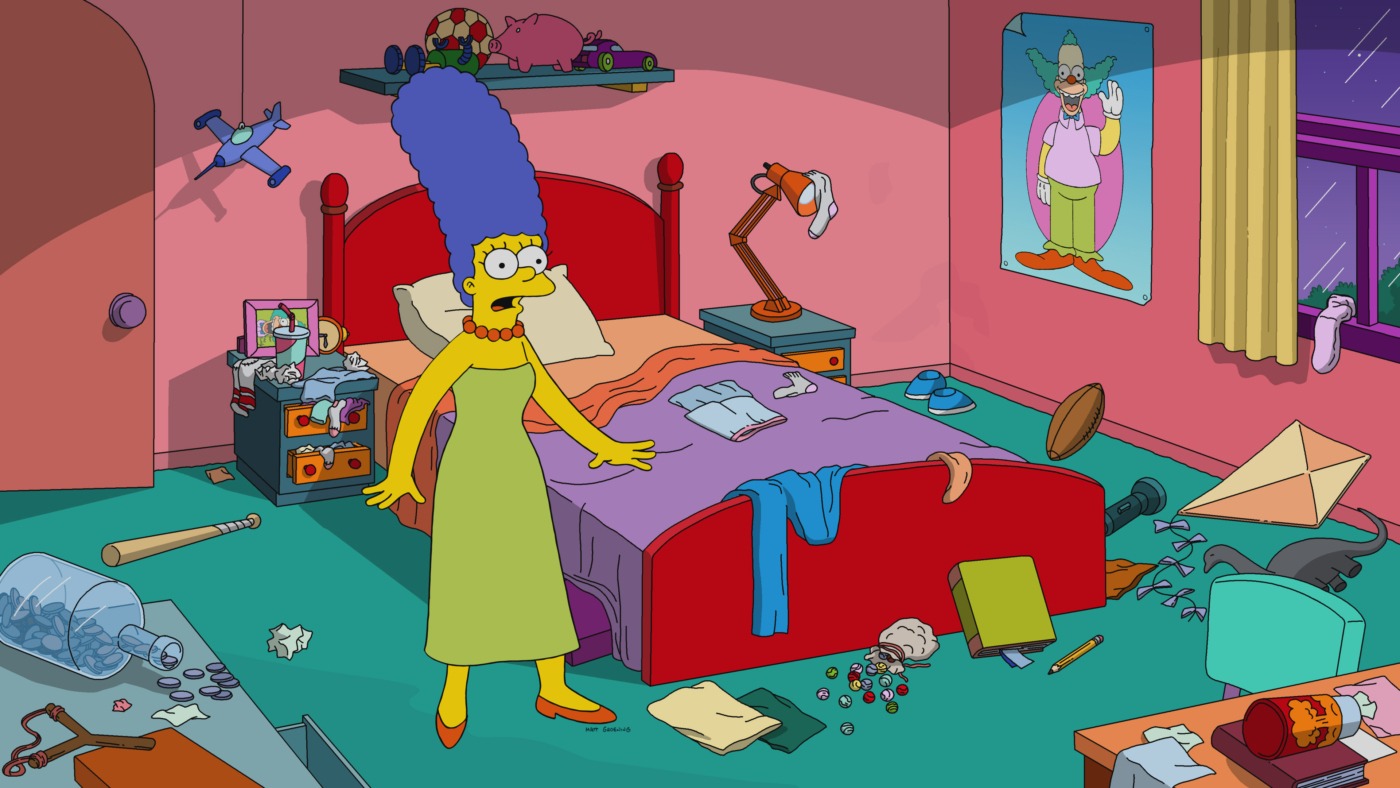
Brand identity is anchored by consistency. For The Simpsons, the characters were once archetypes that represented specific, relatable facets of American culture. Homer was the bumbling everyman, Lisa the voice of intellectual conscience, and Bart the embodiment of youthful defiance. Over time, the “flanderization” of these characters—the exaggeration of singular traits until they become caricatures—has fundamentally damaged the brand’s depth.
The Problem with Stagnant Archetypes
In branding, an “evergreen” strategy requires careful management. A brand must evolve to meet the changing expectations of its audience without losing its foundational DNA. The Simpsons fell into the trap of becoming a caricature of itself. By relying on tropes rather than narrative progression, the brand ceased to offer the audience a reason to care about the evolution of its protagonists. From a marketing perspective, the show stopped being a living entity and started being a franchise focused on recycling past successes. When a brand’s characters no longer grow or face stakes that feel genuine, the audience’s emotional investment—the most valuable currency in any brand strategy—inevitably depreciates.
Satire vs. Self-Reference
The original brand strategy of The Simpsons was rooted in observation. The show provided a mirror to society. However, as the show aged, it shifted toward self-reference. It began commenting on its own history rather than the world around it. This is a common pitfall for long-standing corporate entities: falling in love with one’s own legacy rather than the current market environment. When a brand begins to talk only to its most die-hard, long-term followers, it creates a barrier to entry for new generations, effectively shrinking its own total addressable market.
Adapting to the Fragmentation of Audience Attention
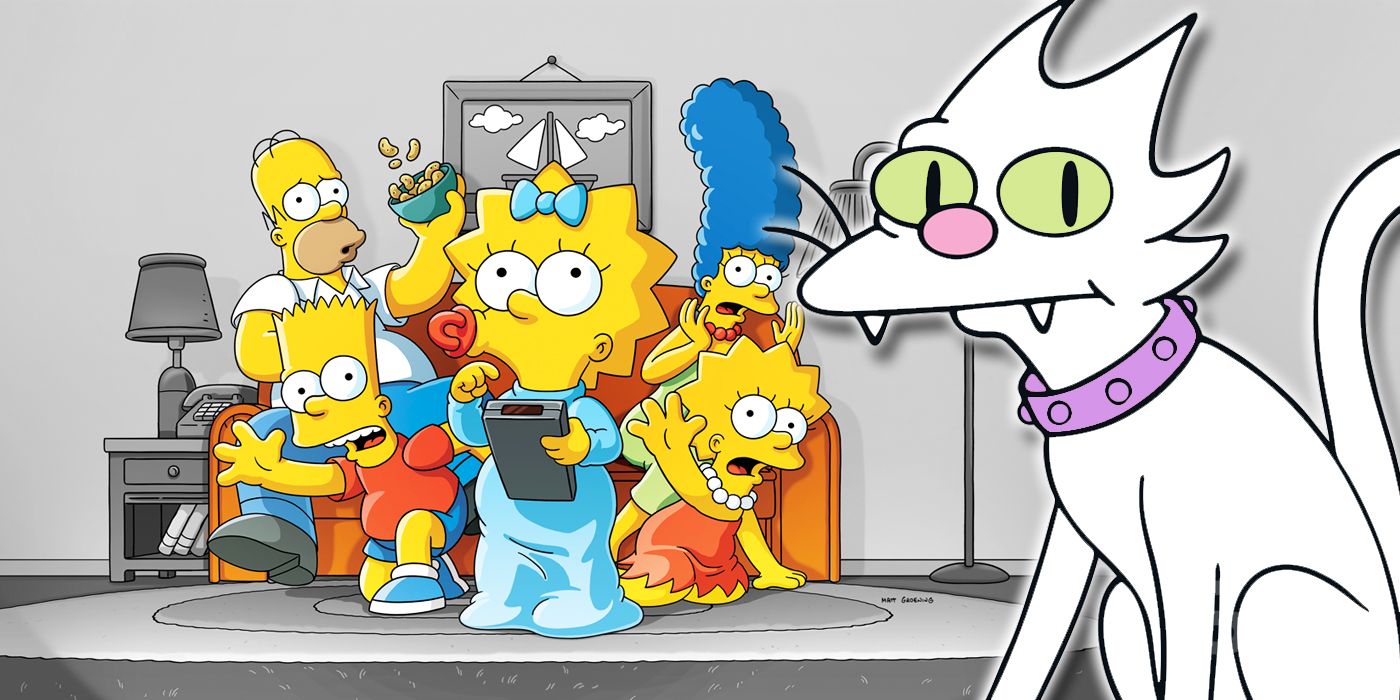
The media environment has undergone a tectonic shift since The Simpsons first premiered. We have moved from a scarcity model—where a few major networks dictated the cultural conversation—to an abundance model characterized by streaming, algorithmic feeds, and micro-influencers. The Simpsons, a brand built for a monoculture, has struggled to find its place in an era defined by niche interests and rapid-fire consumption.
The Challenge of Legacy Distribution
For decades, The Simpsons benefited from syndication—a strategy that allowed it to become a background constant in millions of households. But in the age of VOD (Video on Demand), the passive viewing experience has been replaced by active curation. The brand now competes with a limitless library of content. Without a clear pivot to address how modern audiences engage with media—short-form, high-impact, and highly shareable—the show appears as a vestige of a bygone era.
Rebranding the Experience
Modern brands thrive on community and participation. The Simpsons has attempted to integrate into the modern digital landscape through social media presence and high-profile guest collaborations. Yet, these efforts often feel like bolted-on marketing tactics rather than a cohesive brand evolution. A successful brand refresh requires more than just changing the delivery mechanism; it requires a fundamental re-evaluation of why the brand matters today. Does the show offer the same satirical bite in an era of Twitter-led discourse? If the brand’s primary value proposition—satire—is being delivered more efficiently and sharply by individual creators on social platforms, the brand must find a new, unique angle to justify its existence.
Strategic Lessons from a Multi-Generational Brand
There is no denying the historical success of The Simpsons as a piece of intellectual property. Its ability to generate revenue through licensing, merchandise, and global distribution is unparalleled. However, as a case study in modern brand management, it illustrates the danger of prioritizing short-term revenue over brand health. When you milk a brand solely for its equity without replenishing its creative reserves, you are engaging in a slow-motion liquidation.
The Cost of Consistency Over Innovation
The show’s refusal to radically evolve—to age its characters, to shift its setting, or to fundamentally alter its format—was once its greatest strength, ensuring it remained a reliable product for advertisers. But in the current market, consistency can be a death knell. Consumers crave innovation. They want brands that understand the current moment. By adhering strictly to the “if it ain’t broke, don’t fix it” philosophy, The Simpsons has become a stagnant entity in a dynamic market.

Protecting Brand Equity for the Long Term
For any organization, the lesson to learn from the trajectory of The Simpsons is the necessity of radical, controlled evolution. Maintaining a brand’s edge requires the courage to dismantle parts of the identity that no longer resonate. It requires moving from a defensive posture—protecting what used to work—to an offensive posture, identifying where the audience is moving and meeting them there.
If the brand had pivoted ten years ago to embrace shorter formats, interactive storytelling, or a bolder, more contemporary satirical voice, it might have retained its position as a cultural trendsetter. Instead, it has settled for being a global icon—a recognizable, yet increasingly inert, corporate asset. The Simpsons stands as a testament to the fact that longevity is not the same as relevance, and that a brand is only as strong as its ability to reflect the world as it exists today, not as it was when the brand was first built. As the market continues to evolve, the case of The Simpsons will likely be cited in marketing seminars not just for its unparalleled success, but as a cautionary tale of how the most formidable brands can lose their way by becoming prisoners of their own past success.
aViewFromTheCave is a participant in the Amazon Services LLC Associates Program, an affiliate advertising program designed to provide a means for sites to earn advertising fees by advertising and linking to Amazon.com. Amazon, the Amazon logo, AmazonSupply, and the AmazonSupply logo are trademarks of Amazon.com, Inc. or its affiliates. As an Amazon Associate we earn affiliate commissions from qualifying purchases.