
The disappearance of an aircraft, once a terrifyingly common occurrence in the early days of flight, remains a profound mystery in an age defined by ubiquitous connectivity and advanced surveillance. While incredibly rare today, these events highlight the intricate interplay of technology designed to ensure safety and the persistent challenges of operating within vast, dynamic environments. Understanding what truly happens when a plane vanishes means delving deep into the technological infrastructure of modern aviation, the limitations that still exist, and the cutting-edge innovations striving to make such disappearances a relic of the past.

The Digital Trace: How Aircraft Are Tracked
Modern aviation relies on a sophisticated network of technologies to track aircraft across the globe. These systems are designed to provide air traffic controllers and airlines with continuous, real-time data on an aircraft’s position, altitude, speed, and other critical parameters.
ADS-B and Traditional Radar Systems
At the core of air traffic control (ATC) in populated areas are two primary technologies: radar and Automatic Dependent Surveillance-Broadcast (ADS-B). Traditional radar systems work by emitting radio waves that bounce off an aircraft’s metallic surfaces, allowing controllers to determine its position. This technology has been a cornerstone of aviation safety for decades, providing a reliable but sometimes limited view, especially over vast oceanic expanses or mountainous regions where line-of-sight is obstructed.
ADS-B represents a significant leap forward. Instead of passively reflecting radar signals, aircraft equipped with ADS-B actively broadcast their position, altitude, velocity, and other information derived from onboard GPS receivers. These signals are picked up by ground stations and other aircraft, providing a more accurate and frequent update than traditional radar. The “dependent” aspect means it relies on the aircraft’s own navigation system. Many regions, including the United States and Europe, have mandated ADS-B Out for commercial and private aircraft flying in controlled airspace, significantly enhancing situational awareness for controllers and pilots alike.
Satellite-Based Tracking and ACARS
For flights over oceans and remote areas beyond the reach of ground-based radar or ADS-B receivers, satellite-based tracking systems come into play. These systems utilize satellites to relay aircraft position data, often supplementing or integrating with other communication methods.
One crucial system is the Aircraft Communications Addressing and Reporting System (ACARS). ACARS is a digital datalink system that allows aircraft to send short messages to ground stations via VHF radio or satellite. These messages can include flight plan updates, weather data, and engine performance metrics. Critically, ACARS can periodically transmit an aircraft’s position, providing a lifeline of information even when out of radar range. While not designed for continuous, high-frequency tracking in the same way ADS-B is, ACARS offers a valuable means of communication and position reporting in remote regions. The advent of satellite-based ADS-B reception, where orbiting satellites pick up ADS-B signals and relay them to ground stations, is also closing gaps in oceanic and polar region coverage, pushing towards true global real-time tracking.
When the Signal Fails: Understanding Gaps in Coverage
Despite the advanced technologies, there are still scenarios where an aircraft can disappear from tracking systems. These “blind spots” are often due to geographical limitations or, in rare cases, deliberate actions.
Remote Areas and Oceanic Flights
The vastness of Earth’s oceans and the remoteness of certain landmasses present the most significant challenges to continuous tracking. Ground-based radar and ADS-B rely on line-of-sight, meaning their range is limited by the curvature of the Earth and terrain. While satellite-based systems extend coverage significantly, even they can have latency or reporting frequency limitations depending on the specific service and subscription level.
For a commercial airliner flying over the Pacific Ocean, for instance, there can be long stretches where it is out of range of ground-based radar and relies primarily on ACARS or satellite-based ADS-B for positional updates. If these systems cease transmitting for any reason, the last known position becomes the starting point for a potentially monumental search effort. The absence of constant, real-time data in these areas remains a critical vulnerability, though new global tracking initiatives are actively addressing this.
Deliberate Disabling vs. System Failure
In extremely rare cases, an aircraft’s tracking systems can be deliberately disabled. Transponders (which broadcast radar-readable codes and ADS-B signals) can be turned off manually from the cockpit. ACARS systems, too, can be deactivated. While such actions are highly unusual and often indicative of severe distress or malicious intent, they highlight a fundamental challenge: the reliance on onboard systems that can be manipulated.
More commonly, a system failure can lead to a loss of signal. This could range from an electrical malfunction affecting communication equipment to a catastrophic structural failure that instantly incapacitates all systems. Distinguishing between a deliberate act and a system failure without immediate data can complicate early search and rescue efforts, adding layers of uncertainty to an already dire situation.
The Unseen Clues: Forensic Technology in Investigations
When an aircraft disappears and is subsequently found, an intensive technological investigation begins. The goal is to reconstruct the final moments and determine the cause, often relying on data sources that survive even extreme impacts.
Flight Data Recorders and Cockpit Voice Recorders
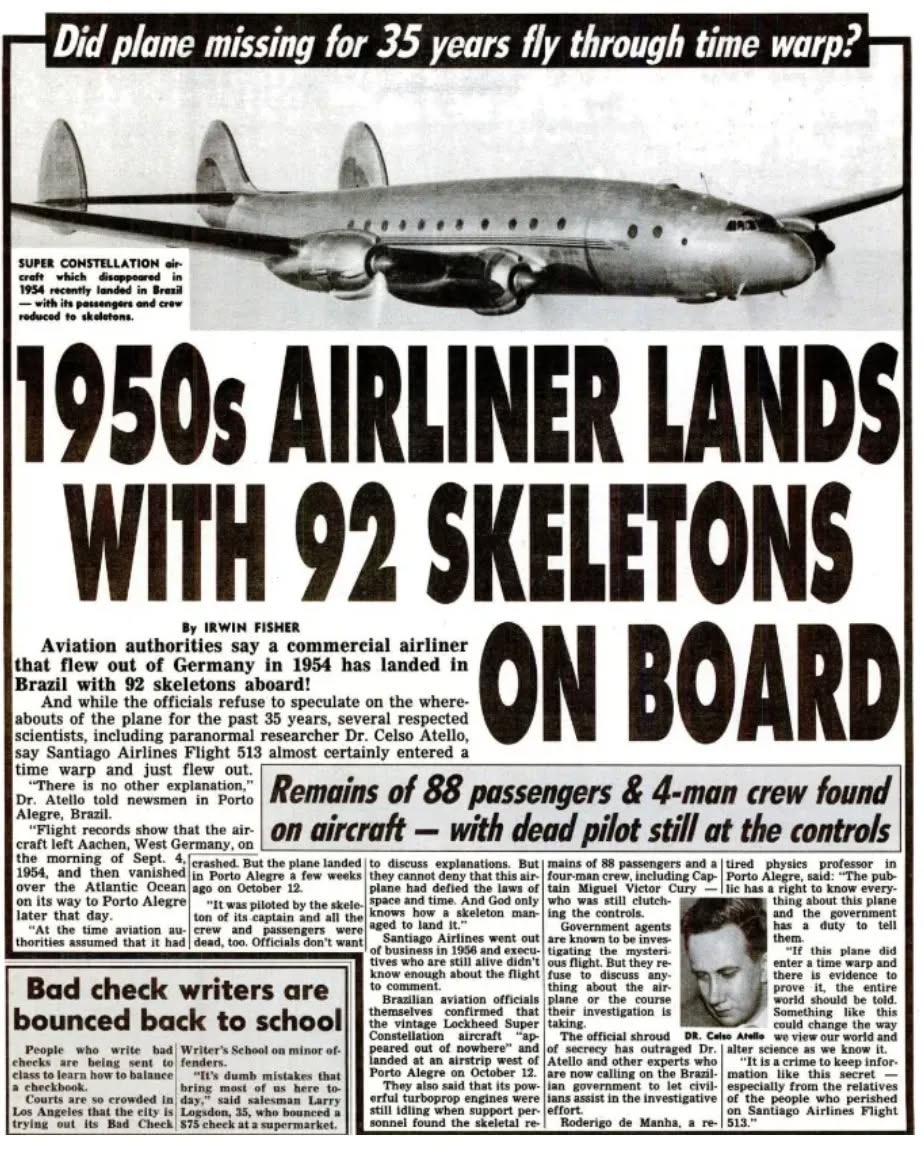
The “black boxes” – actually bright orange to aid visibility – are perhaps the most vital pieces of technology in an aviation investigation. The Flight Data Recorder (FDR) continuously records hundreds of parameters, including airspeed, altitude, heading, engine thrust, control surface positions, and autopilot settings. The Cockpit Voice Recorder (CVR) captures all audio within the cockpit, including pilot conversations, radio transmissions, and ambient sounds.
These recorders are built to withstand immense forces, heat, and immersion in water. They contain sophisticated memory modules protected by layers of insulation and a robust steel or titanium casing. Equipped with underwater locator beacons (ULBs) that emit ultrasonic pulses for at least 30 days, these devices are designed to be recoverable even from the deepest ocean floors, providing a high-fidelity snapshot of the aircraft’s performance and the crew’s actions in its final moments.
Debris Analysis and Oceanographic Mapping
Should an aircraft disintegrate or crash into water, the analysis of recovered debris becomes paramount. Material scientists and aeronautical engineers meticulously examine fragments for clues about the impact force, direction, and potential causes of failure. The deformation patterns, paint chips, and material integrity can tell a story of events leading to the crash.
For underwater searches, sophisticated oceanographic mapping technologies are deployed. Side-scan sonar, multi-beam echo sounders, and remotely operated vehicles (ROVs) equipped with high-resolution cameras and manipulators are used to survey vast areas of the seabed. These technologies create detailed topographical maps and identify potential wreckage, operating in depths and conditions inaccessible to humans. Autonomous underwater vehicles (AUVs) can conduct pre-programmed search patterns, collecting data over wide areas more efficiently.
Predictive Analytics and Data Science
Beyond physical evidence, the field of data science plays an increasingly crucial role. Investigators leverage flight manifest data, weather patterns, air traffic control logs, and even satellite imagery to build models that can predict probable flight paths or impact zones. Advanced algorithms can analyze radar pings and communication attempts to narrow down search areas, especially when primary tracking data is scarce. In cases of mysterious disappearances, analyzing faint satellite handshakes or unusual data transmissions can provide critical, albeit ambiguous, clues that guide search efforts.
Advancing Aviation Safety Through Technology
The lessons learned from every disappearance, no matter how rare, drive continuous innovation in aviation technology, aiming for a future where aircraft are truly “unlosable.”
Real-Time Global Tracking Initiatives
One of the most significant advancements is the push for real-time global tracking. Organizations like the International Civil Aviation Organization (ICAO) have established standards for aircraft to report their position at least every 15 minutes, moving towards 1-minute intervals when an aircraft is in distress. Satellite constellations offering global ADS-B reception are becoming operational, promising to eliminate blind spots over oceans and poles. Companies like Aireon are deploying satellite-based ADS-B networks, providing air traffic controllers with continuous surveillance data anywhere in the world, greatly enhancing safety and efficiency.
Enhanced Data Streaming and Cloud Storage
The next generation of black boxes is envisioned to not only record data internally but also to stream critical flight data to ground stations or cloud servers in real-time, especially when anomalies are detected. This “live streaming” capability would provide immediate access to vital information even if the physical recorders are unrecoverable. Imagine continuous data uploads of engine performance, aircraft attitude, and control inputs, accessible within moments of an incident, drastically reducing search times and expediting investigations. This shift towards cloud-connected aircraft is a major technological hurdle due to bandwidth, security, and cost, but its potential benefits are immense.
AI and Machine Learning in Anomaly Detection
Artificial intelligence (AI) and machine learning (ML) are being integrated into various aspects of aviation safety. AI algorithms can analyze vast amounts of flight data in real-time to detect subtle anomalies that might precede a system failure. By identifying patterns indicative of developing issues, AI can alert pilots and ground crews, enabling proactive maintenance or corrective actions. In the event of an incident, AI could rapidly process available data points to pinpoint likely scenarios or search areas with unprecedented speed and accuracy, turning raw data into actionable intelligence.
The Future of Unlosable Aircraft
The trajectory of aviation technology points towards a future where the concept of a “disappearing plane” becomes technologically impossible.
Next-Generation Black Boxes and Cloud-Connected Systems
Future flight recorders may integrate more deeply with the aircraft’s systems, transmitting data continuously or triggering high-frequency bursts upon detecting distress. Some proposals include deployable black boxes that automatically eject from the aircraft upon impact or immersion, floating to the surface for easier recovery. The ultimate goal is a fully cloud-connected system where critical flight data is continuously mirrored offboard, ensuring that even if an aircraft is utterly destroyed, its digital footprint remains intact for investigation.
Autonomous Monitoring and Predictive Maintenance
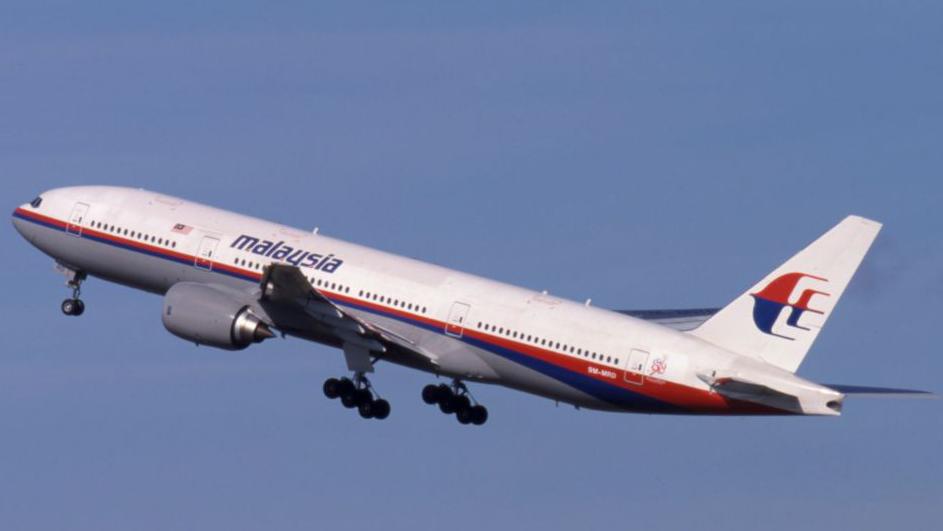
The integration of advanced sensors, IoT devices, and AI will enable aircraft to become increasingly autonomous in their monitoring and reporting capabilities. Predictive maintenance systems, powered by machine learning, will analyze operational data to forecast potential component failures before they occur, reducing the likelihood of in-flight emergencies. In the extreme event of a critical system failure, these autonomous monitoring systems could potentially broadcast distress signals or even initiate emergency landing protocols with a higher degree of precision and resilience than current systems. The continuous evolution of these technologies ensures that aviation continues to push the boundaries of safety and reliability, striving to leave no mystery unsolved.
aViewFromTheCave is a participant in the Amazon Services LLC Associates Program, an affiliate advertising program designed to provide a means for sites to earn advertising fees by advertising and linking to Amazon.com. Amazon, the Amazon logo, AmazonSupply, and the AmazonSupply logo are trademarks of Amazon.com, Inc. or its affiliates. As an Amazon Associate we earn affiliate commissions from qualifying purchases.