
The mists of history often shroud the fates of ancient peoples, none more so perhaps than the Picts, the enigmatic inhabitants of early medieval Scotland. For centuries, the question “what happened to the Picts?” has captivated archaeologists, historians, and enthusiasts alike. Was it a sudden disappearance? A catastrophic defeat? Or a gradual fading into the annals of time? While traditional narratives might suggest a vanishing act, a deeper, more nuanced look reveals a story of transformation, assimilation, and the enduring power of identity – a narrative remarkably rich in lessons for the modern world of branding.
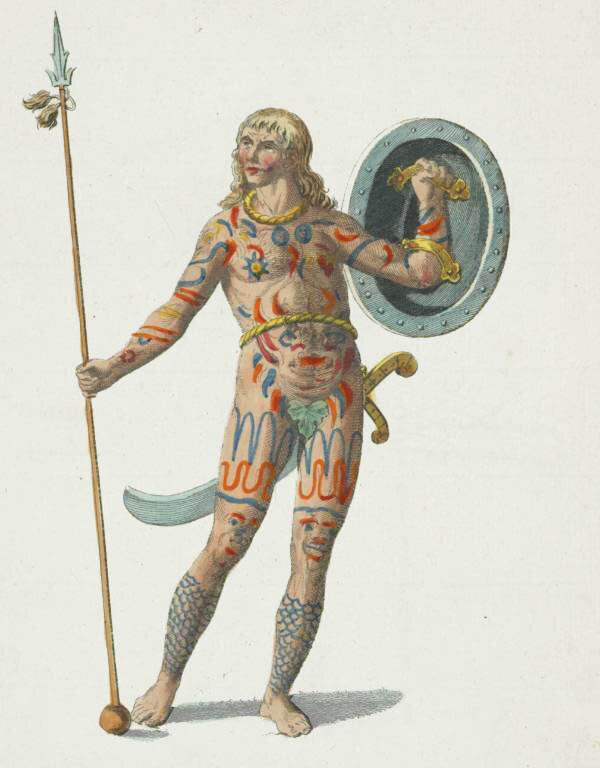
In an era saturated with brand messages, where corporate identities rise and fall with astonishing speed, examining the “brand” of the Picts offers profound insights. Their story is not one of a brand that failed outright, but one that evolved, merged, and left an indelible mark long after its original form ceased to exist. For brand strategists, marketers, and business leaders, the Picts provide a historical case study in the resilience of cultural identity, the potency of non-verbal communication, and the intricate dynamics of brand evolution in the face of profound change.
The Enigmatic Brand of the Picts: Symbols of a Vanished Culture
Long before the advent of marketing agencies or branding guidelines, ancient cultures developed powerful ways to distinguish themselves, communicate values, and forge communal identity. The Picts, with their distinctive artistry and social structures, offer a compelling example of early, organic brand building.
Crafting a Unique Identity in Antiquity
Emerging from the Iron Age, the Picts carved out a distinct cultural identity in the northern and eastern parts of what is now Scotland, a region aptly named Pictland. Their unique markers were not sleek logos or catchy slogans, but monumental symbol stones – intricately carved slabs of rock depicting enigmatic beasts, abstract geometric patterns, and later, Christian iconography. These stones, found across their territories, served as powerful visual statements. They were markers of territory, memorials to the dead, expressions of status, and perhaps even narrative devices. Each symbol, though its precise meaning remains debated, contributed to a collective visual language that unequivocally identified “Pictish.”
In an age before mass media, these symbols were the ultimate branding tools. They fostered a sense of belonging among the Pictish tribes, differentiated them from their immediate neighbors like the Scotti of Dál Riata or the Britons of Strathclyde, and created a shared cultural lexicon. This was a brand identity built from the ground up, organically developed and deeply ingrained in their societal fabric, far removed from top-down corporate directives. It speaks to the fundamental human need for identity and belonging, principles that remain central to successful brand strategy today.
The Power of Visual Language
The enduring legacy of Pictish symbols underscores the timeless power of visual communication. In a society that did not leave behind extensive written records in their own language (the Ogham inscriptions are often short and challenging to interpret), their iconography was paramount. These symbols conveyed complex meanings and reinforced cultural cohesion without the need for literacy. A stylized serpent, a double-disc and Z-rod, or an eagle could instantly evoke a sense of shared heritage, belief, and community.
For modern brands, this ancient example highlights the crucial role of visual identity – the logo, the color palette, the typography, and the overall aesthetic. These elements, when crafted effectively, can communicate a brand’s essence, values, and personality instantaneously, cutting across language barriers and cultural divides. Just as the Pictish symbols left a lasting impression that continues to fascinate millennia later, a well-designed brand identity creates memorable associations that resonate deeply with audiences. The challenge, then as now, is to create visuals that are distinctive, meaningful, and capable of conveying a clear message, even when that message is shrouded in the mysteries of time.
The Gradual Dissolution: Assimilation as Brand Evolution
The popular notion that the Picts simply “vanished” is largely a misconception, akin to saying an old brand simply “died.” Instead, historical and archaeological evidence points towards a more complex process of cultural assimilation and political integration. This narrative of transformation offers invaluable parallels for brands navigating today’s dynamic markets.
Beyond Disappearance: A Narrative of Integration
Historians now largely agree that the Picts did not face a sudden cataclysmic destruction. Rather, their distinct identity gradually merged with that of the neighbouring Gaelic kingdom of Dál Riata, leading to the formation of the Kingdom of Alba, the precursor to modern Scotland. This process, occurring primarily in the 9th century, was driven by a confluence of factors: intermarriage between royal families, the spread of Gaelic language and culture, the unifying influence of Christianity (which was largely Gaelic in its early Scottish forms), and possibly the external pressure of Viking incursions, which may have encouraged a united front.
From a branding perspective, this is not a story of brand failure, but of brand acquisition, merger, and strategic evolution. One distinct brand (Pictish) didn’t cease to exist but was gradually absorbed into another emerging and eventually dominant brand (Gaelic/Scottish). Elements of the Pictish identity, though no longer dominant, became integral threads in the new, composite fabric. This historical phenomenon mirrors how companies strategically acquire competitors, integrate new product lines, or pivot their core business. The old identity may recede, but its legacy and components often contribute to the strength and character of the new entity.
The Dynamics of Brand Transformation
The factors that led to the Picts’ assimilation are remarkably analogous to the pressures driving brand transformation in the modern era. Cultural shifts, the adoption of new belief systems, political alliances, and external threats all played a role. For contemporary brands, these translate into evolving consumer preferences, technological disruption, global competition, and geopolitical changes.
Brands today are under constant pressure to adapt or risk obsolescence. A brand that resists change, that fails to integrate new technologies or align with shifting societal values, risks becoming irrelevant. The Picts’ story reminds us that successful “brand transformation” is often about strategically integrating new elements – be it language, religion, or governance – while perhaps retaining core values or symbolic continuity. The Kingdom of Alba, while Gaelic-speaking, likely incorporated administrative structures and cultural practices that had roots in Pictish society. Modern brands undertaking transformation must similarly understand what aspects of their identity are essential to retain, and which can be strategically evolved or integrated from new influences to ensure long-term relevance and resonance.
Legacy Beyond Presence: How Pictish Identity Continues to Resonate
Even though the distinct political and linguistic identity of the Picts faded into the overarching Scottish identity, their cultural legacy continues to captivate and influence. This enduring resonance offers powerful lessons on the long-term impact of brand building and the creation of lasting narratives.
Enduring Echoes in the Modern Landscape
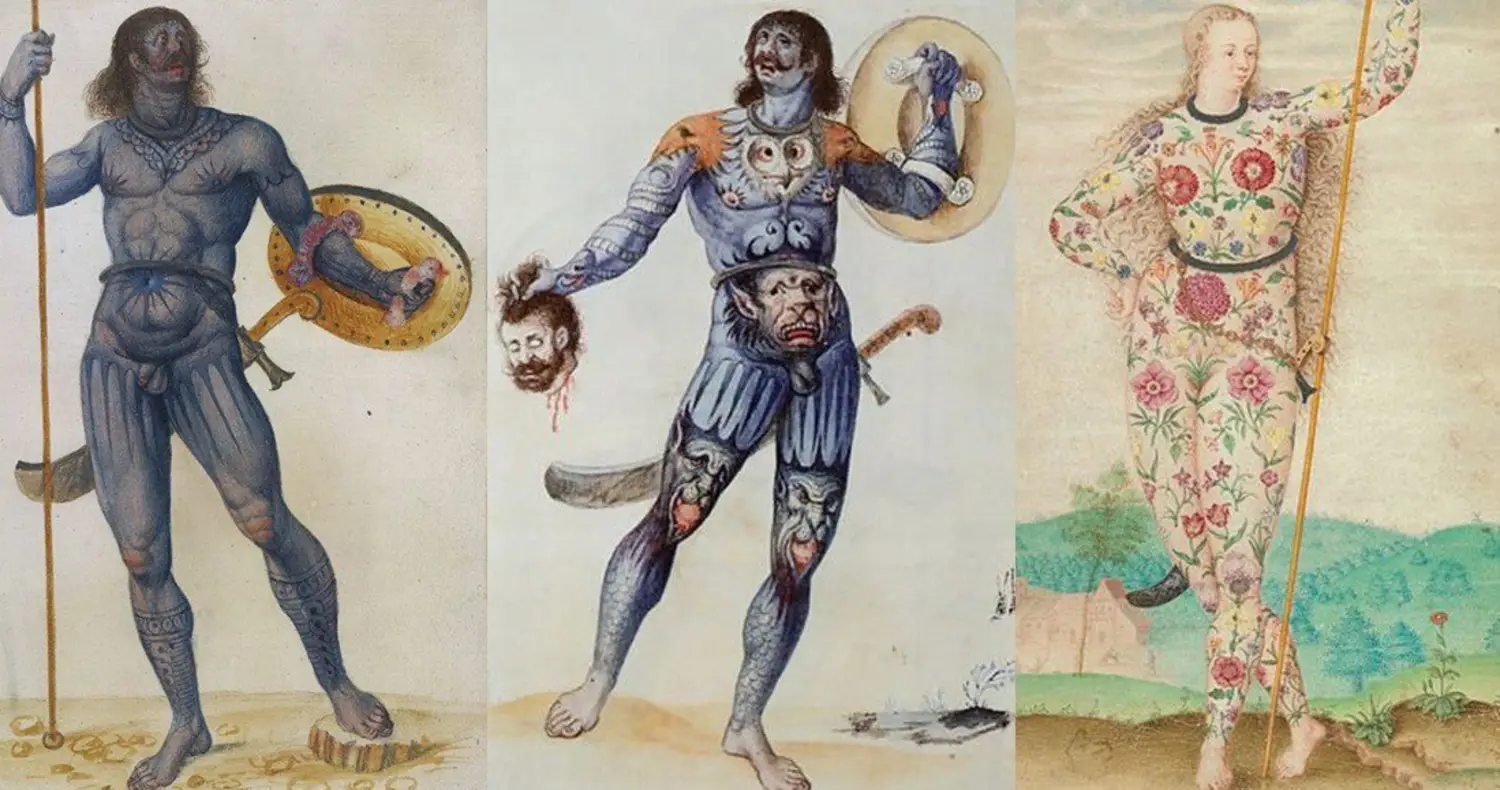
Today, the Picts live on in numerous ways. Their symbol stones, meticulously preserved in museums and standing sentinel in ancient landscapes, are powerful touchstones. They are a source of national pride, artistic inspiration, and academic fascination. Place names across Scotland still echo Pictish origins, subtly reminding us of their past presence. The very narrative of the “mysterious Picts” has woven itself into Scottish folklore and identity, contributing a layer of ancient depth and intrigue to the nation’s heritage.
This phenomenon is a testament to brand legacy. A truly strong brand doesn’t merely sell products or services; it creates a narrative, an aesthetic, and a set of associations that transcend its immediate commercial function. Even if a specific product line is discontinued or a company undergoes a complete rebrand, the strongest brands leave an indelible mark on collective memory and culture. Consider iconic brands whose products may have changed dramatically over time, but whose core identity and story continue to inspire loyalty and recognition. They become cultural touchstones, much like the Picts have become for Scotland.
The Value of Historical Branding
The continued fascination with the Picts also highlights the enduring value of historical branding. Their story, shrouded in mystery yet rich in symbolic expression, draws tourists, inspires artists, and fuels scholarly inquiry. This engagement isn’t driven by a product or service, but by the power of a distinct, compelling identity.
For contemporary brands, this translates into the importance of building a rich brand story, a narrative that goes beyond features and benefits. Brands that can tap into historical narratives, cultural values, or a sense of enduring purpose often build deeper connections with their audience. It’s about creating a brand that not only fulfills a need but also resonates on an emotional and cultural level. The Picts, through their art and their enigmatic story, demonstrate that a robust and distinctive identity can generate fascination and value for centuries, even after the original “brand” entity has transformed.
Strategic Insights from the Past: What Ancient Cultures Teach Modern Brands
The tale of the Picts is not just an ancient mystery; it is a profound historical metaphor for the lifecycle of identity and the dynamics of transformation. For the astute brand strategist, it offers timeless principles that remain highly relevant in today’s fast-paced, ever-evolving marketplace.
The Impermanence of Form, the Persistence of Identity
The Picts teach us that while the external form of an identity – be it a political entity, a language, or a product line – may be impermanent, the underlying cultural identity and its core values can persist. The Pictish kingdom dissolved, their language faded, but their artistic legacy, some of their customs, and their genetic imprint continued within the new Scottish identity.
For brands, this means understanding the difference between transient manifestations (e.g., specific campaigns, product iterations, even corporate logos) and the enduring essence of the brand. Successful brands are those that can be agile in their external expressions, adapting to new trends and technologies, while remaining anchored to a consistent, authentic core identity. This core identity, rooted in purpose and values, is what allows a brand to weather storms and undergo significant transformations without losing its soul.
Cultivating Resilience and Adaptability
The Picts’ journey from distinct entity to integrated component of a larger kingdom is a masterclass in resilience and adaptability. Faced with the rise of a powerful neighboring culture and the spread of new belief systems, they did not simply vanish but underwent a fundamental transformation. Their story underscores the necessity for strategic flexibility in the face of inevitable change.
Modern brands face similar pressures from market disruption, technological innovation, and shifts in consumer values. The ability to anticipate, adapt, and strategically integrate new elements into the brand fabric is critical for long-term survival and relevance. This might mean pivoting product offerings, adopting new digital platforms, or recalibrating brand messaging to resonate with a new generation. The lesson from the Picts is clear: rigid adherence to an outdated form risks extinction, while strategic adaptability ensures continued influence, albeit in a transformed guise.
The Power of Narrative and Symbolism
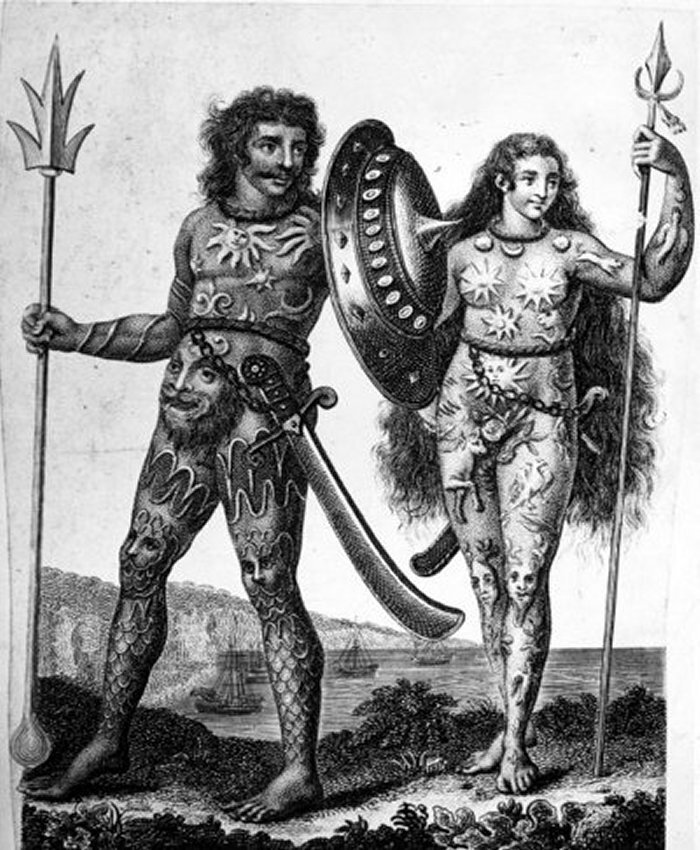
Finally, the Picts stand as a powerful testament to the enduring human need for narrative and symbolism. Their enigmatic symbols continue to tell a story, even if partially understood, connecting us to a distant past. This ancient form of communication underscores the timeless importance of compelling storytelling and strong visual identity in building and maintaining brand connection.
For brands today, investing in authentic narrative and distinctive symbolism is not a luxury but a strategic imperative. Whether through evocative advertising, compelling brand stories, or memorable visual assets, brands must create a coherent and engaging narrative that resonates with their audience. This narrative, like the Pictish symbols, must be strong enough to stand the test of time, capable of conveying meaning and forging connection across generations.
In conclusion, “what happened to the Picts” is not merely a historical question, but a profound inquiry into the nature of identity, change, and legacy. Their transformation from a distinct people to an integral part of Scottish heritage offers a compelling framework for understanding brand evolution. By examining their unique “brand” identity, their gradual assimilation, and their enduring cultural impact, we gain invaluable insights into the resilience of identity, the imperative of adaptability, and the timeless power of symbolism in creating a legacy that transcends even the disappearance of an original form. For any brand looking to build a lasting presence in a constantly shifting world, the lessons from the ancient Picts remain remarkably current and profoundly insightful.
aViewFromTheCave is a participant in the Amazon Services LLC Associates Program, an affiliate advertising program designed to provide a means for sites to earn advertising fees by advertising and linking to Amazon.com. Amazon, the Amazon logo, AmazonSupply, and the AmazonSupply logo are trademarks of Amazon.com, Inc. or its affiliates. As an Amazon Associate we earn affiliate commissions from qualifying purchases.