
The story of the Magdalene Laundries is a stark and somber chapter in history, one that continues to cast a long shadow over the reputations of the institutions and religious orders that operated them. While the focus often falls on the victims – the young women and girls subjected to harsh conditions, forced labor, and often abuse – understanding “what happened” also necessitates an examination of the entities that ran these laundries and their enduring brand legacy. This involves dissecting the religious orders’ corporate identity, their initial branding as institutions of moral reform and spiritual guidance, and the profound damage inflicted upon that brand by the exposure of their cruel realities. Furthermore, it delves into the subsequent, albeit often insufficient, attempts at brand rehabilitation and the ongoing reputational management required to address a deeply tarnished past.
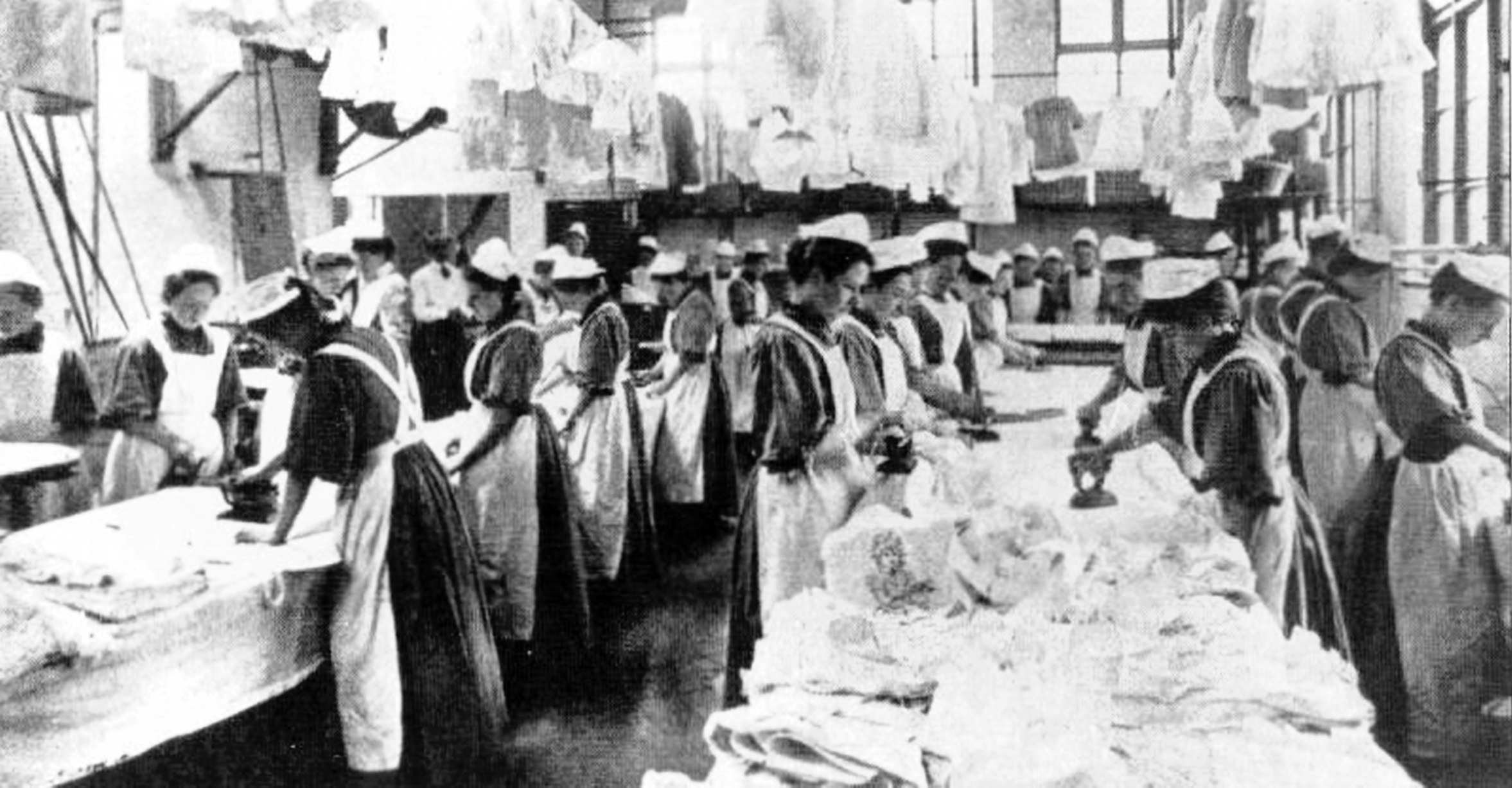
The Brand of Penance and Purity: Initial Perceptions and Institutional Branding
From their inception, the Magdalene Laundries were branded as sites of moral reclamation and spiritual salvation. Operated primarily by various Catholic religious orders, their public-facing identity was meticulously crafted to align with prevailing societal norms and religious doctrines of the time. This was not merely a matter of casual association; it was a deliberate and sustained branding effort that relied on several key pillars:
Pillars of the Institutional Brand: Morality, Piety, and Social Order
The core of the Magdalene Laundries’ brand was built upon a foundation of perceived moral righteousness. They were presented as havens for “fallen women” – those deemed to have strayed from societal expectations, often due to illegitimacy, perceived promiscuity, or simply difficult family circumstances. The religious orders themselves lent significant weight to this brand. Their long-established reputations for piety, devotion, and charitable works provided a powerful endorsement. The very habit of the nuns, the sacred vows they took, and the sanctity of their convents were all integral components of this brand, signaling an unwavering commitment to spiritual well-being and moral upliftment.
The laundries were, in essence, a service offering. The “product” was ostensibly the rehabilitation and eventual return of these women to “respectable” society, albeit often through continued service and limited social mobility. The “customer” was not just the individual woman, but also the wider community and the families who sought to remove a perceived social embarrassment or ensure a daughter’s “proper” future. The branding emphasized discretion, solemnity, and a quiet, dignified approach to rectifying perceived transgressions.
Marketing of Benevolence: Public Perception and Charitable Funding
The branding of the Magdalene Laundries was not solely internal; it was actively marketed to the public, often through discreet appeals for donations and endorsements from influential figures. The narrative presented was one of benevolent institutions undertaking a difficult but necessary task – tending to society’s outcasts and guiding them back to virtue. This charitable framing was crucial for securing funding and maintaining a positive public image.
Religious orders, with their existing networks and influence, were adept at this form of brand ambassadorship. Their involvement lent an aura of authenticity and divine purpose to the laundries. The perception was that these were not commercial enterprises driven by profit, but rather acts of faith undertaken for the greater good. This carefully constructed image allowed the laundries to operate for decades with minimal public scrutiny, their brand of charitable rectitude shielding them from the harsh realities that festered within their walls. The branding was so effective that it obscured the coercive nature of their operations and the systemic abuses that occurred.
The Brand Meltdown: Exposure and the Erosion of Trust
The carefully constructed brand of benevolent institutions began to unravel in the late 20th century, culminating in widespread public outcry and a devastating blow to the reputations of the involved religious orders. The transition from a privately managed, often opaque system to public awareness was a catastrophic brand crisis, one that exposed the deep disconnect between the advertised brand and the lived experience of the residents.
Cracks in the Facade: Media Exposés and Survivor Testimonies

The most significant catalyst for the brand meltdown was the relentless investigative journalism and the courageous testimonies of survivors. As women who had endured the laundries began to speak out, their accounts of forced labor, physical and emotional abuse, neglect, and lack of basic freedoms painted a chillingly different picture than the one the institutions had cultivated. Media reports, documentaries, and personal memoirs started to chip away at the veneer of piety and benevolence.
This direct contradiction between the “brand promise” of rehabilitation and the “customer experience” of suffering created a seismic shock. The public, who had largely accepted the official narrative, was confronted with evidence of systemic abuse. This exposure was akin to a product recall on a massive scale, not of a tangible item, but of a deeply ingrained societal perception. The very entities that had been trusted as institutions of moral rectitude were now seen as perpetrators of profound injustice.
Reputational Fallout: Legal Challenges and Public Condemnation
The ensuing years saw a barrage of legal challenges, official inquiries, and governmental apologies, each further eroding the brand equity of the religious orders involved. Lawsuits filed by survivors sought to hold the institutions accountable for the abuses they had suffered. The findings of these inquiries, such as the Ryan Report and the McAleese Committee, offered official validation of the survivors’ experiences and condemned the practices within the laundries.
The public condemnation was swift and severe. The brand of the Magdalene Laundries, and by extension the religious orders that ran them, became synonymous with exploitation, secrecy, and a failure of compassion. The carefully cultivated image of piety and service was irrevocably tarnished. This was a classic case of brand destruction, where the actions of an organization directly contradicted its stated values and ultimately led to a catastrophic loss of public trust and goodwill. The financial implications of legal settlements and the long-term cost of managing this damaged reputation were substantial, representing a significant burden on the once-respected institutions.
Rebranding and Reckoning: The Long Road to Redemption and Reparation
In the aftermath of the scandals, the religious orders and the institutions associated with the Magdalene Laundries have faced the arduous task of attempting to navigate the ruins of their damaged brands. This has involved a multifaceted approach, encompassing public apologies, financial reparations, and efforts to preserve historical memory – though the effectiveness and sincerity of these efforts remain subjects of ongoing debate.
The Art of the Apology: Public Relations and Brand Rehabilitation
One of the primary strategies employed has been the public apology. These apologies, often issued years after the initial exposure, represent a critical, albeit complex, element of brand rehabilitation. The timing, sincerity, and substance of these apologies are crucial in shaping public perception and attempting to rebuild trust. A well-executed apology can signal a willingness to acknowledge past wrongs and a commitment to change. Conversely, a perceived as insincere or begrudging apology can further exacerbate reputational damage.
The challenge for these institutions is that the Magdalene Laundries are not a product that can be simply reformulated or rebranded with a new logo. The brand is inextricably linked to human suffering and historical injustice. Therefore, “rebranding” here means a fundamental shift in narrative and an acknowledgment of the past, rather than a superficial cosmetic change. It involves demonstrating through consistent action that the values of compassion, justice, and respect for human dignity are now paramount.

Reparation and Remembrance: Financial Settlements and Historical Preservation
Beyond apologies, financial reparations have become a key component of the reckoning. Governments and, in some cases, religious orders have established funds to provide compensation to survivors for the suffering they endured. These settlements, while never fully able to mend the deep wounds of the past, represent a tangible acknowledgment of responsibility and a step towards restorative justice. The act of providing financial redress is a signal of brand accountability.
Furthermore, there have been efforts to preserve the memory of the Magdalene Laundries, not as monuments to piety, but as sites of historical inquiry and remembrance. Museums, exhibitions, and educational initiatives aim to ensure that the stories of the survivors are not forgotten and that future generations understand the injustices that occurred. This aspect of brand management involves proactively shaping the historical narrative and ensuring that the lessons learned from this dark chapter are disseminated, thereby influencing the long-term brand perception of the institutions involved. The effectiveness of these efforts is measured not just by their scale, but by their ability to foster genuine understanding and prevent such abuses from recurring. The Magdalene Laundries, once a symbol of presumed moral authority, now serve as a potent case study in brand failure, the devastating consequences of unchecked institutional power, and the long, complex journey towards genuine accountability and reputational repair.
aViewFromTheCave is a participant in the Amazon Services LLC Associates Program, an affiliate advertising program designed to provide a means for sites to earn advertising fees by advertising and linking to Amazon.com. Amazon, the Amazon logo, AmazonSupply, and the AmazonSupply logo are trademarks of Amazon.com, Inc. or its affiliates. As an Amazon Associate we earn affiliate commissions from qualifying purchases.