
The name “McDonald’s” is perhaps the most recognized brand on the planet. From the bustling streets of Tokyo to the small towns of middle America, the Golden Arches serve as a universal symbol of consistency, speed, and affordability. However, the story behind the brand is not a simple tale of corporate triumph. It is a complex narrative of innovation, a clash of visions, and the eventual erasure of the very men who gave the company its name. Richard (Dick) and Maurice (Mac) McDonald were the architects of a brand identity that changed the world, yet they ended up as spectators to their own legacy.

The Speedee Service System: Building the Blueprint of Modern Branding
Long before Ray Kroc entered the picture, the McDonald brothers had already achieved something revolutionary in San Bernardino, California. In 1948, they did the unthinkable: they closed their successful barbecue drive-in to reinvent the entire concept of a restaurant. This reinvention was the birth of the “Speedee Service System,” the foundation of what we now recognize as modern fast-food branding.
Defining the Brand Identity through Efficiency
The brothers realized that 80% of their business came from burgers, fries, and shakes. By stripping away the diverse menu and the “carhop” service, they focused the brand on one thing: speed. This wasn’t just an operational change; it was a brand promise. The McDonald brothers understood that in the post-WWII era, time was becoming a valuable commodity. By engineering a kitchen where a burger could be prepared in 30 seconds, they established a brand identity rooted in reliability and clockwork precision.
The Visual Language of the Golden Arches
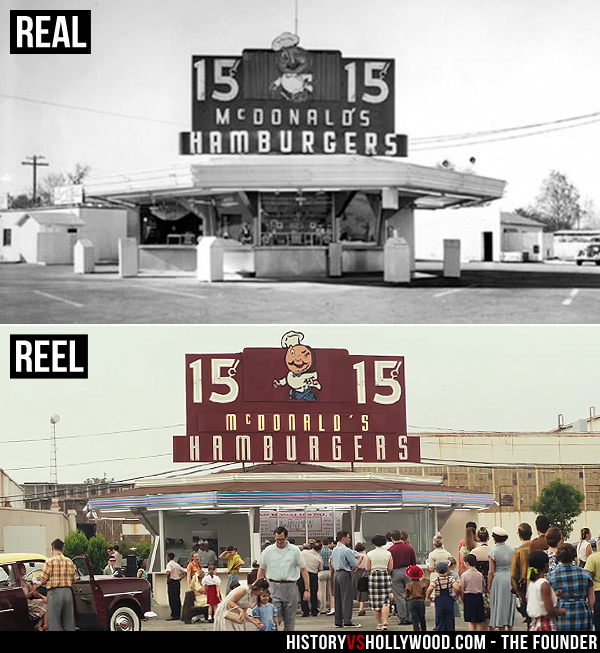
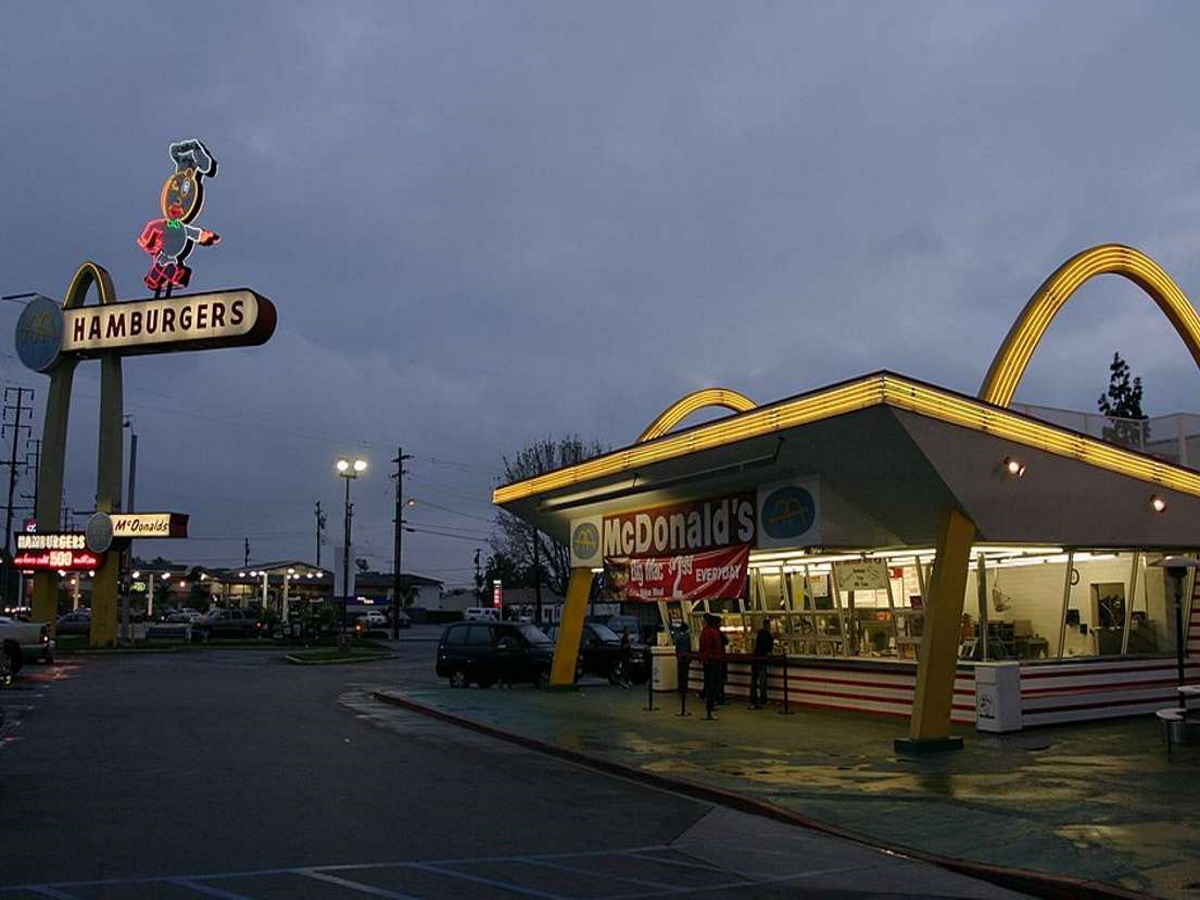
While many credit the corporate machine for the brand’s visual identity, it was Dick McDonald who first envisioned the “Golden Arches.” He wanted the building itself to be an advertisement. He designed two neon-lit yellow arches that bookended the building, creating a silhouette that was visible from a distance. This early commitment to architectural branding ensured that the restaurant was not just a place to eat, but a landmark. At this stage, the brand was synonymous with the brothers’ personal involvement and their local reputation for innovation.
The Ray Kroc Intervention: From Local Brand to Global Franchise Identity
The turning point in the McDonald brothers’ story came in 1954 when they met Ray Kroc, a milkshake machine salesman. Kroc didn’t just see a successful local business; he saw a brand that could be replicated across the globe. He recognized that the brothers had created a “turnkey” system—a brand strategy so perfected that it could be exported anywhere.
The Expansion Strategy and Standardization
Kroc’s genius lay in his obsession with standardization. He realized that for the McDonald’s brand to succeed on a national scale, a burger in Illinois had to taste exactly like a burger in California. While the brothers were content with a few high-quality locations, Kroc pushed for an aggressive franchising model. He codified every aspect of the brand, from the exact fat content of the beef to the thickness of the fries. This transition from a family-run business to a franchised brand meant that “McDonald’s” was no longer just a name; it was a set of rigorous standards.
The Clash of Brand Visions
As the brand scaled, a fundamental rift developed between the founders and the franchise agent. The McDonald brothers viewed their brand as a reflection of their own values—limited growth, high quality, and a manageable lifestyle. Ray Kroc, conversely, viewed the brand as a vehicle for American cultural dominance. This tension highlights a common challenge in brand strategy: the struggle between maintaining the soul of a brand and the demands of massive scalability. Kroc eventually realized that to truly own the brand, he had to own the land and the intellectual property, leading to the creation of Franchise Realty Corp.
The Final Handshake: Losing the Name and the Legacy
The climax of the McDonald brothers’ narrative is a cautionary tale regarding brand ownership and intellectual property. By 1961, the relationship between the brothers and Kroc had soured to the point of a total buyout. Kroc purchased the company for $2.7 million—a staggering sum at the time, but a pittance compared to the brand’s future value.
The Buyout and the Loss of Brand Rights
The most painful part of the deal for Dick and Mac was the loss of their own name. As part of the agreement, Kroc gained the exclusive rights to the “McDonald’s” trademark. The brothers were effectively barred from using their own surname on any future restaurant ventures. This serves as a stark reminder in the world of personal branding: once you sell the trademark to your name, you no longer own your professional identity. The brothers were forced to rename their original San Bernardino location to “The Big M.”
The “Big M” and the Erasure of the Founders
The fallout was not merely financial; it was personal. Ray Kroc, frustrated by the brothers’ insistence on the $2.7 million price tag and their refusal to grant him the original restaurant, opened a brand-new McDonald’s just one block away from “The Big M.” Using the power of the brand he now fully controlled, Kroc drove the original founders out of business. Within years, the “Big M” closed its doors. In the official corporate history of McDonald’s for many decades, Ray Kroc was often referred to as the “Founder,” while the brothers were relegated to a footnote in the brand’s origin story.
Brand Lessons from the McDonald Brothers’ Narrative
The story of the McDonald brothers is more than a historical account; it is a vital case study for modern brand strategists, entrepreneurs, and corporate leaders. Their journey illustrates the high stakes involved in defining, scaling, and protecting a brand identity.
Intellectual Property and the Power of the Trademark
The McDonald brothers’ greatest mistake was perhaps their failure to understand the true value of their trademark. In the world of business, a brand is often more valuable than the physical assets of the company. The brothers focused on the operational side—the “Speedee Service”—while Kroc focused on the legal and real estate side. For any business owner, the lesson is clear: the legal protections surrounding your brand identity are the most important assets you possess. Without control over the trademark, you have no control over the legacy.
Scalability as a Core Brand Value
The brothers’ original vision was localized. They believed that if they expanded too much, they would lose the quality control that made their brand special. However, the McDonald’s story teaches us that a brand’s ability to scale is what determines its long-term survival in a competitive market. Kroc’s insistence on a “brand manual” allowed the identity to survive without the presence of the founders. A truly great brand is one that can outlive its creators by being built on a foundation of repeatable systems and universal values.
The Ethics of Brand Narrative
Finally, the story prompts a discussion on the ethics of brand storytelling. For years, the McDonald’s Corporation curated a narrative that prioritized Kroc’s role. It was only in later years, and particularly after the 2016 film The Founder, that the public began to fully appreciate the brothers’ contribution. For modern brands, authenticity and honoring one’s origins are becoming increasingly important to consumers. Modern branding requires a balance between forward-looking growth and a respectful acknowledgment of the brand’s roots.
In the end, Maurice McDonald passed away in 1971, largely feeling overlooked by the industry he helped create. Richard McDonald lived until 1998, eventually seeing the company acknowledge their role in the brand’s history. While they lost the rights to their name, their DNA remains in every “Golden Arch” across the globe. Their story remains a poignant reminder that while you can build a brand, keeping it requires a different set of skills entirely—vigilance, legal foresight, and an unwavering grasp on the identity you’ve created.
aViewFromTheCave is a participant in the Amazon Services LLC Associates Program, an affiliate advertising program designed to provide a means for sites to earn advertising fees by advertising and linking to Amazon.com. Amazon, the Amazon logo, AmazonSupply, and the AmazonSupply logo are trademarks of Amazon.com, Inc. or its affiliates. As an Amazon Associate we earn affiliate commissions from qualifying purchases.