
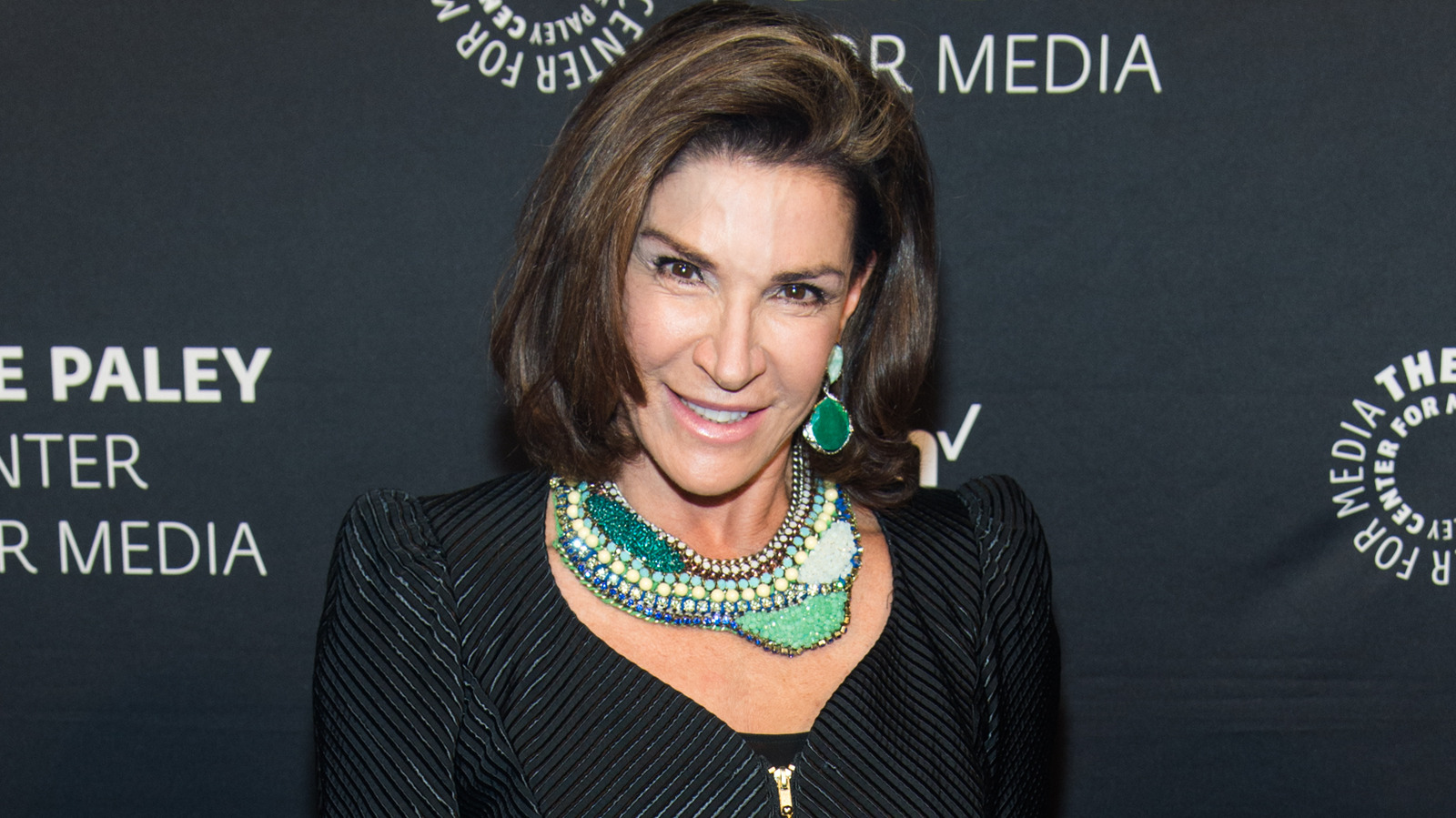
For over fifteen years, Hilary Farr—known to millions as the “Love It or List It” lady—stood as a cornerstone of the HGTV and W Network lifestyle brands. Her departure from the long-running hit series marked more than just a casting change; it signaled a masterclass in personal brand evolution, strategic exit planning, and the transition from a specialized TV personality to a diversified corporate identity. In the world of brand strategy, the trajectory of Hilary Farr offers profound insights into how public figures can maintain longevity in a saturated market and successfully pivot when their primary “product” reaches maturity.

The Anatomy of a Powerhouse Personal Brand
The success of “Love It or List It” was never solely about the floor plans or the real estate transactions; it was about the brand chemistry between the two leads. Hilary Farr’s personal brand was built on a foundation of professional authority, sharp-witted charisma, and a distinct aesthetic sensibility.
Establishing the Archetype: The Authoritative Creative
In branding, an archetype helps the audience immediately categorize and trust a personality. Farr occupied the “Sage/Creator” archetype. She was portrayed as the uncompromising expert who could find beauty and functionality where others saw ruin. This consistency created high brand equity. Viewers didn’t just tune in for home renovations; they tuned in for the “Hilary Farr Experience”—a blend of British sophistication and pragmatic design solutions.
Consistency as a Brand Pillar
A key element of any successful brand is reliability. For over 250 episodes, Farr’s brand remained remarkably consistent. Her signature bob, her penchant for open-concept layouts, and her playful yet biting banter with co-host David Visentin became brand markers. This consistency fostered a deep level of consumer trust, making her one of the most recognizable faces in the lifestyle and design industry globally.
Strategic Transition: Why Successful Brands Pivot
In December 2023, the announcement that Farr would be leaving “Love It or List It” sent ripples through the entertainment and marketing worlds. From a brand management perspective, the decision was both bold and calculated. Every brand has a lifecycle, and Farr’s decision to step away represents a strategic pivot to prevent brand stagnation.
Recognizing Product Lifecycle and “Brand Fatigue”
Even the most successful brands can suffer from overexposure or “brand fatigue.” By 2023, the format of “Love It or List It” had remained largely unchanged for nearly two decades. For Farr, the brand risk lay in being permanently “pigeonholed.” To evolve, a brand must sometimes disconnect from its most famous product to allow room for new growth. Her exit was not a retirement but a tactical withdrawal to focus on “Hilary Farr” as a standalone entity, independent of the “Love It or List It” franchise.
The Decision to Prioritize Solo Brand Equity
The “Love It or List It” brand was a co-branded effort. While highly lucrative, it split the spotlight. Farr’s transition to her solo show, “Tough Love with Hilary Farr,” was a move to consolidate her brand equity. In this new venture, the brand shifted from a competitive format to a mentorship format. This allowed her to deepen her brand’s emotional connection with the audience, moving from “the lady who renovates” to “the expert who transforms lives.”
Leveraging Authority into New Brand Verticals
A common mistake in personal branding is failing to monetize authority beyond the primary platform. Farr has avoided this by leveraging her TV fame into diverse brand verticals, ensuring that her brand remains profitable even when she isn’t on screen.

“Tough Love”: Brand Extension and Market Positioning
“Tough Love with Hilary Farr” represents a classic brand extension. It retains the core attributes of her personality—honesty, design expertise, and a no-nonsense attitude—but applies them to a broader context of life and home organization. By positioning herself as a “problem solver” rather than just a “designer,” she expanded her market reach to an audience looking for lifestyle coaching and systemic home improvements.
The Transition from Service to Product
The most sustainable way to scale a personal brand is to move from a service-based model (designing homes) to a product-based model. Farr has successfully launched various product lines, including the Hilary Farr Designs collection, which encompasses lighting, furniture, and home accessories. This move effectively turns her design philosophy into a tangible commodity that consumers can bring into their homes, further solidifying her brand’s presence in the retail space.
Managing a Brand in the Public Eye: The Human Element
In the modern era, personal branding requires a delicate balance between professional excellence and human vulnerability. How a brand handles personal challenges often dictates its long-term loyalty and “likability” metrics.
Authenticity and Health Advocacy
Farr’s openness about her battle with breast cancer served as a significant moment of brand transparency. By sharing her journey, she moved beyond the “polished expert” persona and connected with her audience on a human level. In brand strategy, this is known as “humanizing the brand.” It built immense goodwill and transformed her from a TV character into a relatable advocate, strengthening the emotional bond with her demographic.
Navigating Public Perception During the Exit
The “what happened” narrative can often turn negative if not managed correctly. Farr and her PR team handled the exit with grace, emphasizing gratitude for the past while expressing excitement for the future. By maintaining a positive relationship with her former network and co-host, she ensured that the transition was seen as an “evolution” rather than a “divorce.” This protects the legacy brand (the show) while boosting the new brand (her solo career).
Lessons for Modern Brand Strategists
The story of the “Love It or List It” lady is more than a television update; it is a blueprint for anyone looking to build and sustain a high-value personal brand in the 21st century.
Longevity in Saturated Markets
To survive in a competitive landscape, a brand must possess a Unique Selling Proposition (USP). Farr’s USP was her unique blend of “tough love” and high-end design. She didn’t try to be “sweet” like other HGTV hosts; she leaned into her authenticity. The lesson here is that market differentiation is the key to longevity. Being the only “you” in the room is more valuable than being the “best” version of someone else.
The Importance of a Defined Exit Strategy
Farr’s departure reminds us that the best time to leave a project is when it is still at its peak. By exiting “Love It or List It” while it was still highly rated, she preserved her value. Staying too long can lead to a brand becoming “legacy” or “dated.” A strategic exit allows a brand to reinvent itself from a position of strength rather than a position of desperation.
Diversification as Risk Management
Finally, the evolution of Hilary Farr highlights the necessity of brand diversification. By building a production company, a product line, and a solo media presence, she ensured that her brand’s survival was not dependent on a single contract or a single network. For any brand, whether corporate or personal, diversification is the ultimate insurance policy against market shifts and changing consumer tastes.
In conclusion, “what happened” to the lady from “Love It or List It” is that she successfully outgrew the box she was placed in. Through strategic pivots, authentic engagement, and a focus on long-term brand equity, Hilary Farr has transitioned from a beloved television host to a multifaceted global brand. Her journey serves as a compelling case study in the power of professional evolution and the enduring value of a well-managed personal brand.
aViewFromTheCave is a participant in the Amazon Services LLC Associates Program, an affiliate advertising program designed to provide a means for sites to earn advertising fees by advertising and linking to Amazon.com. Amazon, the Amazon logo, AmazonSupply, and the AmazonSupply logo are trademarks of Amazon.com, Inc. or its affiliates. As an Amazon Associate we earn affiliate commissions from qualifying purchases.