
The digital landscape is littered with the remnants of once-dominant creator brands that failed to adapt to shifting cultural tides. However, few cases offer as much insight into the complexities of personal branding, audience sentiment, and strategic pivoting as the LaBrant Family. Once the undisputed titans of the “family vlogging” genre, Cole and Savannah LaBrant built a multi-platform empire rooted in a meticulously curated aesthetic of wholesome, Christian family life. Yet, in recent years, the conversation surrounding the brand has shifted from “How did they grow so fast?” to “What happened to their influence?”
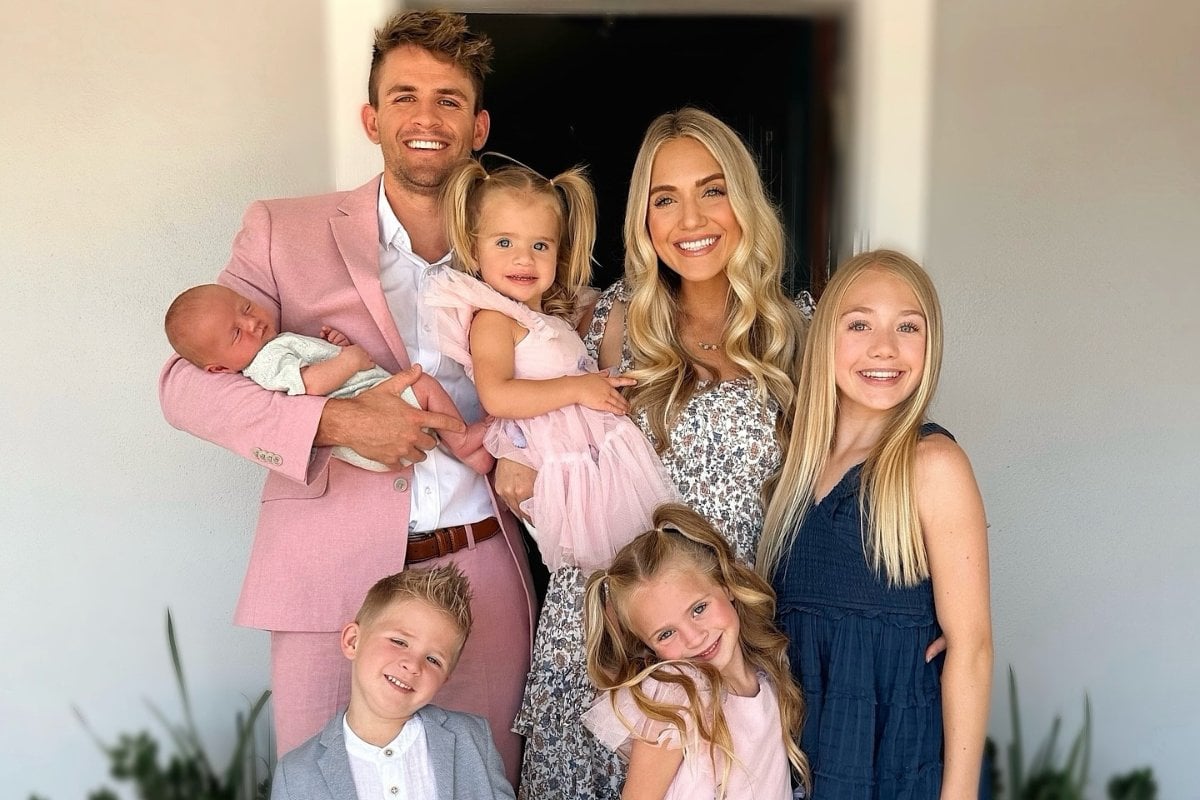
To understand the current state of the LaBrant brand, one must look past the surface-level controversies and analyze the structural shifts in their business model, the erosion of brand equity through strategic missteps, and the broader evolution of the creator economy.
The Rise of the Wholesome Aesthetic: Building a Family Identity
The LaBrant Family brand was not an overnight accident; it was a masterclass in cross-platform synergy and demographic targeting. Cole LaBrant brought an existing audience from the Vine era, while Savannah Soutas brought a following from Musical.ly (the precursor to TikTok). By merging their audiences through a high-profile romantic narrative, they created a “super-brand” that appealed to a massive demographic: young parents, teenagers, and the faith-based community.
The Power of Visual Consistency
From the beginning, the LaBrant brand relied on a high-gloss, aspirational aesthetic. Their thumbnails, video editing style, and Instagram feeds utilized bright, airy presets that signaled “perfection.” In branding terms, they sold a lifestyle rather than just content. This visual consistency built immediate trust with advertisers who were looking for brand-safe environments. By positioning themselves as the “All-American” family, they secured lucrative partnerships with mainstream retail and lifestyle brands, effectively commodifying their private lives into a professional corporate identity.
Monetizing the Family Lifecycle
The LaBrant brand strategy was predicated on “milestone marketing.” Every major life event—engagements, weddings, pregnancies, and births—was treated as a product launch. This created a predictable revenue cycle. By inviting their audience into these intimate moments, they fostered a parasocial relationship that was incredibly high in “Brand Affinity.” Fans weren’t just watching a video; they felt they were part of the family. This emotional investment translated into record-breaking view counts and a massive sell-through rate for their merchandise and book launches.
Strategic Brand Divergence and the Risk of Alienation
As the brand matured, the LaBrants began to take significant risks that deviated from their initial “safe” positioning. In the world of brand strategy, a “pivot” can either rejuvenate a brand or alienate its core consumer base. For the LaBrants, their shift toward more controversial, ideological, and shock-value content marked the beginning of a decline in general market appeal.
Ideological Pivots and Brand Equity
One of the most significant shifts in the LaBrant brand was their move toward overtly political and highly sensitive social issues. While their faith was always a pillar of their identity, the release of their long-form documentary on abortion represented a hard pivot from “lifestyle content” to “ideological advocacy.” From a brand management perspective, this move significantly shrunk their “Total Addressable Market” (TAM). While it strengthened the loyalty of a specific sub-segment of their audience, it effectively “de-platformed” them from mainstream brand deals, as corporate sponsors typically avoid creators who take polarizing stances on volatile social issues.
Navigating the Crisis Management Cycle
The brand also suffered from a series of self-inflicted PR crises that eroded consumer trust. Incidents such as the “cancer prank” video and a controversial fire evacuation vlog were perceived not just as lapses in judgment, but as a violation of the brand’s core promise of “wholesome authenticity.” In branding, trust is the most difficult asset to rebuild once it has been compromised. These incidents led to a “Brand Fatigue” among viewers, where the performative nature of their content began to overshadow the perceived reality of their lives. The result was a measurable decline in engagement rates and a shift in public perception from “aspirational” to “controversial.”

Market Saturation and the Changing Algorithm
While internal decisions played a role, external market forces significantly impacted what happened to the LaBrant family’s digital dominance. The “family vlog” genre, which they helped pioneer, underwent a massive transformation between 2018 and 2023.
The Decline of the “Family Vlog” Genre
Consumer behavior is cyclical. The high-production, daily-vlog format that the LaBrants mastered eventually faced a backlash. Audiences began to gravitate toward “de-influencing” and “raw” content, finding the polished, multi-camera setups of family vloggers to be disingenuous. Furthermore, the rise of short-form video (TikTok and Reels) changed how information is consumed. The 20-minute YouTube vlog, once the gold standard for monetization, lost its “stickiness” compared to the rapid-fire consumption of 15-second clips. The LaBrants, built on the YouTube-first model, found it challenging to translate their long-form intimacy into the transactional nature of short-form trends.
Platform Migration and Owned Media
In a strategic move to regain control over their narrative and revenue, the LaBrants have attempted to diversify their platform dependency. We have seen them move toward “owned media” models—such as newsletters, exclusive subscription-based content, and moving their physical base of operations from California to Tennessee. This move to Tennessee was more than just a lifestyle change; it was a “Brand Re-Location.” By moving to a state that aligned more closely with their current brand values, they sought to re-establish themselves as leaders in a specific cultural niche, rather than trying to appeal to the globalized, diverse audience of Los Angeles-based creators.
The Ethics of Identity as a Commercial Asset
The most profound shift in the LaBrant brand narrative involves the growing cultural conversation regarding the ethics of “Kidfluencing.” As their children have grown older, the brand has faced increasing scrutiny regarding the right to privacy and the long-term impact of a digital footprint created without the subject’s consent.
Brand Longevity vs. Personal Privacy
A brand built on the childhood of others faces a unique “expiration date” problem. As the “products” (the children) reach adolescence, the brand must choose between continuing the exposure—which risks significant public backlash and potential legal shifts in child labor laws—or retiring the brand’s most popular assets. The LaBrant family has struggled with this tension. Their recent content suggests an attempt to shift the focus back onto Cole and Savannah, but data shows that their highest-performing content remains centered on their children. This creates a strategic “trap” where the brand is financially incentivized to continue a practice that is becoming increasingly toxic to their reputation.
The Future Outlook: Can the LaBrant Brand Rebrand Again?
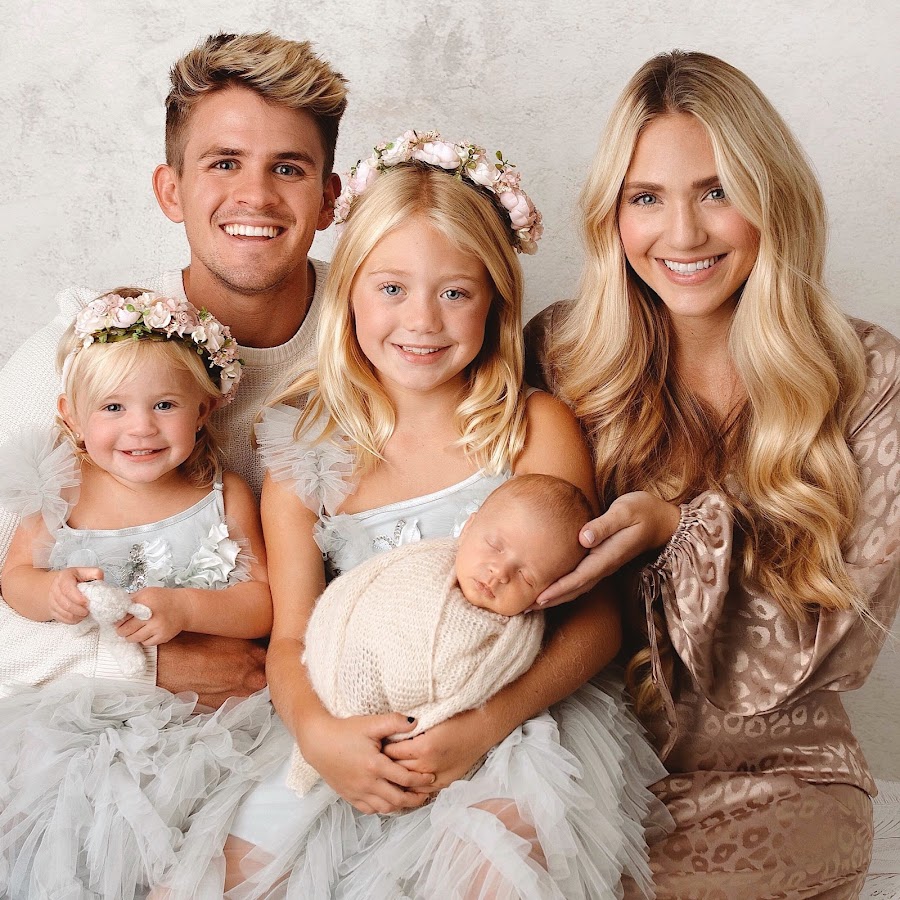
So, what actually happened to the LaBrant family? They didn’t disappear; they evolved into a “Niche Authority” rather than a “Mass Market Powerhouse.” Their views remain high compared to the average creator, but their cultural relevance has shifted from being “the family everyone loves” to “the family people have opinions about.”
To survive the next decade of the creator economy, the LaBrant brand must undergo a total identity audit. They are currently in a state of “Brand Stagnation,” where they are repeating old formulas that no longer yield the same ROI. A successful future strategy would likely involve:
- Professionalization of Content: Moving away from the “look at our day” vlog format and toward high-value, topical productions (podcasting, documentary series, or specific lifestyle verticals like homesteading or fitness).
- Reputation Rehabilitation: Engaging in transparent, non-performative charity or community work that aligns with their stated values without the “clickbait” packaging.
- Audience Segmentation: Acknowledging that they are no longer a “general interest” brand and leaning into their specific community with more depth and less “spectacle.”
The story of the LaBrant family is a cautionary tale for any personal brand. It illustrates that while an aesthetic can build an audience, only a sustainable and ethical value proposition can maintain it. As they navigate their “Post-Vlog” era, the world of digital marketing will be watching to see if a brand built on the sand of social media trends can successfully migrate to the solid ground of a lasting legacy. For now, the LaBrants remain a fascinatng case study in the volatility of the influencer economy—a reminder that in the digital age, your brand is not what you say it is, but what the collective audience decides it has become.
aViewFromTheCave is a participant in the Amazon Services LLC Associates Program, an affiliate advertising program designed to provide a means for sites to earn advertising fees by advertising and linking to Amazon.com. Amazon, the Amazon logo, AmazonSupply, and the AmazonSupply logo are trademarks of Amazon.com, Inc. or its affiliates. As an Amazon Associate we earn affiliate commissions from qualifying purchases.