
In the early 2020s, a specific, wide-eyed Shiba Inu became more than just a piece of internet lore; it became a corporate powerhouse. From televised advertisements to high-profile social media takeovers, the “Doge” meme transitioned from a quirky Reddit niche into a central pillar of global brand strategies. Companies as diverse as Slim Jim, Axe, and even Twitter (now X) leveraged the image of the dog to signal “relevance” to a younger, digitally native demographic. However, in recent months, the flurry of Doge-centric commercials and marketing stunts has seemingly vanished.

Understanding what happened to the Doge commercials requires an analysis of the lifecycle of “Meme Marketing,” the mechanics of brand equity, and the inevitable shift in how corporations engage with internet culture.
The Doge Phenomenon: From Internet Quirk to Global Brand Mascot
The journey of Doge from a 2010 photograph of a Shiba Inu named Kabosu to a multi-billion-dollar brand symbol is a masterclass in organic brand evolution. Unlike traditional mascots—think the Geico Gecko or Tony the Tiger—Doge was not manufactured in a boardroom. It was crowdsourced, iterated upon, and refined by millions of users. This gave the “Doge brand” an authenticity that traditional corporate identities lacked.
The Anatomy of the Doge Brand Identity
From a branding perspective, Doge was the perfect vessel. Its visual identity was consistent (the iconic “side-eye” look) but its messaging was flexible. The “dogespeak” dialect—characterized by broken English and modifiers like “much,” “very,” and “so”—allowed brands to adopt a voice that was intentionally imperfect. This imperfection was the key. In an era where consumers are increasingly cynical toward polished, high-production corporate advertisements, Doge offered a way for brands to appear human, self-aware, and approachable.
Why Brands Fell in Love with a Shiba Inu
Marketing directors gravitated toward Doge because it offered a shortcut to community engagement. By using Doge in a commercial or a tweet, a brand wasn’t just selling a product; they were signaling that they were “in on the joke.” This created an immediate sense of belonging among Gen Z and Millennial consumers. The brand was no longer a faceless entity; it was a participant in the digital town square. This period marked a shift from “Push Marketing,” where companies force their message on consumers, to “Relatability Marketing,” where the brand seeks to mirror the culture of its audience.
The Golden Era of Doge Advertising: Notable Campaigns and Case Studies
The peak of Doge’s commercial presence occurred between 2021 and early 2023. During this window, the meme was no longer relegated to the corners of the internet; it was a frontline tool for customer acquisition and brand revitalization.
Slim Jim and the Power of Community-Driven Branding
Perhaps the most successful integration of Doge into a corporate identity was by the snack brand Slim Jim. Recognizing that their product already had a cult-like following in meme communities, Slim Jim’s marketing team leaned heavily into Doge culture. They didn’t just run a “Doge commercial”; they transformed their entire social media presence into a hub for “Long Boi Gang” memes, often featuring the Shiba Inu. This strategy successfully pivoted Slim Jim from a legacy snack brand to a modern, digital-first lifestyle brand, resulting in record-breaking engagement numbers and a significant boost in brand sentiment.
The Elon Musk Effect: Branding via Social Media Integration
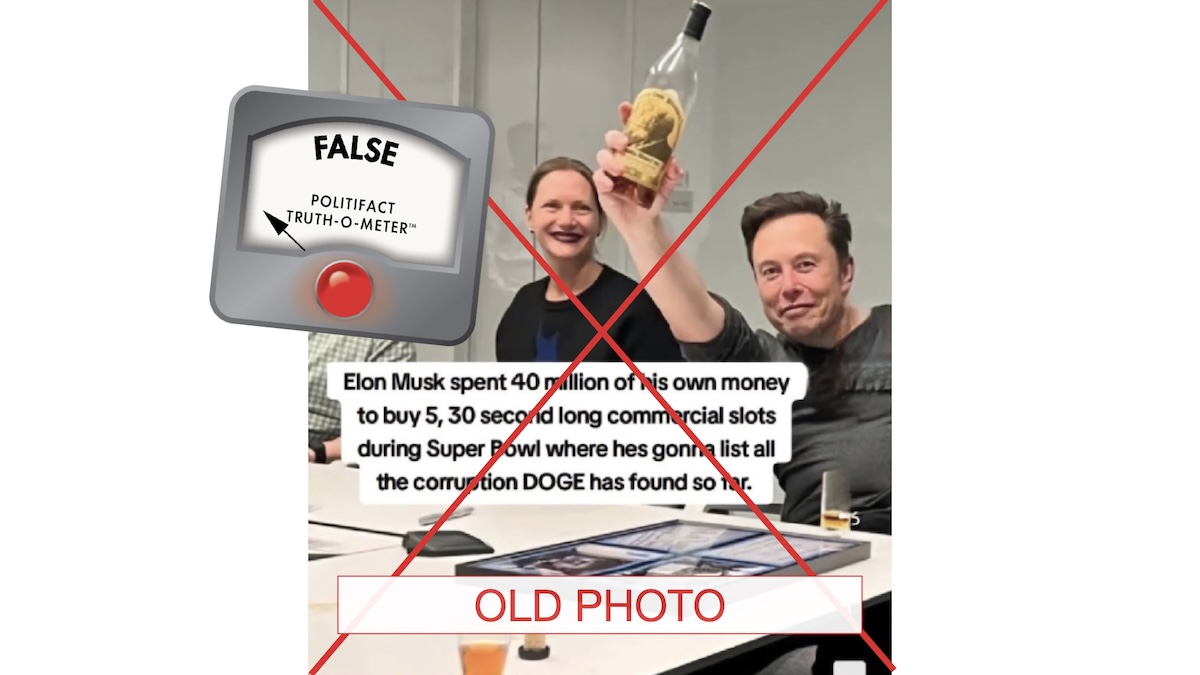
The most high-profile “commercial” for Doge wasn’t a traditional 30-second TV spot, but rather the temporary replacement of the Twitter logo with the Doge icon in April 2023. This move, orchestrated by Elon Musk, represented the pinnacle of meme branding. It blurred the lines between personal branding, corporate identity, and market manipulation. For a few days, one of the most recognizable logos in the world was replaced by a meme. This event served as a massive, free global commercial for the Doge aesthetic, but it also signaled the beginning of the end for the meme’s “cool factor.”
From Niche Crypto to Mainstream Commercial Asset
While Doge began as a meme, its association with Dogecoin turned it into a financial brand. Commercials for crypto exchanges and fintech apps began using the Shiba Inu to represent “the people’s currency.” This gave the meme a dual identity: it was both a funny dog and a symbol of a new, decentralized financial future. Brands that used Doge were often trying to capture the energy of the “Moon” culture—the idea of rapid growth and community-led success.
The Mechanics of “Meme Fatigue” in Modern Marketing
If Doge was so successful, why have the commercials stopped? The answer lies in the volatile nature of cultural capital. In branding, there is a fine line between being “on-trend” and being “cringe.” When a meme becomes too mainstream—when it appears on a billboard for a local bank or in a commercial for a traditional insurance company—it loses the very subcultural “cool” that made it valuable in the first place.
The Perils of Chasing Virality
The primary reason Doge commercials have faded is the speed of the internet cycle. In the 1990s, a brand mascot could last for a decade. In the 2020s, a meme’s relevance is often measured in months or even weeks. As more brands piled onto the Doge bandwagon, the market became oversaturated. Marketing teams realized that by the time a high-budget commercial was produced, edited, and aired, the meme might already be considered “old” by the internet’s gatekeepers. This makes traditional commercial production inherently incompatible with the fast-moving nature of meme culture.
Cultural Overexposure and Brand Dilution
When a brand uses a meme that everyone else is using, it fails to differentiate itself. This is known as brand dilution. If every snack, software, and car company is using Doge to sell products, the image of the Shiba Inu no longer stands for anything specific. It becomes white noise. Savvy brand managers realized that to stay unique, they had to move on to the “next big thing” rather than clinging to a mascot that had become a corporate cliché. The disappearance of Doge commercials is not a sign of the meme’s failure, but rather a sign of its total—and ultimately exhausting—success.
Where Are the Doge Commercials Now? The Shift to Integrated Experiences
The “disappearance” of Doge commercials doesn’t mean the Shiba Inu is gone; it means the marketing strategy has evolved. We have moved from the era of “Meme Ads” to the era of “Deep Culture Integration.”
The Evolution from Passive Commercials to Interactive Branding
Today, brands are less likely to run a traditional TV commercial featuring Doge. Instead, they focus on interactive experiences. We see this in the form of limited-edition product drops, NFT integrations, or community-led Discord events. The goal is no longer to show the consumer a meme, but to invite the consumer to build something with the brand. The “commercial” has moved from the screen to the ecosystem. Doge paved the way for this by proving that a community-driven symbol could have more power than a celebrity endorsement.
The Legacy of Doge in the Future of Digital Marketing
The legacy of the Doge commercial era is the democratization of brand voice. Companies have learned that they don’t always need to be the authority in the room; sometimes, it’s more effective to be the funniest person in the room. While the specific Shiba Inu commercials may have peaked, the strategy they pioneered—using internet culture as a primary branding tool—is now the standard operating procedure for any brand looking to survive in the digital age.
In conclusion, the Doge commercials didn’t “fail”; they simply reached the end of their natural lifecycle. They served as a bridge between the old world of top-down advertising and the new world of community-centric branding. As we move forward, the next “Doge” may not be a dog at all, but the lessons learned from that wide-eyed Shiba Inu will continue to dictate how the world’s biggest brands communicate with their audiences for years to come. The silence of Doge commercials today is merely the quiet before the next cultural wave breaks over the marketing landscape.
aViewFromTheCave is a participant in the Amazon Services LLC Associates Program, an affiliate advertising program designed to provide a means for sites to earn advertising fees by advertising and linking to Amazon.com. Amazon, the Amazon logo, AmazonSupply, and the AmazonSupply logo are trademarks of Amazon.com, Inc. or its affiliates. As an Amazon Associate we earn affiliate commissions from qualifying purchases.