
For nearly two decades, The Chocolate Bar was more than just a dessert destination in Houston; it was a cornerstone of the city’s culinary identity. From its vibrant Rice Village storefront to its whimsical interior filled with giant oversized sweets and a laboratory-style ice cream counter, the brand represented a specific type of experiential retail. However, recent years have seen significant shifts, leading many loyal patrons to wonder exactly what happened to the brand they knew.
This transition isn’t merely a story of a business moving locations; it is a profound case study in brand strategy, corporate identity, and the delicate art of rebranding a legacy institution. In the world of marketing, changing a name as recognizable as “The Chocolate Bar” is a high-stakes gamble. By examining the transition into “Winbern Station” and the strategic pivots made by the ownership, we can uncover valuable insights into how brands evolve to survive in a shifting economic and cultural landscape.

The Foundation of Brand Equity: Why The Chocolate Bar Succeeded
Before analyzing the change, it is essential to understand the strength of the original brand. The Chocolate Bar didn’t just sell sugar; it sold an “experience.” In branding terms, this is referred to as sensory branding, where the visual, olfactory, and emotional components of a store create a lasting psychological bond with the consumer.
The Power of Nostalgia in Brand Identity
The Chocolate Bar’s brand identity was rooted in a “kid in a candy store” nostalgia that appealed to all ages. The bright colors, the viewing windows where patrons could watch chocolate being tempered, and the oversized slices of cake created a sense of abundance and joy. For a brand, nostalgia is a powerful tool because it lowers the barrier to entry; customers don’t just come for a product, they come to relive a feeling. This emotional moat protected the business from competitors for years.
Building a Sensory-Driven Customer Experience
Effective brand strategy often relies on “The Third Place” theory—a concept where a business becomes a social environment separate from home (the first place) and work (the second place). The Chocolate Bar mastered this. By creating an environment that encouraged lingering—complete with quirky décor and a massive variety of menu items—the brand became synonymous with Houston’s social fabric. When a brand becomes a landmark, its value transcends its balance sheet; it becomes part of the local culture.
The Catalyst for Change: When Physical Space Dictates Brand Strategy
In the retail and hospitality world, a brand is often inextricably linked to its physical location. For The Chocolate Bar, the Rice Village location was its flagship identity. When the lease ended and the brand faced the necessity of a move, the owners were faced with a strategic crossroads: do they replicate the old model in a new space, or do they use the relocation as a catalyst for a complete brand evolution?
Real Estate and Retail Brand Identity
The decision to move from Rice Village to the Montrose/Winbern area was a significant demographic shift. While Rice Village is characterized by high-foot-traffic retail and a collegiate atmosphere, the new location offered a more historic, neighborhood-centric vibe. In brand strategy, a change in geography often requires a change in “voice.” A brand that worked in a high-density shopping district might need to feel more “grounded” or “artisanal” in a historic neighborhood. This necessity for alignment between the brand and its physical environment was a primary driver in the decision to rebrand.
Navigating the Risks of a Legacy Relocation
Relocating a legacy brand carries the inherent risk of “brand dilution.” There is a fear that the “magic” of the original location cannot be bottled and moved. To mitigate this, the strategic move was not just to move the shop, but to evolve the concept. By rebranding the new flagship as “Winbern Station,” the owners signaled to the market that this was not merely a sequel, but a new chapter. This allowed them to retain the core quality (the “what”) while refreshing the presentation (the “how”).
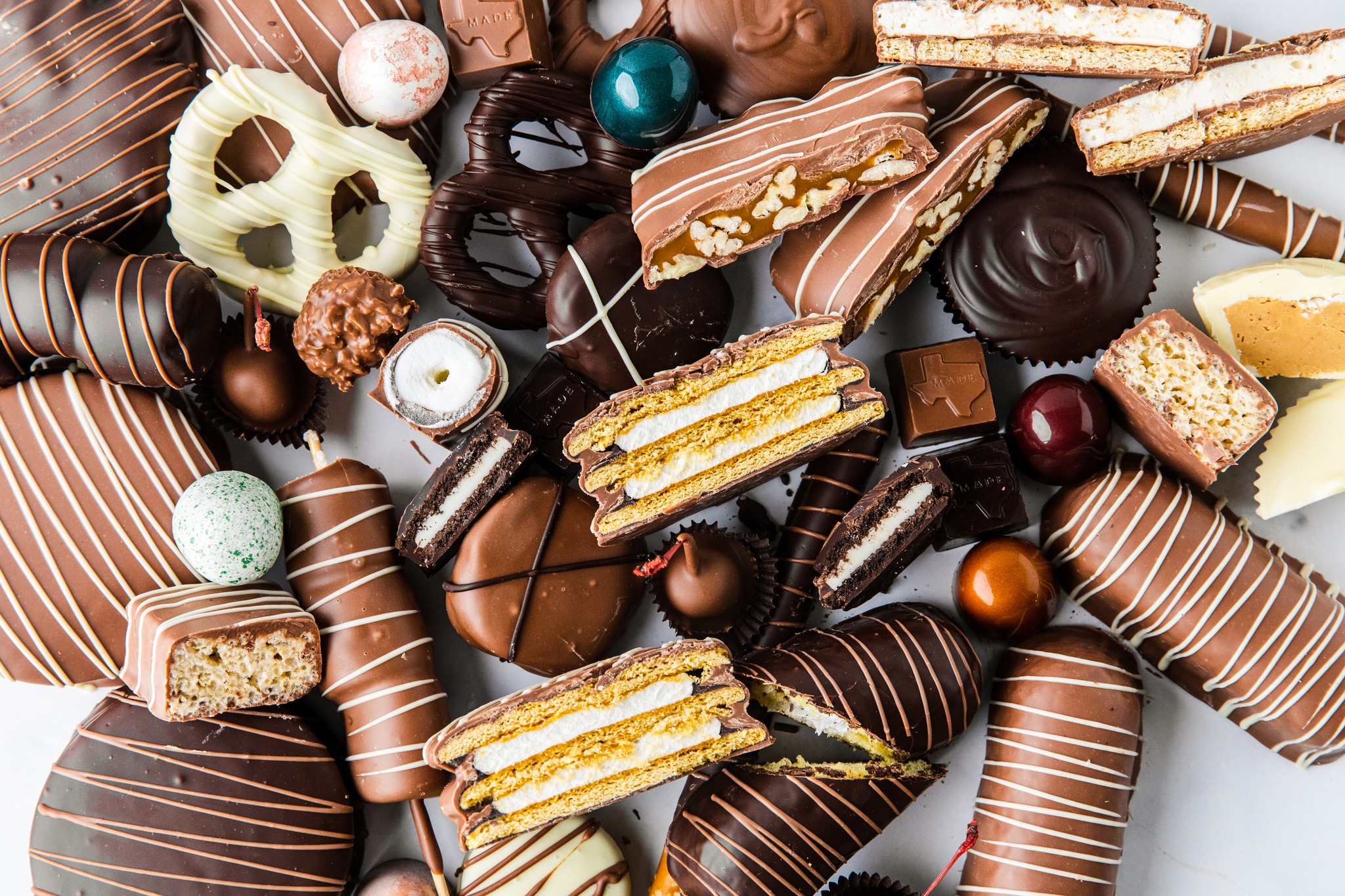
From The Chocolate Bar to Winbern Station: A Case Study in Rebranding
The most striking aspect of “what happened” to The Chocolate Bar is the shift in nomenclature. Moving away from a descriptive name like “The Chocolate Bar” toward a more evocative, location-based name like “Winbern Station” reflects a sophisticated shift in corporate identity.
The Psychology of the New Name
Descriptive names (The Chocolate Bar) are excellent for clarity but can be limiting. If a brand wants to expand its offerings—perhaps into savory foods, coffee, or a more upscale evening experience—the word “Chocolate” can become a pigeonhole. “Winbern Station,” conversely, is a “suggestive” or “location-based” brand name. It evokes a sense of place, history, and permanence. Strategically, this allows the brand to diversify its revenue streams without the name feeling contradictory to the product offering.
Maintaining Core Values During a Visual Shift
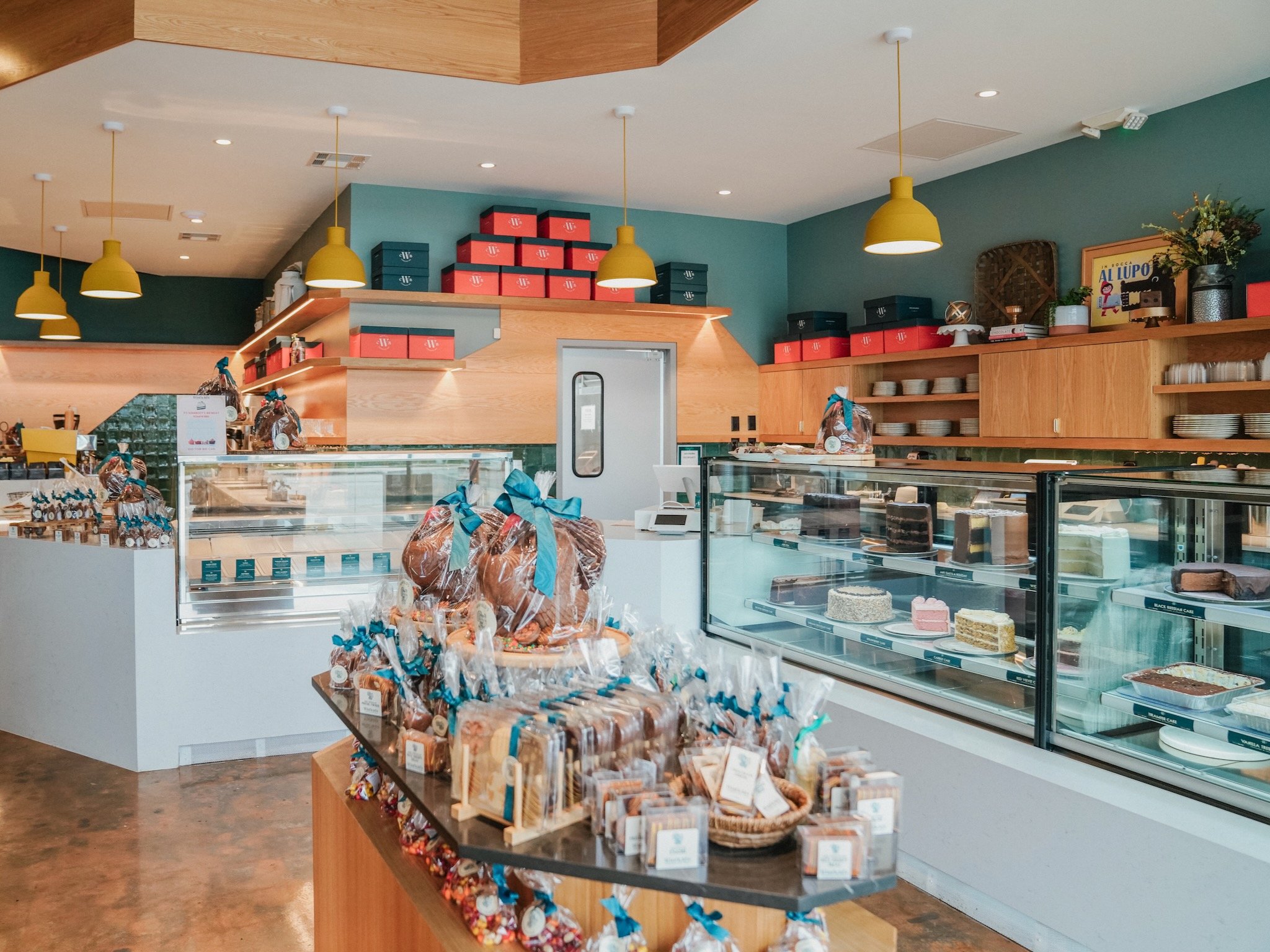
A successful rebrand must maintain “brand DNA”—the core elements that customers love—while shedding the elements that are outdated. For the Winbern Station transition, this meant keeping the award-winning ice cream recipes and the signature cakes while updating the aesthetic to a more contemporary, sophisticated design. The brand strategy here was “evolution, not revolution.” By keeping the product consistent, they honored the brand promise made to long-time fans, even as the visual identity moved toward a more modern “Houston-centric” aesthetic.
Strategic Marketing Lessons from the Houston Transition
The transition of The Chocolate Bar offers several vital lessons for business owners and brand strategists regarding how to handle a legacy business in a state of flux.
Audience Retention in Transitional Phases
One of the greatest challenges in rebranding is “customer churn.” When a brand changes its name or location, it provides a natural breaking point where a customer might choose a competitor. To combat this, the management behind the transition utilized social media to bring the audience along on the journey. By sharing the progress of the new construction and the reasoning behind the new name, they turned a potential negative (the closure of a favorite spot) into a positive narrative of growth. This is “transparency branding,” where the customer feels like an insider in the brand’s evolution.
The Role of Community Engagement in Brand Survival
A brand is only as strong as the community that supports it. The “Chocolate Bar” brand lived in the hearts of Houstonians who celebrated birthdays and first dates there. In the rebranding process, the strategic focus shifted toward emphasizing the brand’s roots in the city. By naming the new iteration after the street it sits on (Winbern), the brand anchored itself to the local geography. This creates a sense of “local pride” branding, which is much harder for national chains to replicate. It tells the consumer: “We aren’t just a store; we are a part of your neighborhood.”
Conclusion: The Future of the Brand
What happened to The Chocolate Bar Houston is not a story of a brand disappearing, but rather a story of a brand maturing. In the lifecycle of any successful enterprise, there comes a moment where the “startup” identity of the past must be reconciled with the “legacy” ambitions of the future.
The move to Winbern Station represents a calculated risk to trade a highly specific, product-focused name for a broader, lifestyle-focused identity. For brand strategists, the lesson is clear: your brand is not just your logo or your name; it is the relationship you have with your customers. As long as the “Winbern Station” team continues to deliver on the quality and joy that made “The Chocolate Bar” a success, the brand will likely find that its new identity provides a much larger canvas on which to paint its future.
In the competitive landscape of Houston’s food and beverage industry, staying the same is often the fastest way to become irrelevant. Through strategic rebranding, a commitment to physical excellence, and a deep understanding of its local equity, the spirit of The Chocolate Bar lives on, proving that even the sweetest brands must occasionally reinvent themselves to stay fresh.
aViewFromTheCave is a participant in the Amazon Services LLC Associates Program, an affiliate advertising program designed to provide a means for sites to earn advertising fees by advertising and linking to Amazon.com. Amazon, the Amazon logo, AmazonSupply, and the AmazonSupply logo are trademarks of Amazon.com, Inc. or its affiliates. As an Amazon Associate we earn affiliate commissions from qualifying purchases.