
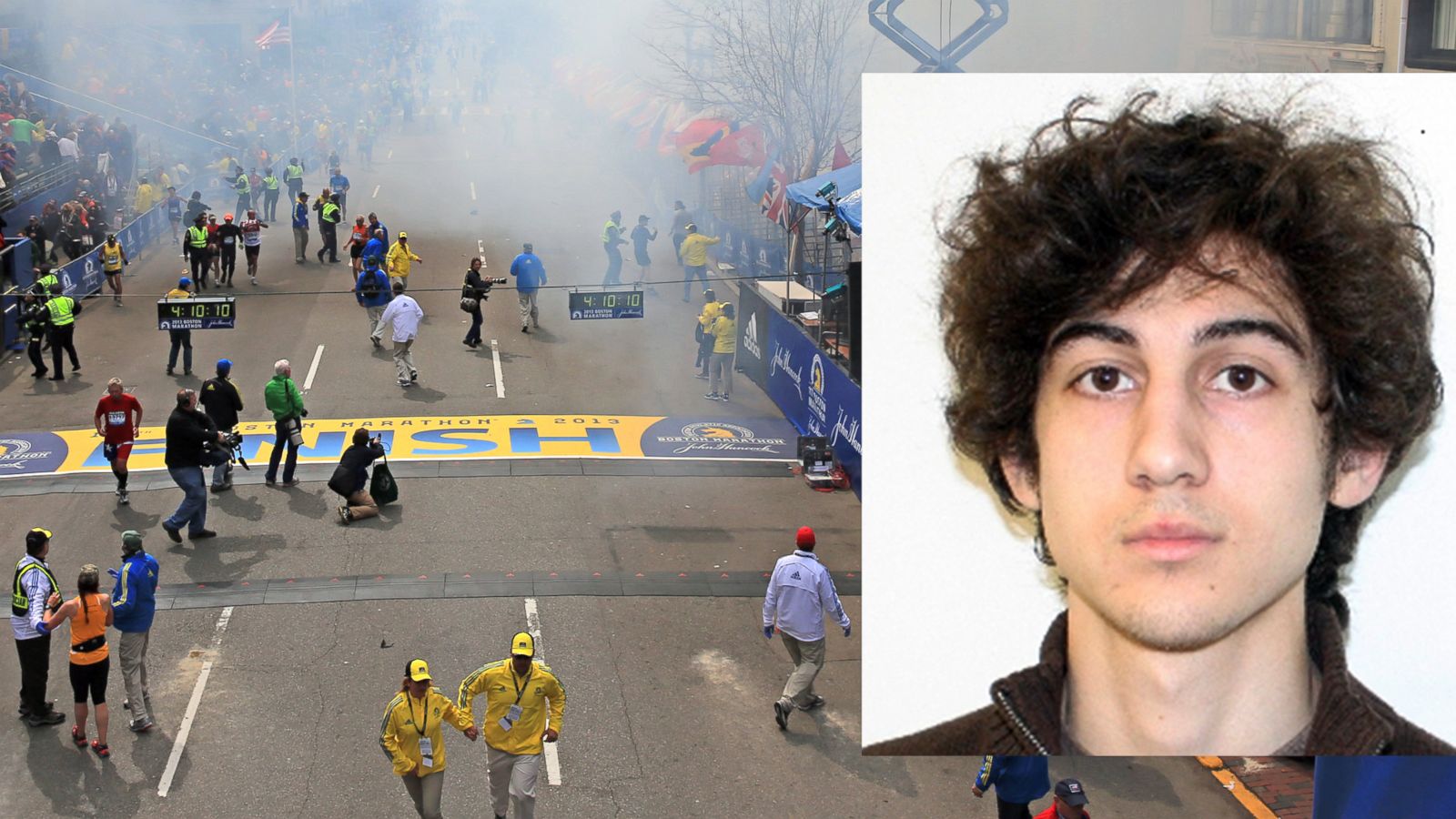
The events of April 15, 2013, at the finish line of the Boston Marathon, changed the landscape of urban security and digital forensics forever. While the tragedy itself was a human one, the subsequent investigation marked a pivotal moment in the evolution of technology in law enforcement. What happened to the Boston bombers was not just a result of traditional police work, but a testament to the power of a burgeoning digital dragnet that combined surveillance, data forensics, and nascent artificial intelligence. This investigation set a new standard for how technology is used to identify, track, and ultimately apprehend suspects in a hyper-connected world.
The Dawn of Algorithmic Surveillance in Public Safety
In the immediate aftermath of the explosions, the FBI and local law enforcement were faced with an unprecedented amount of visual data. In 2013, the concept of a “smart city” was still in its infancy, yet the sheer volume of digital footprints left behind by thousands of spectators and hundreds of businesses created a massive, unstructured database.
Harnessing the Power of Distributed Video Feeds
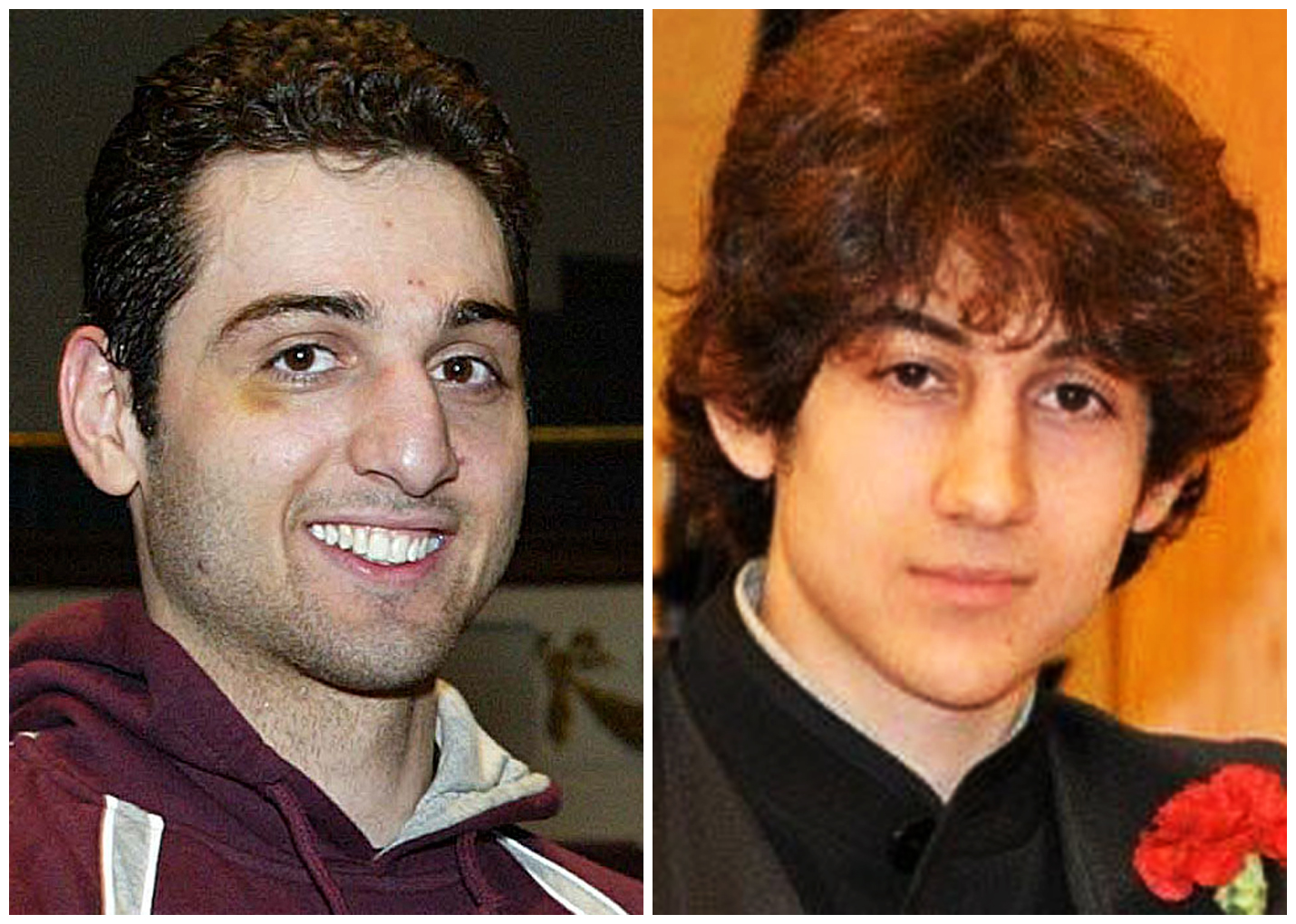
The identification of the Tsarnaev brothers was made possible through the grueling process of stitching together hundreds of hours of footage from a variety of sources. This included municipal CCTV, private security cameras from businesses like Lord & Taylor, and—most significantly—the smartphones of marathon attendees.
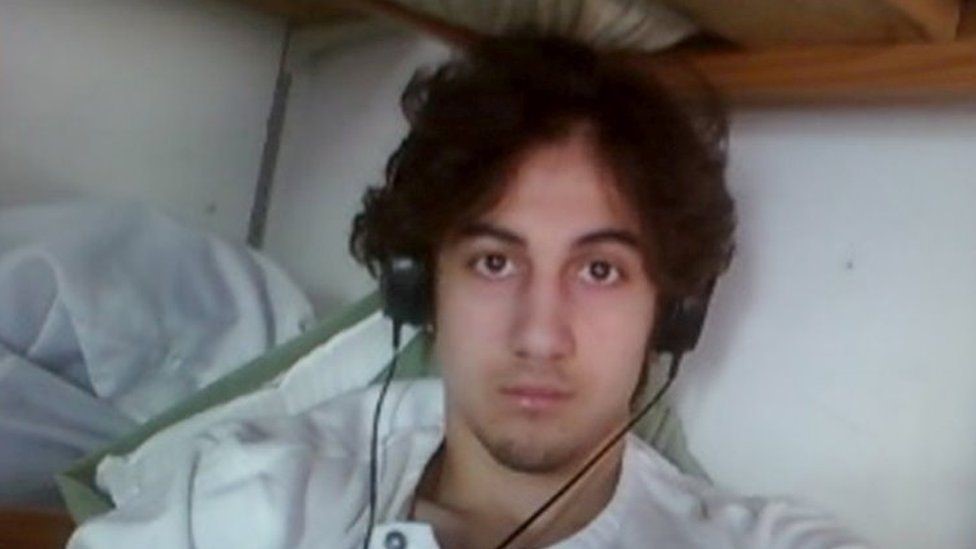
Technologically, this was a watershed moment for video forensics. Investigators utilized “video syncing” software to align disparate camera feeds into a unified timeline. By establishing a digital chronology, they could track the movements of “Suspect 1” and “Suspect 2” (later identified as Tamerlan and Dzhokhar Tsarnaev) back from the blast site to their points of origin. This method demonstrated the potential of integrating fragmented surveillance systems into a cohesive investigative tool, a precursor to the unified AI surveillance hubs used by modern police departments today.
The Role of Facial Recognition in its Infancy
While facial recognition technology exists today as a highly accurate AI-driven tool, in 2013, it was still grappling with significant limitations. During the hunt for the bombers, the FBI attempted to run the images of the suspects through several facial recognition databases. Interestingly, the technology initially failed to yield a match because the suspects’ photos were not in existing criminal databases, and the quality of the surveillance footage was often too grainy for the algorithms of that era to process accurately.
However, this failure spurred a massive investment in biometric research. What happened to the bombers highlighted the “resolution gap”—the distance between what a camera captures and what an algorithm can interpret. This led to the development of better image-enhancement AI and more robust facial feature extraction techniques that are now standard in digital security suites.
Digital Forensics: Deconstructing the Bombers’ Virtual Footprint
Once the suspects were identified, the focus shifted from the streets to the servers. The investigation moved into the realm of cyber-forensics, looking at how the bombers used technology to plan, learn, and communicate.
Analyzing Metadata and Digital Traces
The digital forensic teams worked to recover data from damaged laptops and burner phones. One of the most critical pieces of evidence was the analysis of “Inspire” magazine, an extremist publication found on their devices. Investigators used file-system forensics to determine when these files were accessed and whether they were shared across local networks.
Beyond just the content, the metadata—the data about the data—was crucial. By analyzing timestamps and IP address logs, tech experts were able to reconstruct the suspects’ online behavior leading up to the attack. This emphasized the importance of digital “breadcrumbs,” showing that even when a user believes they are browsing privately, the underlying network infrastructure retains a history that can be reconstructed through professional forensic tools.
EOD Tech and Component Identification
The bombs themselves were a fusion of low-tech components and high-tech triggers. The use of remote-control car components as detonators led investigators to analyze the radio frequencies and electronic signatures used in the devices. Electronic Ordnance Disposal (EOD) technology allowed experts to virtually reconstruct the pressure-cooker bombs from fragmented remains found at the scene.
By using high-resolution 3D scanning and X-ray diffraction, forensic engineers were able to trace the specific brands and batches of the electronic components. This “tech-tracing” allowed the FBI to pinpoint where the items were purchased, eventually linking the hardware to the suspects’ physical locations.
Social Media as a Real-Time Intelligence Engine
The search for the Boston bombers was perhaps the first major criminal investigation to play out in real-time on social media. This created a new paradigm for how law enforcement interacts with the digital public.
Crowd-Sourced Investigation and the “Reddit Effect”
As the FBI released photos of the suspects, the internet responded with a fervor never seen before. Platforms like Reddit and Twitter became unofficial hubs for amateur sleuths. While this demonstrated the power of digital community engagement, it also highlighted the dangers of “vigilante tech.”
Several innocent individuals were misidentified by online communities, leading to harassment and a “digital witch hunt.” This phenomenon taught tech companies and law enforcement a vital lesson about the “echo chamber” effect of social media. It forced a rethink of how information is disseminated during active crises, leading to the development of verified “emergency response” protocols on major social platforms to prevent the spread of misinformation during high-stakes investigations.
Geo-Tagging and Timeline Reconstruction
While amateur sleuthing had its flaws, the “crowd-sourced” data provided by the public was invaluable. Thousands of photos uploaded to social media were geo-tagged, allowing investigators to use location metadata to place the suspects at specific coordinates at specific times.
The tech industry responded to this by refining how location data is stored and shared. Today, law enforcement uses specialized software that can scrape public social media posts within a specific “geofence” to gather real-time intelligence during an event. The Boston bombing was the catalyst for these geofencing tools, turning the public’s social media habits into a massive, distributed sensor network.
The Legacy of the Investigation: Modern Tech Advancements
The conclusion of the manhunt—the death of Tamerlan in a shootout and the capture of Dzhokhar in a dry-docked boat—was facilitated by specialized hardware, but the legacy of the event lives on in the software and AI we use today.
AI-Driven Predictive Policing and Threat Detection
In the decade following the Boston bombing, the tech world has pivoted toward “predictive” security. We now see the deployment of AI that doesn’t just look for faces, but for “anomalous behavior.” Modern software can detect a bag left unattended for more than 30 seconds in a crowded airport or recognize the specific “gait” of an individual even if their face is covered.
These advancements are direct descendants of the technical challenges faced in 2013. The “manual” work of 2013 has been replaced by machine learning models that can scan thousands of hours of video in seconds, identifying potential threats with a level of precision that was science fiction at the time of the marathon attack.
Ethical Considerations in the Age of Total Surveillance
What happened to the Boston bombers also ignited a global debate about the ethics of surveillance technology. As tools for digital tracking became more powerful, the tension between security and privacy intensified. The investigation proved that technology could catch criminals, but it also raised questions about the “always-on” nature of modern digital security.
Today’s tech landscape is defined by this struggle. Developers are now tasked with creating “privacy-preserving” AI and encrypted systems that protect citizens while still allowing for the “lawful intercept” of data in emergencies. The Boston investigation remains the primary case study for why these tools are built, how they can be misused, and why the balance of digital power is one of the most important tech challenges of our century.
In the end, the bombers were caught by a combination of human courage and digital innovation. The transition from grainy CCTV footage to the sophisticated AI-driven security ecosystems of today can be traced directly back to that week in April 2013. The technology didn’t just find the bombers; it redefined the very nature of public safety in the digital age.
aViewFromTheCave is a participant in the Amazon Services LLC Associates Program, an affiliate advertising program designed to provide a means for sites to earn advertising fees by advertising and linking to Amazon.com. Amazon, the Amazon logo, AmazonSupply, and the AmazonSupply logo are trademarks of Amazon.com, Inc. or its affiliates. As an Amazon Associate we earn affiliate commissions from qualifying purchases.