
The Bay City Rollers. The name itself conjures images of tartan trousers, catchy anthems, and a feverish youth culture that swept across the globe in the 1970s. For a brief, incandescent period, they were the biggest band in the world, a tartan-clad phenomenon that transcended music and became a cultural touchstone. But like many meteors that blaze brightly, their reign was fleeting. What happened to this band that once commanded such adulation? Delving into their story reveals a fascinating interplay of brand building, market forces, financial pitfalls, and the enduring challenge of maintaining relevance in the ever-shifting landscape of entertainment.
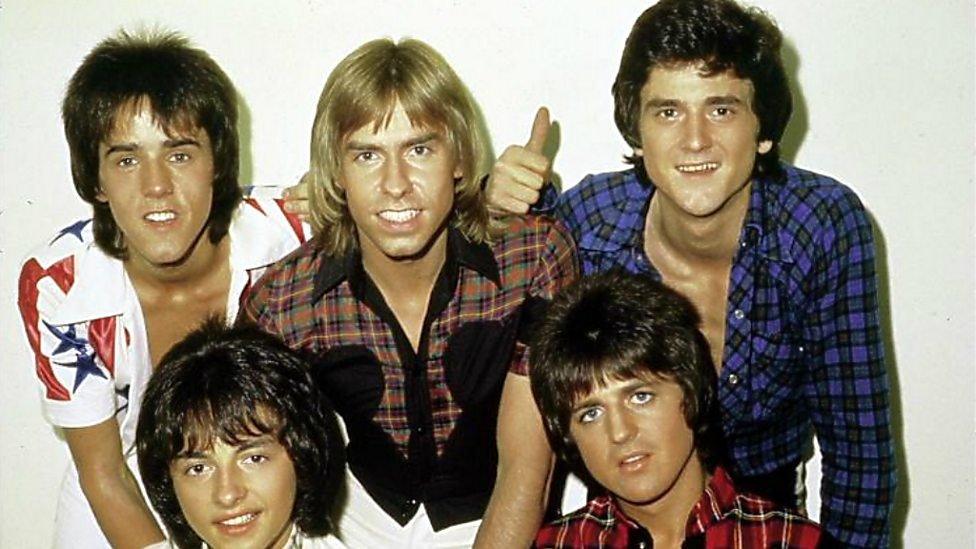
Their trajectory offers a compelling case study for anyone interested in the lifecycle of a brand, the volatile nature of fame, and the often-unseen mechanics of the music industry. From their explosive beginnings to their eventual splintering, the Bay City Rollers’ journey is a potent reminder that even the most successful brands are susceptible to internal and external pressures.
The Rollercoaster Ride: Building a Global Brand
The Bay City Rollers weren’t just a band; they were a meticulously crafted brand. Emerging from Edinburgh, Scotland, in the late 1960s, they initially honed their craft in local pubs and clubs. Their early sound, a blend of pop, rock, and a touch of glam, was accessible and energetic. However, it was their shrewd marketing and visual identity that truly propelled them into the stratosphere.
Crafting the Tartan Image: A Brand Identity That Stuck
The signature tartan outfits were more than just fashion; they were a powerful visual anchor. In an era where image was becoming increasingly paramount in the music industry, the Rollers’ tartan was instantly recognizable and differentiated them from their contemporaries. It created a strong, unified brand identity that resonated with young audiences, particularly in the UK and then internationally. This visual element was strategically deployed, appearing on everything from their album covers to their merchandise, reinforcing the “Bay City Rollers” brand at every touchpoint.
This was a masterclass in brand strategy. They understood the power of a consistent and memorable visual language. The tartan wasn’t just a random choice; it was a nod to their Scottish heritage, giving them an authentic and relatable backstory. This allowed fans to connect with them on a deeper level, feeling a sense of shared identity and pride.
Market Domination: Capturing the Youth Zeitgeist
The 1970s were a fertile ground for pop music with mass appeal. The Bay City Rollers arrived at precisely the right moment, tapping into the burgeoning youth culture that craved vibrant, escapist entertainment. Their singles, such as “Keep On Dancing,” “Remember,” and the ubiquitous “Saturday Night,” were incredibly catchy, designed for radio play and singalongs. These tracks became anthems for a generation, soundtracks to school discos, teenage bedrooms, and fleeting romances.
Their marketing efforts were equally effective. They leveraged television appearances, fan clubs, and a constant stream of relatable content to build a devoted fanbase. The sheer volume of their output, combined with their infectious energy, made them seem omnipresent. They were the “teen idols” of their day, and the brand was built on this perceived accessibility and aspirational appeal. Their success wasn’t just about the music; it was about the entire package – the look, the sound, the attitude, and the feeling they evoked. This comprehensive brand approach ensured they captured the attention of a vast, impressionable market.
The Rise of the Fanatic: Building a Loyal Customer Base
The Bay City Rollers cultivated an intensely loyal fanbase, often referred to as “Rollermania.” This wasn’t just casual listening; it was an all-consuming passion. Young fans would queue for hours to see them, buy every piece of merchandise, and meticulously follow their every move. This level of fan engagement is the holy grail for any brand, and the Rollers, intentionally or not, managed to achieve it.
The band fostered this fanaticism through direct engagement, fan club newsletters, and a persona that felt within reach. They weren’t distant, unapproachable rock gods; they were relatable young men who seemed to embody youthful exuberance. This created a powerful emotional connection, transforming casual listeners into dedicated brand advocates. This loyal customer base became a significant revenue stream through concert tickets, albums, and merchandise.
The Cracks Appear: Financial Mismanagement and Internal Strife
Even the most robust brands can crumble under the weight of internal issues and poor financial stewardship. The Bay City Rollers’ story is a stark illustration of how success can be undermined by a lack of professional management and a failure to adapt.
The Weight of Fame: Exploitation and Financial Insecurity
One of the most commonly cited reasons for the Bay City Rollers’ downfall is the alleged exploitation by their management. Many artists of that era, particularly those who achieved overnight success, found themselves vulnerable to predatory management deals. It’s widely believed that the band members were not adequately compensated for their immense success, with a significant portion of their earnings being siphoned off by those in charge.

This lack of financial control and transparency led to resentment and disillusionment within the band. While they were performing to sold-out arenas and topping charts worldwide, the individuals creating the brand were not reaping the full financial rewards. This created a breeding ground for conflict and ultimately contributed to the band’s instability. The focus on rapid expansion and profit maximization by management, without ensuring fair compensation for the artists, proved to be a fatal flaw in the brand’s long-term sustainability.
The Turmoil Within: Shifting Lineups and Creative Differences
As financial pressures mounted and resentment festered, internal strife became inevitable. The Bay City Rollers experienced several lineup changes, with key members departing due to disputes, burnout, and disillusionment. These shifts inevitably impacted the band’s creative output and their ability to deliver consistent performances.
The loss of original members and the introduction of new ones diluted the established brand identity. The unique chemistry that had propelled them to stardom began to fray. Creative differences also likely played a role, as the pressure to constantly produce hits could strain even the most harmonious artistic collaborations. These internal divisions made it difficult to maintain the cohesive image and sound that had initially captivated audiences, leading to a decline in their popularity. A brand’s strength often lies in its core identity, and when that identity is constantly in flux due to internal conflict, its appeal inevitably wanes.
The Echoes of the Past: Legal Battles and Ongoing Disputes
The financial mismanagement and internal turmoil of the Bay City Rollers’ heyday continued to haunt them for years. Reports of legal battles over royalties, intellectual property, and past contractual disputes have surfaced periodically, underscoring the messy and often acrimonious legacy of the band. These ongoing disputes further tarnished their image and prevented any cohesive effort to revitalize the brand.
For a brand to thrive, there needs to be a clear and positive narrative. The persistent legal and financial squabbles created a negative perception, making it difficult for the public to view the band with the same affection they once did. These unresolved issues acted as a constant drag on any potential for a successful revival or even a nostalgic appreciation of their music.
The Legacy of the Tartan Dream: Enduring Influence and Faded Glory
Despite their tumultuous decline, the Bay City Rollers left an indelible mark on popular culture. Their story serves as a cautionary tale and a testament to the ephemeral nature of fame.
A Nostalgic Resonance: The Enduring Appeal of “Rollermania”
For those who experienced “Rollermania” firsthand, the Bay City Rollers remain a potent symbol of their youth. Their music continues to evoke fond memories and a sense of nostalgia for a simpler time. This enduring emotional connection is a testament to the power of their brand in its prime.
The band’s catchy tunes still find their way into compilations and retro playlists, proving that their music, at its best, had a lasting appeal. The tartan imagery, too, remains iconic, instantly recognizable as belonging to the Bay City Rollers. This nostalgic resonance allows their brand to persist in the collective consciousness, even decades after their peak. It highlights how emotional connections, once forged, can endure, even if the active engagement with the brand has long since ceased.
Lessons for Today’s Brands: The Perils of Unchecked Ambition
The Bay City Rollers’ journey offers invaluable lessons for modern brands, particularly in the music industry and beyond. Their story underscores the importance of:
- Robust Financial Management: Ensuring fair compensation and transparent dealings with artists is crucial for long-term sustainability. A brand built on exploitation is ultimately doomed.
- Strong Leadership and Professional Management: Relying on experienced professionals who understand brand management, artist development, and financial prudence is paramount.
- Maintaining Brand Integrity: Internal stability and a clear artistic vision are essential for preserving a brand’s identity and appeal.
- Adapting to Market Changes: While nostalgia has its place, brands must also be able to evolve and connect with new audiences to remain relevant.
The Bay City Rollers achieved a level of global brand recognition that few bands experience. However, their inability to navigate the complexities of fame, finances, and internal dynamics led to their rapid decline. Their story serves as a powerful reminder that building a successful brand is only the first step; maintaining it requires constant vigilance, ethical practices, and a commitment to the well-being of its core assets – in this case, the talented individuals who created the magic.

The Faded Tartan: A Cautionary Tale in the Digital Age
In today’s hyper-connected digital age, the lessons of the Bay City Rollers are perhaps even more relevant. The speed at which information (and misinformation) travels, the intense scrutiny faced by public figures, and the constant demand for new content create an even more challenging environment for brands. The potential for exploitation, both financial and reputational, is amplified.
The Bay City Rollers’ story, though rooted in a different era, resonates because it highlights timeless truths about ambition, art, business, and the human element that underpins every successful brand. While the tartan trousers may have faded from the forefront of fashion, the echoes of their story continue to serve as a potent cautionary tale for anyone aiming to build something that lasts. The dream of “Rollermania” may have been a fleeting one, but its legacy as a case study in brand building and its eventual undoing remains a valuable part of the cultural and business landscape.
aViewFromTheCave is a participant in the Amazon Services LLC Associates Program, an affiliate advertising program designed to provide a means for sites to earn advertising fees by advertising and linking to Amazon.com. Amazon, the Amazon logo, AmazonSupply, and the AmazonSupply logo are trademarks of Amazon.com, Inc. or its affiliates. As an Amazon Associate we earn affiliate commissions from qualifying purchases.