
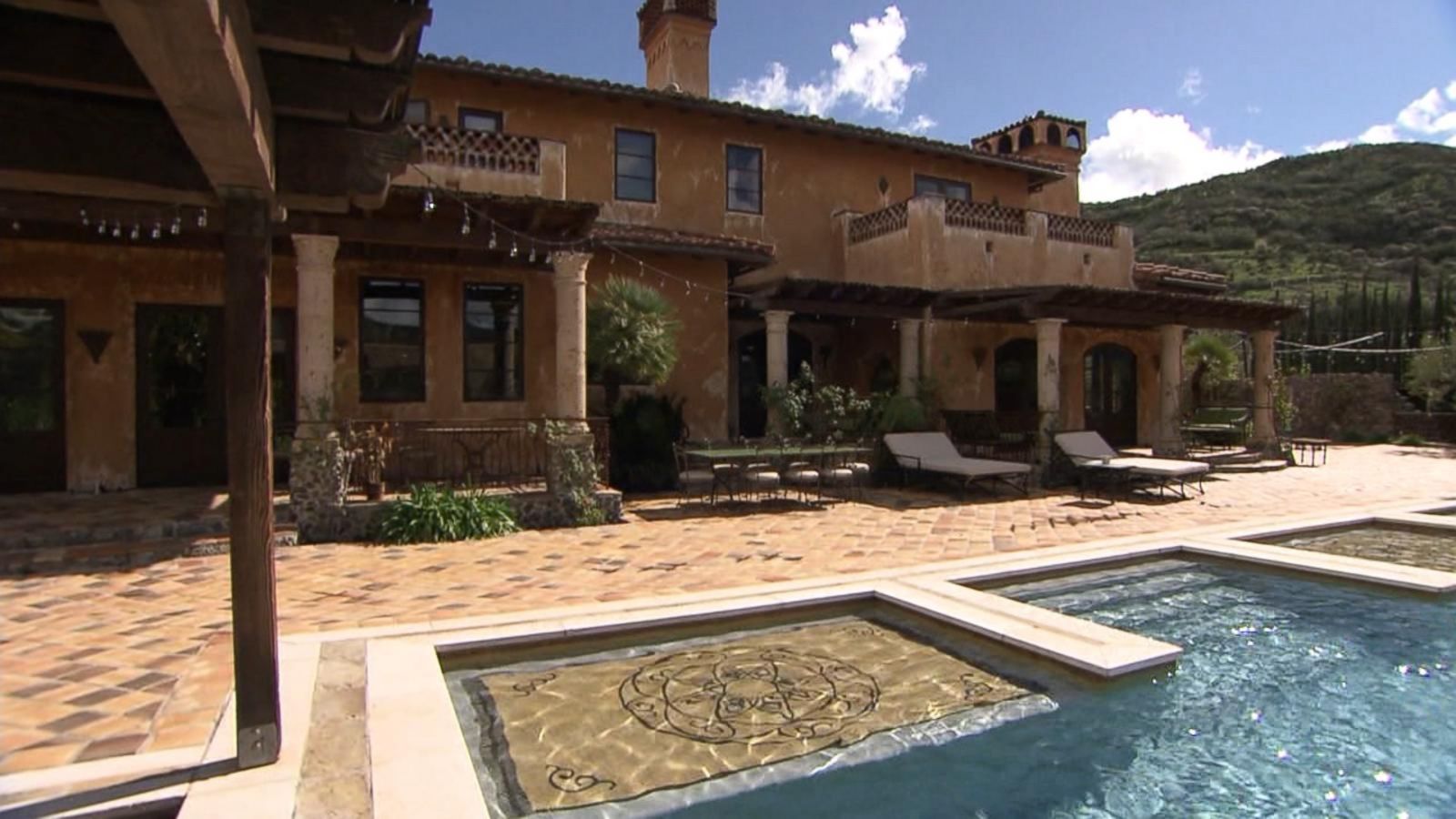
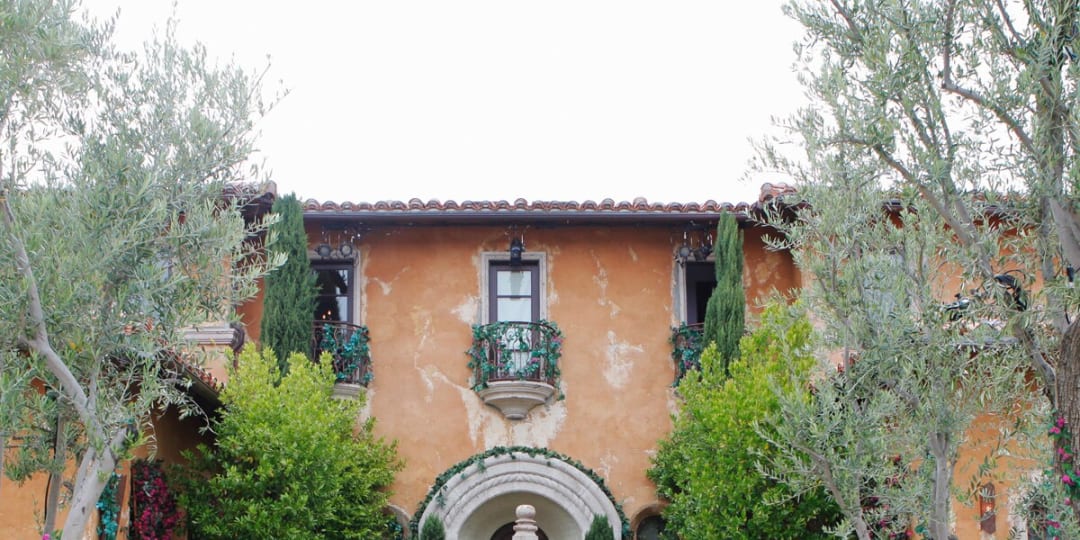
The Mediterranean-style villa known as “Villa de la Vina,” more famously recognized as the “Bachelor Mansion,” stands as one of the most recognizable pieces of real estate in American pop culture. Located in the Santa Monica Mountains of Agoura Hills, California, this 10,000-square-foot property has served as the backdrop for heartbreak and romance for over two decades. However, beyond the roses and the televised drama lies a sophisticated story of high-stakes real estate investment, asset monetization, and the complex economics of luxury property management.
To understand what happened to the Bachelor Mansion is to understand a masterclass in how a private residence can be transformed into a high-yield revenue engine. From lucrative filming leases to record-breaking short-term rental rates, the financial trajectory of Villa de la Vina offers a compelling look at the intersection of real estate and the entertainment economy.
The Economic Foundation: Understanding the Asset Value of Villa de la Vina
From a pure investment perspective, the Bachelor Mansion is a prime example of a high-value asset that benefits from both its physical attributes and its “fame premium.” Owned by Marshall Haraden, a contractor who built the home for his family in the early 2000s, the property is a 10-acre estate featuring six bedrooms, nine bathrooms, and a resort-style pool area that has become an iconic piece of televised real estate.
Market Appraisal and the Agoura Hills Luxury Sector
Agoura Hills occupies a unique niche in the Southern California real estate market. Positioned between the tech-heavy corridors of the Conejo Valley and the coastal wealth of Malibu, the area offers privacy and acreage that are hard to find closer to Los Angeles. In the current market, a property of this scale, even without its television pedigree, would likely be appraised between $12 million and $15 million.
The value of the property is not merely in its square footage but in its infrastructure. Haraden, using his expertise in construction, designed the home with a structural integrity that supports heavy production equipment. This “production-ready” status increases the asset’s value to a specific subset of buyers and lessees—primarily production companies looking for “plug-and-play” locations that can accommodate crews of over 100 people without requiring massive retrofitting.
The “Fame Premium” in Property Valuation
In real estate finance, the “fame premium” refers to the intangible value added to a property due to its history or public exposure. For Villa de la Vina, this premium doesn’t necessarily manifest in the resale price—which can actually be hindered by the lack of privacy associated with fans visiting the gates—but rather in its income-generating potential.
While a similar mansion in Agoura Hills might struggle to command a massive daily rental rate for corporate retreats, the Bachelor Mansion can leverage its brand recognition to justify premium pricing. This creates a higher Capitalization Rate (Cap Rate) for the owner than a standard luxury rental would provide, making the property a more efficient vehicle for wealth generation.
The Business of Filming: Navigating Licensing and Production Revenue
The core of the Bachelor Mansion’s financial success is its long-standing relationship with Warner Bros. and ABC. For roughly four months out of every year, the Haraden family moves out of their home to allow the production crew to take over. This is not merely a rental agreement; it is a complex commercial lease that involves significant logistical and financial maneuvering.
Lease Agreements with Warner Bros. and ABC
While the exact figures of the “Bachelor” lease are kept under strict non-disclosure agreements, industry benchmarks for high-end filming locations in Los Angeles suggest that properties of this caliber can command between $10,000 and $25,000 per day during active production. Given that the mansion is used for two cycles (The Bachelor and The Bachelorette) in some years, the annual revenue from production alone can reach seven figures.
This revenue stream acts as a powerful hedge against the high carrying costs of a 10-acre estate. For the owner, the production company essentially pays for the annual property taxes, maintenance, and insurance, while providing a significant profit margin on top. It is a textbook example of using a primary residence as a secondary business asset.
The Logistics of Property Turnaround as a Business Expense
One of the most fascinating aspects of the Bachelor Mansion’s business model is the “turnaround.” Twice a year, the production company arrives to repaint, refurnish, and redecorate the home to fit the show’s aesthetic. From a financial standpoint, this is a form of subsidized maintenance.
The production company assumes the cost of professional landscaping, pool maintenance, and interior touch-ups. When the family moves back in, the house is often returned in pristine condition, or they receive a “restoration fee” to ensure the property is returned to its original state. This arrangement significantly reduces the owner’s long-term capital expenditure (CapEx) for property upkeep, as the “tenant” (the production company) bears the brunt of the wear and tear.
The Short-Term Rental Pivot: Maximizing Yield in the Off-Season
In recent years, the strategy for the Bachelor Mansion has evolved to include the burgeoning short-term rental (STR) market. By listing the property on platforms like Airbnb, the owners have tapped into a new demographic of high-net-worth fans and corporate clients who want the “Bachelor experience.”
Analyzing the $30,000-per-Night Rental Strategy
When the mansion hit Airbnb, it made headlines for its staggering price tag—reportedly upwards of $30,000 per night, with a minimum stay requirement. While this price point is inaccessible to most, it is a strategic move in the luxury hospitality sector.
By setting an ultra-high price, the owners accomplish two things:
- Exclusivity and Brand Protection: It ensures that only serious, high-end clients can book the property, minimizing the risk of “party house” damage that could jeopardize future filming contracts.
- Yield Optimization: The owners do not need 100% occupancy to be profitable. A single weekend booking at that rate can generate more net income than a standard luxury rental would earn in six months. This “high-margin, low-volume” approach is a classic strategy in luxury asset management.
Management and Staffing Overheads for Ultra-Luxury Stays
Operating a property at a $30,000-a-night level requires more than just a set of keys. It necessitates a professional hospitality infrastructure. The “off-season” revenue must be balanced against the costs of professional cleaning crews, on-site security, and concierge services.
For the Haraden family, this means treating their home as a hospitality brand. The financial success of this pivot depends on meticulous cost-benefit analysis: ensuring that the income from these elite guests justifies the operational complexity and the loss of personal use of the home.
Risk Management and Resilience: The Financial Aftermath of the Woolsey Fire
No financial analysis of the Bachelor Mansion would be complete without discussing the 2018 Woolsey Fire. The fire caused significant damage to the property, particularly to the “back house” and the surrounding landscape. This event highlighted the inherent risks of real estate investment in fire-prone regions of California.
Insurance Claims and Property Restoration Economics
The fire presented a major financial threat to the Bachelor Mansion’s revenue-generating capacity. If the property could not be restored in time for the next filming cycle, the owners stood to lose millions in lease revenue.
The recovery process involved navigating complex insurance claims and high-speed reconstruction. In the luxury real estate world, being under-insured in a high-risk zone can lead to financial ruin. The Bachelor Mansion’s quick restoration suggests a robust insurance policy—likely including “loss of use” coverage that compensated the owners for the time the property could not be rented or leased for production. This serves as a vital lesson in risk mitigation for any high-value property investor.
Mitigating Environmental Risk in High-Value Portfolio Assets
The Woolsey Fire also forced a re-evaluation of the property’s environmental defenses. Following the fire, many Agoura Hills owners invested in fire-resistant landscaping, advanced ember-filter venting, and private fire-suppression systems.
These investments, while costly, are essential for preserving the asset’s long-term value and insurability. For the Bachelor Mansion, maintaining its status as a viable filming location requires proof of safety and resilience. Protecting the physical structure is not just about personal safety; it’s about protecting the “production-ready” status that makes the home a cash-flow-positive asset.

Conclusion: The “Bachelor” Model as a Roadmap for High-Net-Worth Investing
The story of what happened to the Bachelor Mansion is far from a simple tale of reality TV fame. It is a sophisticated business operation that leverages a single piece of real estate into multiple, diverse revenue streams. By balancing a high-value production lease with an elite short-term rental strategy, all while navigating the high costs and risks of Southern California real estate, the owners have created a sustainable financial engine.
For the modern investor, Villa de la Vina represents the pinnacle of “asset monetization.” It demonstrates that with the right location, structural planning, and market positioning, a residence can be much more than a home—it can be a world-class financial instrument. As the mansion continues to host new seasons and elite guests, its legacy will remain as much about its impressive ROI as it is about the final rose.
aViewFromTheCave is a participant in the Amazon Services LLC Associates Program, an affiliate advertising program designed to provide a means for sites to earn advertising fees by advertising and linking to Amazon.com. Amazon, the Amazon logo, AmazonSupply, and the AmazonSupply logo are trademarks of Amazon.com, Inc. or its affiliates. As an Amazon Associate we earn affiliate commissions from qualifying purchases.