
Boyz II Men stands as one of the most iconic brands in the history of rhythm and blues. With over 60 million records sold and a legacy defined by impeccable vocal arrangements, the group redefined the archetype of the “boy band” for a global audience. However, for many fans and brand analysts alike, a significant shift occurred in 2003 when the group transitioned from a quartet to a trio. The departure of Michael McCary, the group’s distinct bass singer, was not merely a change in personnel; it was a profound challenge to the Boyz II Men corporate identity. Understanding what happened to the fourth member requires a deep dive into brand management, the maintenance of a visual signature, and the strategic pivots necessary to sustain a legacy brand over three decades.
The Core Identity: Building the “Four-Part Harmony” Brand
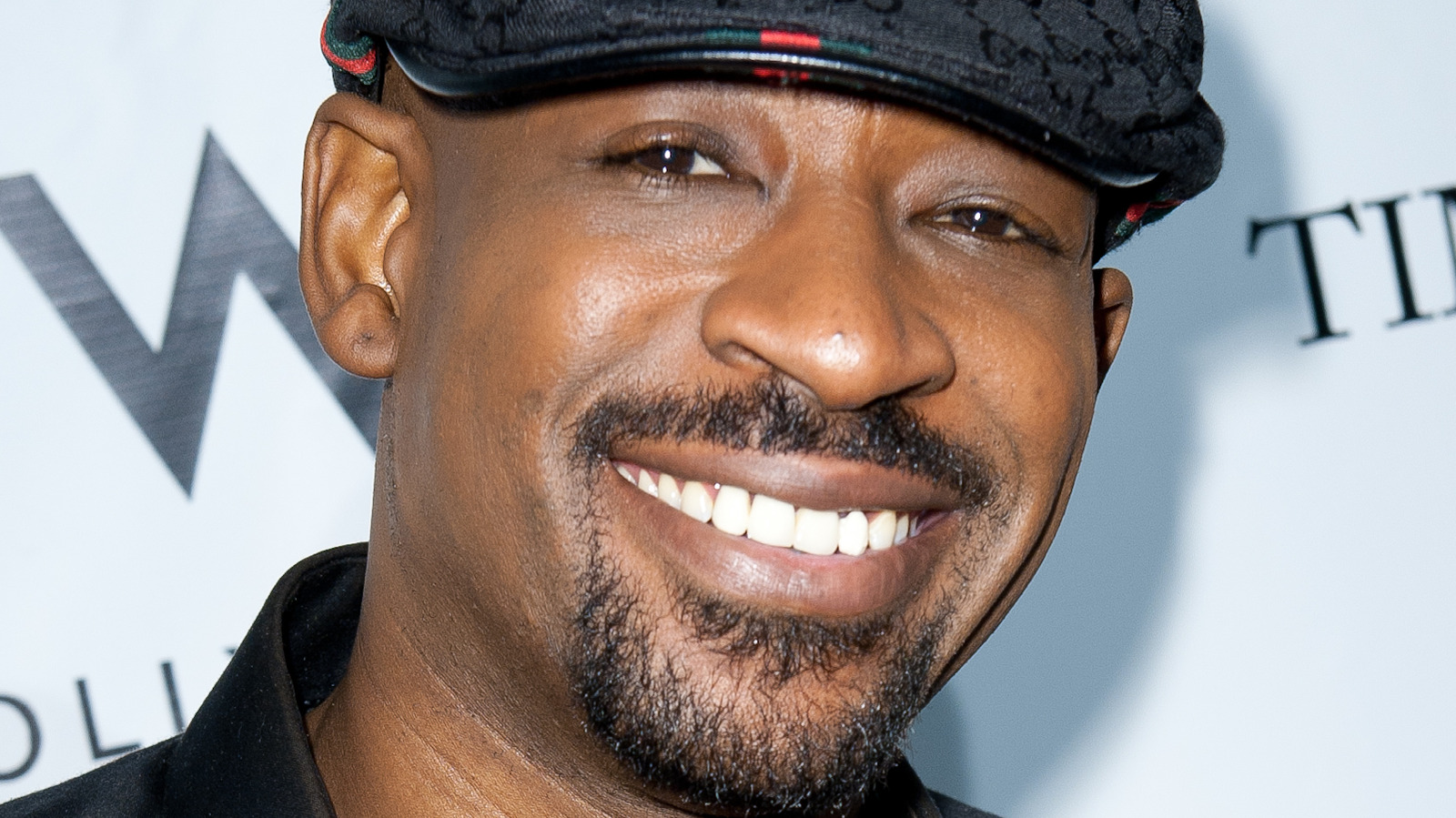
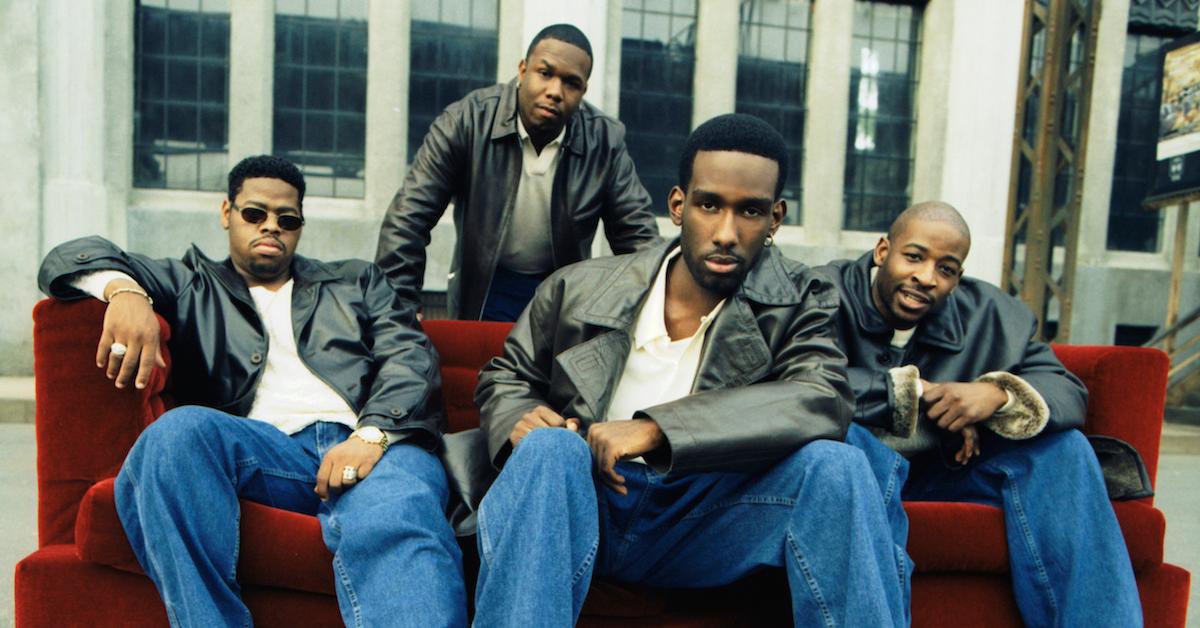
When Boyz II Men emerged from Philadelphia in the early 1990s, their brand was built on the foundation of “The Four-Part Harmony.” In the world of branding, consistency is the ultimate currency, and the group offered a symmetrical, balanced, and complete product. Michael McCary, often referred to as “Mikey” or “Bass,” was more than just a vocalist; he was a foundational pillar of the group’s auditory and visual architecture.
The Bass Foundation: Michael McCary’s Role in the Visual and Auditory Identity
From a brand perspective, Michael McCary served as the “anchor.” In the sonic landscape of R&B, the bass voice provides the floor upon which the tenors and baritones build their house. McCary’s deep, resonant spoken-word intros and low-end harmonies became a “brand signature”—a recognizable element that consumers associated with the Boyz II Men experience. Visually, his presence provided a geometric balance to the group. Whether in their signature preppy cardigans or coordinated formal suits, the four-man lineup represented a cohesive unit of excellence. McCary’s “bass persona” was a unique selling proposition (USP) that differentiated the group from contemporary acts like Jodeci or New Edition.
Consistency as a Competitive Advantage
The Boyz II Men brand thrived on the promise of reliability. Fans knew exactly what to expect: clean-cut imagery, emotional vulnerability, and perfect synchronization. During their peak years under the Motown label, the group’s identity was so strong that it eclipsed the individual members’ personas. They functioned as a single corporate entity. McCary’s departure was a threat to this reliability. When a brand loses 25% of its core components, the “Brand Equity” is put at risk. The question for the remaining members—Nathan Morris, Wanya Morris, and Shawn Stockman—was whether the brand was the people or the sound.
The Brand Fracture: When a Key Element Exits
The year 2003 marked a turning point for the group’s corporate narrative. Michael McCary officially left the group, citing health concerns. While the public often views such exits through the lens of celebrity gossip, from a brand strategy perspective, this was a moment of “Product Recall and Redesign.”
Managing Public Perception and Health Narratives
For years, the reasons behind McCary’s departure were shrouded in professional ambiguity. It was later revealed that McCary was battling Multiple Sclerosis (MS), a chronic condition that made the rigorous demands of touring and choreography nearly impossible. For the Boyz II Men brand, managing this narrative was delicate. In the early 2000s, the “Invincibility” of a pop brand was a key marketing tool. Disclosing a debilitating illness was seen by some industry insiders as a potential liability to the brand’s “Touring Value.”
The departure was initially framed as a personal choice related to back problems, a communication strategy designed to protect both the individual’s privacy and the group’s marketability. However, the lack of a clear, unified message led to years of speculation, demonstrating the importance of “Crisis Communication” in personal branding. When a brand undergoes a major change, transparency often yields more long-term loyalty than ambiguity.
The Impact of Multiple Sclerosis on the “Working Brand”
A musical group is a physical brand. Their “product” is delivered through live performance, which requires high levels of stamina and physical coordination. MS affected McCary’s ability to perform the group’s synchronized movements, which were a hallmark of their brand identity. In the corporate world, if a key asset can no longer function at 100%, the brand must decide between a “Total Rebrand” (replacing the member) or an “Iterative Pivot” (continuing as a smaller unit). Boyz II Men chose the latter, a move that would define their second act.
The Rebranding Strategy: Transitioning from Quartet to Trio
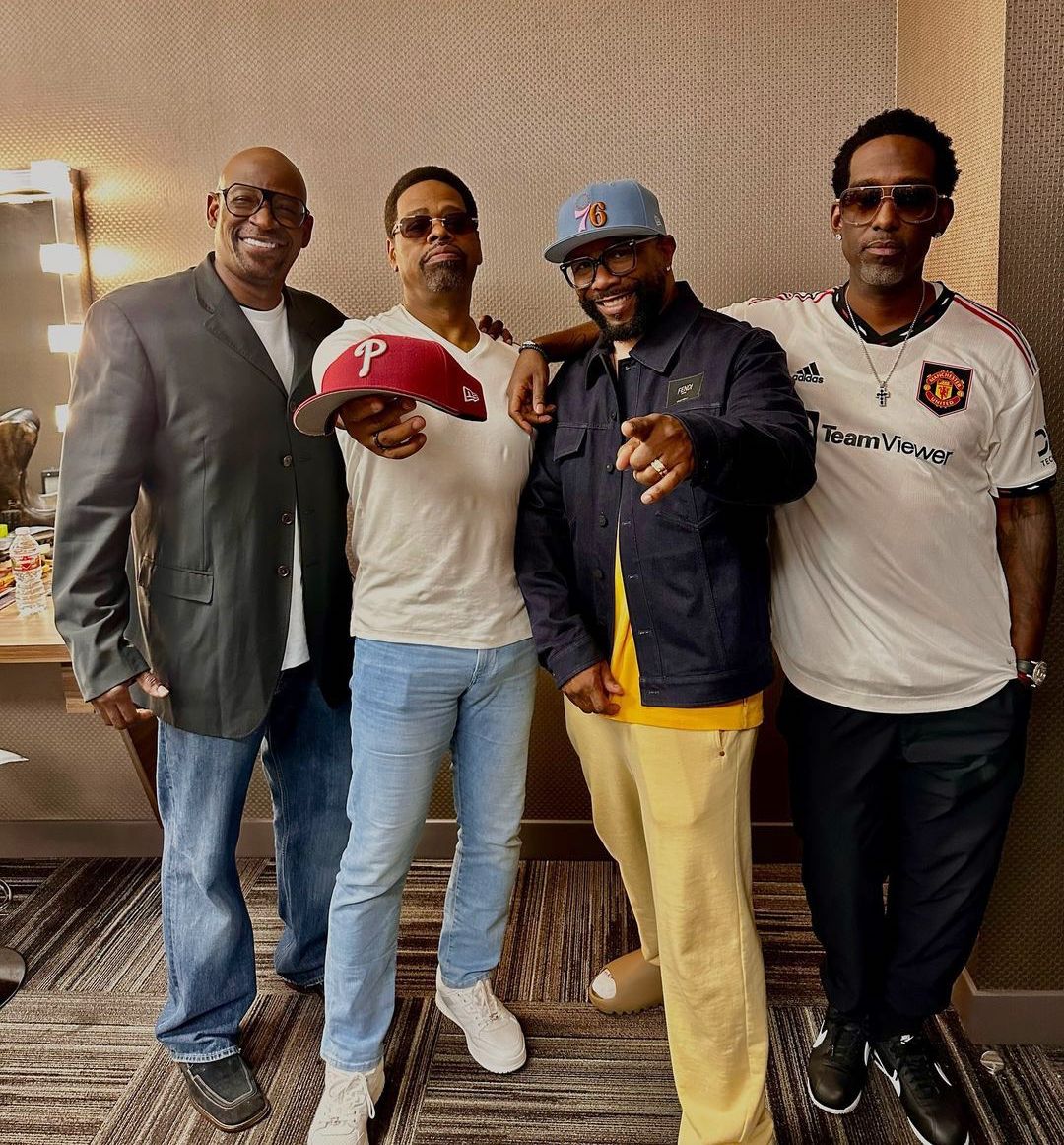
Surviving the loss of a founding member is a feat few brands achieve. The success of Boyz II Men as a trio is a masterclass in “Brand Evolution.” They did not attempt to replace McCary with a new bass singer, which would have been an “Imitation Strategy.” Instead, they leaned into their new reality, rebranding themselves as a sleek, streamlined powerhouse.
Redefining the Visual Signature
The shift from four to three required a complete overhaul of the group’s visual marketing. Group photography, stage blocking, and logo designs had to be reimagined. A trio offers a different visual dynamic than a quartet; it creates a “Triangle of Focus” that can feel more intimate and agile. The group leaned into this, emphasizing their individual personalities more than they had in the 90s. By not filling the empty chair, they signaled to their loyal “Brand Advocates” (the fans) that McCary was irreplaceable, thereby preserving the integrity of the original quartet’s legacy while moving the business forward.
Maintaining Vocal Integrity Without the Bass
The most significant challenge was the “Vocal Product.” How do you maintain a brand built on four-part harmony with only three voices? The group utilized clever arrangement strategies, often using backing tracks for the deep bass frequencies or having the remaining members drop into lower registers during key moments. This preserved the “Sonic Brand” that fans expected. They also shifted their setlists to focus on songs where the absence of the bass was less conspicuous, showing an astute understanding of “Product Portfolio Management.”
Lessons in Brand Longevity and Human Capital
The story of the fourth member of Boyz II Men provides vital lessons for anyone interested in brand strategy and the management of high-value human capital.
Protecting the Intellectual Property of a Name
One reason Boyz II Men survived where other groups failed was their control over their intellectual property (IP). The name “Boyz II Men” is a global trademark. Despite internal disagreements or the departure of a member, the “Brand Authority” remained with the active performers. This allowed them to secure long-term contracts, such as their decade-long residency at the Mirage in Las Vegas. In the business of entertainment, the brand name is often more valuable than any single individual, and the trio’s ability to maintain ownership of that name allowed them to continue generating revenue through touring, licensing, and merchandise.
The Legacy Phase: Nostalgia as a Marketing Tool
In recent years, Boyz II Men has transitioned into the “Legacy Phase” of their brand lifecycle. In this stage, the brand relies on nostalgia—the emotional connection consumers have with their past. For many, the “true” brand will always be the quartet, but the trio has successfully positioned themselves as the “Curators of the Legacy.”
While Michael McCary has remained largely out of the spotlight, his absence is a recurring topic in the group’s brand narrative. Whenever they perform their greatest hits, the “missing bass” serves as a reminder of the brand’s history. Interestingly, the trio has resisted a full “Brand Reunion” for various legal and personal reasons, showing a commitment to their current “Business Model.” They have proven that a brand can be different from its original form and still be “Authentic.”
Conclusion: The Resilience of the Boyz II Men Corporate Identity
What happened to the fourth member of Boyz II Men is a story of human struggle, but the story of the group since his departure is one of brand resilience. Michael McCary’s exit could have signaled the end of the group’s market relevance. Instead, through strategic rebranding, careful management of their vocal product, and an unwavering commitment to their trademark, Nathan, Wanya, and Shawn have kept the Boyz II Men brand alive.
They transitioned from a “Four-Part Harmony” to a “Trio of Excellence,” proving that in the world of professional branding, the ability to adapt to loss is just as important as the ability to manage success. The Boyz II Men case study serves as a reminder that while individuals make a brand, the strategy is what makes it immortal. Even without the deep bass of Michael McCary, the brand continues to resonate, demonstrating that a well-built corporate identity can survive even the most fundamental changes.
aViewFromTheCave is a participant in the Amazon Services LLC Associates Program, an affiliate advertising program designed to provide a means for sites to earn advertising fees by advertising and linking to Amazon.com. Amazon, the Amazon logo, AmazonSupply, and the AmazonSupply logo are trademarks of Amazon.com, Inc. or its affiliates. As an Amazon Associate we earn affiliate commissions from qualifying purchases.