
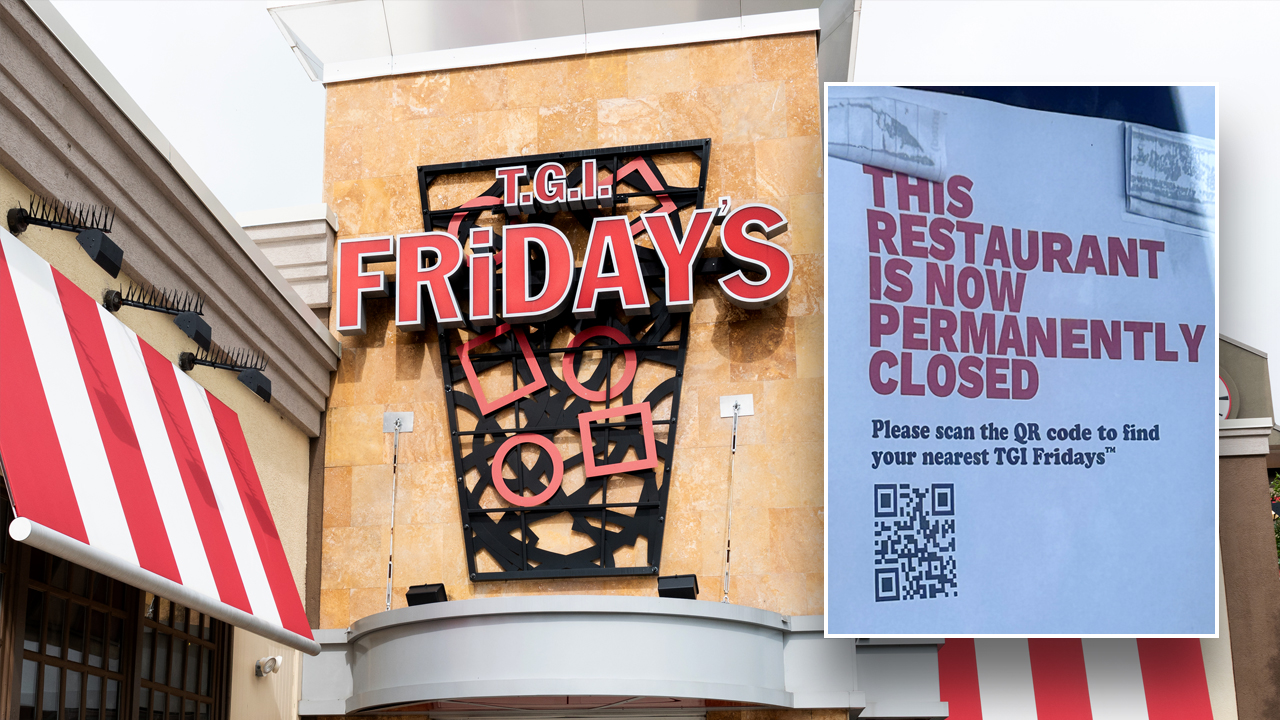
The iconic red-and-white striped awnings of TGI Fridays were once the quintessential symbol of the American casual dining experience. For decades, the brand sat comfortably at the intersection of neighborhood pub culture and accessible family dining. It was a place for office happy hours, first dates, and birthday celebrations. Yet, in recent years, the brand has been marked by a staggering contraction of its physical footprint, a decline in brand relevance, and a complex narrative of corporate restructuring. Understanding the decline of TGI Fridays is a masterclass in the perils of brand stagnation and the unforgiving nature of the modern casual dining landscape.
The Erosion of Brand Identity and Market Positioning
TGI Fridays was built on a foundation of “The Weekend Starts Here.” In the 1980s and 90s, the restaurant’s high-energy decor—cluttered with antiques, memorabilia, and a sense of kitschy nostalgia—served as a differentiator. It felt distinct from the sterile environments of fast-food chains or the more formal settings of traditional sit-down restaurants.
The Problem of Middle-Market Fatigue
The primary challenge facing the brand has been its positioning in the “casual dining middle.” Over the last decade, consumer behavior has shifted dramatically. On one end of the spectrum, fast-casual dining (think Chipotle or Panera) began offering high-quality food with the convenience of a lower price point and faster service. On the other end, boutique local eateries and experiential dining concepts began to satisfy the consumer’s desire for authenticity.
TGI Fridays found itself trapped in the middle. It was too expensive and slow to compete with fast-casual options, yet it lacked the culinary sophistication or unique atmosphere required to justify its price point against modern, trendier competitors. The brand’s identity, once built on being the “go-to” social spot, became increasingly generic. When a brand loses its “why”—the unique reason a consumer should choose it over ten other options on the same block—it becomes a commodity. Once a restaurant becomes a commodity, it can only compete on price, which is a race to the bottom that a legacy chain with high labor and real estate costs is destined to lose.
Failure to Evolve with Culinary Trends
For years, the TGI Fridays menu remained largely static. While competitors were pivoting toward farm-to-table ingredients, specialized dietary options, and elevated craft cocktail programs, TGI Fridays relied on a menu that leaned heavily into fried appetizers and sugary, mass-produced sauces. While these items provided comfort, they failed to keep pace with the evolving palate of the American consumer, particularly among Millennials and Gen Z, who prioritize health, sustainability, and transparency in their food sourcing. By the time the brand attempted to introduce healthier or more modern menu iterations, the perception of the “Friday’s” experience was already anchored in deep-fried convenience, making it difficult to shift the narrative.
Operational Missteps and Financial Turbulence
Beyond the brand image, the structural integrity of the business began to falter. The company underwent several ownership changes, each bringing different philosophies on cost-cutting and expansion. These shifts often led to a lack of cohesion in the customer experience, as individual franchise operators and corporate-owned stores struggled under inconsistent leadership mandates.
The Debt and Divestiture Cycle
Financial performance is the most telling indicator of a brand’s health. TGI Fridays has navigated years of leveraged buyouts and shifting equity partners. These financial maneuvers often necessitate drastic cost-cutting measures. In the hospitality industry, cutting costs frequently translates to deferred maintenance, reduced staffing levels, and lower ingredient quality—all of which are immediately apparent to the patron.
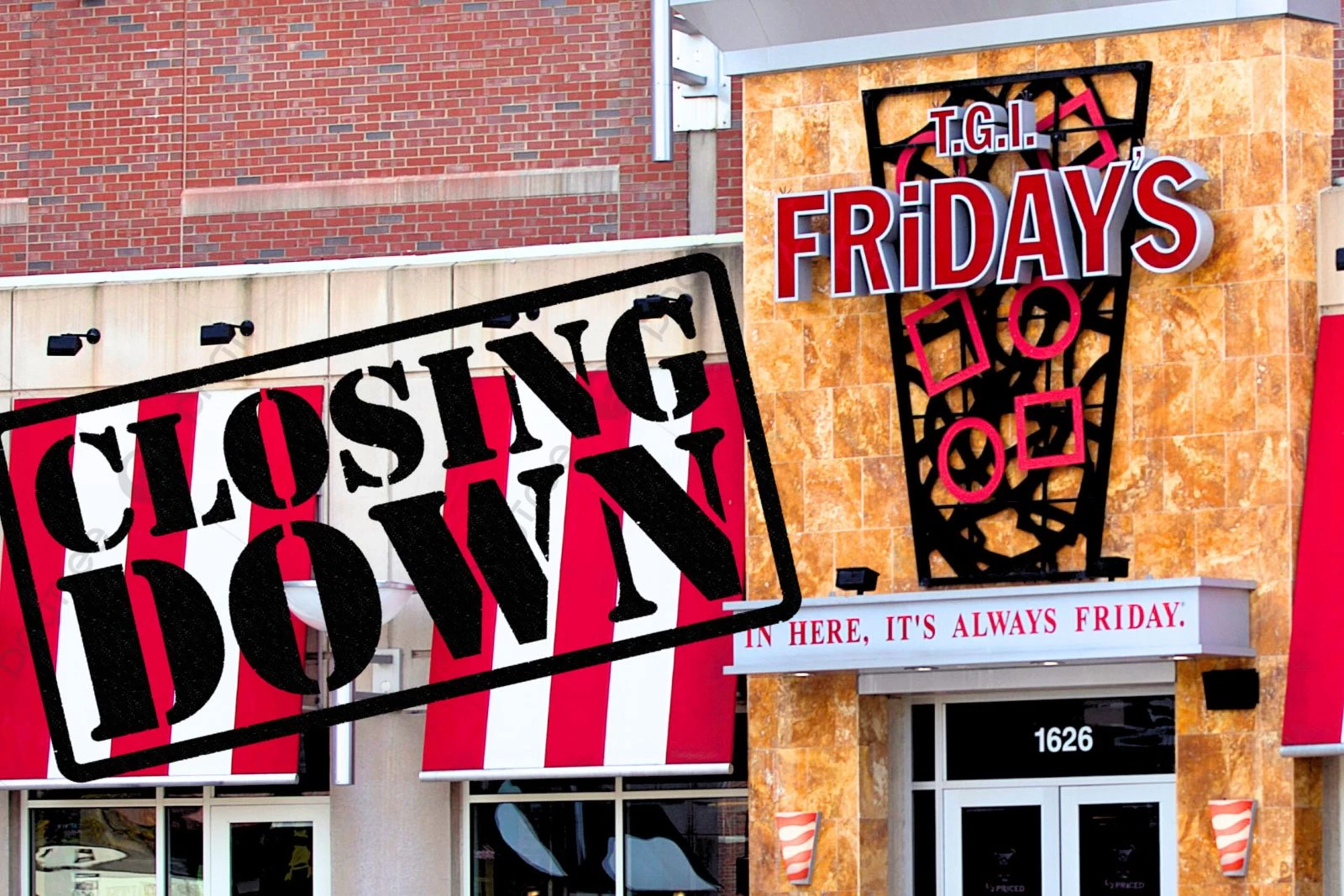
When a brand is burdened by the debt service associated with private equity ownership, there is little capital left for the necessary reinvestment in store remodeling or digital infrastructure. A restaurant that feels “worn out” struggles to command a premium price. Furthermore, the decision to close hundreds of locations in recent years was not merely a strategic downsizing; it was an admission of insolvency in specific territories. These closures created a ripple effect, damaging the brand’s perceived strength and signaling to investors and consumers alike that the ship was taking on water.
The Impact of Technology and Delivery Disruption
The digital revolution hit the casual dining sector harder than most. Third-party delivery apps—DoorDash, UberEats, and Grubhub—fundamentally changed the economics of the restaurant business. TGI Fridays, designed for a high-margin in-store experience that relies on alcohol sales and high-volume table turnover, struggled to adapt to the lower-margin, logistically complex reality of delivery.
While other chains successfully optimized their kitchen layouts for “ghost kitchen” style output, TGI Fridays often found that delivery orders cannibalized their in-person business without providing the necessary profit margins to sustain operations. Furthermore, the brand’s loyalty program and digital ordering platforms were often cumbersome compared to the sleek, user-friendly apps provided by tech-first competitors. The brand lacked a cohesive data strategy that could have allowed it to pivot its marketing to attract a younger demographic through digital engagement.
The Future: Can a Legacy Brand Pivot?
The story of TGI Fridays is not necessarily one of total extinction, but rather one of forced transformation. The brand is currently in a state of drastic reorganization, attempting to shed underperforming assets and focus on markets where it still maintains a loyal customer base.
Strategic Consolidation
The current strategy appears to be one of contraction as a means of survival. By closing underperforming outlets, the company is attempting to stabilize its balance sheet and focus on “flagship” locations. This is a common play in corporate turnarounds: trim the fat, focus on the highest-performing assets, and attempt to refine the experience where it actually works. However, this is a risky strategy. Once a brand retreats, it cedes market share that is rarely recaptured. The challenge is whether the remaining footprint can generate enough cash flow to fund the massive reinvestment required to make the brand “cool” again.
The Challenge of Relevancy
To survive, TGI Fridays must do more than just clean up its balance sheet; it must solve the problem of cultural relevance. It needs to reinvent the “bar and grill” concept for a generation that does not view a chain restaurant as a destination. This requires a fundamental shift in design—moving away from the cluttered, 90s-era aesthetic toward something that feels intentional and localized. It also requires a complete overhaul of the culinary program, moving toward authentic, higher-quality ingredients that don’t just rely on pre-packaged frozen goods.
Furthermore, the brand needs to lean into its legacy as a social hub. In an era of increasing digital isolation, there is a genuine market demand for “third places” where people can gather. If TGI Fridays can pivot from being a generic dining room to a high-end, community-focused social venue, it might find a way to stay relevant. But this requires moving away from the “corporate chain” model that has defined its last twenty years.
Ultimately, what happened to TGI Fridays is the culmination of a decade of neglect—neglect of the product, neglect of the customer experience, and neglect of the brand’s soul. The brand became a victim of its own success, resting on its laurels while the industry moved on. The path forward for any legacy brand in this position is narrow and steep. It requires a level of innovation and risk-taking that is often antithetical to the corporate structures that currently hold the reins. Whether the red-and-white stripes will remain a fixture of the American landscape or fade into the annals of retail history depends entirely on whether leadership can stop managing a decline and start building a new, relevant identity from the ashes of the old one.
aViewFromTheCave is a participant in the Amazon Services LLC Associates Program, an affiliate advertising program designed to provide a means for sites to earn advertising fees by advertising and linking to Amazon.com. Amazon, the Amazon logo, AmazonSupply, and the AmazonSupply logo are trademarks of Amazon.com, Inc. or its affiliates. As an Amazon Associate we earn affiliate commissions from qualifying purchases.