
In the volatile world of celebrity, the trajectory of a career is often dictated by a single archetype. Athletes are expected to remain in sports; action stars are expected to remain in the gym; and comedians are expected to remain on stage. However, if you look at the evolution of Terry Crews over the last two decades, you see more than just a successful actor—you see a masterclass in personal branding and strategic reinvention.
When people ask “what happened to Terry Crews,” they aren’t usually asking about a disappearance. Instead, they are witnessing the results of one of the most successful pivots in modern media history. From an “expendable” NFL player to a comedic powerhouse, and from a victim of industry misconduct to a global symbol of vulnerability and strength, Terry Crews has rewritten the rules of how a public figure manages their corporate identity and personal brand.
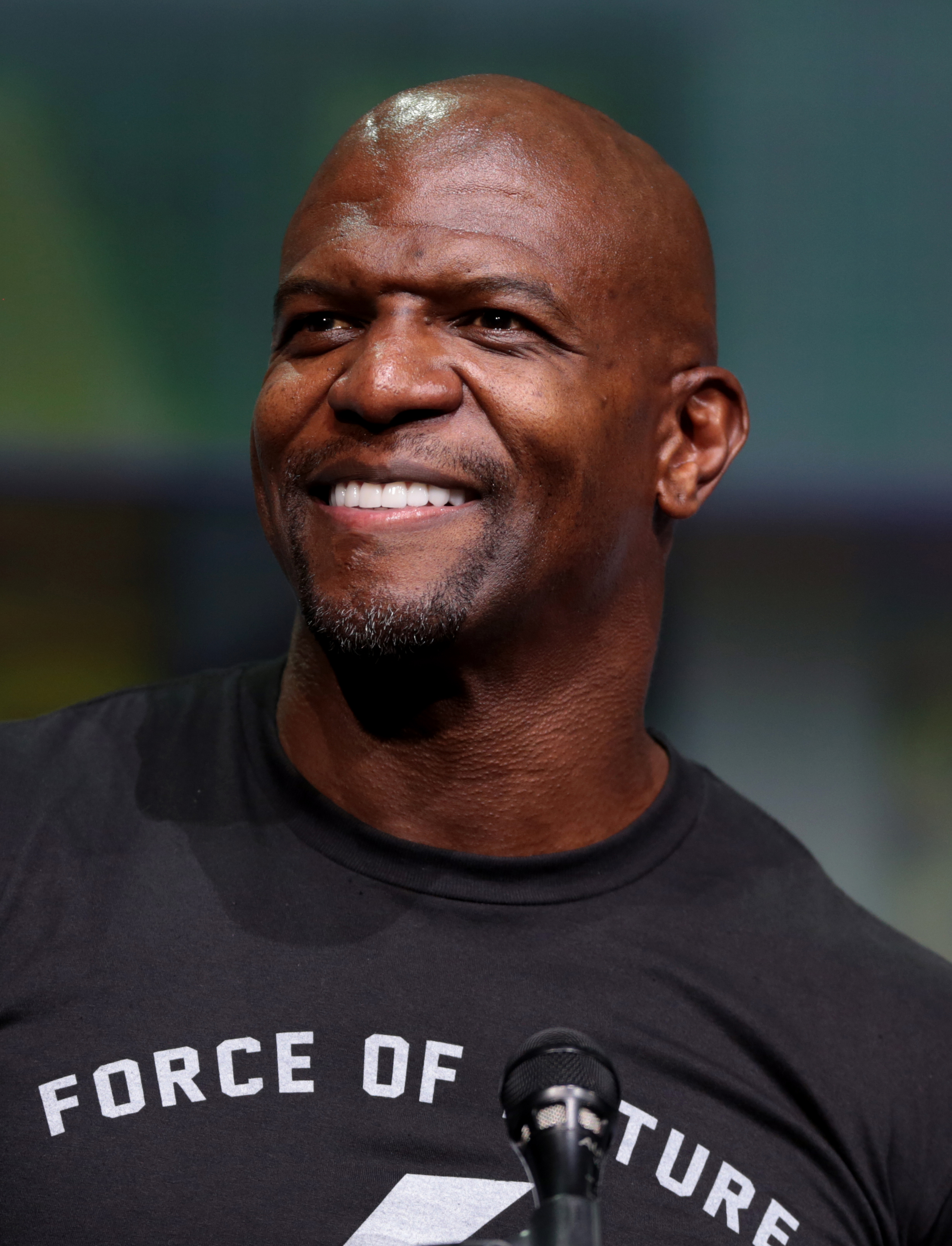
The Evolution of the Terry Crews Brand: From Gridiron to Global Icon
To understand the current strength of the Terry Crews brand, one must look at its origins. The foundation of his public persona was built on the football field, but it was a foundation that offered very little in terms of long-term brand equity.
The NFL Era: The “Expendable” Athlete
During his time in the NFL, Terry Crews was a journeyman. Playing for teams like the Los Angeles Rams, San Diego Chargers, and Washington Redskins, he was often a “bubble player”—someone whose name was low on the roster and easily replaced. In branding terms, he was a commodity. There was no unique value proposition attached to his name beyond his physical utility. This era taught him the fragility of a brand built solely on physical labor. When the “product” (his body) began to age, the market (the NFL) moved on.
Finding the Hook: The Intersection of Comedy and Physique
The first major strategic shift occurred when Crews moved to Los Angeles. He realized that while the market was flooded with muscular men, very few were willing to be the “butt of the joke.” By leaning into self-deprecating humor in films like White Chicks and Friday After Next, he created a new brand niche: the “Intimidating Goofball.” This contrast became his unique selling point (USP). He wasn’t just another action star; he was a subversion of the action star trope.
The Power of Brand Associations: Old Spice and Brooklyn Nine-Nine
A personal brand is often defined by the company it keeps. For Terry Crews, two major partnerships transformed his brand from a recognizable face into a household name and a cultural shorthand for high-energy masculinity.
Redefining Masculinity through High-Energy Performance
The Old Spice “Smell is Power” campaign is arguably one of the most successful rebranding efforts in advertising history. Before Crews (and Isaiah Mustafa), Old Spice was seen as a legacy brand for grandfathers. Crews brought a surrealist, high-octane energy that appealed to younger demographics. By shouting, flexing his pectoral muscles to play drums, and embracing the absurd, he helped Old Spice capture a massive share of the Gen Z and Millennial market. For Crews, this solidified his brand as “unforgettable.” He became the embodiment of viral marketing.
Sgt. Terry Jeffords: Humanizing the Brand
While Old Spice made him a meme, Brooklyn Nine-Nine made him a human. Playing the character of Sgt. Terry Jeffords allowed him to merge his real-life interests—fatherhood, art, and emotional intelligence—with his public persona. This was a strategic “softening” of his brand. In brand management, this is known as “broadening the appeal.” He was no longer just the “crazy guy from the commercials”; he was a nuanced, relatable figure who loved yogurt and his daughters. This transition allowed him to appeal to families and a broader demographic, increasing his marketability for hosting gigs like America’s Got Talent.
Crisis Management and Brand Integrity: The Me Too Movement

The true test of any brand—corporate or personal—is how it handles a crisis. In 2017, Terry Crews became one of the few high-profile men to come forward with his own story of sexual assault within the industry. This was a pivotal moment that could have destroyed a brand built on traditional “tough guy” imagery.
Taking a Stand: Vulnerability as a Brand Asset
By speaking out, Crews took a significant professional risk. However, from a branding perspective, he moved from being a “personality” to a “thought leader.” He pivoted his brand toward advocacy and integrity. He demonstrated that his brand was built on a foundation of truth rather than a manufactured image of invulnerability. This move resonated deeply in a cultural climate that was demanding authenticity. He wasn’t just an entertainer anymore; he was a “Silence Breaker,” a title recognized by Time magazine.
Navigating Backlash and Long-term Trust
Every brand pivot has its detractors. Crews faced criticism from some who felt his story didn’t fit the mold of a “man of his size.” However, his consistent messaging and refusal to back down built long-term brand trust. In the world of marketing, trust is the most expensive currency. By prioritizing his values over immediate corporate safety, he secured a level of loyalty from his audience that most celebrities never achieve.
The Future of the Terry Crews Brand: Diversification and Ownership
A common mistake in personal branding is staying in one lane for too long until the market becomes saturated. Terry Crews has avoided this by diversifying his portfolio into areas that the public might not initially expect, thereby ensuring his brand’s longevity.
Terry Crews the Artist: The Creative Furniture and Design Brand
Many fans were surprised to learn that Crews is an accomplished illustrator and designer. He leveraged this talent into a partnership with Bernhardt Design to create his own furniture line. This moved his brand into the “Luxury and Lifestyle” space. By designing high-end furniture, he signaled to the market that his brand has intellectual and aesthetic depth. He is no longer just a “performer” for hire; he is a “creator” with ownership over his intellectual property.
The Digital Presence: Building Community in the Modern Era
Crews has also embraced the “Tech” side of branding. His foray into the PC gaming community—building his own high-end gaming rig and documenting the process on YouTube—was a masterstroke of community engagement. He didn’t approach it as a paid spokesperson; he approached it as a hobbyist. This “authentic engagement” allowed him to tap into the massive gaming demographic, further diversifying the “Terry Crews” audience and making his brand platform-agnostic.
Lessons for Modern Marketers and Entrepreneurs
What happened to Terry Crews is not a series of accidents; it is a series of calculated, authentic moves that provide a blueprint for anyone looking to build a resilient personal brand.
Authenticity as the Ultimate Competitive Advantage
The most successful brands today are those that feel “human.” Crews’ willingness to share his struggles—including his past addictions and his journey toward emotional health—has made him more than a celebrity. He is a relatable figure. In a world of filtered perfection, his “Brand of Vulnerability” stands out. For entrepreneurs, the lesson is clear: don’t hide your flaws; use them to build a deeper connection with your audience.

The Importance of Strategic Pivot Ability
Crews never allowed himself to be “pigeonholed.” Every time the world thought they had him figured out, he added a new layer. He went from Athlete to Actor, Actor to Comedian, Comedian to Advocate, and Advocate to Designer. This “Pivot Ability” is what keeps a brand relevant in an ever-changing market. If you only have one product or one trick, you are vulnerable to market shifts. By constantly expanding his skill set, Crews ensured that there would always be a demand for his brand in some sector of the economy.
In conclusion, “what happened” to Terry Crews is that he became an institution. He stopped being a person who looks for work and became a brand that people want to work with. His journey from the sidelines of the NFL to the center stage of global culture is a testament to the power of reinvention, the necessity of authenticity, and the strategic management of one’s personal identity. As we look toward the future, the Terry Crews brand remains a gold standard for how to navigate the complexities of fame and business in the 21st century.
aViewFromTheCave is a participant in the Amazon Services LLC Associates Program, an affiliate advertising program designed to provide a means for sites to earn advertising fees by advertising and linking to Amazon.com. Amazon, the Amazon logo, AmazonSupply, and the AmazonSupply logo are trademarks of Amazon.com, Inc. or its affiliates. As an Amazon Associate we earn affiliate commissions from qualifying purchases.