
In the world of entertainment, few brands have managed to occupy the specific, high-energy niche of “comedy rock” as successfully as Tenacious D. For over two decades, the duo—comprising Hollywood heavyweight Jack Black and musician Kyle Gass—built a brand identity rooted in irony, musical virtuosity, and an unwavering “us against the world” brotherhood. However, in mid-2024, the brand faced a sudden and catastrophic rupture following a single sentence uttered on a stage in Sydney, Australia.
The dissolution of the “Spicy Meatball Tour” and the subsequent hiatus of the band offer a profound case study in brand strategy. It highlights the delicate balance between personal expression and corporate identity, the fragility of collaborative brands, and the high stakes of crisis management in a hyper-polarized digital age. To understand what happened to Tenacious D, we must look beyond the headlines and analyze the mechanics of their brand architecture.
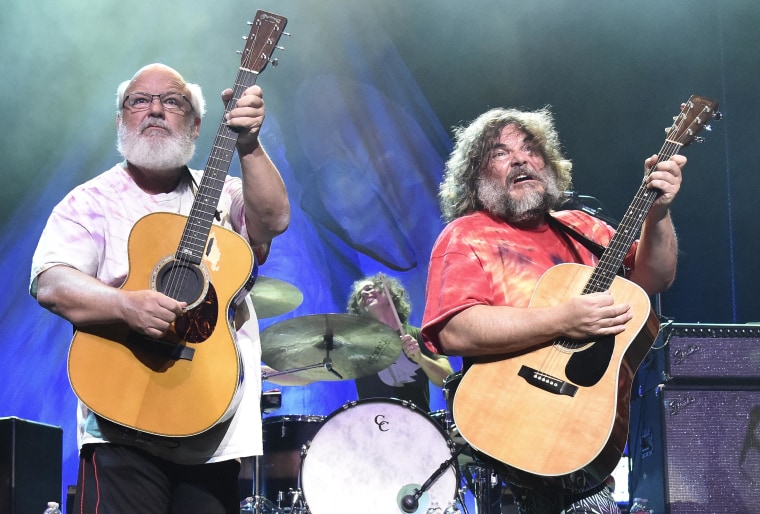
The Anatomy of the Tenacious D Brand
To understand why the fallout was so severe, one must first understand the pillars upon which the Tenacious D brand was built. Unlike traditional rock bands, Tenacious D operated as a “concept brand.” Their identity was a parody of rock-and-roll excess, grounded in the genuine musical talent of its members.
From Cult Duo to Mainstream Icons
The brand’s origin story is a marketer’s dream. Born out of the Los Angeles underground theater scene and refined through a cult-classic HBO series, the “D” (as fans call them) positioned themselves as the “Greatest Band on Earth.” This hyperbolic branding was effective because it was self-aware. By leaning into the absurdity of their ambition, they created a loyal community of fans who felt like they were in on a private joke. Over twenty years, this cult status transitioned into mainstream success, with Grammy wins and a feature film that solidified their place in the cultural zeitgeist.
The Power of Authenticity in Comedic Branding
The core value of the Tenacious D brand was authenticity—specifically, the authentic friendship between Black and Gass. In a branding context, this is known as “Relatable Authority.” They were masters of their craft (the authority) but presented themselves as everyday underdogs (the relatability). This bond was the brand’s greatest asset, making their performances feel less like a commercial product and more like an invitation into their inner circle. However, this reliance on a singular, shared identity also created a significant vulnerability: if one pillar of the brand faltered, the entire structure was at risk of collapse.
The Incident: When Personal Expression Collides with Brand Identity
On July 14, 2024, during a performance at the ICC Sydney Theatre, the brand faced its ultimate stress test. It was Kyle Gass’s birthday, and when prompted to make a wish while blowing out his candles, he remarked, “Don’t miss Trump next time,” referring to the assassination attempt on the former U.S. President that had occurred just hours earlier.
The Sydney Comment and Immediate Fallout
From a brand strategy perspective, the comment was a “Black Swan” event—an unpredictable incident with severe consequences. The remark went viral instantly, transcending the comedy-club atmosphere of the concert and entering the global political arena. The backlash was swift, not just from the public but from political figures in Australia and the United States.
The immediate fallout was a textbook example of “Brand Contagion.” Because Tenacious D is a two-person brand, Gass’s individual comment was immediately attributed to the duo as a whole. In the eyes of the public and the media, there was no distinction between the individual and the corporate identity of the band.
Why the “Joke” Failed the Brand Stress Test
In comedy, branding often allows for a wider “latitude of acceptance”—fans expect a certain level of edge or controversy. However, Tenacious D’s brand, while irreverent, was never primarily political. Their brand equity was built on “fun,” “absurdity,” and “rock mythology.” By veering into highly charged, violent political rhetoric, the brand violated its own implicit promise to its audience. The “joke” didn’t just offend a demographic; it fundamentally altered the brand’s positioning from “inclusive comedic rock” to “partisan political liability.”
Crisis Management and the “Pivot to Protection”
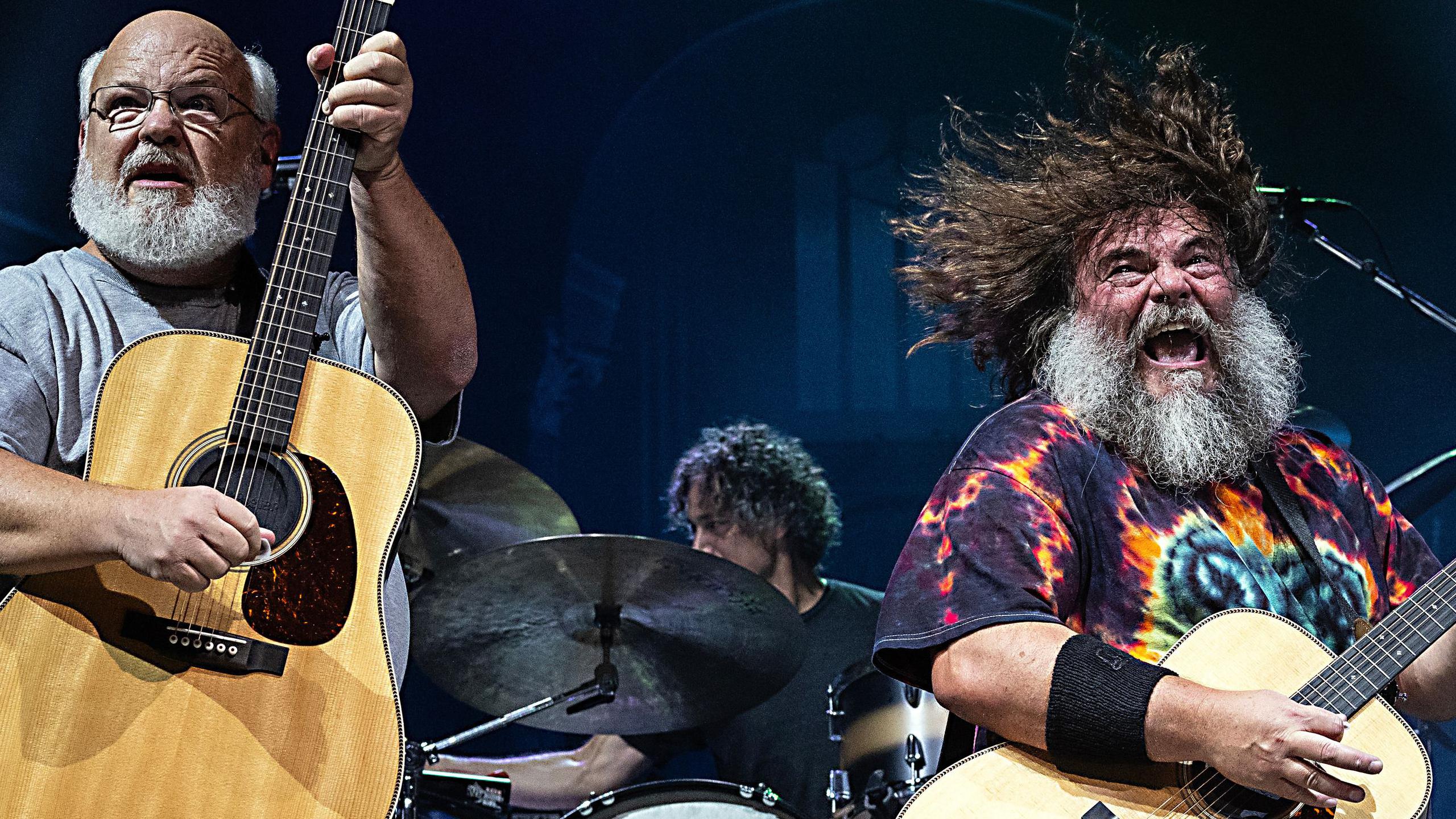
The reaction from the band’s leadership—specifically Jack Black—was a masterclass in swift, albeit painful, brand protection. Within 48 hours, Black released a statement expressing that he was “blindsided” by the comment and announced the cancellation of the remainder of the tour and the suspension of all future creative plans for the band.
Jack Black’s Strategic Disassociation
To understand Jack Black’s response, one must look at his “Brand Portfolio.” Black is not just one-half of Tenacious D; he is a multi-billion-dollar Hollywood asset. With leading roles in family-friendly franchises like Kung Fu Panda, The Super Mario Bros. Movie, and Jumanji, Black’s personal brand is heavily integrated with corporate giants like Disney, Nintendo, and Universal.
His decision to distance himself was a “Pivot to Protection.” Had he remained silent or offered a lukewarm defense, the “brand toxicity” from Tenacious D could have leaked into his other, more lucrative ventures. In corporate branding, this is known as “firewalling”—sacrificing a subsidiary brand to prevent the destruction of the parent brand.
The Impact on Long-term Brand Equity
While the immediate cancellation of the tour mitigated further PR damage, it dealt a heavy blow to the brand’s long-term equity. The abrupt halt left fans, promoters, and crew members in a state of flux. From a brand loyalty perspective, this was a moment of friction. The very “brotherhood” that defined the brand appeared to vanish overnight, replaced by corporate-style damage control. This shift from “rebel rockers” to “risk-averse professionals” was a necessary but jarring transition for their core audience.
Lessons for Modern Personal Brands and Influencers
The Tenacious D story serves as a cautionary tale for modern creators, influencers, and personal brands. In an era where “the personal is the professional,” the boundaries between an individual’s private thoughts and their public brand are thinner than ever.
The Danger of “The Unfiltered Brand”
Many modern brands pride themselves on being “unfiltered” or “authentic.” However, the Tenacious D incident proves that total lack of filter is a liability, not an asset, once a brand reaches a certain scale. For a brand to survive in the long term, it must have a “Crisis Response Framework” in place. This doesn’t mean being corporate and boring; it means understanding the “Brand Boundaries”—the lines that, if crossed, would alienate the stakeholders necessary for the brand’s survival (investors, distributors, and a broad audience base).
Balancing Multi-Hyphenate Identities
The conflict between Jack Black’s “Tenacious D persona” and his “Hollywood persona” highlights the difficulty of managing multi-hyphenate identities. For professionals who manage multiple sub-brands, it is crucial to ensure that the values of one do not fundamentally sabotage the other. When these identities inevitably clash, the brand manager must prioritize the “Anchor Brand”—the one that provides the most significant long-term value and stability.
The Future of Tenacious D: Can the Brand Be Rebuilt?
As of late 2024, the Tenacious D brand remains in a state of “suspended animation.” While the hiatus is a blow to the fans, it is also a strategic move in the world of brand recovery.
The “Cooling Off” Period as a Strategic Tool
In crisis management, time is often the most effective tool. By withdrawing from the public eye, the brand allows the news cycle to move on and the emotional intensity of the controversy to dissipate. This “Cooling Off” period is essential for any brand looking to attempt a “Rebranding Launch” in the future. It provides the space necessary for the principals to reconcile and for the public to move from a state of “outrage” to “nostalgia.”
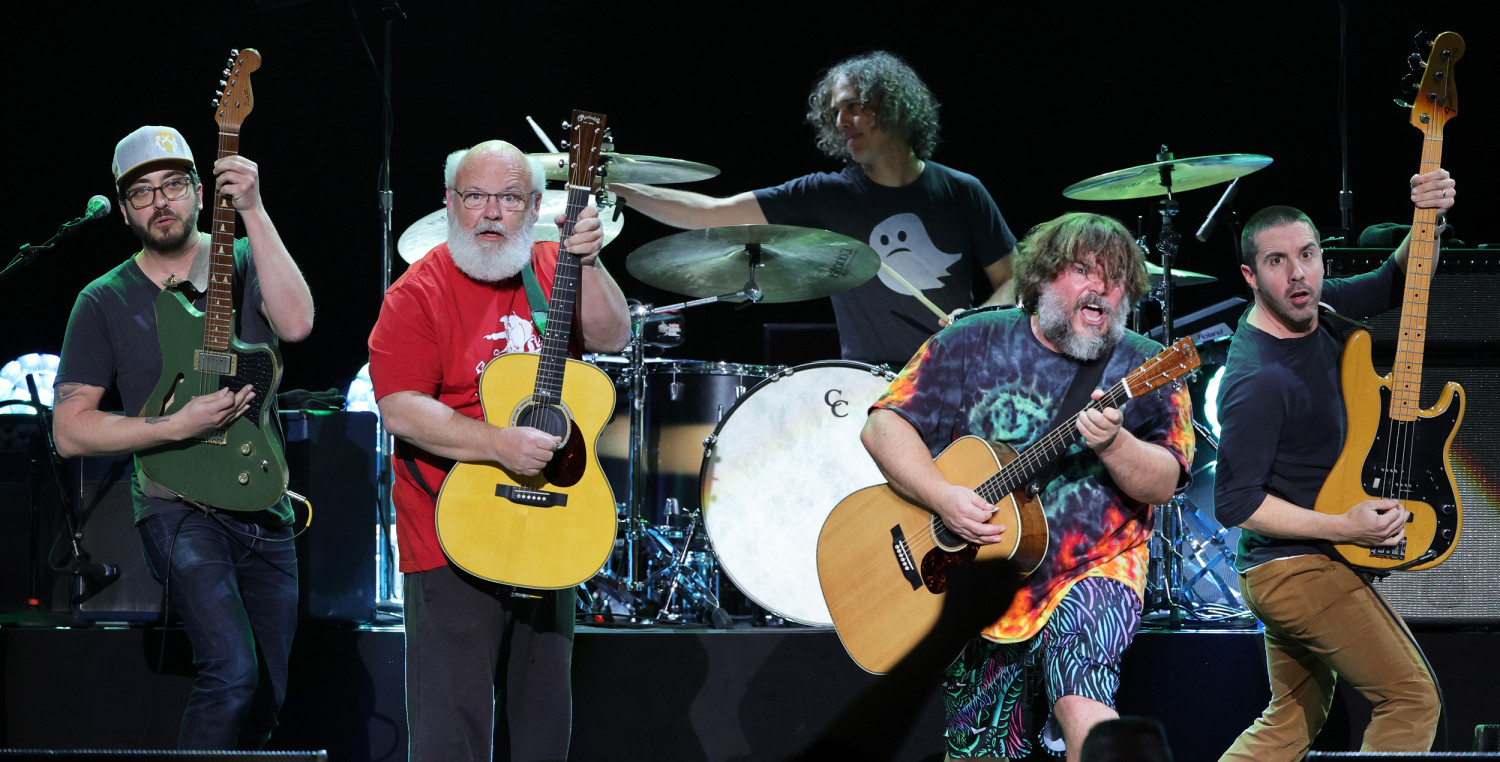
The Path to Brand Resurgence
If Tenacious D is to return, the brand will likely undergo a “Repositioning.” This might involve a more mature approach to their comedy or a clear separation between their stage personas and their personal political views. The path to resurgence will require a “Trust Rebuilding” phase, where the duo proves that the core value of their brand—their friendship—is still intact.
The story of “what happened to Tenacious D” is not just about a joke gone wrong; it is an illustration of the complexities of modern branding. It reminds us that even the most established brands are only as strong as their most recent public interaction. In the intersection of culture, celebrity, and corporate interests, the margin for error is razor-thin, and the cost of a misstep can be the dissolution of a twenty-year legacy. For now, the “Greatest Band on Earth” serves as a powerful reminder that in the world of branding, the higher you climb, the more careful you must be of where you step.
aViewFromTheCave is a participant in the Amazon Services LLC Associates Program, an affiliate advertising program designed to provide a means for sites to earn advertising fees by advertising and linking to Amazon.com. Amazon, the Amazon logo, AmazonSupply, and the AmazonSupply logo are trademarks of Amazon.com, Inc. or its affiliates. As an Amazon Associate we earn affiliate commissions from qualifying purchases.