
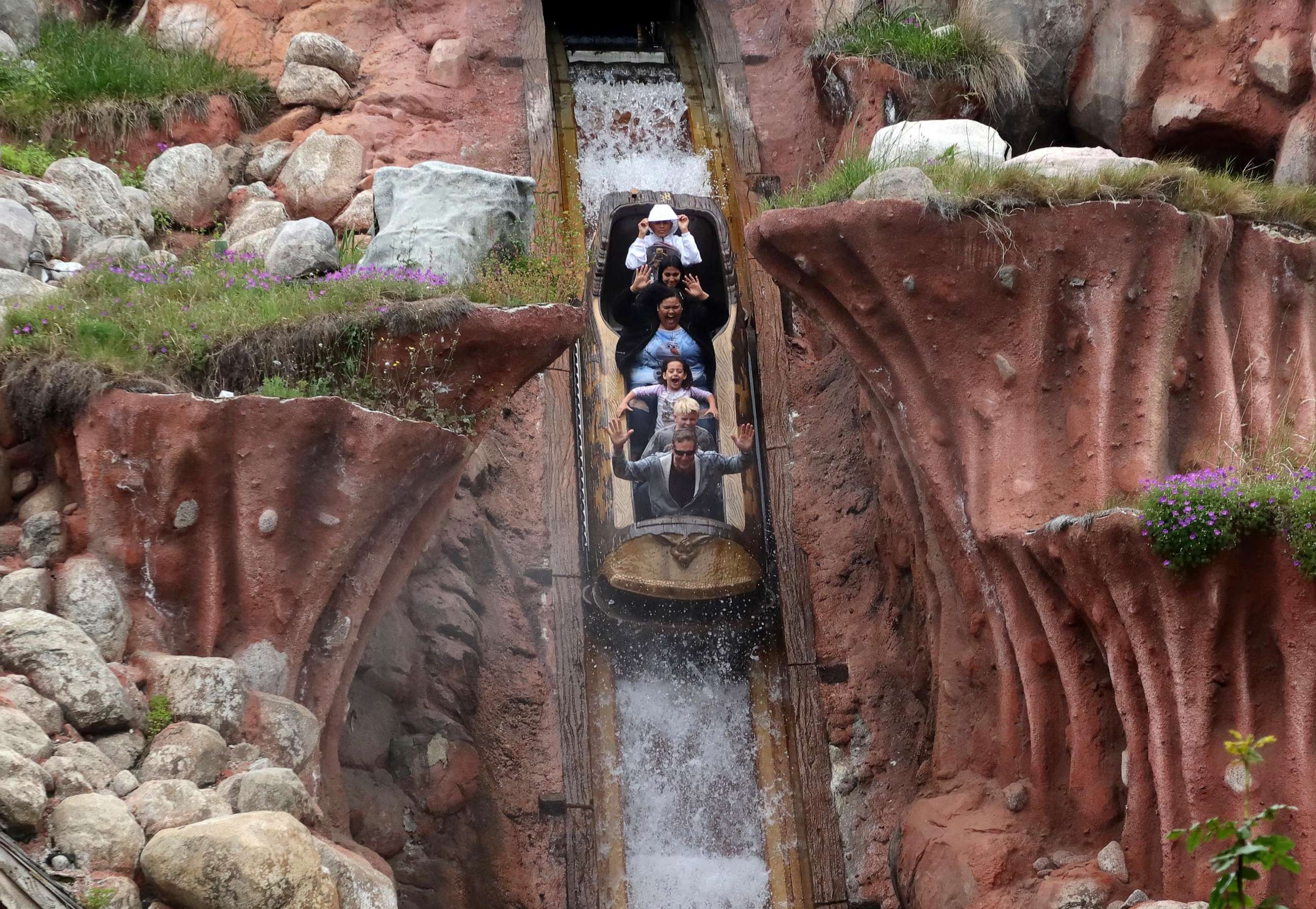
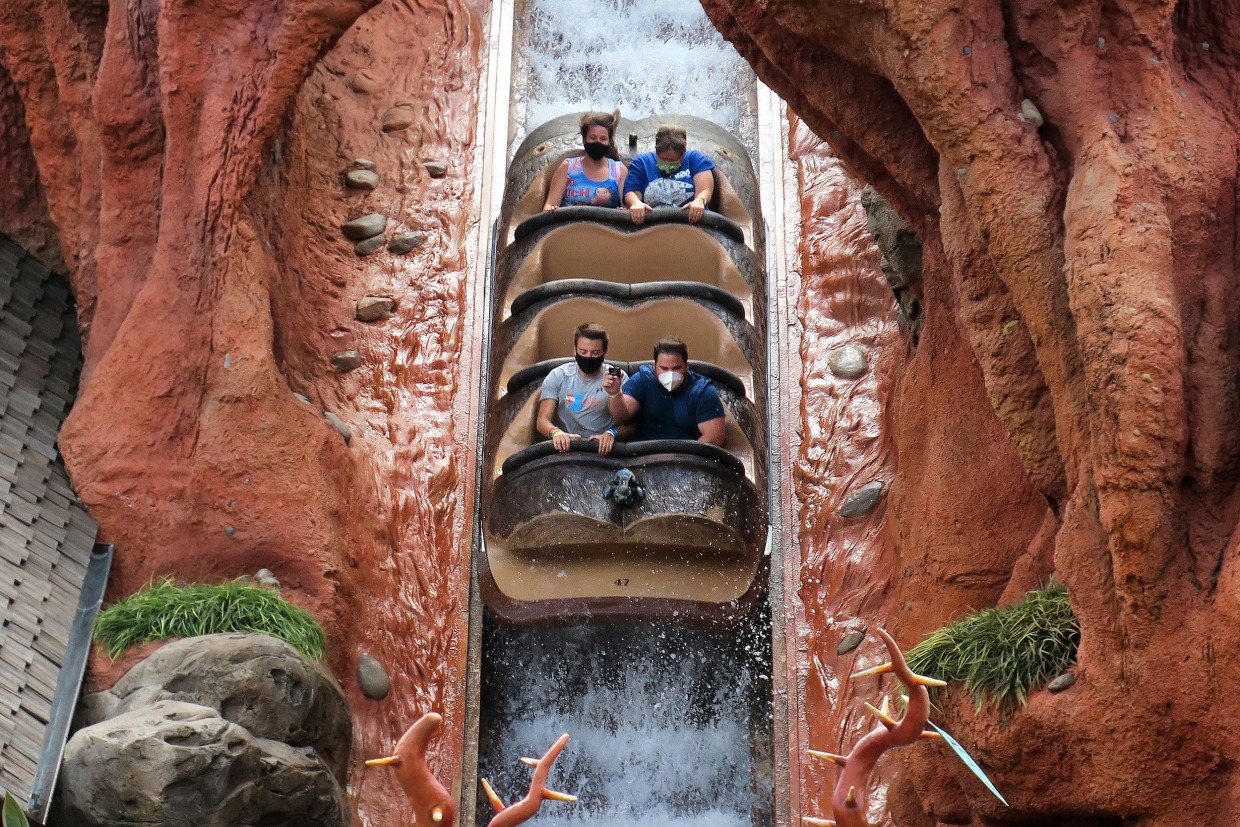
The iconic log flume ride, Splash Mountain, a beloved attraction for generations of Disney park visitors, has undergone a significant transformation. While the physical structure and the thrilling drop remain, the narrative and theming that once defined it have been meticulously reimagined. This shift is not merely a cosmetic update; it represents a strategic evolution in brand identity, a testament to the power of storytelling, and a calculated response to evolving societal values. Understanding “what happened to Splash Mountain” requires a comprehensive analysis of the underlying brand strategy, the motivations behind the change, and the implications for Disney’s broader brand narrative.

The Genesis of a Brand Icon and the Seeds of Change
Splash Mountain, which first opened its gates in Disneyland in 1989 and later in Walt Disney World in 1992, was a bold undertaking. It brought to life the animated world of “Song of the South,” a film that, by the time of the ride’s inception, was already a controversial piece of cinema. The ride’s vibrant depiction of the American South, its catchy songs, and its immersive experience made it a cornerstone of Disney’s theme park offerings. However, the very source material that inspired it held problematic elements that, over time, became increasingly difficult to reconcile with Disney’s modern brand ethos.
The Allure and the Unsettling: Balancing Nostalgia and Progress
For decades, Splash Mountain thrived on its ability to transport guests to a seemingly idyllic, albeit fictionalized, version of the Deep South. The characters of Br’er Rabbit, Br’er Fox, and Br’er Bear, along with the memorable tunes like “Zip-a-Dee-Doo-Dah,” captivated audiences. The ride’s success was a testament to Disney’s mastery of creating engaging, sensory experiences. However, the underlying narrative of “Song of the South” has long been a subject of criticism. Concerns about its romanticized portrayal of post-Civil War plantation life, its racial caricatures, and its perpetuation of racial stereotypes cast a long shadow over the attraction.
As societal awareness and expectations around representation and historical accuracy evolved, the dissonance between the ride’s content and Disney’s stated commitment to inclusivity became more apparent. What was once viewed as a charming, albeit dated, depiction, began to be seen by many as an endorsement of a problematic past. This growing disconnect presented a significant brand challenge for The Walt Disney Company. Maintaining an attraction that was increasingly perceived as insensitive risked alienating a significant portion of its audience and undermining its carefully cultivated image as a forward-thinking, family-friendly entertainment giant.
The Business Imperative: Brand Relevance in a Shifting Landscape
The decision to retheme Splash Mountain was not solely driven by social pressure; it was also a strategic business decision aimed at ensuring long-term brand relevance and appeal. In the competitive landscape of theme park entertainment, continuous innovation and adaptation are crucial. Brands that fail to evolve risk becoming stagnant and losing their connection with contemporary audiences, particularly younger generations who may be more attuned to issues of representation and social justice.
Disney, as a global brand with a vast and diverse customer base, has a vested interest in projecting an image that resonates with a wide spectrum of consumers. The company has actively strived to showcase its commitment to diversity and inclusion in its films, television shows, and park experiences. Allowing a flagship attraction to remain rooted in a narrative widely considered problematic would have created a significant brand contradiction. The financial implications of such a contradiction could be substantial, potentially impacting attendance, merchandise sales, and overall brand loyalty. Therefore, the retheming represented a proactive step to align its physical attractions with its evolving brand values and to secure its position as a leader in inclusive entertainment.
The Transformation: Embracing a New Narrative for a Modern Audience
The replacement of Splash Mountain with “Tiana’s Bayou Adventure” marks a significant turning point. This transformation is not merely a surface-level change; it is a fundamental reimagining of the attraction’s narrative and its thematic core. The decision to base the new ride on “The Princess and the Frog,” a film celebrated for its groundbreaking portrayal of Disney’s first African American princess, is a deliberate and powerful strategic move.
From Critiqued Past to Celebrated Future: The “Princess and the Frog” Connection
“The Princess and the Frog,” released in 2009, was a critical and commercial success, lauded for its vibrant animation, its jazz-infused soundtrack, and its inspiring story of Tiana, an ambitious and hardworking young woman pursuing her dreams in 1920s New Orleans. The film’s setting in a rich cultural milieu, its focus on community, and its themes of perseverance and self-reliance offered a wealth of material for a new theme park attraction.
The decision to connect the rethemed ride to Tiana’s story was a strategic choice that addressed multiple brand objectives. Firstly, it allowed Disney to shed the problematic legacy of “Song of the South” and replace it with a narrative that is widely embraced and celebrated for its positive representation and its inspiring themes. Secondly, it provided an opportunity to create a wholly new and immersive experience that could capture the imagination of a new generation of parkgoers. The vibrant culture of New Orleans, with its music, food, and distinctive architecture, offered a rich palette for designers and imagineers to draw upon.
Immersive Storytelling: Crafting an Engaging and Inclusive Experience
The development of “Tiana’s Bayou Adventure” involved extensive research and collaboration to ensure an authentic and engaging guest experience. The imagineers tasked with the project delved deep into the lore and atmosphere of “The Princess and the Frog,” meticulously recreating elements from the film to create a believable and captivating environment. This included not only visual aesthetics but also auditory elements, such as music and sound effects, to further immerse guests in Tiana’s world.
The narrative of “Tiana’s Bayou Adventure” picks up where the film left off, with Tiana and her prince Naveen hosting a Mardi Gras party. Guests are invited to join them on an adventure through the Louisiana bayou, encountering familiar characters and experiencing the vibrant spirit of the region. This approach allows Disney to leverage the established affection for Tiana and her story while also introducing new elements and expanding upon the existing narrative. The focus is on celebrating community, music, and the joy of discovery, all themes that resonate strongly with Disney’s family-friendly brand image. The careful attention to detail in crafting this new narrative is a testament to Disney’s commitment to immersive storytelling, a cornerstone of its theme park success.
The Broader Implications: Brand Evolution and the Future of Themed Entertainment
The transformation of Splash Mountain into “Tiana’s Bayou Adventure” is more than just the rebranding of a single attraction; it is indicative of a larger trend within the theme park industry and a testament to the evolving nature of brand management in the 21st century. Companies are increasingly recognizing the importance of aligning their public image with their core values and ensuring that their offerings resonate with a diverse and socially conscious audience.
Navigating Public Perception and Brand Integrity
The decision to retheme Splash Mountain was undoubtedly influenced by public discourse and evolving societal expectations. In the age of social media and instant communication, brands are under greater scrutiny than ever before. Negative perceptions or controversies can spread rapidly, impacting brand reputation and consumer trust. For a company like Disney, which relies heavily on goodwill and positive associations, proactively addressing potential brand liabilities is a critical aspect of its long-term strategy.
By acknowledging the concerns surrounding “Song of the South” and undertaking a comprehensive retheming, Disney demonstrated a willingness to listen to its audience and to adapt its offerings to reflect contemporary values. This move, while potentially alienating a segment of its traditional fanbase who held nostalgic attachments to the original ride, was a strategic necessity to maintain and enhance its broader brand appeal. It signaled a commitment to progress and inclusivity, reinforcing its image as a responsible and forward-thinking entertainment provider.
The Future of Themed Entertainment: Storytelling, Inclusion, and Adaptability
The success of “Tiana’s Bayou Adventure” will likely serve as a case study for other theme park operators and entertainment companies grappling with similar challenges. The trend towards retheming attractions based on more contemporary and inclusive narratives is likely to continue. This is not about erasing history but about carefully selecting the stories and characters that are celebrated and presented to the public.
The future of themed entertainment lies in its ability to create immersive experiences that are not only entertaining but also meaningful and relevant to today’s audiences. This requires a deep understanding of cultural shifts, a commitment to diverse storytelling, and the flexibility to adapt and evolve. Disney’s decision to transform Splash Mountain highlights the power of strategic brand evolution, demonstrating that even the most beloved icons can be reimagined to better reflect the values of a modern world, ensuring their continued relevance and appeal for generations to come.
aViewFromTheCave is a participant in the Amazon Services LLC Associates Program, an affiliate advertising program designed to provide a means for sites to earn advertising fees by advertising and linking to Amazon.com. Amazon, the Amazon logo, AmazonSupply, and the AmazonSupply logo are trademarks of Amazon.com, Inc. or its affiliates. As an Amazon Associate we earn affiliate commissions from qualifying purchases.