
For decades, the name Sony was synonymous with the future. In the late 20th century, to own a Sony product was to possess a piece of high-design engineering that functioned as a status symbol. From the revolutionary portable tunes of the Walkman to the dominant clarity of Trinitron televisions, Sony didn’t just participate in markets; it defined them. However, the dawn of the 21st century brought a period of perceived stagnation and a loss of market leadership that left many asking: what happened to Sony?
The answer is not a story of failure, but rather one of a profound and painful metamorphosis. Sony did not disappear; it retreated, recalibrated, and reinvented its brand identity. By shifting from a hardware-centric “gadget” company to a diversified entertainment and component powerhouse, Sony executed one of the most complex corporate turnarounds in modern history. This evolution provides a masterclass in brand strategy, illustrating how a legacy giant can survive the disruption of its core business by leveraging its intangible assets.

The Genesis of Innovation and the Burden of Legacy
To understand Sony’s trajectory, one must look at its origins as a pioneer of miniaturization and high-end consumer electronics. Founded in the aftermath of World War II, Sony’s brand was built on the ethos of “doing what has never been done before.” For forty years, this strategy was incredibly successful. The brand came to represent a unique blend of Japanese precision and Western-style marketing flair.
The Walkman Era and Cultural Dominance
The Walkman, released in 1979, was perhaps the most significant brand milestone in Sony’s history. It didn’t just sell units; it changed human behavior. It established Sony as a “lifestyle” brand long before that term became a marketing cliché. During this era, Sony enjoyed a “brand premium”—consumers were willing to pay significantly more for a Sony product than for a technically similar product from RCA or Panasonic because the Sony name stood for a specific kind of aspirational cool.
The Hubris of Proprietary Ecosystems
Success, however, bred a dangerous level of corporate hubris. Sony began to believe that its brand was powerful enough to force the entire industry to adopt its proprietary standards. This led to the “format wars,” most notably Betamax versus VHS. While Betamax was technically superior, Sony’s refusal to license the technology effectively or adapt to consumer needs for longer recording times led to its downfall. This pattern repeated with the Memory Stick, the MiniDisc, and the Universal Media Disc (UMD). The brand identity became increasingly associated with “closed” systems that frustrated users, marking the first cracks in its relationship with the global consumer base.
The Decade of Disruption: Navigating the Digital Transition
The transition from analog to digital in the early 2000s caught Sony off guard. Despite having all the pieces of the puzzle—music labels, a movie studio, and a world-class electronics division—Sony could not put them together. This period is often cited by brand strategists as a classic case of “siloization,” where internal competition prevented the synergy required to fight off new, agile competitors like Apple and Samsung.
The iPod Moment and the Failure of Synergy
The most famous example of Sony’s brand struggle was its failure to respond to the iPod. Sony had invented the portable music category, yet it allowed a computer company to dominate the digital music era. The reason was internal brand conflict: Sony’s electronics division wanted to build a digital music player, but Sony’s music division feared that such a device would encourage piracy. The result was a series of lackluster products hampered by “Digital Rights Management” (DRM) software that was nearly impossible to use. The Sony brand, once the hallmark of user-friendly innovation, was suddenly seen as out of touch and defensive.
The TV Market and the Loss of Premium Status
Simultaneously, Sony lost its grip on the television market. Having invested heavily in CRT technology (Trinitron) for too long, they were late to the flat-panel LCD revolution. Brands like Samsung and LG, which were once considered “budget” alternatives, moved into the premium space that Sony had occupied for decades. Sony’s brand identity suffered a “mid-market squeeze.” It was no longer the undisputed king of quality, and it couldn’t compete on the sheer scale and price of its South Korean and Chinese rivals. By the late 2000s, the electronics division was hemorrhaging billions of dollars, and the brand was in a state of identity crisis.

The Kaz Hirai Era: Implementing the “One Sony” Strategy
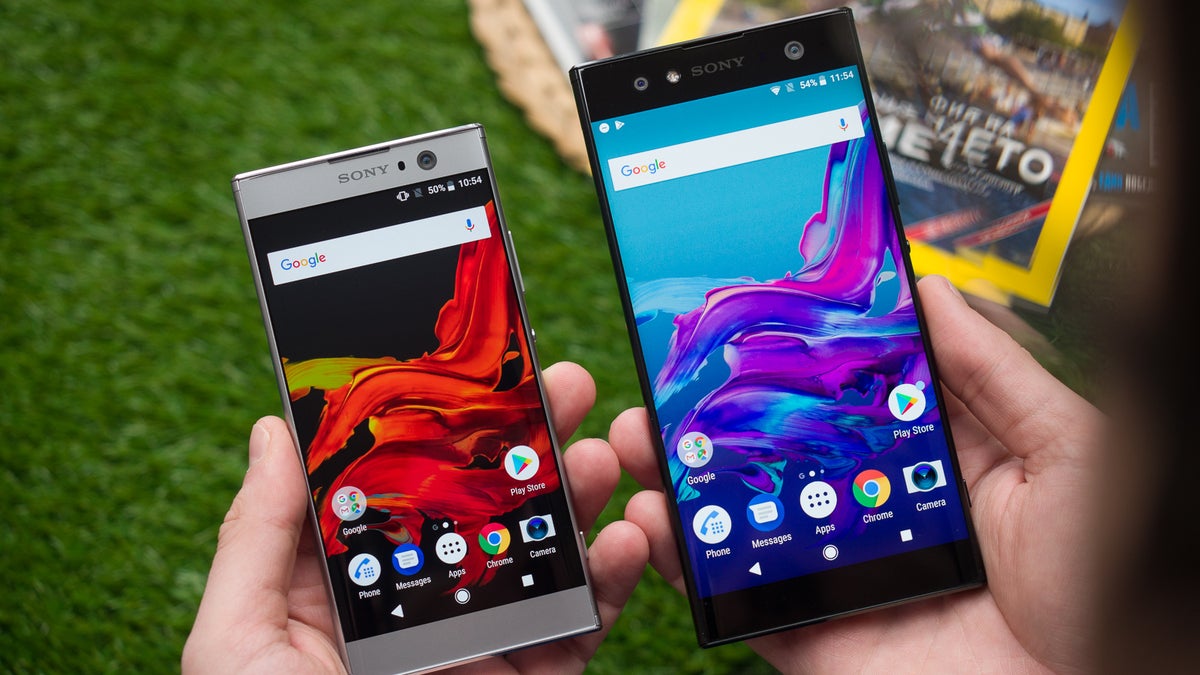
The appointment of Kazuo Hirai as CEO in 2012 marked the turning point. Hirai recognized that Sony could no longer be everything to everyone. He launched the “One Sony” strategy, which was a radical brand consolidation effort. The goal was to strip away the underperforming parts of the business and focus on three core pillars: Imaging, Gaming, and Mobile.
Consolidating the Portfolio
Under Hirai, Sony made the difficult decision to sell off its Vaio PC business and spin off its television division into a separate subsidiary. This was a strategic move to protect the core Sony brand from the volatility of low-margin commodity hardware. By narrowing the focus, Sony began to regain its reputation for excellence. They stopped chasing volume and started chasing value, a key shift in their brand positioning.
PlayStation as the Brand’s North Star
While the electronics division struggled, the PlayStation brand became the company’s most valuable asset. PlayStation managed to do what the rest of Sony could not: build a loyal, recurring community of users. The success of the PS4 and PS5 redefined Sony not as a company that sells boxes, but as a company that sells experiences. The gaming division became the blueprint for the entire company’s brand strategy—focusing on high-quality exclusive content to drive hardware sales, rather than the other way around.
The Pivot to Intellectual Property and Sensory Technology
Today, if you ask “what happened to Sony,” the answer is that they have become the world’s premier “Creative Entertainment Company with a Solid Foundation of Technology.” This is a significant departure from being a “Consumer Electronics” company. Sony’s brand is now built on the pillars of Intellectual Property (IP) and professional-grade components.
Becoming a Content Powerhouse
Sony is now one of the world’s largest owners of content. Through Sony Music, Sony Pictures, and the acquisition of anime giant Crunchyroll, the company has positioned itself as an essential partner in the streaming era. Unlike Disney or Netflix, Sony does not aim to own the delivery platform for everything; instead, it acts as the “arms dealer” of the streaming wars, licensing its massive library of IP to the highest bidder. This brand strategy is less visible to the average consumer but vastly more profitable and stable than selling televisions.
The CMOS Revolution and Professional Credibility
In the hardware space, Sony pivoted from mass-market gadgets to “the heart of the machine.” Sony now dominates the global market for CMOS image sensors. Even if a consumer doesn’t own a Sony phone or camera, they are likely using Sony technology every time they take a photo with an iPhone or a high-end Android device. Furthermore, Sony’s Alpha series of cameras has successfully disrupted the professional photography market, dethroning long-time leaders Canon and Nikon. This re-established the Sony brand as the choice for professionals and “prosumers,” moving the identity back to its roots of high-end, premium engineering.
Legacy Reimagined: What Today’s Sony Teaches Modern Brands
Sony’s journey over the last two decades offers vital lessons in corporate identity and brand resilience. The company survived by recognizing that a brand’s value is not tied to a specific product, but to a core competency. For Sony, that competency was the “kando”—a Japanese word meaning emotional involvement or the power to move people.
The “new” Sony is a leaner, more focused entity. It has accepted that it will never again be the dominant force in every living room, and it has replaced that ego-driven goal with a strategic focus on segments where it can maintain a high-margin, premium position. By embracing its role as a content creator and a critical component supplier, Sony has decoupled its brand value from the fickle consumer electronics cycle.
In the end, what happened to Sony is a successful transition from a 20th-century hardware manufacturer to a 21st-century ecosystem. It is a brand that learned the hard way that innovation without synergy is a recipe for decline, but that a strong legacy, when pruned and redirected, can bloom in entirely new directions. Sony didn’t lose its way; it found a new one, trading the ubiquity of the past for the strategic indispensability of the future.
aViewFromTheCave is a participant in the Amazon Services LLC Associates Program, an affiliate advertising program designed to provide a means for sites to earn advertising fees by advertising and linking to Amazon.com. Amazon, the Amazon logo, AmazonSupply, and the AmazonSupply logo are trademarks of Amazon.com, Inc. or its affiliates. As an Amazon Associate we earn affiliate commissions from qualifying purchases.