
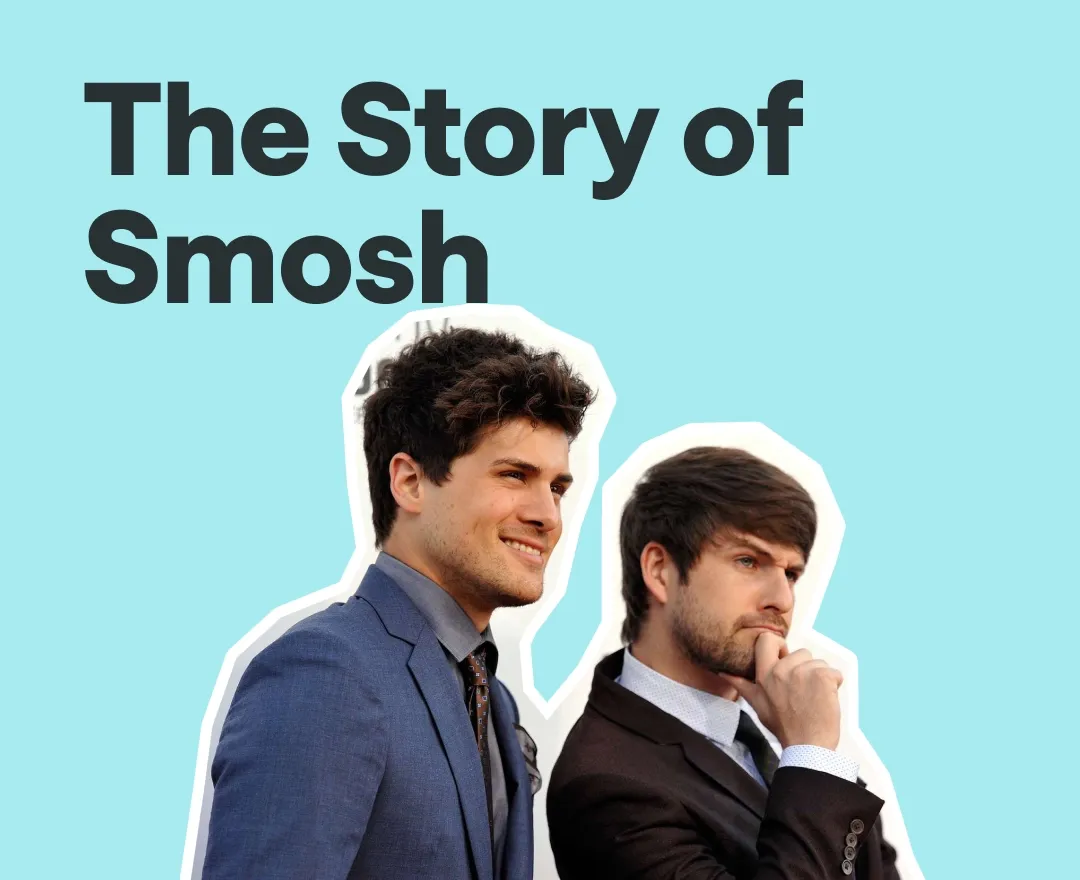
In the volatile landscape of digital media, few names carry as much historical weight as Smosh. What began in 2005 as two teenagers—Ian Hecox and Anthony Padilla—lip-syncing to the Pokémon theme song evolved into a multi-million dollar enterprise, a corporate asset, a casualty of bankruptcy, and ultimately, a reclaimed independent powerhouse. To ask “what happened to Smosh” is to trace the trajectory of the creator economy itself.
From a brand strategy perspective, Smosh serves as the ultimate case study in identity evolution. It has navigated the treacherous transition from personal branding to corporate ownership and back again, proving that in the digital age, a brand’s most valuable currency is not just its viewership, but its perceived authenticity and the structural integrity of its ownership.
The Evolution of Personal Branding: From Duo to Ensemble
The initial success of Smosh was built on a foundation of “Founder-Market Fit.” Ian and Anthony represented the relatable, DIY spirit of early YouTube. However, as the platform matured, the brand faced its first major strategic hurdle: the scalability of personal identity.
The Anthony Padilla Departure and the Identity Crisis
In 2017, the Smosh brand shook the industry when co-founder Anthony Padilla announced his departure. For over a decade, the Smosh brand was the duo. From a branding standpoint, this created a massive risk of “key-man dependency.” When a brand is inextricably linked to a specific face, the exit of that person often signals the death of the entity.
However, Smosh had already begun a subtle pivot toward an ensemble cast. By introducing “Smosh Games” and various sketch performers, the brand attempted to transition from a personality-driven channel to a content-driven network. The departure of Padilla was the ultimate test of this transition. It forced the brand to redefine its identity—moving away from being “The Ian and Anthony Show” and toward becoming a comedy institution, similar to a digital version of Saturday Night Live.
Scaling the Brand: Smosh Games and the Multichannel Strategy
To survive the loss of a founder, Smosh utilized a horizontal brand extension strategy. They didn’t just make more videos; they created sub-brands. Smosh Games, Smosh Pit, and El Smosh (the Spanish-language channel) allowed the brand to occupy different niches while sharing a centralized audience pool. This diversification was essential for brand longevity, as it reduced the pressure on the flagship channel to be everything to everyone. It transformed Smosh from a “YouTuber” into a “Media Property.”
Brand Management Under Corporate Ownership: The Defy Media Era
The most tumultuous chapter in the Smosh saga began with its acquisition by Alloy Digital (which later merged into Defy Media). This era represents the friction between creative-led branding and corporate-led growth metrics.
The Dilution of Originality for Algorithmic Success
Under Defy Media, the Smosh brand was subjected to the “content factory” model. In corporate branding, consistency is often prioritized over innovation. While Smosh remained productive, the brand began to lose its distinctive voice. The focus shifted toward high-output, algorithmically friendly content that could sustain a massive corporate overhead.
For the audience, the brand began to feel “sanitized.” The DIY charm that defined early Smosh was replaced by professional production values that, paradoxically, made the brand feel less premium because it felt less authentic. This period highlights a critical lesson in brand strategy: when a brand loses its “why” in favor of “how much,” the connection with the core demographic begins to fray.
The Risk of Decoupling Creators from Corporate Assets
The ultimate failure of the Defy Media era wasn’t just creative; it was structural. When Defy Media abruptly shut down in 2018, the Smosh brand was left in a state of existential limbo. Because the creators didn’t own the intellectual property (IP), the brand was effectively a hostage of corporate bankruptcy.

This moment in Smosh’s history is a cautionary tale for modern creators regarding brand ownership. A brand is only as strong as its legal and financial autonomy. For several months, one of the most famous brands in internet history was silenced because its “owners” had failed, illustrating the dangers of creators relinquishing total control to traditional media conglomerates.
Crisis Management and Brand Survival: The Mythical Acquisition
In 2019, Smosh was acquired by Mythical Entertainment, the company owned by fellow YouTube veterans Rhett & Link. This move was a masterclass in brand alignment and strategic acquisition.
Rhett & Link’s Intervention: A Strategic Brand Alignment
The acquisition of Smosh by Mythical was successful because it wasn’t just a financial transaction; it was a cultural fit. Unlike Defy Media, Mythical Entertainment understood the nuances of creator-led brands. They didn’t try to strip Smosh for parts or force it into a corporate mold. Instead, they provided the infrastructure (HR, production, sales) while allowing the creative brand to breathe.
This period saw a “Brand Rehabilitation.” Smosh leaned back into its ensemble cast, finding a new groove with members like Shayne Topp and Courtney Miller. By situating Smosh within the “Mythical Universe,” the brand gained a sense of stability and renewed credibility. It was a rare example of a “legacy brand” successfully integrating into a larger house of brands without losing its specific identity.
Maintaining Authenticity in a Post-Bankruptcy Landscape
The challenge during the Mythical years was proving that Smosh could still be relevant in a landscape dominated by TikTok and short-form creators. The brand strategy shifted toward community building. Shows like Smosh Mouth (podcast) and Try Not To Laugh focused on the chemistry of the cast. The brand moved from “sketch comedy” to “personality-driven variety,” which is a much more sustainable model for long-form digital video. Authenticity became the primary brand pillar once again.
The Full Circle Strategy: Reclaiming the Brand Narrative
The most recent development in the Smosh story—the 2023 re-acquisition of the brand by Ian Hecox and Anthony Padilla—is perhaps the most significant brand event in the history of social media.
The 2023 Buyback: A Masterclass in Legacy Rejuvenation
In June 2023, Hecox and Padilla announced that they had bought back a majority stake in Smosh from Mythical Entertainment. This wasn’t just a business deal; it was a brand “homecoming.” The marketing of this announcement was flawless, playing on nearly two decades of nostalgia while promising a return to the brand’s original “indie” roots.
From a branding perspective, this move solved the identity crisis that had lingered since 2017. By reuniting the founders, the brand instantly regained its “heritage” status. It allowed Smosh to market itself as both a pioneer of the past and a leader of the future. The move effectively “reset” the brand’s value, leading to a massive surge in engagement and a renewed interest from sponsors who wanted to be part of this historic narrative.
Lessons for Modern Creators and Digital Brands
The journey of Smosh offers three critical insights for any brand operating in the digital space:
- Identity is Fluid, but Values Must Be Fixed: Smosh changed its format dozens of times, but whenever it strayed too far from its core value of “irreverent, creator-led comedy,” the brand suffered.
- Ownership is the Ultimate Brand Protection: The Defy Media era proved that without ownership of the IP, a brand is a house built on sand. The buyback in 2023 represents the ultimate trend in the modern economy: creators becoming their own CEOs.
- Nostalgia is a Powerful Brand Asset: Smosh successfully leveraged its 19-year history to stay relevant. By honoring its past while evolving its cast, it avoided the “has-been” trap that many early internet brands fall into.
What happened to Smosh is that it grew up. It survived the awkward teenage years of corporate mismanagement and the mid-life crisis of identity loss to emerge as a mature, founder-led media company. It remains one of the few brands from the “Old YouTube” era that has successfully translated its 2005 origins into a sustainable 2024 business model. Smosh is no longer just a YouTube channel; it is a blueprint for how digital brands can endure, adapt, and eventually, reclaim their own story.
aViewFromTheCave is a participant in the Amazon Services LLC Associates Program, an affiliate advertising program designed to provide a means for sites to earn advertising fees by advertising and linking to Amazon.com. Amazon, the Amazon logo, AmazonSupply, and the AmazonSupply logo are trademarks of Amazon.com, Inc. or its affiliates. As an Amazon Associate we earn affiliate commissions from qualifying purchases.