
The landscape of sports entertainment is often viewed through the lens of individual matches and storylines, but beneath the surface lies one of the most sophisticated brand management case studies of the 21st century. When people ask “what happened to SmackDown,” they are rarely asking about a single event. Instead, they are inquiring about the metamorphosis of a sub-brand that originated as a secondary television pilot in 1999 and evolved into a multi-billion dollar cornerstone of global media.
SmackDown’s journey is not merely a history of television ratings; it is a narrative of strategic brand positioning, corporate identity shifts, and the relentless pursuit of market differentiation. To understand what happened to SmackDown, one must look at how the brand navigated the transition from a Tuesday night taped broadcast to a live Friday night spectacle, constantly retooling its identity to meet the demands of changing demographics and new media partners.
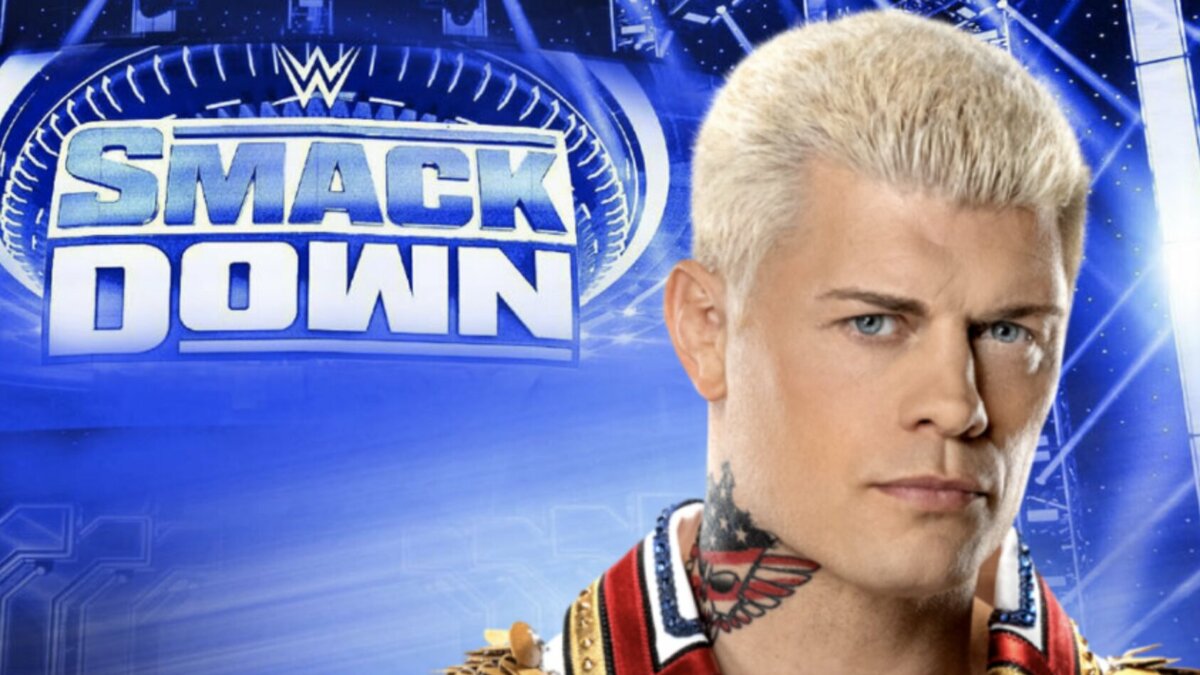
The Genesis of the Blue Brand: Establishing a Distinct Corporate Identity
In the late 1990s, the World Wrestling Federation (now WWE) faced a unique branding challenge. Their flagship program, Monday Night Raw, was the undisputed leader in the industry, but there was an untapped surplus of intellectual property and talent. The launch of SmackDown was a strategic move to dominate a second night of the week, but it required a visual and thematic identity that could stand independently of its predecessor.
Challenging the Monopoly of Monday Night Raw
The initial branding strategy for SmackDown was built on the concept of “The B-Show” that could eventually rival the “A-Show.” To prevent cannibalizing its own audience, WWE utilized a distinct color palette—electric blue and silver—to contrast with Raw’s aggressive red and black. This was more than an aesthetic choice; it was a psychological marker for consumers. By creating a distinct visual “Blue Brand,” the company allowed fans to develop a specific loyalty to a sub-section of the roster, effectively doubling the brand’s touchpoints with its audience.
Creating a Visual and Auditory Brand Signature
Early SmackDown was synonymous with “The Rock,” whose catchphrases provided the show’s very name. From a brand strategy perspective, the show was built around a singular, high-equity persona. The “fist” stage design of the early 2000s became an iconic piece of corporate architecture, representing the brand’s commitment to high-octane, physical entertainment. This period established the “SmackDown DNA”: a faster-paced, more athletic alternative to the dialogue-heavy segments often found on Raw.
Navigating the Brand Split: Differentiation as a Strategy
The most significant turning point in the brand’s history occurred in 2002 with the introduction of the Brand Extension. This was a masterclass in internal market competition. By splitting the roster into two distinct entities, WWE essentially competed against itself, capturing a larger share of the sports entertainment market while providing a platform for rising stars to build their own personal brands.
The Drafting System and Talent Equity
The “Draft” became a recurring marketing event that rejuvenated interest in the SmackDown brand annually. By moving high-value talent like Kurt Angle, Rey Mysterio, and later, Edge and The Undertaker to Friday nights, WWE infused the “Blue Brand” with specific equity. SmackDown became branded as the “wrestler’s show,” a niche positioning that appealed to a more hardcore demographic while Raw focused on broader, variety-show-style entertainment. This clear differentiation prevented brand fatigue among viewers.
Strategic Pivot: The “A-Show” vs. “B-Show” Perception
For years, SmackDown struggled with the perception of being the secondary brand because it was taped on Tuesdays and aired on Thursdays or Fridays. This logistical hurdle created a “spoiler culture” that diluted the brand’s urgency. However, the strategic decision to move SmackDown to a live format in 2016 was a monumental shift in brand management. It signaled to the market and advertisers that SmackDown was no longer a supplemental product; it was a primary asset with real-time cultural relevance.
The Digital Transformation and Modern Brand Positioning
As the media landscape shifted toward digital consumption and social media engagement, the SmackDown brand underwent a radical modernization. What happened to SmackDown in the 2010s was a calculated pivot toward becoming a “social-first” brand, ensuring that its content was digestible across Instagram, TikTok, and YouTube.
Adapting to Multi-Platform Consumption
WWE recognized early that the linear television model was evolving. They began treating SmackDown as an omnichannel brand. Highlights were uploaded in real-time, and digital-exclusive content was created to bridge the gap between weekly broadcasts. This kept the brand at the forefront of the “second screen” experience. The logo was streamlined, removing the grit of the early 2000s in favor of a sleek, professional corporate identity that appealed to blue-chip sponsors.
Global Expansion and Localized Marketing Strategies
SmackDown’s brand identity was also leveraged to facilitate international growth. By holding “special edition” episodes in the UK, Mexico, and later, the Middle East, the brand positioned itself as a global touring entity. This expansion was not just about logistics; it was about “localization” of the brand. Using international stars to headline SmackDown in their home countries solidified the brand’s presence in emerging markets, turning a domestic TV show into a worldwide lifestyle brand.
The Impact of Media Rights on Brand Equity
The most recent chapter in what happened to SmackDown involves the staggering financial and strategic implications of media rights deals. The move to the Fox Network in 2019 represented the ultimate validation of the brand. It moved from cable to a major broadcast network, placing the SmackDown brand alongside the NFL and MLB in terms of prestige and reach.
The Fox Era: Mainstreaming the Brand
Under Fox, the SmackDown brand underwent a “sports-centric” rebranding. The graphics packages, promotional trailers, and commentary styles were adjusted to mirror high-end sports broadcasting. This was a deliberate attempt to attract a more affluent advertiser base and a broader demographic. The “Friday Night SmackDown” moniker became a staple of the weekend television lineup, successfully anchoring the network’s Friday night schedule and proving that the brand could sustain a massive, mainstream audience.
Future Outlook: The USA Network and Netflix Transition
As the media world enters the age of total streaming integration, the SmackDown brand is once again on the move. The recent announcements regarding its return to the USA Network and the broader WWE partnership with Netflix represent the next phase of its evolution. The brand is transitioning from a traditional television asset to a cornerstone of a digital streaming ecosystem. This move ensures that the brand remains accessible to a younger, cord-cutting demographic while maintaining its legacy as a premier entertainment property.
Conclusion: The Resilience of the SmackDown Brand
In the final analysis, “what happened to SmackDown” is a story of survival and constant reinvention. The brand did not merely endure; it ascended. By maintaining a core identity while remaining flexible enough to adapt to new technologies, networks, and consumer behaviors, SmackDown has avoided the obsolescence that often plagues long-running television programs.
Today, SmackDown stands as a testament to the power of strategic brand management. It has transitioned from a localized wrestling show into a global multi-platform brand that generates hundreds of millions of dollars in revenue annually. Whether through the “Blue Brand” aesthetic, the live television transition, or the high-stakes world of network rights deals, SmackDown’s evolution reflects the broader shifts in the global media landscape. As it moves into its next quarter-century, the brand remains a dominant force, proving that in the world of corporate identity and marketing, the ability to evolve is the ultimate finishing move.
aViewFromTheCave is a participant in the Amazon Services LLC Associates Program, an affiliate advertising program designed to provide a means for sites to earn advertising fees by advertising and linking to Amazon.com. Amazon, the Amazon logo, AmazonSupply, and the AmazonSupply logo are trademarks of Amazon.com, Inc. or its affiliates. As an Amazon Associate we earn affiliate commissions from qualifying purchases.