
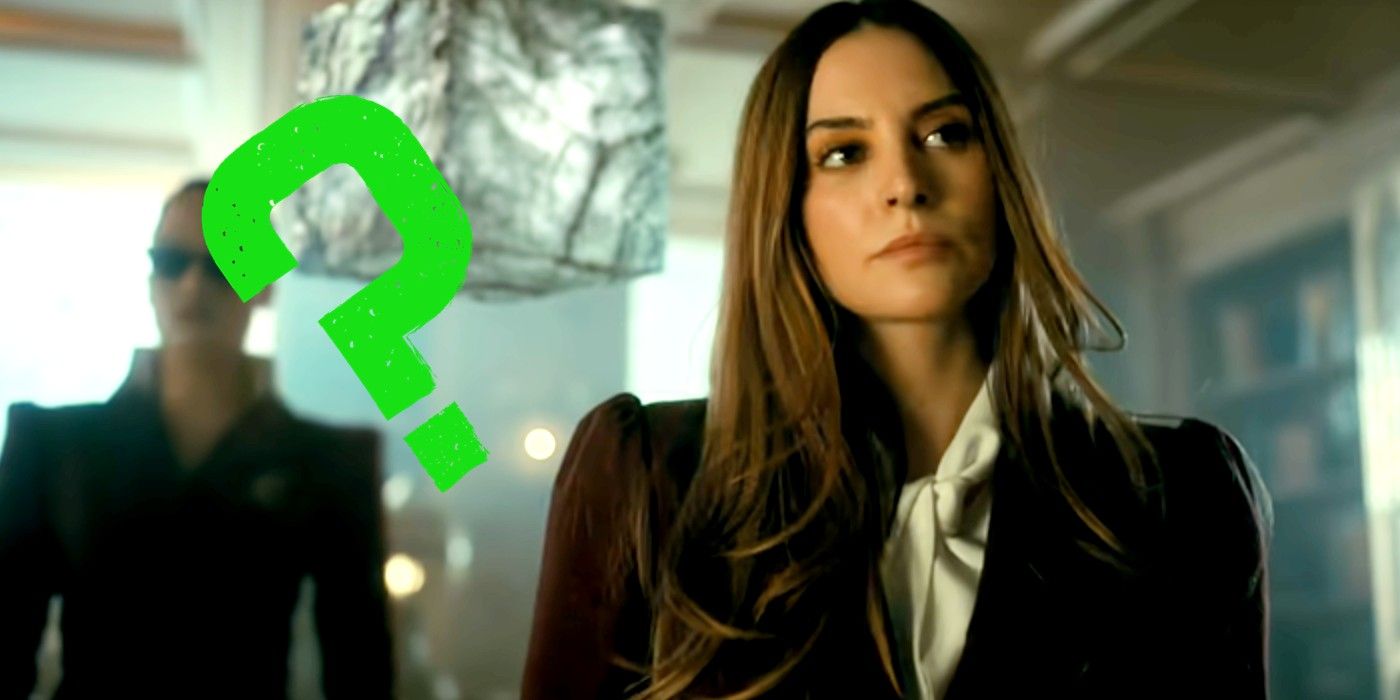
The disappearance of Sloane Hargreeves (played by Genesis Rodriguez) in the final season of Netflix’s The Umbrella Academy remains one of the most debated creative decisions in contemporary streaming history. While fans view this through the lens of plot holes and character arcs, from a brand strategy and corporate storytelling perspective, the “Sloane Mystery” serves as a profound case study in how intellectual property (IP) is managed, how character equity is spent, and the risks inherent in narrative branding during a series finale.
In the transition from Season 3 to Season 4, the brand identity of The Umbrella Academy shifted from an ensemble superhero deconstruction to a lean, high-stakes conclusion. Within this shift, the decision to omit Sloane was not merely a writing choice but a strategic move involving budget optimization, brand sentiment management, and the brutal economy of screen time.

The Architecture of Brand Continuity in Long-Form Storytelling
Brand continuity is the lifeblood of any multi-season television franchise. For a brand like The Umbrella Academy, continuity is maintained through “anchor assets”—the core siblings—and “variable assets”—secondary characters like Sloane. When a variable asset is removed without a traditional “exit strategy,” it creates a friction point in the brand’s promise to its audience.
Character as IP Asset
In the world of high-budget streaming, every character is an investment. Sloane was introduced in Season 3 as a way to diversify the “Sparrow Academy” brand extension. By establishing a romantic tie to Luther Hargreeves, the creators successfully transferred a portion of the show’s primary brand equity onto her. This “equity transfer” makes her absence in Season 4 a significant withdrawal from the brand’s emotional bank account.
From a strategic standpoint, a brand must decide whether an asset is worth the continued maintenance cost. In Season 4, the “Umbrella” brand opted for a “Back to Basics” approach, focusing exclusively on the original core cast. This is a common corporate strategy: when a brand reaches its “sunset phase” (its final season), it often sheds peripheral sub-brands to focus on its most recognizable core identities.
The “Sloane Effect”: Managing Audience Expectations
The failure to provide a resolution for Sloane created what marketers call “Brand Cognitive Dissonance.” The audience was promised a narrative payoff in the Season 3 finale—where Sloane was the only member missing from the new timeline—but that promise was never fulfilled.
Managing expectations is the cornerstone of brand loyalty. When a brand ignores a significant thread of its own identity, it risks alienating its “Super-Consumers” (the hardcore fandom). The “Sloane Effect” demonstrates that in modern media branding, what you don’t show is often as influential on your brand reputation as what you do show.
Strategic Erasure: Why Brands Choose “Mystery” Over Resolution
In corporate identity management, “Strategic Erasure” is the practice of removing elements of a brand that no longer align with the current vision. For The Umbrella Academy Season 4, the transition to a shorter, six-episode format necessitated a leaner narrative brand.
The Narrative Hook as a Marketing Tool
Leaving Sloane’s fate ambiguous can be viewed as a calculated, albeit controversial, marketing tactic. By not providing a definitive end for her character, the brand keeps the conversation alive long after the credits roll. In the digital age, a “perfectly wrapped” story can sometimes lead to a brand being forgotten quickly.
Conversely, a “frustrating” mystery generates social media engagement, theory-crafting, and persistent brand mentions. From a data perspective, the search query “What happened to Sloane in Season 4” drives significant organic traffic back to the series, maintaining its visibility in the Netflix algorithm despite the show’s conclusion.
Balancing Fan Service with Budgetary Brand Constraints
Every brand has a ceiling on its production budget. As The Umbrella Academy entered its final season, the “Brand Manager” (the showrunner) had to allocate resources effectively. Re-signing Genesis Rodriguez for a six-episode arc involves talent fees, trailer costs, and logistical overhead.
If the brand’s primary goal for Season 4 was to resolve the “Five and Lila” or “Ben and Jennifer” storylines, Sloane became a luxury the brand could no longer afford. This is a classic example of “Product Pruning”—removing a well-liked but non-essential feature to ensure the core product reaches the market on time and within budget.

The Digital Footprint: How Fandom Speculation Drives Organic Reach
The modern media brand does not exist in a vacuum; it lives in the ecosystem of social media discourse. The absence of Sloane became a viral “micro-brand” within the larger Umbrella Academy conversation. This highlights how gaps in a brand’s story can be filled by consumer-generated content (CGC).
Algorithmic Favorability through Unanswered Questions
Search Engine Optimization (SEO) and social media algorithms thrive on unresolved queries. Because the show provided no answer, the “Sloane” brand keyword remained “hot.” Fans created TikToks, Reddit threads, and YouTube deep-dives, all of which served as free promotional material for Season 4.
This is a double-edged sword in brand strategy. While it keeps the brand relevant, it also shifts the “brand voice” away from the creators and into the hands of a frustrated audience. When a brand loses control of its narrative, the “fan-on-fan” discourse becomes the primary way the brand is perceived by new potential viewers.
Managing Brand Sentiment Amidst Controversial Decisions
Public relations (PR) is a vital component of brand strategy. When the backlash regarding Sloane’s absence peaked, the show’s creators had to engage in “Brand Damage Control” through interviews. Showrunner Steve Blackman explained that the omission was due to “logistics and story length,” a classic corporate response that prioritizes operational reality over consumer desire.
This transparency is essential for maintaining “Brand Trust.” By admitting that the decision was a result of constraints rather than an oversight, the brand attempts to regain the trust of the audience by being “authentic”—a key value for Gen Z and Millennial consumers who make up the show’s primary demographic.
Lessons in Intellectual Property Management for Modern Media Brands
The “Sloane Mystery” offers several vital lessons for anyone managing a creative brand or an IP-heavy business. It illustrates the delicate balance between narrative integrity and corporate necessity.
The Risk of Character Dilution
Adding characters to a brand increases its complexity. If those characters are not integrated into the long-term “Brand Map,” their eventual removal will feel like a defect. For The Umbrella Academy, the introduction of the Sparrows was a massive brand expansion that perhaps exceeded the brand’s ability to sustain itself.
The lesson here for brand strategists is “measured growth.” It is better to have a smaller, more cohesive brand than a sprawling one that must eventually be “hacked apart” to meet the demands of a finale.
Future-Proofing the Umbrella Academy Brand Post-Finale
Even though Season 4 is the end, the Umbrella Academy brand lives on through merchandise, comics, and potential spin-offs. By leaving Sloane’s fate open, the IP owners have effectively “vaulted” a character. This creates future “Brand Value.”
If Netflix or Dark Horse Comics decides to launch a spin-off in five years, “The Search for Sloane” is a ready-made premise with built-in market demand. This is “Brand Future-Proofing”—intentionally leaving doors open to allow for future monetization and brand revival.
Conclusion: The Bottom Line on Sloane’s Absence
Ultimately, what happened to Sloane in The Umbrella Academy Season 4 is a testament to the realities of brand management in the streaming era. While narrative purists may see it as a failure of storytelling, brand strategists see it as a calculated sacrifice. The brand prioritized the “Original Umbrella” identity, accepted the risks of “Brand Dissonance,” and leveraged the resulting mystery to maintain a strong digital footprint.
Sloane Hargreeves did not just disappear into a new timeline; she became a case study in the “Cost of Character Equity.” In the high-stakes world of global media branding, sometimes the most powerful move a brand can make is to leave its audience wanting more—even if it means leaving a piece of the brand’s heart behind. As the Umbrella Academy brand enters its legacy phase, the “Sloane Paradox” will remain a reminder that in the business of storytelling, the silence of an absent character can often speak louder than the presence of a hundred others.
aViewFromTheCave is a participant in the Amazon Services LLC Associates Program, an affiliate advertising program designed to provide a means for sites to earn advertising fees by advertising and linking to Amazon.com. Amazon, the Amazon logo, AmazonSupply, and the AmazonSupply logo are trademarks of Amazon.com, Inc. or its affiliates. As an Amazon Associate we earn affiliate commissions from qualifying purchases.