
In the grim, desperate landscape of Robert Kirkman’s The Walking Dead, where humanity’s survival hangs by a thread, characters are forged and broken under the crucible of unrelenting terror. Among the most polarizing and pivotal figures in the early seasons was Shane Walsh, Rick Grimes’s former best friend and partner. His trajectory, marked by a descent from protector to antagonist, is not merely a plot point but a profound exploration of human nature under duress, leadership in crisis, and the raw, unvarnished instinct for survival. Shane’s story arc, culminating in his tragic death at Rick’s hands, serves as a foundational narrative that shaped the very ethos of the series and its subsequent characters. His actions, driven by a blend of pragmatism, possessiveness, and paranoia, forced audiences to confront uncomfortable questions about morality, loyalty, and what truly constitutes leadership when civilization crumbles.
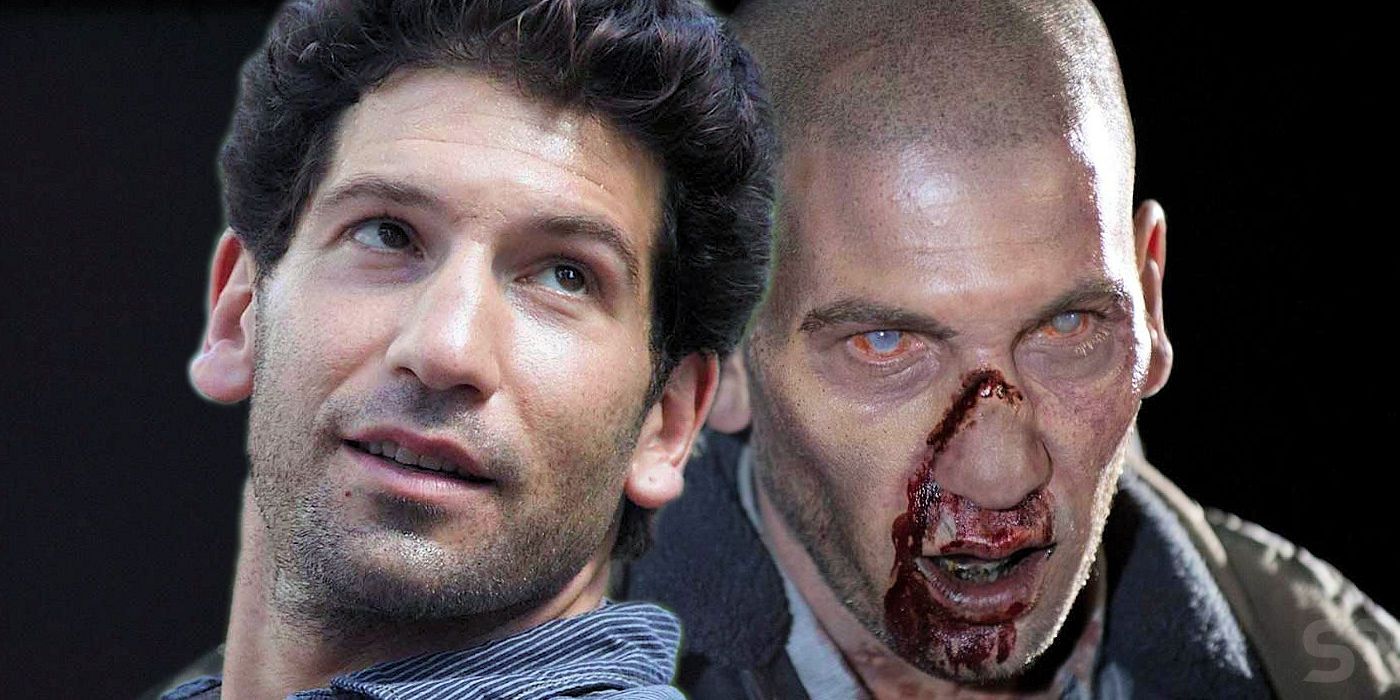
The Evolution of a Survivor: Shane’s Journey and Psychological Unraveling
Shane Walsh, introduced as a deputy sheriff alongside Rick Grimes, begins his journey as a seemingly stable and dependable leader. In the initial chaotic aftermath of the outbreak, with Rick in a coma, Shane stepped up, not just to protect Lori and Carl (Rick’s wife and son), but to shepherd a nascent group of survivors. He organized their camp, secured resources, and made the tough, often brutal, decisions necessary for day-to-day existence. However, as the world outside grew more savage, so too did Shane’s internal landscape. His perceived betrayal by Rick’s unexpected return, coupled with his burgeoning relationship with Lori and paternal feelings for Carl, fueled a dangerous cocktail of resentment and possessiveness that slowly chipped away at his humanity.
From Partner to Predator: Shane’s Leadership and Loyalty
Shane’s leadership style was undeniably effective in the short term, prioritizing immediate survival over long-term ethical considerations. He operated with a clear, albeit ruthless, strategy: eliminate threats, secure resources, and protect his inner circle at all costs. This approach, while ensuring the group’s initial safety, also laid the groundwork for his eventual conflict with Rick, who clung to a more democratic and morally guided form of leadership. Shane saw Rick’s idealism as a liability, a weakness that would doom them all. In a world devoid of laws, Shane believed he was merely adapting, optimizing for survival in a harsh new reality.
One could almost analyze Shane’s decision-making process through the lens of a rudimentary, albeit highly effective, AI algorithm designed for “maximum survival probability.” His actions, while emotionally charged, often followed a logical path of eliminating perceived threats or resource competitors. He quickly identified problems and implemented solutions, regardless of moral cost. His focus on the core group’s “brand identity” as survivors – tough, resilient, and unyielding – was paramount. He saw himself as the architect of this brand, and anyone who deviated from his vision became a threat to the group’s integrity and, by extension, his own “personal branding” as the indispensable protector. The “money” or “currency” in this world was security and resources, and Shane was an aggressive investor, willing to take high risks for high returns in terms of safety, even if it meant significant human capital expenditure.
The Ethical Dilemma: Survival vs. Morality in the Apocalypse
The heart of Shane’s tragedy lies in his unwavering commitment to a utilitarian ethic: the greatest good for the greatest number, often defined by his own narrow perspective of “his group.” His willingness to sacrifice strangers, or even perceived weaknesses within his own group, put him on a collision course with Rick. Classic examples include his desire to leave Randall, a wounded outsider, to die, or his repeated attempts to convince Rick that Sophia, lost in the woods, was a lost cause and a drain on their resources.
This ethical dilemma can be viewed as a stark cost-benefit analysis in “business finance” terms. Shane continually calculated the “return on investment” of every life and every resource. A wounded stranger represented an immediate “liability” and a “diversion of capital” (medical supplies, time, risk). From a purely transactional standpoint, his logic was grimly efficient. However, Rick, representing the “human capital” aspect, understood the long-term “brand value” of maintaining humanity and ethical integrity, even if it came with short-term “costs.” Shane’s journey highlights the profound impact of scarcity and constant threat on moral frameworks, pushing individuals to choose between the preservation of life and the preservation of self and kin. His choices also serve as a stark reminder of the fragile nature of “digital security” in a world without infrastructure – the security of the human mind and its moral code.
The Impact of Shane’s Actions: Ripple Effects on Character and Community
Shane’s ultimate confrontation and death at Rick’s hands were not merely the resolution of a character arc; they were a pivotal event that sent ripples throughout the series, fundamentally altering the trajectory of key characters and the developing social fabric of the survivor community. His influence, even in death, lingered as a haunting question mark over the decisions made by those he left behind.
Shaping Rick Grimes: The Genesis of a Hardened Leader

Perhaps Shane’s most significant legacy was the profound and irrevocable transformation he wrought upon Rick Grimes. Rick, initially a benevolent and idealistic leader, was forced to confront the harsh realities Shane had so aggressively championed. The act of killing his best friend, followed by Shane’s immediate reanimation as a walker, shattered Rick’s remaining innocence. It taught him a brutal lesson: in the apocalypse, there are no easy answers, and sometimes, to protect those you love, you must become the monster you fight.
This transformation can be seen as an accelerated “adaptive learning” curve for Rick, akin to how AI tools are trained on vast datasets to recognize patterns and make decisions. Shane served as the ultimate, painful “training data,” showing Rick the true face of human darkness and the necessary ruthlessness required for survival. Rick’s subsequent leadership style, often leaning into Shane’s pragmatic brutality while striving to retain his core humanity, was a direct consequence of this crucible. It was a “rebranding” of Rick’s leadership identity, moving from a purely benevolent sheriff to a more complex, formidable figure capable of dark deeds for the greater good. This strategic pivot was crucial for the group’s long-term survival and allowed Rick to make the difficult “financial decisions” regarding resource allocation and group defense that defined his later years as a leader.
Lori, Carl, and the Scars of Betrayal
For Lori and Carl, Shane’s death left a complex legacy of emotional trauma. Lori wrestled with the guilt of her relationship with Shane and its role in the escalating conflict between the two men. Carl, witnessing his father kill Shane, was exposed to the brutal realities of their world in a way no child should be. These events left deep psychological scars, influencing their subsequent choices and relationships. Lori’s later pregnancy and the uncertainty surrounding the fatherhood of Judith further complicated their emotional landscape, tying Shane’s memory indelibly to the Grimes family’s future.
The emotional “data footprint” of Shane’s actions continued to impact the family, manifesting in their trust issues and the lingering shadows of past betrayals. It speaks to the complexity of “reputation management” in a highly personal, high-stakes environment. Shane’s “brand” in their eyes became a painful mix of protector and betrayer, and Lori and Carl were left to navigate the “legacy costs” of his presence and absence. Their journey underscores how personal relationships, like “corporate identity,” can be irrevocably damaged by internal conflict and lack of clear “digital security” boundaries for emotional well-being.
Beyond the Barbed Wire: Analyzing Shane’s Legacy Through a Modern Lens
Shane’s story, while fictional, offers a rich tapestry for exploring contemporary themes relevant to the modern world, especially through the lenses of technology, brand, and money. His character forces us to ponder how these concepts would hold up—or even become more critical—in a world stripped bare of its civilized facade.
The “Shane Effect” in Leadership and Crisis Management
Shane’s leadership provides a compelling case study for crisis management, particularly in extreme, resource-scarce environments. How would modern leaders, equipped with today’s technology trends and AI tools, navigate a similar catastrophe? Would an AI-driven “risk assessment algorithm” endorse Shane’s ruthless efficiency or Rick’s more collaborative, humanistic approach? Perhaps a robust “digital security” framework, applied to strategic decision-making, could have presented optimal paths for resource allocation and threat neutralization without resorting to internal conflict. Imagine an AI assistant tasked with scenario planning for a zombie apocalypse: it might prioritize eliminating internal dissent (Shane) if it posed a quantifiable risk to overall group survival, even if ethically challenging.
From a “brand strategy” perspective, Shane essentially attempted to “rebrand” the survivor group as an unyielding, purely pragmatic entity, discarding any elements of compassion or moral restraint. Rick, conversely, fought to retain an underlying “corporate identity” rooted in humanity, even as he adopted elements of Shane’s ruthlessness. This tension highlights the enduring importance of a “brand’s ethical stance,” even in extreme circumstances. Does a survival brand succeed by being the most brutal, or by maintaining a shred of what it means to be human? Shane’s story reminds us that even in chaos, the perception and integrity of a group’s identity are powerful forces, shaping alliances and determining long-term viability.
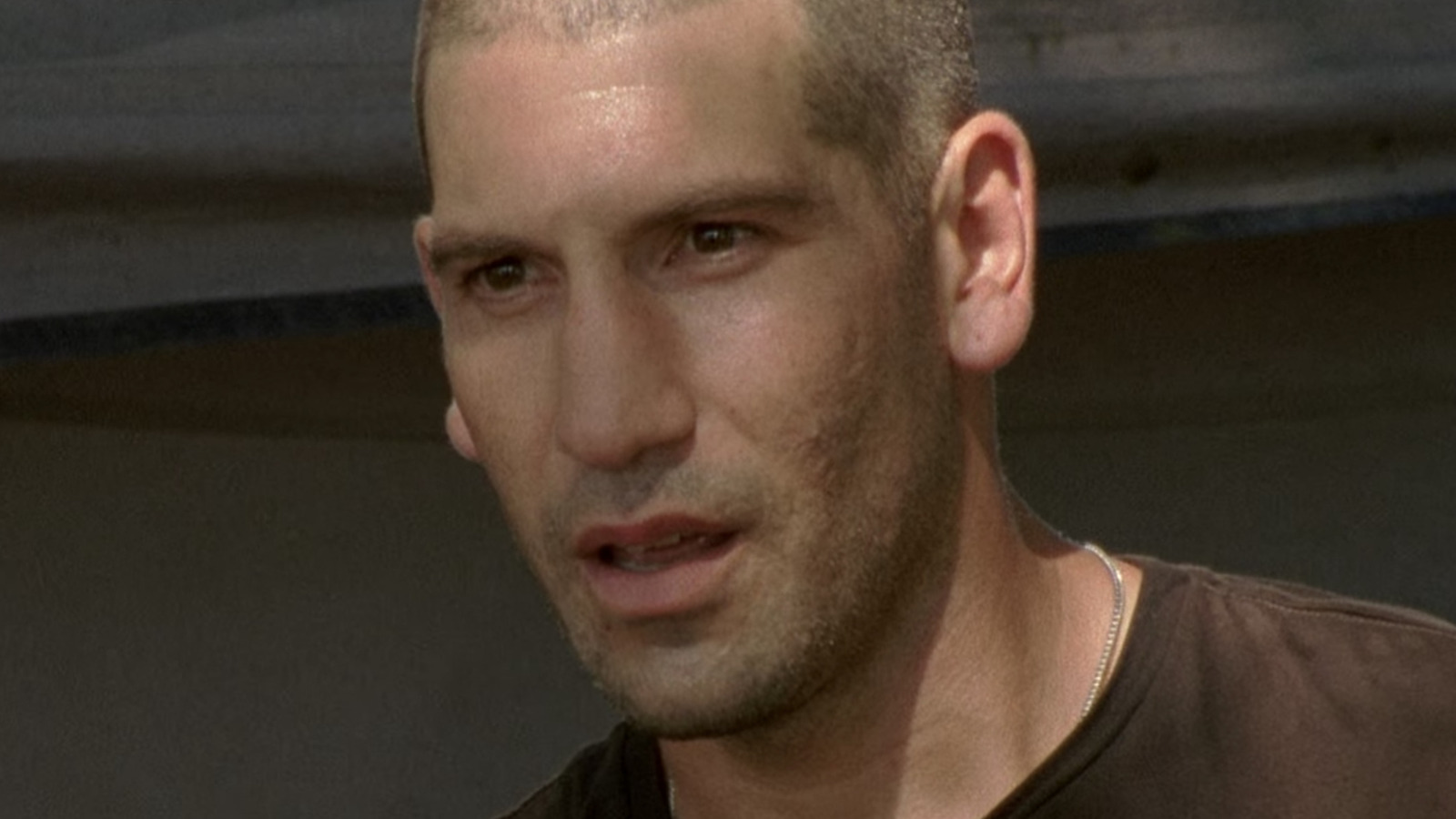
Financial Foresight and Resource Allocation in the Undead Apocalypse
If Shane Walsh were a “financial planner” or “business finance” expert in a post-apocalyptic world, his advice would undoubtedly revolve around aggressive “online income” generation – by any means necessary, even if it meant scavenging abandoned homes or clearing out hostile groups. He would preach a doctrine of extreme resource hoarding, minimal expenditure on non-essentials (like mercy), and ruthless “investment” in self-preservation. “Side hustles” in this world would mean becoming incredibly adept at hunting, scavenging, and defending territory.
In a world where traditional “money” is obsolete, the true “currency” becomes tangible resources: food, water, ammunition, and secure shelter. Shane understood this instinctively. He prioritized tangible assets and direct control over them. A “personal finance” advisor in Shane’s mold would tell you to secure your assets (your life, your family), cut all unnecessary “expenses” (moral qualms, compassion for outsiders), and become an astute “investor” in your immediate survival infrastructure. The skills of “digital security” might transform into the physical security of your food supply or your group’s perimeter. Shane’s financial foresight, albeit brutal, was perhaps his most consistent strength: he always kept an eye on the bottom line of survival, even if his methods were abhorrent.
Shane Walsh’s story is a harrowing mirror reflecting the darker aspects of human nature under duress. His journey from protector to antagonist, and his eventual demise, were instrumental in shaping the narrative and characters of The Walking Dead. Even as the series progressed, the “Shane effect”—that difficult balance between necessary ruthlessness and preserving humanity—continued to echo through Rick’s leadership and the choices made by countless other survivors. His legacy, viewed through the modern lenses of technology, brand, and money, offers a chilling yet insightful examination of what truly matters when the pillars of civilization collapse, reminding us that even in the most extreme scenarios, the dynamics of human nature, resource management, and identity remain profoundly relevant.
aViewFromTheCave is a participant in the Amazon Services LLC Associates Program, an affiliate advertising program designed to provide a means for sites to earn advertising fees by advertising and linking to Amazon.com. Amazon, the Amazon logo, AmazonSupply, and the AmazonSupply logo are trademarks of Amazon.com, Inc. or its affiliates. As an Amazon Associate we earn affiliate commissions from qualifying purchases.